Stay Informed With Trusted Health Insights
Join 5,000+ readers who receive evidence-informed health articles, wellness tips, supplement reviews, and practical health guides delivered straight to their inbox.
Get Free Health UpdatesNo spam. Just helpful health education, updates, and resources.
Why Structural Back Pain Is Often Misunderstood
Spine and disc-related back pain is frequently described as “wear and tear,” “degeneration,” or an inevitable part of aging. While structural changes in the spine are common, they are far less predictive of pain than most people realize.
Many individuals with disc bulges, degeneration, or joint changes experience little to no discomfort. Others, with minimal findings on imaging, struggle with persistent pain. This disconnect highlights a crucial reality: structural changes alone rarely explain symptoms.
This guide explores how spine and disc issues contribute to back pain, when they matter, and how natural support strategies can complement medical care.
For a full overview of back pain mechanisms, visit the
Back Pain Hub:
https://thehealthknowledgebase.com/back-pain/
Understanding the Spine and Intervertebral Discs
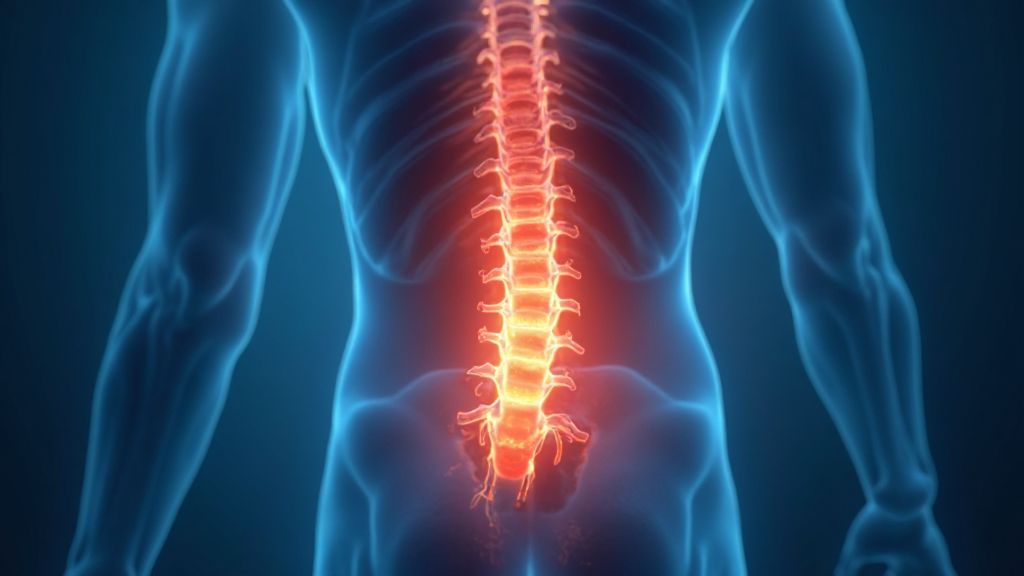
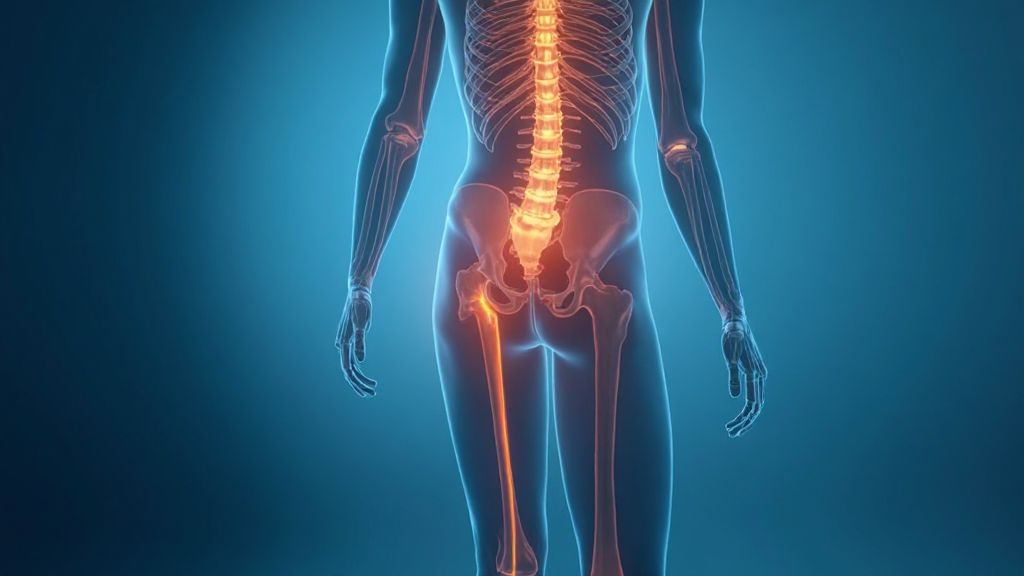
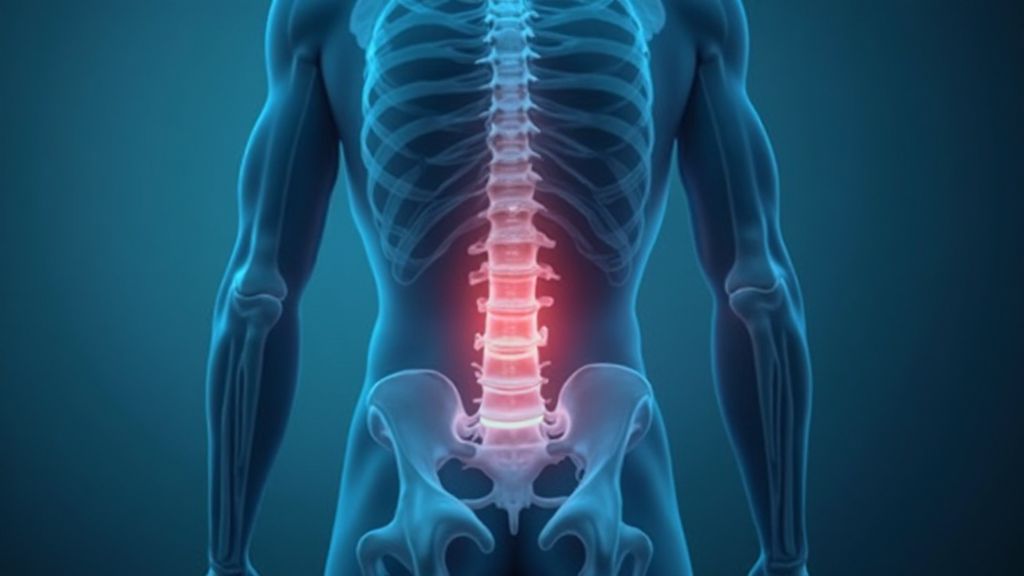
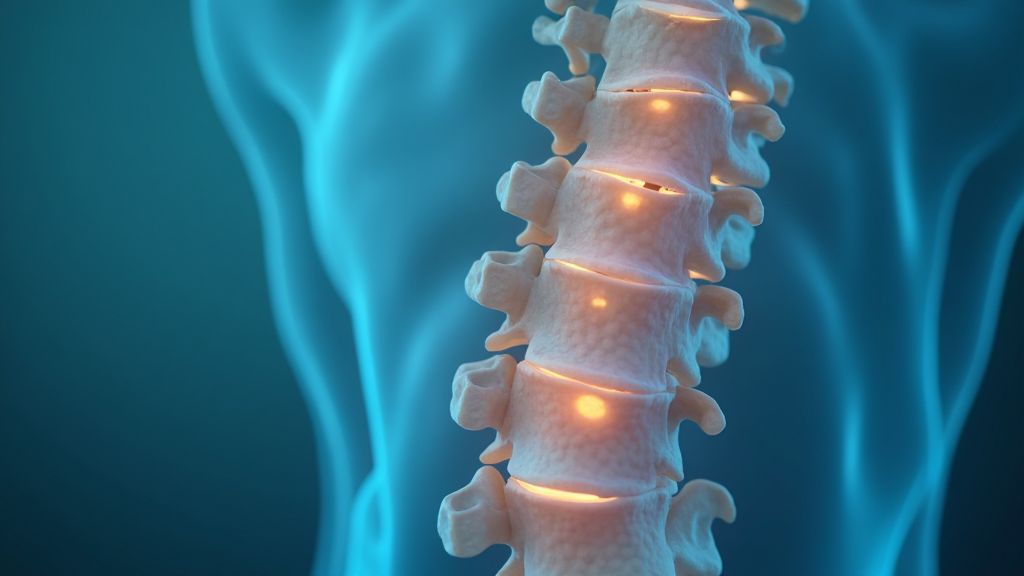
The spine is a complex structure composed of:
- Vertebrae (bones)
- Intervertebral discs
- Facet joints
- Ligaments
- Surrounding muscles and nerves
Intervertebral discs act as shock absorbers, allowing flexibility while distributing load. They rely on movement and hydration for nutrient exchange, as they have limited direct blood supply.
Because of this, disc health is influenced by:
- Movement patterns
- Posture
- Load management
- Inflammation
- Age-related changes
Common Structural Causes of Spine and Disc Pain
Disc Bulges and Herniations
A disc bulge occurs when the outer disc wall protrudes outward. A herniation involves disruption of that outer layer.
Important distinction:
- Many bulges and herniations are asymptomatic
- Pain occurs when inflammation or nerve irritation is present
Degenerative Disc Changes
Degenerative disc disease describes age-related disc thinning and dehydration.
Despite its name:
- It is not a disease
- It does not always cause pain
- It progresses slowly
Pain arises when degeneration alters spinal mechanics or contributes to inflammation.
Facet Joint Irritation
Facet joints guide spinal motion. When irritated, they may cause:
- Localized stiffness
- Pain with extension or rotation
- Reduced mobility
Facet-related pain often overlaps with muscular tension.
Spinal Compression and Postural Load
Prolonged sitting, poor posture, and reduced spinal movement can increase compressive forces on discs and joints, particularly in the lumbar spine.
These stresses accumulate gradually, not suddenly.
Why Imaging Results Can Be Misleading
MRI and X-ray findings often show:
- Disc bulges
- Degeneration
- Arthritic changes
However, studies consistently show:
- Many pain-free individuals have these findings
- Pain severity does not correlate well with imaging
This is why treatment decisions should not be based on scans alone.
For a broader framework, see the
Comprehensive Guide to Back Pain:
https://thehealthknowledgebase.com/back-pain/comprehensive-guide/
Spine and Disc Pain vs Nerve Pain
Structural pain is often confused with nerve-related pain.
Structural spine pain:
- Localized or mechanical
- Worse with certain positions
- Improves with movement changes
Nerve pain:
- Radiates into legs or arms
- Burning or electric
- Often worse at night
If symptoms radiate, explore the
Sciatica & Nerve Pain Guide:
https://thehealthknowledgebase.com/back-pain/sciatica/
Movement and Load Management for Disc Health
Contrary to outdated advice, discs generally benefit from:
- Regular, varied movement
- Gradual loading
- Avoidance of prolonged static positions
Complete rest may temporarily reduce symptoms but often slows recovery.
Movement helps discs by:
- Promoting fluid exchange
- Reducing stiffness
- Supporting surrounding muscles
Inflammation and Structural Back Pain
Inflammation plays a major role in whether structural changes cause pain.
Low-grade inflammation can:
- Sensitize surrounding nerves
- Delay tissue repair
- Amplify mechanical discomfort
Inflammatory contributors are explored in depth in the
Inflammation & Chronic Back Pain Guide:
https://thehealthknowledgebase.com/back-pain/inflammation/
Nutritional and Supplement Support for Spine and Disc Health (Non-Branded)
While supplements cannot reverse structural changes, they may support the environment in which tissues recover.
Common categories include:
- Collagen and connective tissue nutrients for structural support
- Omega-3 fatty acids for inflammatory balance
- Magnesium for muscular tension and support
- Antioxidants that assist tissue resilience
A full evidence-based overview is available here:
Back Pain Supplements Guide
https://thehealthknowledgebase.com/back-pain/best-supplements/
When Structural Back Pain Requires Medical Care
Seek medical evaluation if symptoms include:
- Progressive weakness
- Loss of bladder or bowel control
- Severe trauma
- Rapid neurological changes
This guide focuses on education and support, not diagnosis.
FAQs
What causes spine and disc pain?
Structural changes combined with inflammation and load stress are common contributors.
Are disc bulges always painful?
No. Many people have disc bulges without symptoms.
Can discs heal naturally?
Discs adapt slowly but benefit from movement and load management.
Is degenerative disc disease serious?
It is common with age and not always associated with pain.
Does posture cause disc damage?
Posture influences load but is rarely the sole cause.
Can supplements reverse disc damage?
No, but they may support tissue health and recovery.
Is walking good for disc pain?
Gentle walking often supports spinal mobility.
Why does disc pain fluctuate?
Inflammation and movement patterns affect symptoms.
Do MRI findings predict pain severity?
No. Imaging often correlates poorly with symptoms.
When should surgery be considered?
Only after conservative options are exhausted and neurological deficits exist.
Continue Exploring Back Pain Resources
Structural back pain often overlaps with other systems. Use the guides below to explore related contributors and support strategies.
- The Complete Guide to Back Pain: Symptoms, Causes, and Natural Support
- Back Pain Hub: Causes, Relief Strategies & Long-Term Spine Health
- Lower Back Pain: Causes, Relief & Prevention Strategies
- Sciatica & Nerve Pain: Causes, Symptoms and Natural Relief
- Inflammation and Chronic Back Pain: Root Causes & Relief
- Back Pain Supplements: Evidence-Based Support Options
20-Second Rub Ritual Relieves 90% Of Back Pain For Years
(Watch Video)

If you’ve tried everything to resolve your back, neck, or joint pain with no long-term success, the problem isn’t your effort – it’s a hidden biological “glitch.”
Recent research into chronic pain has identified a specific inflammatory cascade – a surge of internal compounds that your body releases during stress. These compounds act like “liquid rust,” keeping your nerve fibers on high alert and making them nearly immune to standard stretches or painkillers.
Fortunately, a rediscovered restoration technique is helping thousands break this cycle. Originally utilized by elite athletes to bypass years of traditional therapy, this at-home method helps “reset” these pain-signaling fibers. By quieting the internal inflammatory storm, it supports the natural repair of the spine, hips, and joints.
Join over 77,000 people who have reclaimed their mobility and the confidence to move freely again.
Click here to see how this 60-second daily habit addresses the root cause of chronic pain.

Medically Reviewed for Accuracy
This content has been reviewed for accuracy and clarity by The Health Knowledge Base Medical Review Team, using current research and evidence-based health guidance.
Our review process helps ensure that information related to health, wellness, nutrition, lifestyle strategies, and natural support topics reflects current scientific understanding and responsible editorial standards.
Written by The Health Knowledge Base Editorial Team
Our editorial team consists of health researchers, wellness writers, and content specialists focused on creating clear, practical, and research-informed health content.
We publish educational articles designed to help readers better understand health topics, explore natural wellness strategies, and make more informed lifestyle decisions with confidence.
Affiliate Transparency, Medical Disclaimer & Safety Notice
At The Health Knowledge Base, we take pride in being a trusted resource and affiliate partner with select, high-quality companies. We choose these partnerships carefully because we genuinely believe their products, services, and educational resources align with the values and mission of our website.
When you purchase through certain links on this site, we may receive a small commission or compensation. This helps support our research, content creation, and ongoing work at no additional cost to you. Your price remains exactly the same.
Medical Disclaimer
The information provided by The Health Knowledge Base is for general informational and educational purposes only and is not a substitute for professional medical advice, diagnosis, or treatment.
Always seek the advice of your physician, doctor, or another qualified healthcare provider with any questions you may have regarding a medical condition, symptoms, treatment options, diet changes, exercise programs, or supplements.
Never disregard professional medical advice or delay in seeking it because of something you have read on this website.
Critical Safety Notice
Before making any changes to your diet, starting a new fitness or wellness routine, or taking any supplements mentioned on this site, you should consult with your doctor, physician, or another qualified healthcare professional. Reliance on any information provided by The Health Knowledge Base is solely at your own risk.
View our Affiliate Disclosure → | View our Medical Disclaimer →