
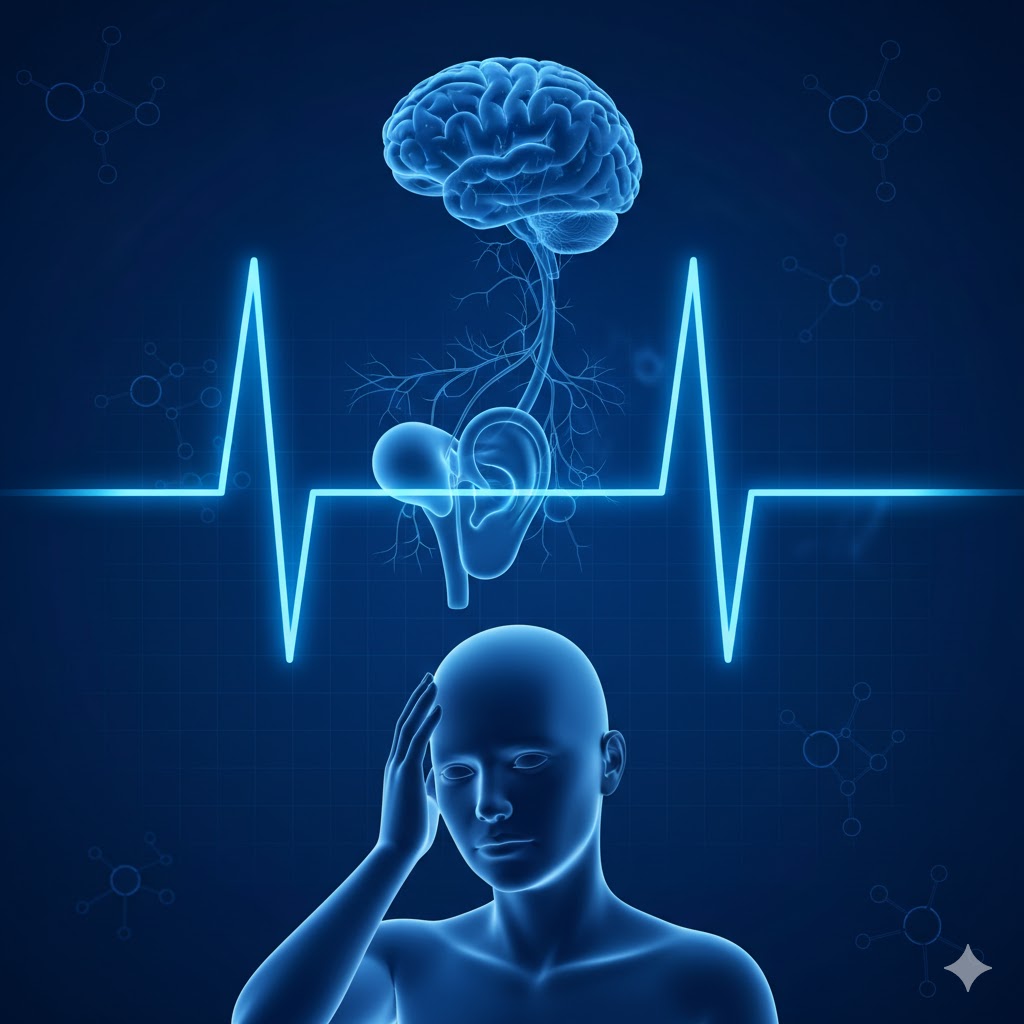
Dizziness is one of the most frightening physical symptoms of anxiety. It may feel like:
- Lightheadedness
- Spinning or Floating
- Unsteadiness
- “About to faint” sensation
Because dizziness is associated with neurological or cardiac conditions, it often increases panic. Understanding the physiology reduces fear.
If you’re new to this topic, begin at the 👉 Anxiety Disorders Explained
Why Anxiety Causes Dizziness
Anxiety-induced dizziness typically results from three primary mechanisms.
1️⃣ Hyperventilation
During anxiety, breathing becomes rapid and shallow, causing carbon dioxide (CO₂) levels to drop and blood vessels to constrict. Low CO₂ levels reduce oxygen delivery efficiency to the brain, creating:
- Lightheadedness
- Tingling
- Blurred vision
- Feeling faint
👉 Related: Panic Attacks: Causes & How to Stop Them
2️⃣ Muscle Tension in Neck & Shoulders
Chronic stress tightens neck muscles. This tension may affect blood flow, vestibular perception, and postural balance, contributing to unsteady sensations.
3️⃣ Adrenaline & Cortisol Activation
Stress hormones increase heart rate, blood pressure variability, and sensory awareness. This heightened body awareness amplifies minor balance shifts.
👉 See stress biology: Depression & Cortisol
Anxiety Dizziness vs Medical Causes
Anxiety dizziness often appears during stress and improves when calm. It frequently occurs alongside chest tightness or rapid breathing.
- 👉 See: Chest Tightness From Anxiety
Seek medical evaluation if dizziness:
- Is persistent and unrelated to stress
- Occurs with neurological symptoms
- Causes repeated fainting
Always rule out medical conditions when symptoms are new.
Metabolic and Lifestyle Factors
Blood Sugar & Dizziness
Low blood sugar (hypoglycemia) can mimic anxiety dizziness, causing sweating, shaking, weakness, and lightheadedness. Stabilizing blood sugar may reduce episodes.
👉 Related: Depression & Blood Sugar
Sleep & Mental Health
Sleep deprivation increases dizziness sensitivity and emotional reactivity.
👉 See: Sleep & Mental Health Connection
Why Dizziness Triggers Panic
Dizziness feels dangerous. The brain interprets imbalance as a threat, which creates a feedback loop:
- Increases fear
- Accelerates breathing
- Worsens dizziness
This loop leads to panic escalation.
How to Stop Anxiety Dizziness
1️⃣ Slow Breathing Reset
Inhale for 4 seconds, then exhale for 6–8 seconds. Continue for several minutes. Longer exhales restore CO₂ balance.
2️⃣ Posture Correction
Relax shoulders, lengthen the neck, and release jaw tension. Physical relaxation signals safety to the brain.
3️⃣ Grounding Through Movement
Slow walking or gentle stretching stabilizes balance perception. Avoid sudden head movements during an episode.
4️⃣ Stabilize Blood Sugar
Eat protein-rich meals, avoid long fasting periods, and reduce refined sugar intake.
Long-Term Recovery
Chronic anxiety may sensitize balance systems. CBT and exposure therapy reduce catastrophic interpretation, avoidance behaviors, and hypervigilance. Exercise also improves autonomic regulation.
👉 Depression & Exercise Science
Frequently Asked Questions
1. Can anxiety make you feel like you’ll faint?
Yes, though actual fainting is rare because blood pressure usually rises during anxiety.
2. How long does anxiety dizziness last?
It can last from minutes to hours depending on stress levels.
3. Is it vertigo?
Anxiety dizziness is usually lightheadedness, not true spinning vertigo.
4. Does caffeine worsen dizziness?
Yes, in sensitive individuals it can trigger the jitteriness that leads to dizziness.
5. Can dehydration cause similar symptoms?
Yes, dehydration is a common physical cause of lightheadedness.
6. Should I get my heart checked?
If symptoms are new, severe, or persistent, a medical checkup is recommended.
7. Does magnesium help?
It may support muscle relaxation and nervous system calm.
8. Can therapy stop dizziness?
Yes, by reducing the panic cycles that drive hyperventilation.
9. Is anxiety dizziness permanent?
No, it improves significantly with nervous system regulation.
10. Why is it worse in crowds?
Overstimulation and a sense of being trapped increase the stress response.
When to Seek Immediate Help
Seek urgent care if dizziness is accompanied by slurred speech, weakness on one side, severe headache, or loss of consciousness. Anxiety dizziness is uncomfortable but not dangerous — once medical causes are excluded.
Understand Anxiety Symptoms More Deeply
Dizziness from anxiety is common and treatable. Explore the full anxiety guide and panic recovery strategies.
Anxiety Disorders Explained Panic Attacks Guide Mental Health Hub
Medically Reviewed for Accuracy
This content has been reviewed for accuracy and clarity by The Health Knowledge Base Medical Review Team, using current research and evidence-based health guidance.
Our review process helps ensure that information related to health, wellness, nutrition, lifestyle strategies, and natural support topics reflects current scientific understanding and responsible editorial standards.
Written by The Health Knowledge Base Editorial Team
Our editorial team consists of health researchers, wellness writers, and content specialists focused on creating clear, practical, and research-informed health content.
We publish educational articles designed to help readers better understand health topics, explore natural wellness strategies, and make more informed lifestyle decisions with confidence.