Stay Informed With Trusted Health Insights
Join 5,000+ readers who receive evidence-informed health articles, wellness tips, supplement reviews, and practical health guides delivered straight to their inbox.
Get Free Health UpdatesNo spam. Just helpful health education, updates, and resources.
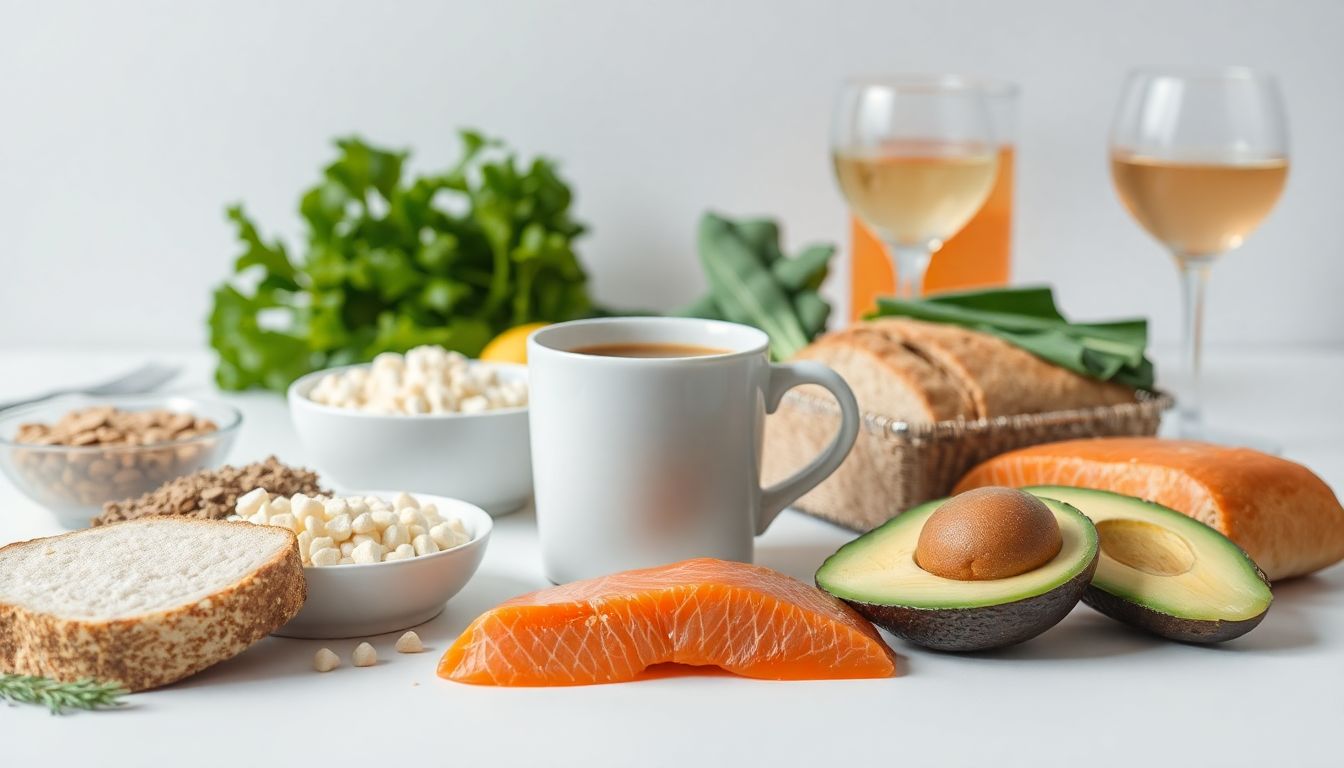
When it comes to thyroid health, most people focus on what to eat — iodine, selenium, zinc, and other nutrients that support hormone balance.
But few realize that certain everyday foods can silently sabotage your thyroid, slowing metabolism, draining energy, and disrupting hormone production.
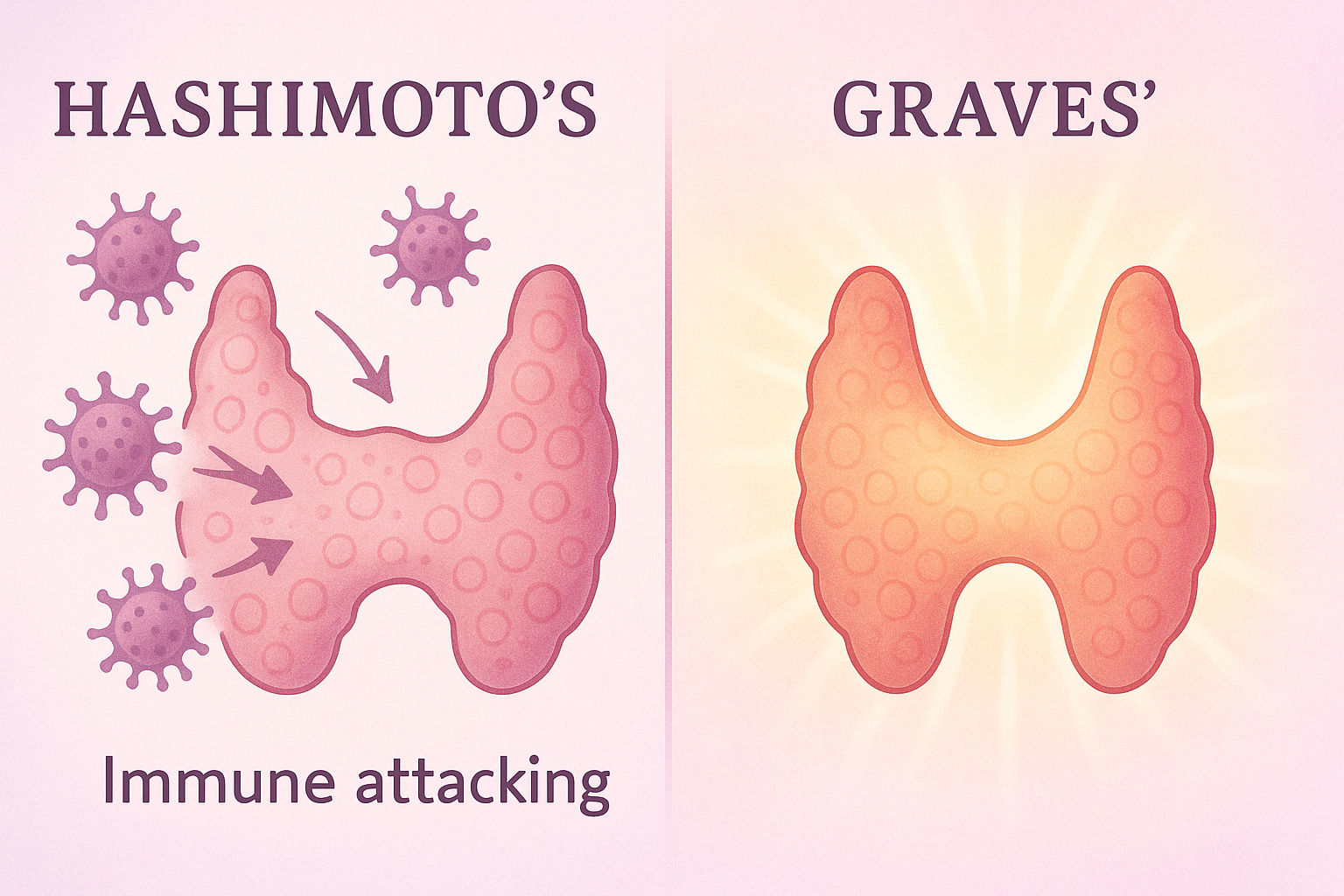
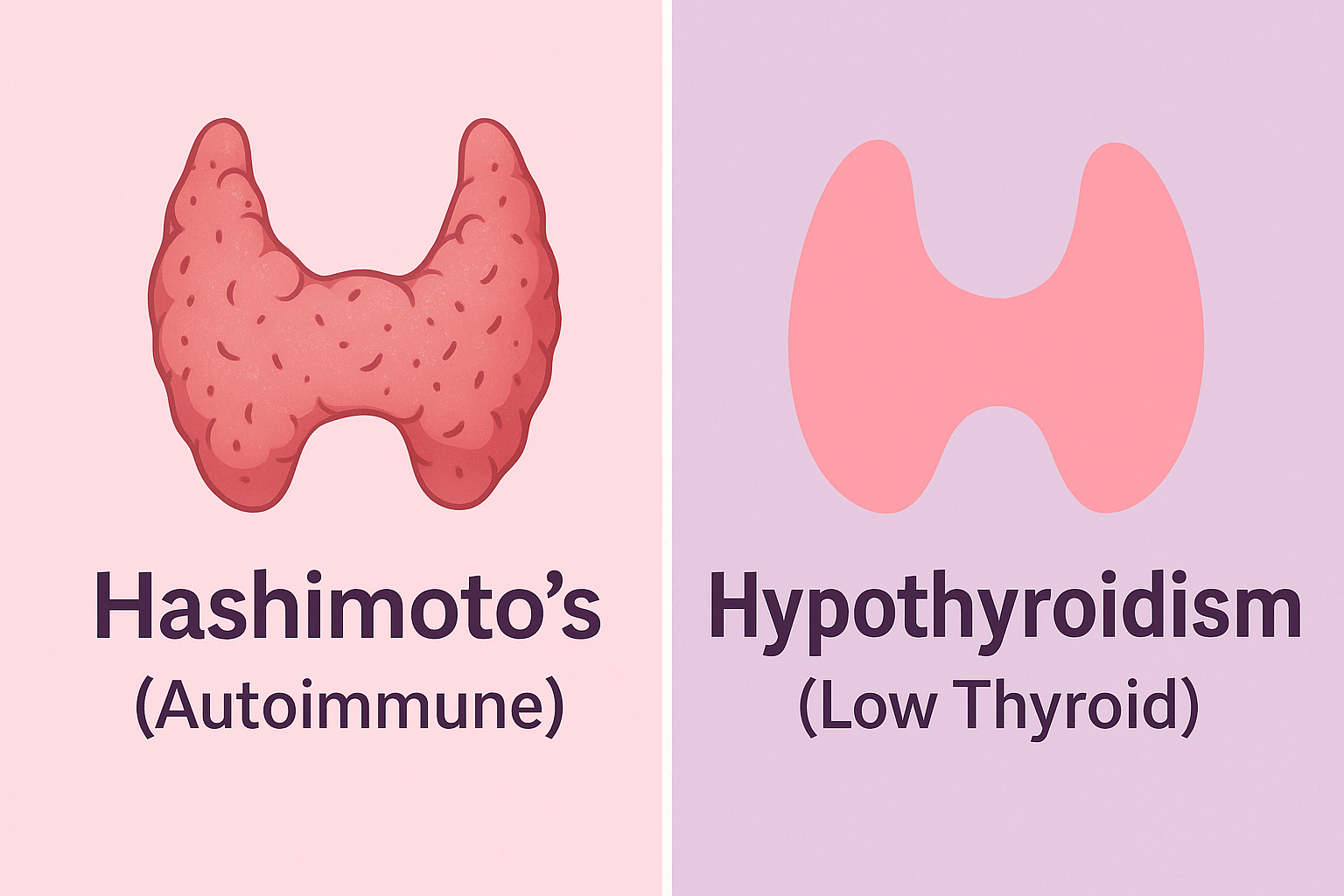
If you’ve been diagnosed with hypothyroidism, Hashimoto’s, or simply want to support your thyroid naturally, understanding which foods to limit or avoid can make a major difference.
In this guide, we’ll explore the worst foods for thyroid health, explain why they cause issues, and share practical tips for a thyroid-friendly diet.
🧂 1. Processed Foods High in Sodium and Preservatives
While your thyroid needs iodine to produce hormones, too much sodium or synthetic iodized salt can create imbalances.
Processed snacks, canned soups, instant noodles, and deli meats often contain hidden sodium, preservatives, and chemicals that may stress your thyroid and kidneys.
👉 Instead: Opt for Himalayan pink salt or sea salt in moderation, and focus on whole, unprocessed meals.
For a list of foods that help rather than harm, see The Best Thyroid-Friendly Diet for Women.
🥦 2. Raw Cruciferous Vegetables
Cruciferous veggies like broccoli, cabbage, cauliflower, kale, and Brussels sprouts are rich in nutrients, but in large raw quantities, they contain goitrogens — compounds that interfere with iodine absorption and can slow thyroid hormone production.
👉 The solution? Cook them lightly — steaming or sautéing reduces goitrogens by up to 70%, allowing you to still enjoy their benefits safely.
☕ 3. Caffeine and Excess Coffee
A morning coffee may give you energy, but excessive caffeine can suppress thyroid function and worsen symptoms like anxiety, heart palpitations, and insomnia — especially in those with hyperthyroidism.
Caffeine can also block T4-to-T3 conversion, reducing active thyroid hormone levels.
👉 Try herbal teas such as peppermint or chamomile instead. Read more about balancing stress and thyroid function in How Stress Impacts Your Thyroid.
🧁 4. Refined Sugars and Processed Carbohydrates
Sugary foods cause rapid insulin spikes, which can worsen inflammation and hormonal imbalance — two key drivers of thyroid dysfunction.
Frequent blood-sugar crashes also exhaust the adrenal glands, which work closely with the thyroid to regulate metabolism and mood.
👉 For better energy and balance, learn how to support both glands naturally in Balancing Thyroid and Adrenal Fatigue Naturally.
🥛 5. Dairy Products (for Some Women)
Dairy intolerance is common among women with autoimmune thyroid issues like Hashimoto’s. The casein protein in milk can trigger immune reactions, causing bloating, fatigue, and inflammation that stress thyroid tissues.
👉 If symptoms worsen after consuming dairy, try eliminating it for 30 days and reintroducing slowly while monitoring how you feel.
Learn more about natural thyroid recovery in Natural Ways to Boost Thyroid Hormones.
🧈 6. Trans Fats and Hydrogenated Oils
Margarine, fried fast foods, and baked goods often contain trans fats that increase inflammation and block thyroid hormone receptors.
These fats also disrupt cell membrane integrity, making it harder for T3 (the active thyroid hormone) to enter cells.
👉 Replace these with healthy fats like avocado, olive oil, and omega-3-rich foods such as salmon or flaxseed.
🍞 7. Gluten (Especially with Hashimoto’s Disease)
For women with autoimmune thyroid conditions, gluten can mimic thyroid tissue, triggering the immune system to attack both.
Multiple studies suggest that removing gluten may reduce antibodies and improve thyroid function.
👉 Explore naturally gluten-free options such as brown rice, quinoa, and buckwheat — and learn how nutrient balance supports recovery in 10 Essential Vitamins and Minerals for a Healthy Thyroid.
🍷 8. Alcohol
Alcohol stresses the liver, where much of the thyroid hormone conversion (T4 → T3) occurs.
It also interferes with sleep and nutrient absorption, both of which are essential for hormone balance.
👉 Limit intake to special occasions, and support your body with antioxidant-rich foods to protect thyroid tissue from oxidative stress.
For further reading, see Thyroid Health During Perimenopause and Menopause to understand how alcohol impacts hormonal balance at midlife.
🧃 9. Soy Products
Soy contains isoflavones, another class of goitrogens that can inhibit thyroid peroxidase — an enzyme critical for thyroid hormone synthesis.
Overconsumption of soy milk, tofu, or protein powders can reduce thyroid hormone uptake.
👉 If you enjoy soy, choose fermented forms like miso or tempeh and keep portions moderate.
Related: How Birth Control Pills Affect Thyroid Hormones
🧊 10. Artificial Sweeteners and Diet Drinks
Aspartame, sucralose, and other artificial sweeteners can disrupt the gut microbiome, impacting nutrient absorption and immune balance — both crucial for thyroid health.
They may also confuse insulin response, leading to fatigue and sugar cravings.
👉 Replace with natural alternatives such as stevia, monk fruit, or raw honey in moderation.
🥗 Final Thoughts
Avoiding thyroid-disrupting foods doesn’t mean giving up the joy of eating — it’s about making smarter swaps that support your hormones and energy.
By reducing processed foods, sugars, and goitrogens, you give your thyroid the foundation it needs to thrive.
For next steps, explore:
➡️ Natural Ways to Boost Thyroid Hormones
➡️ The Best Thyroid-Friendly Diet for Women
➡️ Thyrafemme Review: Benefits, Ingredients & Real Results
🔹 10 FAQs About Foods That Harm Thyroid Health
- What foods should I completely avoid with thyroid problems?
Processed foods, refined sugars, gluten (for some), soy, and trans fats are the main culprits. - Are cruciferous vegetables bad for the thyroid?
Only when eaten raw in excess; cooked versions are safe and beneficial. - Does coffee affect thyroid hormones?
Too much caffeine can interfere with thyroid hormone conversion and worsen anxiety. - Is dairy harmful to the thyroid?
For some women with autoimmune thyroid issues, dairy can trigger inflammation. - Can I drink alcohol with hypothyroidism?
Occasional moderate drinking is fine, but excessive alcohol burdens the liver and slows hormone conversion. - Is gluten-free eating beneficial for thyroid health?
Yes, especially for those with Hashimoto’s or autoimmune thyroid conditions. - Are soy products thyroid-safe?
Fermented soy in small amounts is fine, but overconsumption may suppress thyroid function. - Do artificial sweeteners affect the thyroid?
They can disrupt gut bacteria and indirectly impact hormone regulation. - What’s a safe salt to use for thyroid balance?
Natural sea salt or Himalayan pink salt in moderation is ideal. - Which foods support thyroid function instead?
Foods rich in selenium, iodine, zinc, and omega-3s — like salmon, eggs, Brazil nuts, and seaweed — help balance thyroid hormones.

Medically Reviewed for Accuracy
This content has been reviewed for accuracy and clarity by The Health Knowledge Base Medical Review Team, using current research and evidence-based health guidance.
Our review process helps ensure that information related to health, wellness, nutrition, lifestyle strategies, and natural support topics reflects current scientific understanding and responsible editorial standards.
Written by The Health Knowledge Base Editorial Team
Our editorial team consists of health researchers, wellness writers, and content specialists focused on creating clear, practical, and research-informed health content.
We publish educational articles designed to help readers better understand health topics, explore natural wellness strategies, and make more informed lifestyle decisions with confidence.
Affiliate Transparency, Medical Disclaimer & Safety Notice
At The Health Knowledge Base, we take pride in being a trusted resource and affiliate partner with select, high-quality companies. We choose these partnerships carefully because we genuinely believe their products, services, and educational resources align with the values and mission of our website.
When you purchase through certain links on this site, we may receive a small commission or compensation. This helps support our research, content creation, and ongoing work at no additional cost to you. Your price remains exactly the same.
Medical Disclaimer
The information provided by The Health Knowledge Base is for general informational and educational purposes only and is not a substitute for professional medical advice, diagnosis, or treatment.
Always seek the advice of your physician, doctor, or another qualified healthcare provider with any questions you may have regarding a medical condition, symptoms, treatment options, diet changes, exercise programs, or supplements.
Never disregard professional medical advice or delay in seeking it because of something you have read on this website.
Critical Safety Notice
Before making any changes to your diet, starting a new fitness or wellness routine, or taking any supplements mentioned on this site, you should consult with your doctor, physician, or another qualified healthcare professional. Reliance on any information provided by The Health Knowledge Base is solely at your own risk.
View our Affiliate Disclosure → | View our Medical Disclaimer →