Stay Informed With Trusted Health Insights
Join 5,000+ readers who receive evidence-informed health articles, wellness tips, supplement reviews, and practical health guides delivered straight to their inbox.
Get Free Health UpdatesNo spam. Just helpful health education, updates, and resources.
🩺 Introduction
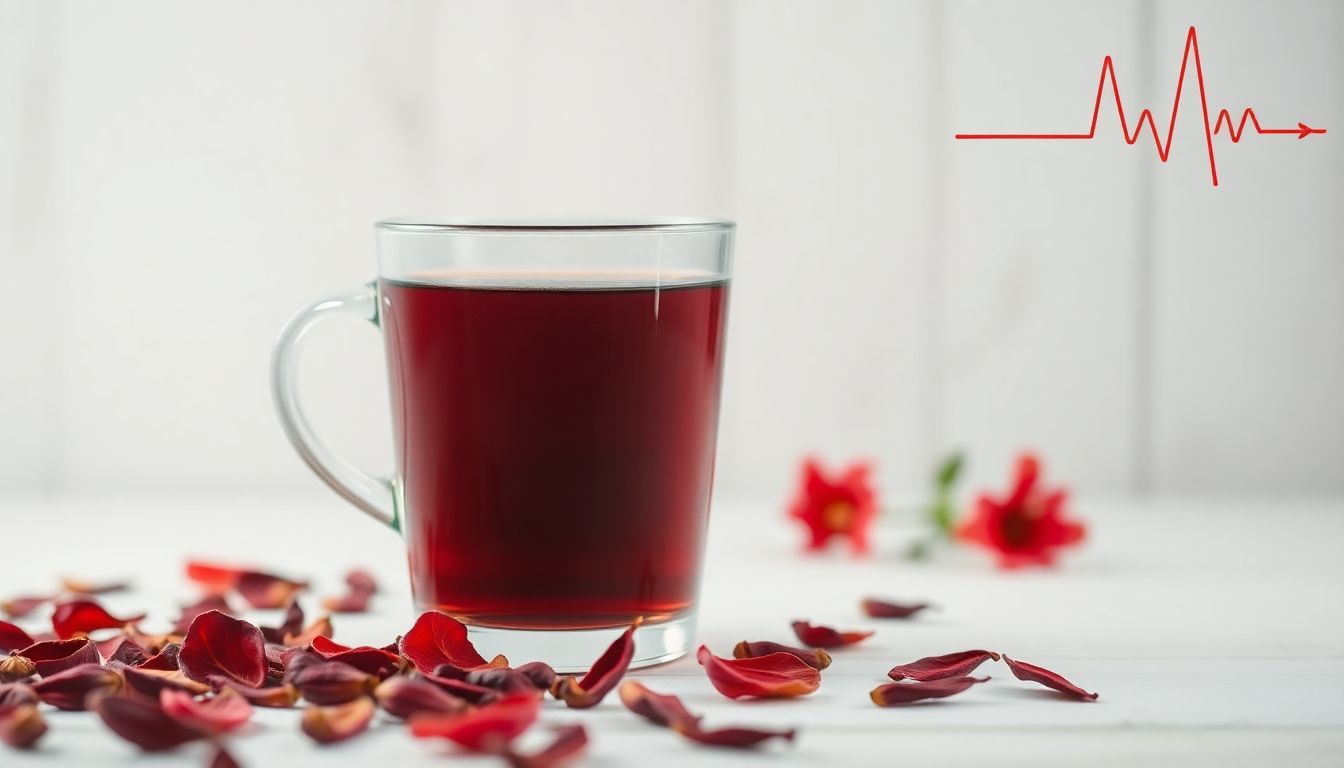
Few drinks are as beautiful — or as beneficial — as hibiscus tea.
Known for its rich crimson color and tart, cranberry-like flavor, this ancient herbal infusion is more than a refreshing beverage.
Modern science confirms that hibiscus tea can help naturally lower blood pressure, protect arteries, and support overall cardiovascular health.
In this article, we’ll explore what makes hibiscus tea such a powerful heart ally, how to brew it correctly, and the scientific studies behind its blood pressure–lowering effects.
(Related Reading: The Complete Guide to Lowering Blood Pressure Naturally)
🌸 What Is Hibiscus Tea?
Hibiscus tea is made from the dried petals of Hibiscus sabdariffa, a tropical flower rich in anthocyanins — natural plant pigments that give the tea its deep red hue and antioxidant power.
For centuries, hibiscus tea has been used in Egyptian, Ayurvedic, and African traditional medicine to cool the body, reduce inflammation, and support the heart.
❤️ How Hibiscus Tea Helps Lower Blood Pressure
Hibiscus tea supports healthy blood pressure through three main mechanisms:
- Acts as a Natural ACE Inhibitor
Similar to certain prescription drugs, hibiscus can block angiotensin-converting enzyme (ACE) — which tightens blood vessels.
Blocking this enzyme allows arteries to relax, improving blood flow. - Rich in Antioxidants
Hibiscus is packed with polyphenols and anthocyanins that protect blood vessel walls from oxidative damage. - Supports Cholesterol and Triglyceride Balance
Studies show hibiscus may lower LDL cholesterol and triglycerides, improving overall heart health.
💡 Science says:
A 2019 meta-analysis of 5 studies found that drinking hibiscus tea lowered systolic blood pressure by 7.6 mmHg and diastolic by 3.5 mmHg — comparable to some mild medications.
(Also read: Best Natural Supplements to Lower Blood Pressure)
🍵 How to Brew Hibiscus Tea for Heart Health
Making hibiscus tea at home is simple — but the way you brew it affects its potency.
🌺 Hot Hibiscus Tea Recipe
- 1–2 teaspoons of dried hibiscus petals
- 1 cup boiling water
- Steep for 10–15 minutes
- Strain and enjoy warm or chilled
💡 Add a squeeze of lemon for extra vitamin C and nitric oxide support.
🧊 Cold Hibiscus Infusion
- 2 tablespoons dried hibiscus petals
- 4 cups cold water
- Refrigerate overnight (8–10 hours)
- Strain and sweeten lightly with honey or stevia
This slow infusion preserves more antioxidants and creates a milder flavor.
(Also read: Morning Habits That Help Reduce High Blood Pressure)
⏰ When to Drink Hibiscus Tea
Drink 1–2 cups daily for best results — ideally:
- In the morning to support calm blood flow throughout the day
- After meals to help with digestion and circulation
Avoid drinking it right before bed, as it can be mildly energizing in some people.
⚕️ Safety and Considerations
Hibiscus tea is safe for most adults, but it can:
- Lower blood pressure — so use caution if you already take BP medication
- Interact with diuretics or ACE inhibitors
- Cause mild dizziness if consumed in large amounts
- Be avoided during pregnancy (due to uterine stimulation risk)
Always consult your doctor before adding it to your daily regimen if you’re on medication.
(Also read: Is It Safe to Take Blood Pressure Supplements with Medication?)
🌿 Combine Hibiscus with Other Heart-Healthy Herbs
For maximum benefit, hibiscus pairs beautifully with:
- Hawthorn: Improves circulation and strengthens arteries
- Garlic: Natural vasodilator that enhances nitric oxide
- Saffron: Promotes endothelial function and mood balance
- Beetroot or Lemon: Boost nitric oxide production naturally
(Also read: Hawthorn and Blood Pressure: The Ancient Herb Backed by Science)
🕒 How Long It Takes to See Results
With consistent use (1–2 cups daily), most people notice improvement in energy, circulation, and pressure readings after 2–4 weeks.
(Learn more: How Long Do Natural Remedies Take to Lower Blood Pressure?)
❓ FAQs — Hibiscus Tea and Blood Pressure
- Can hibiscus tea really lower blood pressure?
Yes — studies confirm it can reduce both systolic and diastolic readings. - How much hibiscus tea should I drink daily?
1–2 cups per day is effective for most people. - When is the best time to drink it?
Morning or after meals for best results. - Can hibiscus tea replace blood pressure medication?
No, but it can complement prescribed treatments under medical guidance. - Is hibiscus tea safe for everyone?
Most adults can enjoy it, but avoid during pregnancy or if on BP medication. - Can I drink hibiscus tea cold?
Yes — cold infusions preserve antioxidants and taste great in summer. - What does hibiscus tea taste like?
Tart, fruity, and refreshing — similar to cranberry. - Does it have caffeine?
No, it’s naturally caffeine-free. - Can hibiscus tea help cholesterol too?
Yes — it supports healthy lipid balance. - How long does it take to see results?
Usually within 2–4 weeks of daily use.
❤️ Final Thoughts
Hibiscus tea is one of nature’s simplest — and most delicious — ways to support healthy blood pressure.
Its natural ACE-inhibiting compounds, antioxidants, and circulatory benefits make it a daily ritual worth embracing.
Add it to your morning routine or enjoy it iced after lunch — your heart (and your taste buds) will thank you.
(Also read: The Complete Guide to Lowering Blood Pressure Naturally)


Medically Reviewed for Accuracy
This content has been reviewed for accuracy and clarity by The Health Knowledge Base Medical Review Team, using current research and evidence-based health guidance.
Our review process helps ensure that information related to health, wellness, nutrition, lifestyle strategies, and natural support topics reflects current scientific understanding and responsible editorial standards.
Written by The Health Knowledge Base Editorial Team
Our editorial team consists of health researchers, wellness writers, and content specialists focused on creating clear, practical, and research-informed health content.
We publish educational articles designed to help readers better understand health topics, explore natural wellness strategies, and make more informed lifestyle decisions with confidence.
Affiliate Transparency, Medical Disclaimer & Safety Notice
At The Health Knowledge Base, we take pride in being a trusted resource and affiliate partner with select, high-quality companies. We choose these partnerships carefully because we genuinely believe their products, services, and educational resources align with the values and mission of our website.
When you purchase through certain links on this site, we may receive a small commission or compensation. This helps support our research, content creation, and ongoing work at no additional cost to you. Your price remains exactly the same.
Medical Disclaimer
The information provided by The Health Knowledge Base is for general informational and educational purposes only and is not a substitute for professional medical advice, diagnosis, or treatment.
Always seek the advice of your physician, doctor, or another qualified healthcare provider with any questions you may have regarding a medical condition, symptoms, treatment options, diet changes, exercise programs, or supplements.
Never disregard professional medical advice or delay in seeking it because of something you have read on this website.
Critical Safety Notice
Before making any changes to your diet, starting a new fitness or wellness routine, or taking any supplements mentioned on this site, you should consult with your doctor, physician, or another qualified healthcare professional. Reliance on any information provided by The Health Knowledge Base is solely at your own risk.
View our Affiliate Disclosure → | View our Medical Disclaimer →