
Stay Informed With Trusted Health Insights
Join 5,000+ readers who receive evidence-informed health articles, wellness tips, supplement reviews, and practical health guides delivered straight to their inbox.
Get Free Health UpdatesNo spam. Just helpful health education, updates, and resources.
Creatine may be one of the most researched and effective supplements in nutrition, but it’s still surrounded by misinformation. Here, we bust the most common creatine myths with clear, science-backed facts – so you can supplement with confidence.
The Most Common Creatine Myths Debunked
Myth 1: Creatine is Only for Bodybuilders
Fact: Creatine benefits everyone—from team sport athletes and runners to older adults and even those looking to boost cognitive function. It’s not just for muscle bulk; it supports strength, endurance, recovery, and overall cellular energy for people at any fitness level.[1][6]
Learn more about how creatine supports all lifestyles
Myth 2: Creatine Causes Weight Gain and Bloating
Fact: While creatine can temporarily increase water retention inside your muscles, this isn’t fat gain or unhealthy bloating. It helps muscles stay fuller and more hydrated—often supporting performance, not undermining your goals.[3][1]
Details on creatine and body composition
Myth 3: Creatine Damages Kidneys or Liver
Fact: Multiple long-term studies prove creatine does not harm the kidneys or liver in healthy people. If you have existing kidney issues, consult your doctor first—but otherwise, creatine is among the safest sports supplements you can use.[4][8][3]
Science on creatine safety
Myth 4: Creatine is a Steroid
Fact: Creatine is not a steroid, hormone, or drug—it’s a natural compound your body already makes and is found in animal-based foods. Unlike steroids, creatine doesn’t affect hormones; it simply helps your muscles and brain use energy more efficiently.[5][3][4]
How creatine actually works
Myth 5: You Need to “Load” or “Cycle” Creatine
Fact: Loading phases (taking high doses for several days) are optional and not necessary for long-term benefit. Consistent daily intake (3–5g) is both effective and safe; you don’t need to cycle off, except for personal preference.[1]
Find the optimal way to take creatine
Myth 6: All Creatine Products Are the Same
Fact: While creatine monohydrate is the gold standard—highly effective, affordable, and safe—not every supplement is equal in purity or testing. Look for reputable brands that use quality-certified ingredients for best results.[8][1]
Tips for choosing quality creatine
Myth 7: Creatine Leads to Hair Loss
Fact: No robust research confirms that creatine directly causes hair loss. While an older study noted a temporary increase in a hormone linked to baldness, follow-up studies have not supported this connection.[3][5]
Get the facts about creatine and hair
Myth 8: Creatine Causes Cramps or Dehydration
Fact: Studies consistently show that creatine does not increase the risk of cramps or dehydration. In fact, creatine may help protect against injury and improve hydration status during intense exercise.[7]
Common creatine side effects explained
Myth 9: Creatine Is Just for Young Adults
Fact: Research demonstrates benefits for older adults (muscle preservation, metabolic health, even cognition) and women, not just for young male athletes.[5]
Who should use creatine? See all use cases
Myth 10: Creatine Needs “Fancy” Formulas to Work
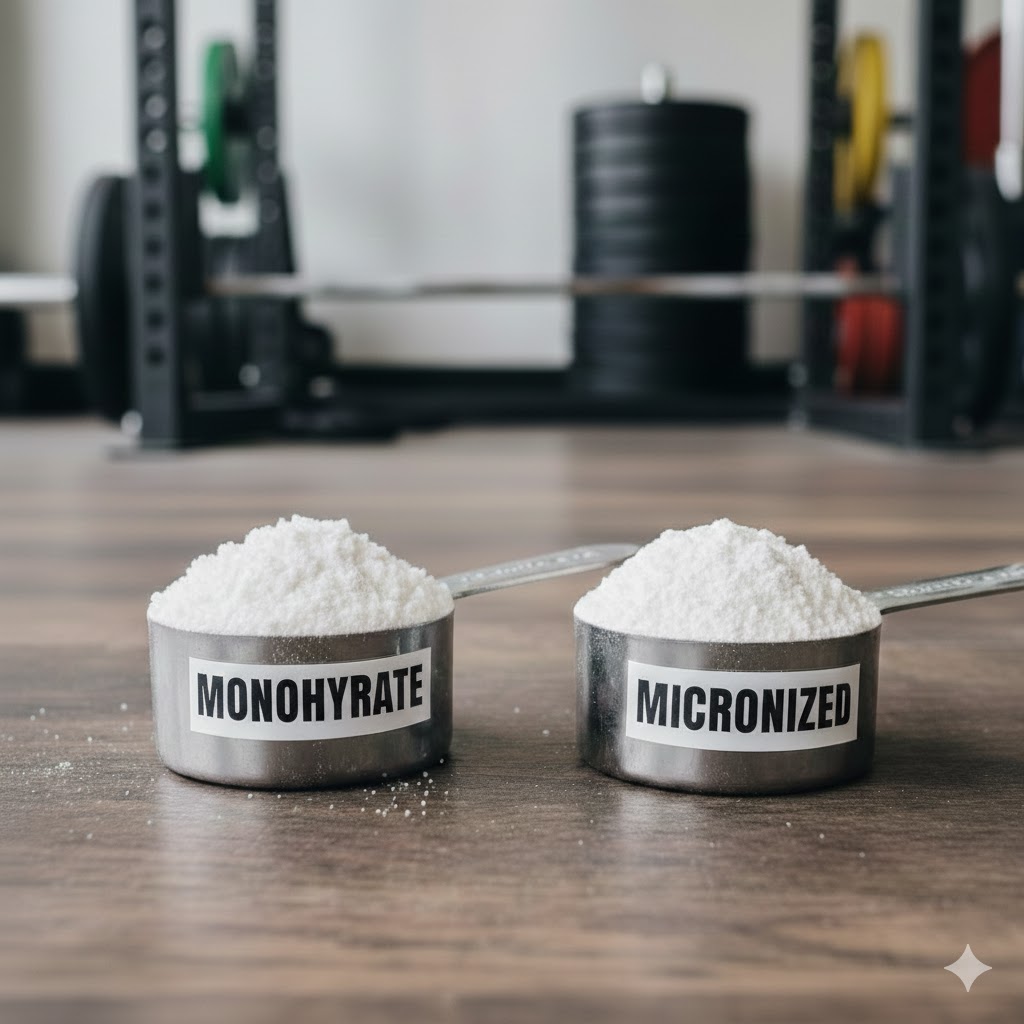
Fact: Creatine monohydrate is still the best-studied, most effective, and most cost-efficient form. Premium or “pH-buffered” creatines offer little to no proven advantage for the average user.[2][1][5]
Monohydrate vs. other forms—what’s best?
Experience Real Creatine Benefits
Now that you know the facts, try Creatine Ultimate CRN-5—scientifically proven, third-party tested, and free from the myths.
Try Science-Backed Creatine
Frequently Asked Questions (FAQs)
1. Can creatine help with focus and brain health?
Yes – emerging evidence shows creatine’s role in supporting cognitive performance, especially under stress or sleep deprivation. Read More
2. Does creatine interact with other supplements or medications?
Creatine is safe with most supplements. If taking prescription medicines or managing chronic illness, talk to your healthcare provider. Read More
3. What’s the ideal creatine dosage for most users?
3–5g a day of creatine monohydrate, taken any time, is effective for the majority of people. Read More
4. Are there side effects to watch out for?
Most users tolerate creatine well. Minor bloating or GI discomfort may occur at higher doses or with lower-quality products.Read More
5. Is creatine vegan or vegetarian friendly?
Pure creatine monohydrate is synthetically produced (not animal-based) and suitable for vegan and vegetarian diets.Read More
6. Should women or older adults use creatine differently?
No, the standard dose is effective; women and older adults have seen unique health benefits in studies.Read More
7. What should I look for in a safe creatine supplement?
Look for products with third-party testing, clear labeling, and creatine monohydrate from reputable brands.Read More
8. Can creatine be taken long-term?
Yes – there is strong evidence for safety over years of consistent use in healthy individuals.Read More
9. Why do some people say creatine didn’t work for them?
Response varies based on diet, genetic factors, and training plan. Vegetarians or those with lower baseline creatine often notice more dramatic effects.Read More
10. How soon will I notice results?
Some users feel improved performance in 1–2 weeks; full benefits build over a month or more with consistent training and use.Read More
Related Articles
- Is Creatine Safe? Busting Myths and Facts
- Common Side Effects of Creatine: What You Need to Know
- Creatine Supplementation: Benefits and Risks
- How to Take Creatine: Loading, Cycling & Maintenance
Ready to see real benefits from creatine?
- Compare the best creatine supplements for your needs
- See our Complete Guide to safe, effective usage
- Explore the science behind creatine for mind and body
Experience Real Creatine Benefits
Now that you know the facts, try Creatine Ultimate CRN-5—scientifically proven, third-party tested, and free from the myths.
Try Science-Backed Creatine

Medically Reviewed for Accuracy
This content has been reviewed for accuracy and clarity by The Health Knowledge Base Medical Review Team, using current research and evidence-based health guidance.
Our review process helps ensure that information related to health, wellness, nutrition, lifestyle strategies, and natural support topics reflects current scientific understanding and responsible editorial standards.
Written by The Health Knowledge Base Editorial Team
Our editorial team consists of health researchers, wellness writers, and content specialists focused on creating clear, practical, and research-informed health content.
We publish educational articles designed to help readers better understand health topics, explore natural wellness strategies, and make more informed lifestyle decisions with confidence.
Affiliate Transparency, Medical Disclaimer & Safety Notice
At The Health Knowledge Base, we take pride in being a trusted resource and affiliate partner with select, high-quality companies. We choose these partnerships carefully because we genuinely believe their products, services, and educational resources align with the values and mission of our website.
When you purchase through certain links on this site, we may receive a small commission or compensation. This helps support our research, content creation, and ongoing work at no additional cost to you. Your price remains exactly the same.
Medical Disclaimer
The information provided by The Health Knowledge Base is for general informational and educational purposes only and is not a substitute for professional medical advice, diagnosis, or treatment.
Always seek the advice of your physician, doctor, or another qualified healthcare provider with any questions you may have regarding a medical condition, symptoms, treatment options, diet changes, exercise programs, or supplements.
Never disregard professional medical advice or delay in seeking it because of something you have read on this website.
Critical Safety Notice
Before making any changes to your diet, starting a new fitness or wellness routine, or taking any supplements mentioned on this site, you should consult with your doctor, physician, or another qualified healthcare professional. Reliance on any information provided by The Health Knowledge Base is solely at your own risk.
View our Affiliate Disclosure → | View our Medical Disclaimer →