
Stay Informed With Trusted Health Insights
Join 5,000+ readers who receive evidence-informed health articles, wellness tips, supplement reviews, and practical health guides delivered straight to their inbox.
Get Free Health UpdatesNo spam. Just helpful health education, updates, and resources.
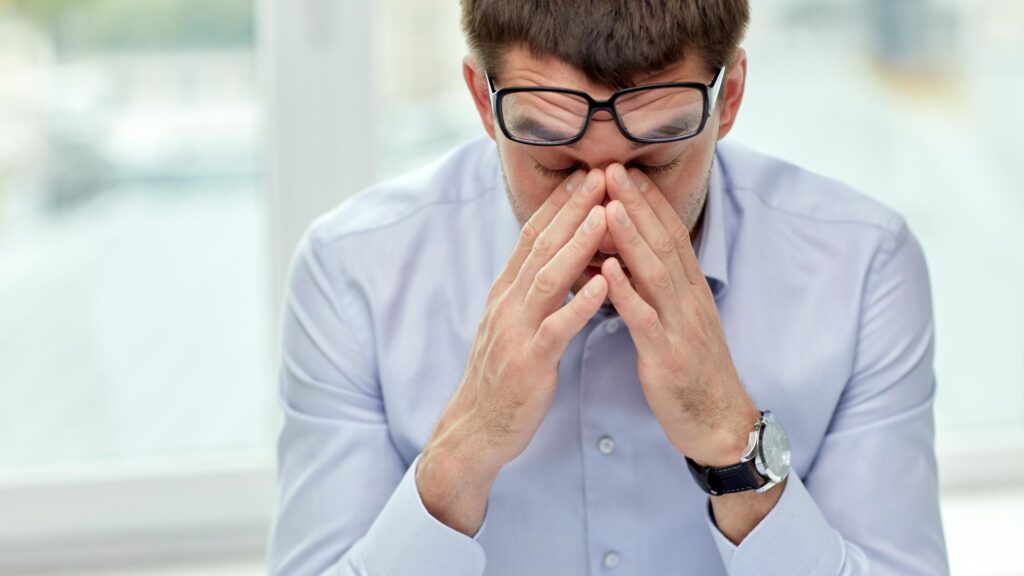
Stress is a normal response of the body to the challenges of life. While some amount of stress can be motivating, chronic stress can have negative effects on our overall health. The modern lifestyle with its busy schedules, long working hours, and increased expectations has made stress a common phenomenon. Chronic stress can lead to mental health disorders, such as anxiety and depression, as well as physical health problems, such as heart disease and obesity. In this blog post, we will discuss the role of stress in overall health and effective ways to manage stress.
Table of Contents
- The role of stress in overall health
- Physical effects of stress
- Mental effects of stress
- Effective ways to manage stress
- Conclusion.
- Important Notice To Readers
- Related Articles
- Q&A
The Role of Stress in Overall Health
Stress is a natural response of the body to a perceived threat. It triggers the release of hormones, such as cortisol and adrenaline, which help us respond to the situation. However, chronic stress can have negative effects on our overall health. It can lead to high blood pressure, heart disease, and obesity. It can also weaken our immune system, making us more susceptible to infections.
Physical Effects of Stress
Chronic stress can have a detrimental effect on our physical health. It can lead to headaches, muscle tension, and fatigue. It can also cause gastrointestinal problems, such as irritable bowel syndrome (IBS) and acid reflux. Stress can also lead to chronic pain conditions, such as fibromyalgia and chronic fatigue syndrome.
Mental Effects of Stress
Chronic stress can also have a negative impact on our mental health. It can lead to anxiety and depression. It can also cause insomnia, which can further exacerbate mental health problems. Chronic stress can also affect cognitive functions, such as memory, concentration, and decision-making.
Effective Ways to Manage Stress
There are several effective ways to manage stress. These include:
- Exercise: Regular physical activity can help reduce stress and improve overall health.
- Relaxation techniques: Meditation, deep breathing, and yoga can help reduce stress and promote relaxation.
- Time management: Prioritizing tasks, delegating responsibilities, and scheduling breaks can help manage stress levels.
- Social support: Talking to friends and family, and seeking support from mental health professionals can help manage stress and prevent mental health problems.
- Healthy lifestyle choices: Eating a healthy diet, getting enough sleep, and avoiding substance abuse can help manage stress and improve overall health.
- Hobbies and leisure activities: Engaging in hobbies and leisure activities, such as reading, gardening, or playing music, can help reduce stress and promote relaxation.
Conclusion
Stress is a natural response of the body to the challenges of life. However, chronic stress can have negative effects on our overall health. It can lead to physical health problems, such as heart disease and obesity, as well as mental health problems, such as anxiety and depression. Effective ways to manage stress include exercise, relaxation techniques, time management, social support, healthy lifestyle choices, and engaging in hobbies and leisure activities. By managing stress effectively, we can improve our overall health and well-being.
FAQs
What are the common physical effects of stress?
Chronic stress can lead to headaches, muscle tension, fatigue, gastrointestinal problems, and chronic pain conditions such as fibromyalgia.
Can stress affect my mental health?
Yes, chronic stress can lead to mental health problems such as anxiety and depression, and can also affect cognitive functions such as memory and decision-making.
How can exercise help manage stress?
Regular physical activity can help reduce stress and promote relaxation, as well as improve overall physical health.
What are some relaxation techniques that can help manage stress?
Meditation, deep breathing exercises, and yoga can help reduce stress and promote relaxation.
Can time management help manage stress?
Yes, prioritizing tasks, delegating responsibilities, and scheduling breaks can help manage stress levels.
Can social support help manage stress?
Yes, talking to friends and family, and seeking support from mental health professionals can help manage stress and prevent mental health problems.
How can a healthy lifestyle help manage stress?
Eating a healthy diet, getting enough sleep, and avoiding substance abuse can help manage stress and improve overall health.
Are there any hobbies or leisure activities that can help manage stress?
Engaging in hobbies and leisure activities, such as reading, gardening, or playing music, can help reduce stress and promote relaxation.
Can stress affect my immune system?
Yes, chronic stress can weaken the immune system, making us more susceptible to infections.
Is it possible to eliminate stress completely?
No, stress is a normal part of life. However, effective stress management techniques can help reduce stress levels and prevent negative effects on our overall health.

Medically Reviewed for Accuracy
This content has been reviewed for accuracy and clarity by The Health Knowledge Base Medical Review Team, using current research and evidence-based health guidance.
Our review process helps ensure that information related to health, wellness, nutrition, lifestyle strategies, and natural support topics reflects current scientific understanding and responsible editorial standards.
Written by The Health Knowledge Base Editorial Team
Our editorial team consists of health researchers, wellness writers, and content specialists focused on creating clear, practical, and research-informed health content.
We publish educational articles designed to help readers better understand health topics, explore natural wellness strategies, and make more informed lifestyle decisions with confidence.
Affiliate Transparency, Medical Disclaimer & Safety Notice
At The Health Knowledge Base, we take pride in being a trusted resource and affiliate partner with select, high-quality companies. We choose these partnerships carefully because we genuinely believe their products, services, and educational resources align with the values and mission of our website.
When you purchase through certain links on this site, we may receive a small commission or compensation. This helps support our research, content creation, and ongoing work at no additional cost to you. Your price remains exactly the same.
Medical Disclaimer
The information provided by The Health Knowledge Base is for general informational and educational purposes only and is not a substitute for professional medical advice, diagnosis, or treatment.
Always seek the advice of your physician, doctor, or another qualified healthcare provider with any questions you may have regarding a medical condition, symptoms, treatment options, diet changes, exercise programs, or supplements.
Never disregard professional medical advice or delay in seeking it because of something you have read on this website.
Critical Safety Notice
Before making any changes to your diet, starting a new fitness or wellness routine, or taking any supplements mentioned on this site, you should consult with your doctor, physician, or another qualified healthcare professional. Reliance on any information provided by The Health Knowledge Base is solely at your own risk.
View our Affiliate Disclosure → | View our Medical Disclaimer →