
Stay Informed With Trusted Health Insights
Join 5,000+ readers who receive evidence-informed health articles, wellness tips, supplement reviews, and practical health guides delivered straight to their inbox.
Get Free Health UpdatesNo spam. Just helpful health education, updates, and resources.
Struggling to catch your breath? You’re not alone. Whether you’re managing a respiratory condition like COPD or asthma, recovering from smoking, or simply looking to improve your athletic performance, targeted breathing exercises can be a game-changer.
This evidence-based guide will walk you through the most effective techniques to strengthen your respiratory muscles and increase your lung capacity, helping you breathe easier and live more fully.
Why Breathing Exercises Work
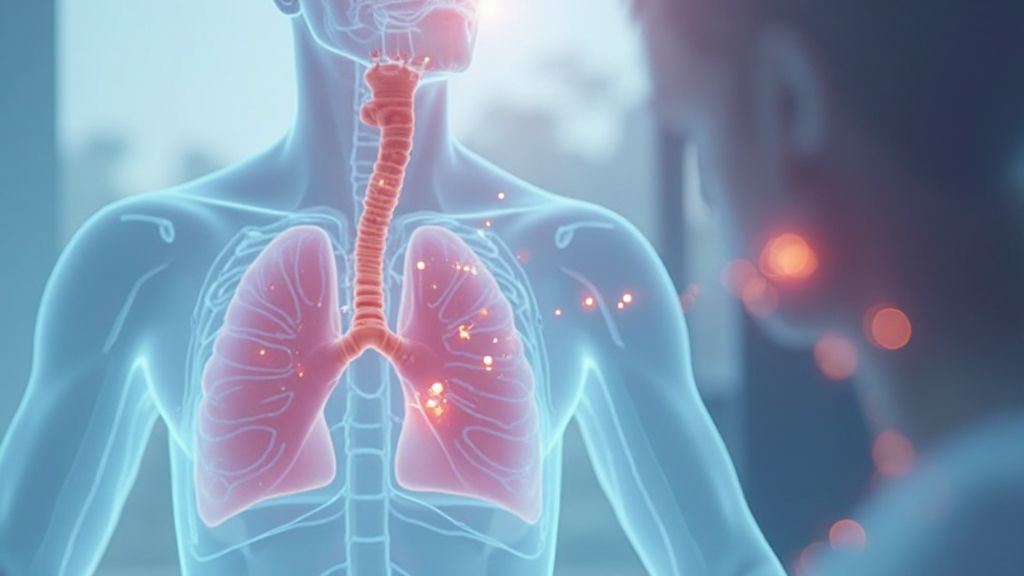
Your lungs are surrounded by muscles—primarily the diaphragm—that do the work of breathing. Like any other muscle, these can be trained and strengthened. Regular practice of breathing exercises can:
- Improve Oxygen Exchange: Maximize the efficiency of each breath.
- Strengthen the Diaphragm: Reduce the work of breathing.
- Clear Mucus: Help expel stale air and secretions from the lungs.
- Reduce Stress and Anxiety: Activate the body’s relaxation response.
These exercises are a powerful, drug-free component of natural lung detox and support.
The 5 Best Breathing Exercises for Stronger Lungs
1. Diaphragmatic Breathing (Belly Breathing)
This is the foundation of all breathing exercises, teaching you to engage your diaphragm properly.
How to do it:
- Sit comfortably or lie on your back with knees bent.
- Place one hand on your chest and the other on your belly.
- Breathe in slowly through your nose for 2-3 seconds, feeling your belly rise. The hand on your chest should remain still.
- Purse your lips and exhale slowly for 4-6 seconds, feeling your belly fall. Gently use your abdominal muscles to push all the air out.
- Repeat for 5-10 minutes, 2-3 times daily.
Best for: Beginners, stress reduction, and strengthening the core breathing muscle.
2. Pursed-Lip Breathing
This simple technique keeps your airways open longer, making each exhale more effective.
How to do it:
- Inhale slowly through your nose for two counts.
- Pucker your lips as if you were about to whistle.
- Exhale slowly and gently through your pursed lips for twice as long (four counts).
- Focus on making the exhale passive and relaxed.
Best for: Managing shortness of breath during physical activity or COPD flare-ups.
3. Box Breathing (Four-Square Breathing)
A powerful technique used by athletes and Navy SEALs to enhance focus and lung control.
How to do it:
- Sit upright and exhale all the air from your lungs.
- Inhale slowly through your nose for a count of 4.
- Hold your breath for a count of 4.
- Exhale slowly through your mouth for a count of 4.
- Hold your breath with empty lungs for a count of 4.
- Repeat the cycle for 5-10 rounds.
Best for: Improving focus, lung control, and managing anxiety.
4. The 4-7-8 Breathing Technique (Relaxing Breath)
Developed by Dr. Andrew Weil, this technique is a natural tranquilizer for the nervous system.
How to do it:
- Place the tip of your tongue against the ridge behind your upper front teeth.
- Exhale completely through your mouth, making a “whoosh” sound.
- Close your mouth and inhale quietly through your nose for a count of 4.
- Hold your breath for a count of 7.
- Exhale completely through your mouth, making a “whoosh” sound for a count of 8.
- This is one breath. Now repeat the cycle three more times for a total of four breaths.
Best for: Falling asleep, calming panic attacks, and reducing stress.
5. Interval Breathing for Athletes
Push your lung capacity to the next level with high-intensity intervals.
How to do it (during a walk or jog):
- Walk at a normal pace for 1 minute while breathing comfortably.
- Then, speed walk or jog for 1 minute while focusing on deep, forceful breaths.
- Return to your normal pace for 1 minute, practicing pursed-lip breathing to recover.
- Alternate for 10-20 minutes.
Best for: Runners, swimmers, and cyclists looking to improve performance and VO2 max.
Creating Your Daily Breathing Routine
Consistency is key. Here’s a simple 5-minute daily plan:
- Minute 1-2: Diaphragmatic Breathing (10-12 breaths)
- Minute 2-4: Pursed-Lip Breathing (10-12 breaths)
- Minute 4-5: Box Breathing (3-4 cycles)
For best results, pair your breathing routine with a holistic approach to lung health, including a lung-healthy diet and considering targeted support from the best lung health supplements.
✅ FAQ Section
1. How quickly can I increase my lung capacity with breathing exercises?
Most people notice improved breathing ease and reduced shortness of breath within 2-3 weeks of consistent daily practice. Significant increases in measurable lung capacity can take 3-6 months.
2. What is the single best exercise for COPD patients?
Pursed-lip breathing is often considered the most immediately beneficial for managing shortness of breath. For long-term strength, diaphragmatic breathing is essential. Always consult your doctor before starting a new regimen.
3. Can breathing exercises help if I’m a former smoker?
Absolutely. Breathing exercises can help retrain your respiratory muscles, improve oxygen exchange, and aid in clearing residual tar and mucus from the lungs, supporting your body’s recovery after you’ve quit smoking.
4. How many times a day should I do these exercises?
Aim for two sessions per day, each lasting 5-10 minutes. You can also use techniques like pursed-lip breathing “on the go” whenever you feel short of breath.
5. Are there any risks or side effects?
These exercises are very safe for most people. The most common “side effect” is lightheadedness from breathing too deeply too quickly. If this happens, simply return to normal breathing.
6. Can breathing exercises replace my inhaler?
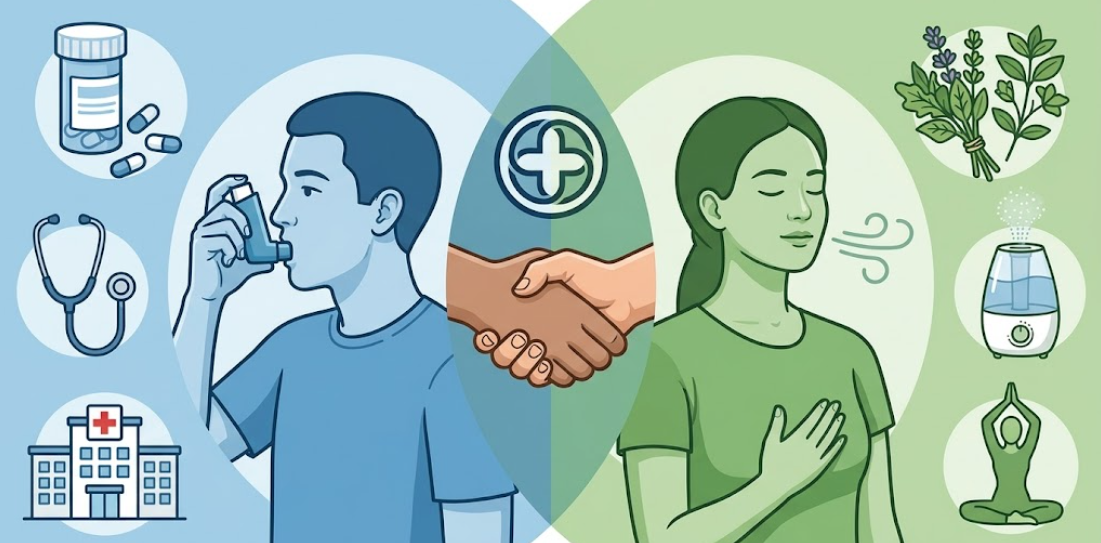
No. Breathing exercises are a complementary therapy to help manage symptoms and improve function. They are not a replacement for prescribed medications like inhalers. Please follow your doctor’s orders.
7. What’s the difference between lung capacity and lung function?
Lung capacity refers to the maximum amount of air your lungs can hold. Lung function is how well your lungs deliver oxygen to your blood and remove carbon dioxide. These exercises improve both.
8. I feel dizzy when I do deep breathing. What am I doing wrong?
This is usually a sign of hyperventilation. You are likely breathing too quickly or too forcefully. Slow down your pace, especially on the exhale, and ensure your breaths are gentle and controlled.
9. Can these exercises help with anxiety?
Yes, profoundly. Techniques like the 4-7-8 method and box breathing activate the parasympathetic nervous system, which counteracts the “fight or flight” stress response.
10. Should I do these exercises before or after a meal?
It’s best to wait at least 1-2 hours after a large meal, as a full stomach can restrict the diaphragm’s movement and make deep breathing uncomfortable.

Support Your Breathing Journey
Pair these exercises with Breathe Drops – the natural lung supplement with mullein, oregano & thyme to help cleanse and strengthen your respiratory system.
Try Breathe Drops Now →
Medically Reviewed for Accuracy
This content has been reviewed for accuracy and clarity by The Health Knowledge Base Medical Review Team, using current research and evidence-based health guidance.
Our review process helps ensure that information related to health, wellness, nutrition, lifestyle strategies, and natural support topics reflects current scientific understanding and responsible editorial standards.
Written by The Health Knowledge Base Editorial Team
Our editorial team consists of health researchers, wellness writers, and content specialists focused on creating clear, practical, and research-informed health content.
We publish educational articles designed to help readers better understand health topics, explore natural wellness strategies, and make more informed lifestyle decisions with confidence.
Affiliate Transparency, Medical Disclaimer & Safety Notice
At The Health Knowledge Base, we take pride in being a trusted resource and affiliate partner with select, high-quality companies. We choose these partnerships carefully because we genuinely believe their products, services, and educational resources align with the values and mission of our website.
When you purchase through certain links on this site, we may receive a small commission or compensation. This helps support our research, content creation, and ongoing work at no additional cost to you. Your price remains exactly the same.
Medical Disclaimer
The information provided by The Health Knowledge Base is for general informational and educational purposes only and is not a substitute for professional medical advice, diagnosis, or treatment.
Always seek the advice of your physician, doctor, or another qualified healthcare provider with any questions you may have regarding a medical condition, symptoms, treatment options, diet changes, exercise programs, or supplements.
Never disregard professional medical advice or delay in seeking it because of something you have read on this website.
Critical Safety Notice
Before making any changes to your diet, starting a new fitness or wellness routine, or taking any supplements mentioned on this site, you should consult with your doctor, physician, or another qualified healthcare professional. Reliance on any information provided by The Health Knowledge Base is solely at your own risk.
View our Affiliate Disclosure → | View our Medical Disclaimer →