Stay Informed With Trusted Health Insights
Join 5,000+ readers who receive evidence-informed health articles, wellness tips, supplement reviews, and practical health guides delivered straight to their inbox.
Get Free Health UpdatesNo spam. Just helpful health education, updates, and resources.
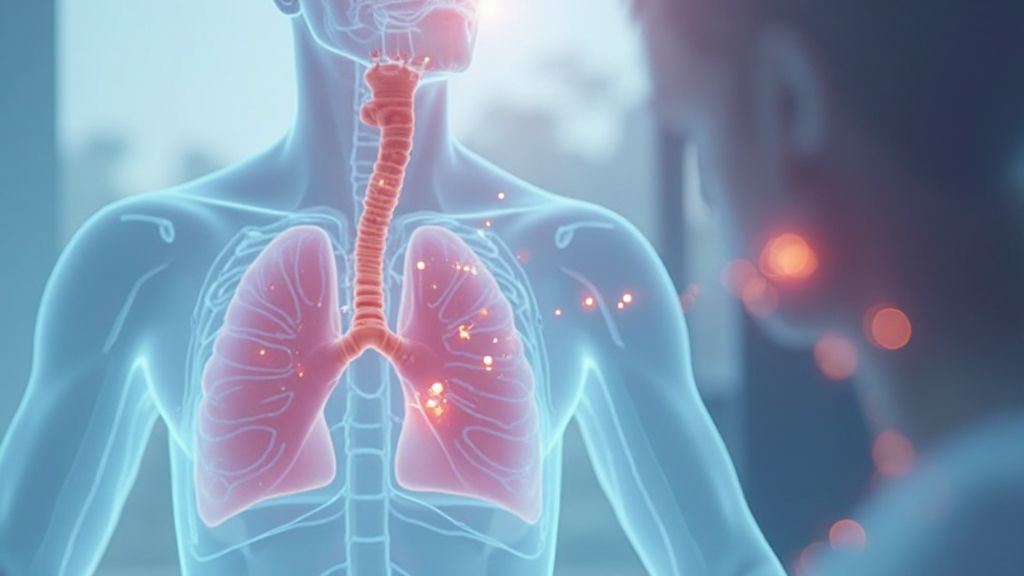
We often think about detoxing our bodies, but what about our lungs? As our primary respiratory organs, they are constantly exposed to environmental pollutants, allergens, and irritants. While practices like deep breathing are crucial, the food we eat plays a fundamental role in supporting our lungs’ natural cleansing processes and reducing inflammation.
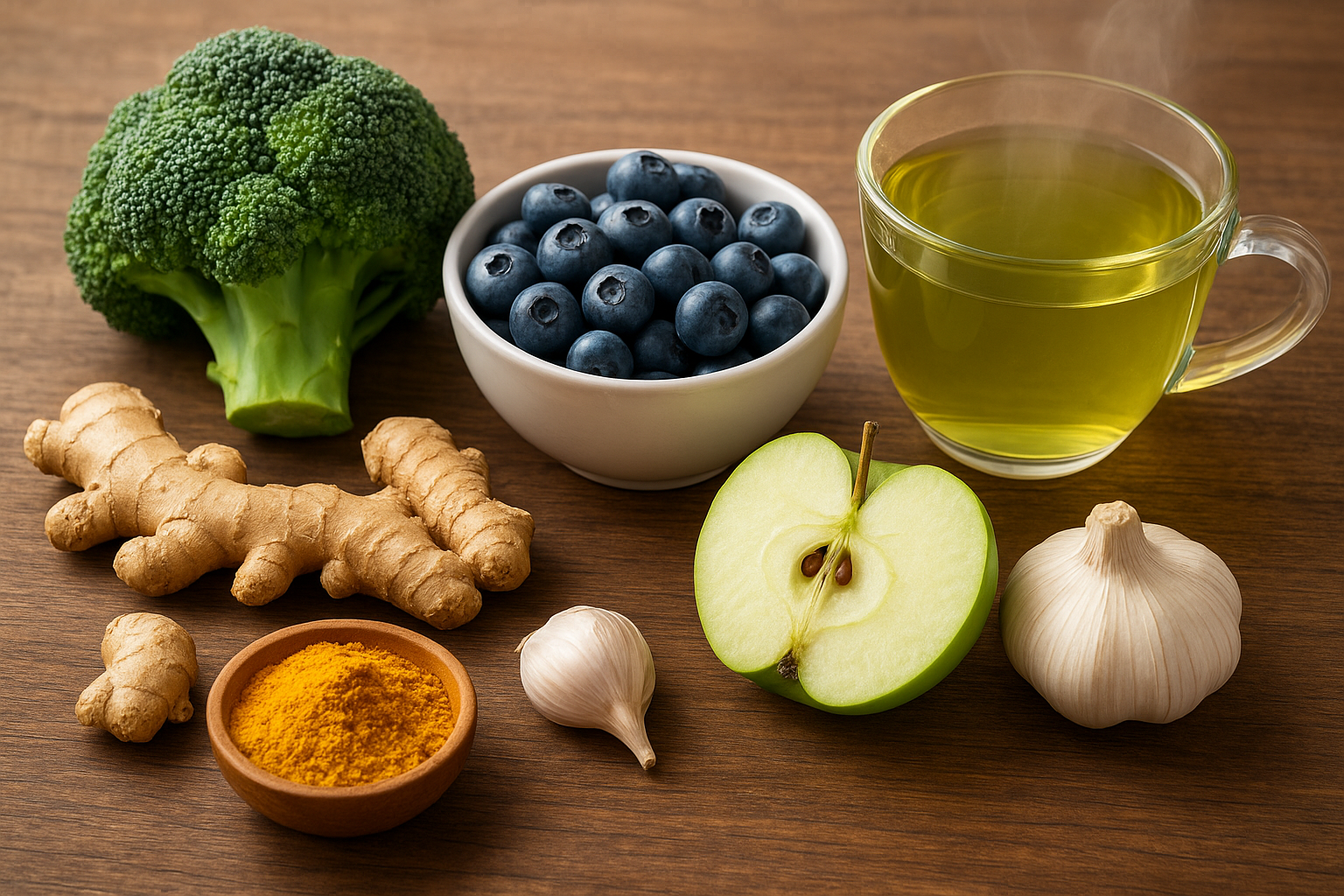
This guide explores seven powerful, science-backed foods you can add to your diet to help cleanse your lungs, improve respiratory function, and protect your long-term breathing health.
For a complete guide on supporting your respiratory system, see our article on How to Detox Your Lungs Naturally
1. Cruciferous Vegetables: The Detox Powerhouses
Examples: Broccoli, Cauliflower, Brussels Sprouts, Kale
Why They Help: These vegetables are rich in glucosinolates, which are natural compounds that help activate and support the body’s detoxification enzymes. They are also packed with antioxidants, like Vitamin C, which protect lung cells from damage.
The Science: A study published in the European Respiratory Journal found that higher intake of cruciferous vegetables was associated with a significantly lower risk of lung cancer, particularly in former smokers.
How to Eat Them: Enjoy them steamed, roasted, or raw in a salad. Try a broccoli and kale slaw for a crunchy, lung-supporting side dish.
2. Berries: The Antioxidant Army
Examples: Blueberries, Strawberries, Raspberries, Goji Berries
Why They Help: Berries are loaded with anthocyanins, the flavonoids that give them their vibrant color. These compounds have potent antioxidant and anti-inflammatory effects, which can help shield lung tissue from oxidative stress caused by pollution and smoke.
The Science: Research has shown that a high intake of flavonoids, particularly from berries, is linked to a slower rate of lung function decline as we age.
How to Eat Them: Add a handful to your morning yogurt or oatmeal, blend them into a smoothie, or simply enjoy them as a fresh snack.
3. Turmeric: The Golden Anti-Inflammatory
Why It Helps: The active compound in turmeric, curcumin, is one of nature’s most powerful anti-inflammatory agents. Chronic inflammation in the airways is a key issue in conditions like asthma and COPD, and curcumin can help combat this.
The Science: A study in the journal Advances in Experimental Medicine and Biology highlighted curcumin’s potential role in mitigating lung injury and fibrosis through its anti-inflammatory and antioxidant properties.
How to Eat It: Turmeric is poorly absorbed on its own. Combine it with black pepper (which contains piperine) and a healthy fat (like coconut oil) to boost absorption. Add it to curries, soups, or a golden milk latte.
4. Ginger: The Natural Decongestant
Why It Helps: Ginger has natural anti-inflammatory properties and may help break down and expel mucus from the lungs, making it easier to breathe. It’s also a well-known remedy for soothing sore throats and reducing coughs.
The Science: Its bioactive compound, gingerol, has been studied for its potential to relax airway smooth muscle, which could help in managing asthma symptoms.
How to Eat It: Grate fresh ginger into stir-fries and soups, brew it into a tea, or use it in salad dressings.
5. Garlic: The Immune Booster
Why It Helps: Garlic contains allicin, a compound with strong anti-inflammatory and antimicrobial properties. It can help fight infections and reduce inflammation in the respiratory tract, potentially protecting against colds and other illnesses that affect the lungs.
The Science: A study from the Journal of Cancer Research found that consuming raw garlic was associated with a lower risk of lung cancer, suggesting a protective effect.
How to Eat It: Crushing or chopping raw garlic and letting it sit for 10 minutes before heating activates the beneficial allicin. Add it to sauces, dips, or dressings.
6. Apples: The Lung Function Fruit
Why They Help: “An apple a day keeps the doctor away” might be true for your lungs. Apples are rich in quercetin, an antioxidant flavonoid that has been shown to reduce lung decline and protect against the damaging effects of cigarette smoke and air pollution.
The Science: Research published in Thorax found that people who ate five or more apples per week had better lung function than those who didn’t.
How to Eat Them: Enjoy them raw with the skin on (where much of the fiber and antioxidants reside), or add slices to a sandwich for a sweet crunch.
7. Green Tea: The Soothing Elixir
Why It Helps: Green tea is packed with epigallocatechin gallate (EGCG), a catechin with powerful antioxidant and anti-inflammatory properties. It has been studied for its ability to suppress fibrosis (scarring) in lung tissues and soothe inflamed airways.
The Science: A Korean study found that drinking just two cups of green tea per day was associated with a lower prevalence of COPD.
How to Eat It: Steep a cup of green tea in the morning or afternoon. Avoid adding milk, as it can bind to and reduce the absorption of the beneficial catechins.
Frequently Asked Questions (FAQs)
Q: Can food really clean your lungs?
A: While food doesn’t “clean” lungs like a vacuum, a diet rich in anti-inflammatory and antioxidant foods can significantly support your lungs’ natural self-cleaning mechanisms, reduce mucus, combat oxidative stress, and protect against damage, leading to improved respiratory health.
Q: How long does it take to see improvements in lung health from diet?
A: Dietary changes are a long-term strategy. You may feel some benefits, like reduced phlegm, within a few weeks. However, significant improvements in lung function and long-term protection build over months and years of consistent healthy eating.
Q: What is the worst food for your lungs?
A: Processed foods, sugary drinks, and excessive alcohol can promote inflammation throughout the body, including the lungs. For some individuals, dairy can thicken mucus, making it feel harder to clear.
Q: Should I change my diet if I’m a smoker or have quit smoking?
A: Absolutely. Smokers and former smokers have higher levels of oxidative stress. Adopting a lung-healthy diet is one of the most impactful ways to support your body’s repair processes and protect against further damage. For a comprehensive plan, see our guide on Quitting Smoking: Strategies & Motivation.
Q: Can these foods help with conditions like asthma or COPD?
A: Yes, many of these foods can provide supportive benefits. Anti-inflammatory foods like turmeric and berries may help reduce airway inflammation in asthma, while antioxidant-rich foods can protect lung tissue in COPD. However, they should complement – not replace – prescribed medical treatments.
Q: How do these foods compare to lung health supplements?
A: Whole foods provide nutrients in their natural form with additional fiber and phytonutrients that supplements may lack. Foods work gradually to support overall health, while supplements like Breathe Drops offer more concentrated, targeted support. They work best together for comprehensive lung care.
Q: Are organic versions of these foods necessary for lung health?
A: While organic options reduce pesticide exposure, conventional versions of these foods still provide significant lung health benefits. The most important factor is consistently including these foods in your diet, regardless of whether they’re organic or conventional.
Q: Can I get the same benefits from cooked vs. raw versions of these foods?
A: Some nutrients are better preserved raw (like vitamin C in peppers), while others become more bioavailable when cooked (like lycopene in tomatoes). A mix of both raw and cooked preparations ensures you get the full spectrum of lung-protective compounds.
Q: How much of these foods should I eat daily for lung health benefits?
A: Aim for at least 5-7 servings of fruits and vegetables daily, including several from our lung-cleansing list. There’s no specific “dose” – consistency matters more than quantity. Even adding 1-2 of these foods regularly can make a difference over time.
Q: Are there any foods that can immediately help with breathing difficulties?
A: While no food provides instant relief like medication, ginger tea or peppermint can offer temporary soothing effects for irritated airways. For immediate breathing issues, always use prescribed rescue medications and consult your healthcare provider.
Q: Can children benefit from these lung-cleansing foods too?
A: Absolutely! These foods support respiratory health at any age. For children, focus on making them appealing – try berry smoothies, roasted sweet potato fries, or adding spinach to pasta sauces. Early adoption of lung-healthy eating habits provides lifelong benefits.
Q: What if I have food allergies to some of these recommendations?
A: Focus on the foods you can eat from the list rather than what you can’t. Each food offers unique benefits, so incorporating any combination will still support lung health. For example, if allergic to berries, emphasize cruciferous vegetables and apples instead.
User Testimonial Box A Real-Life Shift
“After years of a persistent ‘smoker’s cough’ even though I’d quit, I started focusing on my diet. Adding a daily green smoothie with berries and ginger, along with more garlic and broccoli, made a noticeable difference. Within a month, my morning cough was significantly reduced. It felt like I was finally giving my lungs the tools they needed to heal.”
Conclusion
Making strategic choices about the food you eat is a powerful, proactive step toward better lung health. By incorporating these seven foods into your regular diet, you can help reduce inflammation, fight oxidative stress, and support your body’s natural ability to keep your respiratory system clear and healthy.
For more ways to support your lungs beyond diet, explore our science-backed methods in the full guide: How to Detox Your Lungs Naturally: 7 Science-Backed Methods.
Click on Image above to Learn More

Medically Reviewed for Accuracy
This content has been reviewed for accuracy and clarity by The Health Knowledge Base Medical Review Team, using current research and evidence-based health guidance.
Our review process helps ensure that information related to health, wellness, nutrition, lifestyle strategies, and natural support topics reflects current scientific understanding and responsible editorial standards.
Written by The Health Knowledge Base Editorial Team
Our editorial team consists of health researchers, wellness writers, and content specialists focused on creating clear, practical, and research-informed health content.
We publish educational articles designed to help readers better understand health topics, explore natural wellness strategies, and make more informed lifestyle decisions with confidence.
Affiliate Transparency, Medical Disclaimer & Safety Notice
At The Health Knowledge Base, we take pride in being a trusted resource and affiliate partner with select, high-quality companies. We choose these partnerships carefully because we genuinely believe their products, services, and educational resources align with the values and mission of our website.
When you purchase through certain links on this site, we may receive a small commission or compensation. This helps support our research, content creation, and ongoing work at no additional cost to you. Your price remains exactly the same.
Medical Disclaimer
The information provided by The Health Knowledge Base is for general informational and educational purposes only and is not a substitute for professional medical advice, diagnosis, or treatment.
Always seek the advice of your physician, doctor, or another qualified healthcare provider with any questions you may have regarding a medical condition, symptoms, treatment options, diet changes, exercise programs, or supplements.
Never disregard professional medical advice or delay in seeking it because of something you have read on this website.
Critical Safety Notice
Before making any changes to your diet, starting a new fitness or wellness routine, or taking any supplements mentioned on this site, you should consult with your doctor, physician, or another qualified healthcare professional. Reliance on any information provided by The Health Knowledge Base is solely at your own risk.
View our Affiliate Disclosure → | View our Medical Disclaimer →