
Stay Informed With Trusted Health Insights
Join 5,000+ readers who receive evidence-informed health articles, wellness tips, supplement reviews, and practical health guides delivered straight to their inbox.
Get Free Health UpdatesNo spam. Just helpful health education, updates, and resources.
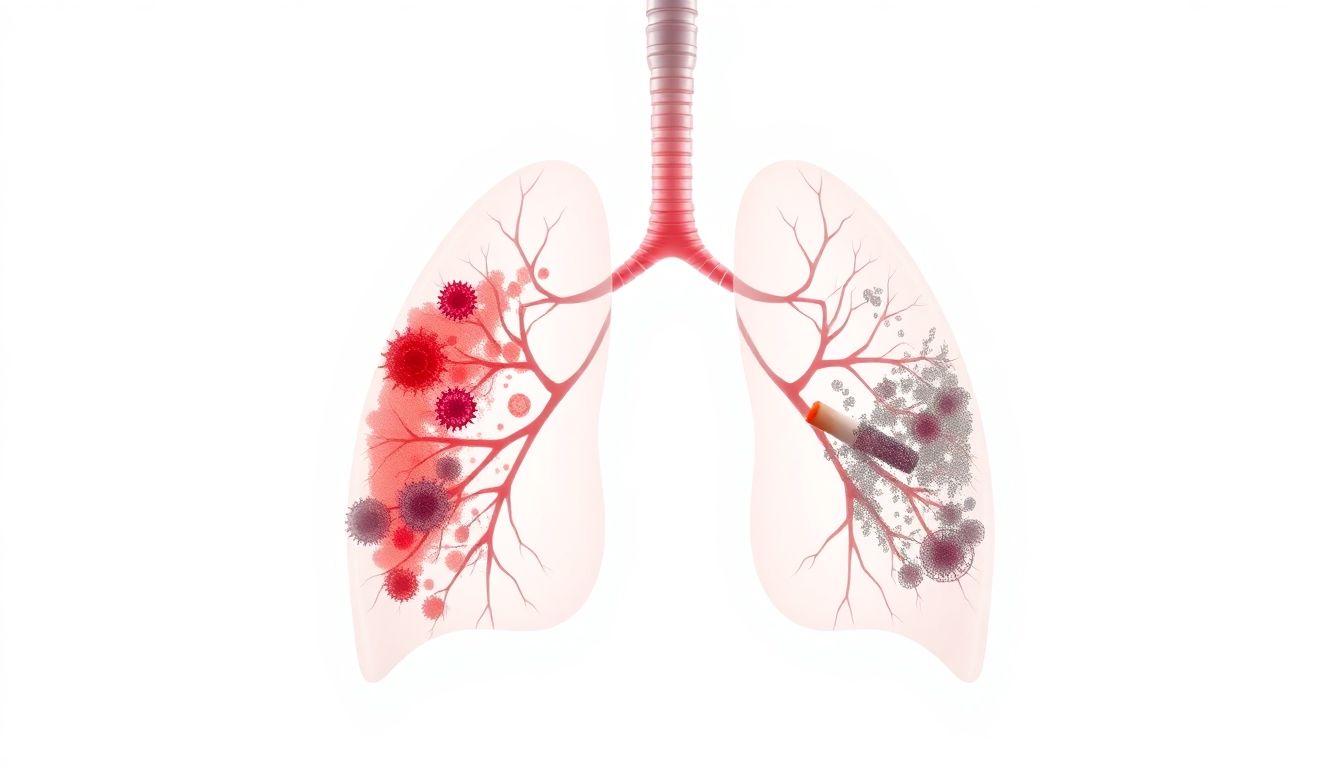
The debate has raged for years: is vaping actually safer than smoking, or is it just a different path to the same destination—lung damage? As 2026 research accumulates, we now have clearer answers about how these two nicotine delivery methods compare in terms of respiratory harm.
This evidence-based analysis breaks down the similarities, differences, and unique risks of both smoking and vaping to help you make informed decisions about your lung health.
The Short Answer: It’s Complicated
Both smoking and vaping damage lungs, but in different ways. Smoking has a longer track record of proven, severe health consequences, while vaping presents unique, emerging risks that are still being understood.
“Comparing smoking and vaping is like comparing two different types of car crashes,” explains Dr. Marcus Rodriguez, a tobacco researcher. “We know exactly what happens in one, while we’re still discovering the full impact of the other. Neither is safe, but they’re dangerous in different ways.”
Chemical Exposure: What You’re Actually Inhaling
Traditional Cigarettes: The Known Devil
Cigarette smoke contains 7,000+ chemicals, including:
- 70 known carcinogens (tar, benzene, formaldehyde)
- Heavy metals (lead, arsenic, cadmium)
- Carbon monoxide that binds to hemoglobin
- Radioactive compounds (polonium-210)
E-Cigarettes: The Complex Unknown
Vape aerosol contains fewer chemicals overall but introduces unique concerns:
- Ultrafine particles that penetrate deep into lung tissue
- Heavy metals from device components (nickel, tin, lead)
- Flavoring chemicals linked to “popcorn lung” (diacetyl)
- Unknown thermal degradation products from heating elements
Lung Damage Comparison: Side-by-Side Analysis
Cancer Risk
- Smoking: Definitively causes lung, throat, mouth, and esophageal cancers. 85% of lung cancer cases are smoking-related.
- Vaping: No long-term data yet, but contains some known carcinogens. Most experts believe cancer risk is lower than smoking, but not zero.
COPD and Emphysema
- Smoking: Primary cause of COPD and emphysema. Progressive, irreversible damage to air sacs.
- Vaping: Associated with chronic bronchitis symptoms and may accelerate existing COPD, but not yet proven to cause emphysema.
Asthma and Airway Inflammation
- Smoking: Worsens asthma and causes chronic inflammation throughout airways.
- Vaping: Can trigger or worsen asthma, with some studies showing greater bronchial reactivity than smoking.
Unique Conditions
- Smoking: No unique modern conditions—damage is cumulative over decades.
- Vaping: EVALI (severe lung injury syndrome) and specific flavoring-related diseases like “popcorn lung.”
The Youth Factor: Different Generations, Different Risks
Smoking Initiation Patterns
- Traditional smoking typically begins in late teens/early adulthood
- Longer duration of use before significant symptoms appear
- Established cessation methods like those in our quitting smoking guide
Vaping Initiation Patterns
- Often begins in early adolescence
- High-nicotine formulas create rapid addiction
- Dual use with cigarettes is common
- Unknown long-term effects on developing lungs
The Dual Use Dilemma: When You Do Both
Approximately 60% of adult vapers also smoke cigarettes, creating a particularly dangerous combination:
- Compounded oxidative stress from both delivery methods
- Higher nicotine dependence makes cessation more difficult
- Accelerated lung function decline compared to single-product use
If you’re dual using, consider targeted lung support supplements to help mitigate damage while you work toward complete cessation.
Addiction Potential: Which Is Harder to Quit?
Nicotine Delivery Efficiency
- Cigarettes: Deliver nicotine to the brain in ~10 seconds
- Vaping: Modern devices can deliver nicotine even faster with nicotine salt formulas
Cessation Success Rates
- Smoking: Well-established cessation methods with proven success
- Vaping: Emerging evidence suggests vaping may be harder to quit due to higher nicotine concentrations and behavioral patterns
Secondhand Exposure: Risks to Bystanders
Secondhand Smoke
- Proven danger with established cancer and heart disease risks
- Particulate matter persists in environments for hours
- No safe level of exposure according to the CDC
Secondhand Vapor
- Contains nicotine, ultrafine particles, and volatile organic compounds
- Less research but concerning early findings, especially for asthmatics
- Indoor air quality is affected, though less dramatically than smoking
Recovery Potential: Can Your Lungs Heal?
After Quitting Smoking
- Significant improvement in lung function within months
- Cancer risk reduction over 10-15 years
- COPD progression can be slowed but not reversed
- Many find lung health supplements helpful during recovery
After Quitting Vaping
- Early evidence suggests inflammation decreases within weeks
- Unknown long-term recovery potential for unique vaping injuries
- Immune function may recover more completely than with smoking
- Breathing exercises can help retrain respiratory function
The 2026 Expert Consensus
After reviewing the latest evidence, most pulmonologists and public health experts agree:
- Neither is safe for lung health
- Smoking has more proven severe consequences (cancer, COPD)
- Vaping has unique risks that are still emerging (EVALI, immune effects)
- Dual use is particularly dangerous
- Complete abstinence from both is ideal for lung health
Harm Reduction: A Practical Approach
If you’re considering switching from smoking to vaping, or trying to quit entirely:
For Current Smokers:
- Switching to vaping may reduce exposure to many carcinogens
- But complete cessation is always the healthiest option
- Consider lung detox strategies to support recovery
For Current Vapers:
- Don’t assume safety—emerging risks are concerning
- Avoid dual use with cigarettes
- Consider stepping down nicotine levels toward cessation
For Never-Users:
- Don’t start either—both damage lungs
- The “lesser of two evils” argument doesn’t apply if you use neither
✅ FAQ
1. Is vaping 95% safer than smoking, as some reports claim?
This widely-cited statistic from 2015 has been heavily criticized by public health experts. While vaping likely exposes users to fewer carcinogens than smoking, “95% safer” is an oversimplification that doesn’t account for vaping’s unique risks like EVALI and immune system damage.
2. Can vaping lead to smoking?
Yes, multiple studies show that teens who vape are 3-4 times more likely to start smoking cigarettes. This “gateway effect” is one of the biggest public health concerns about vaping.
3. Which causes more immediate lung damage?
Both can cause immediate inflammation, but vaping has been linked to more rapid development of severe lung injury (EVALI) in some cases, while smoking damage typically accumulates over years.
4. Is secondhand vape smoke dangerous?
While less studied than secondhand cigarette smoke, secondhand vape aerosol contains nicotine, ultrafine particles, and volatile organic compounds that can affect bystanders, particularly children and people with respiratory conditions.
5. Can I use vaping to quit smoking?
Some people have successfully used vaping as a smoking cessation tool, but it’s not FDA-approved for this purpose. There are more established, safer methods for quitting smoking that don’t involve continuing nicotine addiction.
6. Which is more addictive: vaping or smoking?
Modern vaping devices with nicotine salts can deliver nicotine more efficiently than cigarettes, potentially making them more addictive, especially for new users. The high nicotine concentrations in some vape products create rapid, strong dependence.
7. Do nicotine-free vapes still damage lungs?
Yes, the damage isn’t just from nicotine. The other chemicals, flavorings, metal particles, and the physical act of heating and inhaling aerosol all contribute to lung damage regardless of nicotine content.
8. How long does it take for smoking damage to appear versus vaping damage?
Smoking damage typically takes years to manifest as serious disease, while some vaping injuries (like EVALI) can appear within months. However, both cause underlying cellular damage from the first use.
9. Are there any circumstances where vaping might be recommended?
Some harm reduction experts suggest vaping might be appropriate for heavy, long-term smokers who have failed with other cessation methods. However, most medical organizations recommend FDA-approved cessation methods first.
10. What’s the bottom line for someone trying to choose?
The healthiest choice is neither. If you currently smoke, explore established cessation methods. If you currently vape, don’t assume it’s safe – consider quitting. If you use neither, don’t start. Your lungs will thank you regardless of which habit you avoid.

Support Your Lungs Regardless of Your Choice
Whether you’re trying to quit smoking, stop vaping, or simply protect your respiratory health, Breathe Drops provide herbal support for lung maintenance and recovery.
Support Lung Health →Still Have Questions? We Have Answers.
Lung health is complex. If you’re wondering “What about…?” or “What’s next for me?”, you’re not alone. Our Resource Hub is built to be your **first stop for trustworthy, in-depth answers** on every aspect of respiratory wellness.
- Condition-Specific Guides (COPD, Asthma, Post-COVID)
- Step-by-Step Detox & Recovery Plans
- Science-Backed Natural & Conventional Strategies

Medically Reviewed for Accuracy
This content has been reviewed for accuracy and clarity by The Health Knowledge Base Medical Review Team, using current research and evidence-based health guidance.
Our review process helps ensure that information related to health, wellness, nutrition, lifestyle strategies, and natural support topics reflects current scientific understanding and responsible editorial standards.
Written by The Health Knowledge Base Editorial Team
Our editorial team consists of health researchers, wellness writers, and content specialists focused on creating clear, practical, and research-informed health content.
We publish educational articles designed to help readers better understand health topics, explore natural wellness strategies, and make more informed lifestyle decisions with confidence.
Affiliate Transparency, Medical Disclaimer & Safety Notice
At The Health Knowledge Base, we take pride in being a trusted resource and affiliate partner with select, high-quality companies. We choose these partnerships carefully because we genuinely believe their products, services, and educational resources align with the values and mission of our website.
When you purchase through certain links on this site, we may receive a small commission or compensation. This helps support our research, content creation, and ongoing work at no additional cost to you. Your price remains exactly the same.
Medical Disclaimer
The information provided by The Health Knowledge Base is for general informational and educational purposes only and is not a substitute for professional medical advice, diagnosis, or treatment.
Always seek the advice of your physician, doctor, or another qualified healthcare provider with any questions you may have regarding a medical condition, symptoms, treatment options, diet changes, exercise programs, or supplements.
Never disregard professional medical advice or delay in seeking it because of something you have read on this website.
Critical Safety Notice
Before making any changes to your diet, starting a new fitness or wellness routine, or taking any supplements mentioned on this site, you should consult with your doctor, physician, or another qualified healthcare professional. Reliance on any information provided by The Health Knowledge Base is solely at your own risk.
View our Affiliate Disclosure → | View our Medical Disclaimer →

I’m really impressed along with your writing skills as smartly as with the format to your blog. Is this a paid subject matter or did you customize it your self? Anyway keep up the excellent quality writing, it’s rare to peer a great weblog like this one these days..