Stay Informed With Trusted Health Insights
Join 5,000+ readers who receive evidence-informed health articles, wellness tips, supplement reviews, and practical health guides delivered straight to their inbox.
Get Free Health UpdatesNo spam. Just helpful health education, updates, and resources.
A Proactive Approach to Prostate Wellness
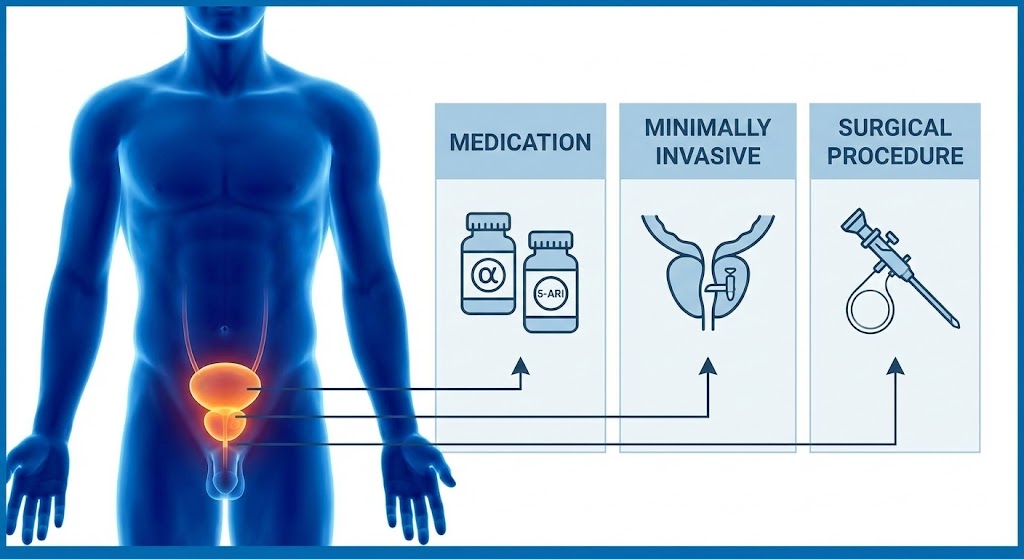
Managing an enlarged prostate (BPH) isn’t just about medications and procedures—it’s about empowering your body’s own health. While medical treatments address the mechanical problem, lifestyle and natural strategies target the underlying inflammation, hormonal balance, and muscle function that influence symptoms.
This hub is your guide to the evidence-based world of holistic prostate health. Whether you’re looking to complement your current treatment, are in the “watchful waiting” phase, or want to take proactive steps for prevention, you’ll find practical, research-backed strategies here. From the right saw palmetto dosage to a prostate-friendly meal plan, we separate the science from the hype.
Part 1: The Foundation: Diet & Nutrition for Prostate Health
What you eat directly impacts inflammation, hormone levels, and overall urinary tract health. An anti-inflammatory diet is the cornerstone of natural BPH management.
Core Principles of a Prostate-Healthy Diet:
- Fight Inflammation: Chronic inflammation is a key driver of prostate growth. Focus on antioxidants and omega-3s.
- Balance Hormones: Support healthy estrogen and testosterone metabolism through fiber and specific nutrients.
- Maintain a Healthy Weight: Obesity increases inflammation and is a risk factor for more severe BPH.
Foods to Emphasize:
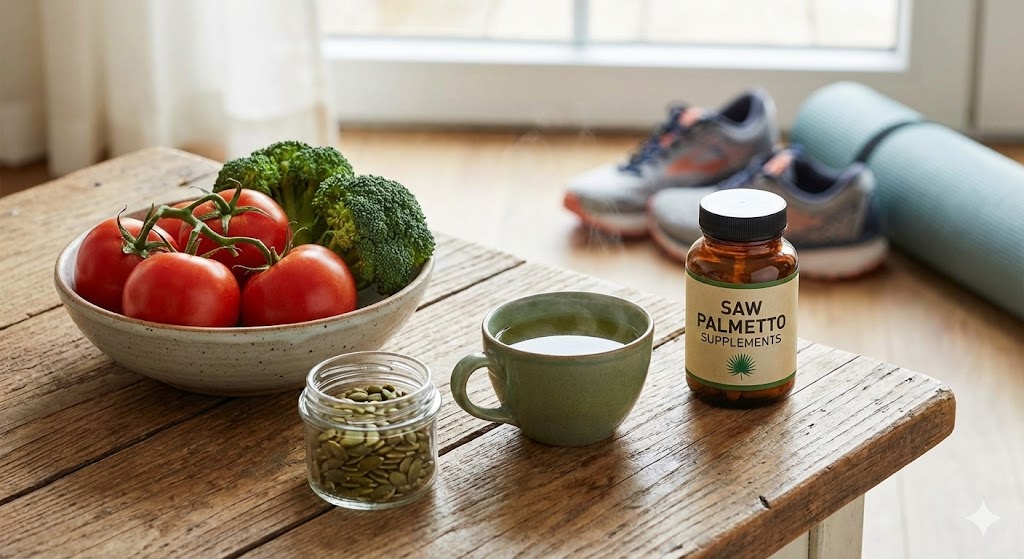
- Lycopene-Rich Foods: Cooked tomatoes, watermelon, pink grapefruit. Lycopene is a potent antioxidant linked to prostate health.
- Cruciferous Vegetables: Broccoli, cauliflower, Brussels sprouts, kale. Contain compounds that support hormone detoxification.
- Omega-3 Fatty Acids: Fatty fish (saldom), flaxseeds, walnuts. Reduce systemic inflammation.
- Zinc-Rich Foods: Pumpkin seeds, legumes, nuts. Zinc is crucial for prostate function and immune health.
- Green Tea: Rich in antioxidants called catechins, which may inhibit prostate cell growth.
Foods to Limit or Avoid:
- Inflammatory Fats: Red meat, full-fat dairy, and processed foods high in saturated and trans fats.
- Excessive Sugar & Refined Carbs: Spike insulin and promote inflammation.
- Bladder Irritants: For those with urgency/frequency, common triggers include caffeine, alcohol, spicy foods, and artificial sweeteners. Learn your personal triggers with our Caffeine & Alcohol Moderation Guide.
Ready for a plan? Download our actionable 7-Day Anti-Inflammatory Diet for Prostate Health, complete with recipes and a shopping list.
Part 2: Evidence-Based Supplements & Herbal Remedies
Supplements can provide concentrated forms of beneficial compounds, but quality and dosage are everything.
Top-Tier Supplements with Clinical Support:
| Supplement | Proposed Mechanism | Key Considerations |
|---|---|---|
| Saw Palmetto | May inhibit 5-alpha-reductase (the enzyme that creates DHT) and reduce inflammation. | Most studied herbal option. Standardized extract is crucial. See our guide on Saw Palmetto: Science-Backed Dosage & Results. |
| Pygeum Africanum | Derived from African plum tree bark; may improve urinary flow and reduce nocturia. | Often used in combination with other herbs. Look for standardized extracts. |
| Beta-Sitosterol | A plant sterol that may improve urinary flow metrics and reduce residual urine. | Shown to improve symptom scores in clinical trials. |
| Stinging Nettle Root | May work alongside Saw Palmetto, potentially affecting hormone binding and inflammation. | Commonly found in prostate health blends. |
| Zinc | Essential mineral for prostate function; deficiency is common. | Supplementation can help if deficient. Learn about Zinc Supplementation for Prostate Health to do it safely. |
Important: Always discuss supplements with your doctor, as they can interact with medications (especially blood thinners).
Part 3: Movement & Body Mechanics
How you move your body can either aggravate or alleviate pelvic pressure and symptoms.
Beneficial Exercises:
- Aerobic Exercise: Regular, moderate cardio (brisk walking, swimming) reduces inflammation and helps maintain a healthy weight. Discover the Best Forms of Exercise for BPH.
- Pelvic Floor (Kegel) Exercises: Crucially, these are not just for women. Strengthening the pelvic floor muscles helps with post-void dribbling and control. Our Step-by-Step Guide to Pelvic Floor Exercises for BPH corrects common mistakes.
- Yoga & Stretching: Focus on poses that open the hips and reduce lower abdominal tension, which can ease the sensation of bladder pressure.
Exercises & Activities to Approach with Caution:
- Heavy Weightlifting: Especially exercises that increase intra-abdominal pressure (heavy squats, deadlifts) can aggravate symptoms.
- Prolonged Cycling: The pressure from a narrow bike seat can irritate the perineum and prostate. Use a wider, split-seat design and take frequent breaks.
Part 4: Daily Habits & Environmental Factors
Small, consistent choices create a significant cumulative impact on your well-being.
- Stress Management: Chronic stress raises cortisol, which fuels inflammation and can directly worsen urinary urgency. Techniques like meditation, deep breathing, and mindful walking are powerful tools. Explore the connection in Stress Management for BPH Flare-Ups.
- Sleep Optimization: Poor sleep disrupts hormones and increases inflammation. If nocturia disrupts your sleep, our guide on Sleep Positions to Reduce Bladder Pressure can help.
- Hydration Strategy: Drink plenty of water, but do it strategically. Sip consistently throughout the day and taper off 2-3 hours before bedtime to minimize nighttime trips.
- Bladder Training: Actively work to increase the time between urges. Learn the technique in our Bladder Retraining Guide.
Part 5: Exploring Complementary & Alternative Therapies
Some men find relief through non-traditional approaches. It’s important to view these as complementary, not curative, and to pursue them with reputable practitioners.
- Acupuncture: Some studies suggest it can help reduce urinary frequency and improve flow rates by influencing the nervous system. We examine the evidence in Acupuncture & Prostate Massage for BPH.
- Prostate Massage: A controversial therapy sometimes used for prostatitis. Its role in BPH is less clear and should only be performed by a qualified professional if at all.
Part 6: Your Holistic Action Plan – Articles in This Silo
| Article | Focus | Key Takeaway |
|---|---|---|
| #21: Saw Palmetto Guide | The most popular herbal remedy | Dosage, brand selection, and realistic expectations based on clinical data. |
| #22: 7-Day Anti-Inflammatory Diet | A practical eating plan | PDF plan with recipes focused on reducing prostate inflammation. |
| #23: Pelvic Floor Exercises | Strengthening for control | Correct technique for men to reduce dribbling and improve emptying. |
| #24: Zinc & Prostate Health | An essential mineral | How to test for deficiency, proper dosage, and food sources. |
| #25: Lycopene & Cancer Prevention | Diet’s protective role | The link between a BPH-friendly diet and long-term prostate cancer risk reduction. |
| #26: Best & Worst Exercises | Moving smarter | How to stay active without worsening symptoms; safe vs. risky activities. |
| #27: Herbal Teas & Blends | Pygeum, nettle, and more | How to use herbal teas as part of a holistic approach. |
| #28: Caffeine & Alcohol Guide | Managing common triggers | A nuanced look at how moderation can prevent symptom flare-ups. |
| #29: Sleep Positions for BPH | Optimizing rest | Simple positional changes to reduce nighttime bladder pressure and trips. |
| #30: Massage & Acupuncture | Exploring alternative therapies | An objective review of the evidence for these non-invasive approaches. |
| #31: BPH in Younger Men | Early intervention | Lifestyle strategies are critical for men noticing symptoms in their 40s and 50s. |
Conclusion: Building Your Personalized Wellness Routine
Natural management is not a single supplement or a week of healthy eating—it’s a sustainable lifestyle built on consistent, positive habits. The goal is to create a foundation of health that supports your prostate, reduces symptom burden, and improves your overall quality of life.
Your Next Steps:
- Start with One Change: Pick one area from this hub—be it adding tomato sauce to your diet, starting a 15-minute daily walk, or trying a standardized saw palmetto supplement.
- Track Your Progress: Use a symptom diary (from our Symptom Management Hub) to see if your changes are making a measurable difference over 4-6 weeks.
- Layer Strategies: Once one habit is solid, add another. Diet + exercise creates a powerful synergy.
- Partner with Your Doctor: Always keep your healthcare provider informed about the natural strategies you’re using. They can help you integrate them safely with any medical treatments.
Your body has an innate capacity for balance. This hub provides the tools to support it.
Navigate Our Complete BPH Hub:
- Silo 1: BPH Symptoms & Daily Management: Understand and track your condition.
- Silo 2: Medical & Surgical Treatments: Explore medications and procedures.
- Silo 3: Natural Remedies & Lifestyle (You are here)
- Main Hub: The Complete Guide to BPH & Prostate Health: Return to the central overview.
FAQs
1. What is the most effective natural remedy for BPH?
Saw Palmetto extract is the most researched natural remedy with the strongest evidence for improving mild-to-moderate BPH symptoms, particularly urinary flow and frequency. However, “effective” varies per individual, and a combination of diet, exercise, and targeted supplements often works best.
2. Can diet alone shrink an enlarged prostate?
While a healthy, anti-inflammatory diet cannot reverse existing enlargement, it can significantly reduce inflammation, potentially slow further growth, and dramatically alleviate urinary symptoms like frequency and urgency. It’s a powerful management tool, not a cure.
3. Are prostate supplements safe to take with medications like Flomax?
You must consult your doctor. While many supplements are generally safe, they can interact with medications. For example, saw palmetto may increase bleeding risk when taken with blood thinners, and some herbs can potentiate or interfere with prescription drugs.
4. How long does it take to see results from natural remedies?
Patience is key. Unlike alpha-blocker medications that work in days, natural approaches work gradually. You may notice subtle improvements in 4-6 weeks, with more significant effects after 3-6 months of consistent use, especially with supplements and major dietary changes.
5. Can exercise really help my BPH symptoms?
Yes, profoundly. Regular aerobic exercise reduces systemic inflammation and helps maintain a healthy weight, both of which are linked to reduced BPH severity. Additionally, pelvic floor exercises can directly improve control over dribbling and emptying. See our Exercise Guide for BPH.
6. I’ve heard pumpkin seeds are good. Is that true?
Yes, pumpkin seeds are an excellent source of zinc, a mineral essential for prostate function, and contain other beneficial plant compounds. They are a great whole-food snack for prostate health, but they are not a substitute for a comprehensive approach.
7. Do I need to avoid all caffeine and alcohol?
Not necessarily—moderation and timing are key. Both are diuretics and bladder irritants, which can worsen frequency and urgency. The goal is to limit intake, avoid them before long trips or bedtime, and observe how your body reacts. Our Moderation Guide provides specific tips.
8. What’s the difference between “natural” and “holistic” management?
“Natural” often refers to specific substances like herbs and supplements. “Holistic” is a broader philosophy that includes natural remedies alongside lifestyle factors like diet, exercise, stress management, and sleep hygiene. This hub focuses on the holistic approach.
9. Are natural remedies a substitute for seeing a urologist?
No. They are complementary. A proper diagnosis is essential to rule out prostate cancer or other conditions. Natural strategies are best used for mild symptoms, during watchful waiting, or in conjunction with your doctor’s treatment plan for moderate-severe BPH.
10. Can lifestyle changes help if I’m already scheduled for surgery?
Absolutely. Optimizing your health before surgery (pre-habilitation) can improve recovery outcomes. Being at a healthy weight, eating an anti-inflammatory diet, and having strong pelvic floor muscles can contribute to a smoother healing process and better long-term results.
Related Articles Section
- BPH Symptoms & Daily Management Hub: Master behavioral techniques like bladder training and fluid management to pair with these natural strategies.
- BPH Medical & Surgical Treatments Hub: Understand how natural approaches can complement or reduce reliance on medications and procedures.
- BPH Self-Assessment Quiz: Track your symptom score before and after implementing lifestyle changes to measure their impact.
- Chronic Prostatitis vs. BPH: Ensure your symptoms are correctly diagnosed, as natural approaches for prostatitis can differ.
Your Complete Resource for Prostate Health
This article is part of our flagship guide, featuring 30+ expert articles on BPH and prostate health.
✅ Symptom Trackers & Quizzes
✅ In-Depth Treatment Comparisons (Medications, UroLift, TURP)
✅ Natural Remedy & Diet Plans
✅ Real Patient Stories & Recovery Guides
✅ FAQs & Specialist Advice
One hub. Everything you need to know.

Medically Reviewed for Accuracy
This content has been reviewed for accuracy and clarity by The Health Knowledge Base Medical Review Team, using current research and evidence-based health guidance.
Our review process helps ensure that information related to health, wellness, nutrition, lifestyle strategies, and natural support topics reflects current scientific understanding and responsible editorial standards.
Written by The Health Knowledge Base Editorial Team
Our editorial team consists of health researchers, wellness writers, and content specialists focused on creating clear, practical, and research-informed health content.
We publish educational articles designed to help readers better understand health topics, explore natural wellness strategies, and make more informed lifestyle decisions with confidence.
Affiliate Transparency, Medical Disclaimer & Safety Notice
At The Health Knowledge Base, we take pride in being a trusted resource and affiliate partner with select, high-quality companies. We choose these partnerships carefully because we genuinely believe their products, services, and educational resources align with the values and mission of our website.
When you purchase through certain links on this site, we may receive a small commission or compensation. This helps support our research, content creation, and ongoing work at no additional cost to you. Your price remains exactly the same.
Medical Disclaimer
The information provided by The Health Knowledge Base is for general informational and educational purposes only and is not a substitute for professional medical advice, diagnosis, or treatment.
Always seek the advice of your physician, doctor, or another qualified healthcare provider with any questions you may have regarding a medical condition, symptoms, treatment options, diet changes, exercise programs, or supplements.
Never disregard professional medical advice or delay in seeking it because of something you have read on this website.
Critical Safety Notice
Before making any changes to your diet, starting a new fitness or wellness routine, or taking any supplements mentioned on this site, you should consult with your doctor, physician, or another qualified healthcare professional. Reliance on any information provided by The Health Knowledge Base is solely at your own risk.
View our Affiliate Disclosure → | View our Medical Disclaimer →