Stay Informed With Trusted Health Insights
Join 5,000+ readers who receive evidence-informed health articles, wellness tips, supplement reviews, and practical health guides delivered straight to their inbox.
Get Free Health UpdatesNo spam. Just helpful health education, updates, and resources.
Why Lower Back Pain Is So Widespread
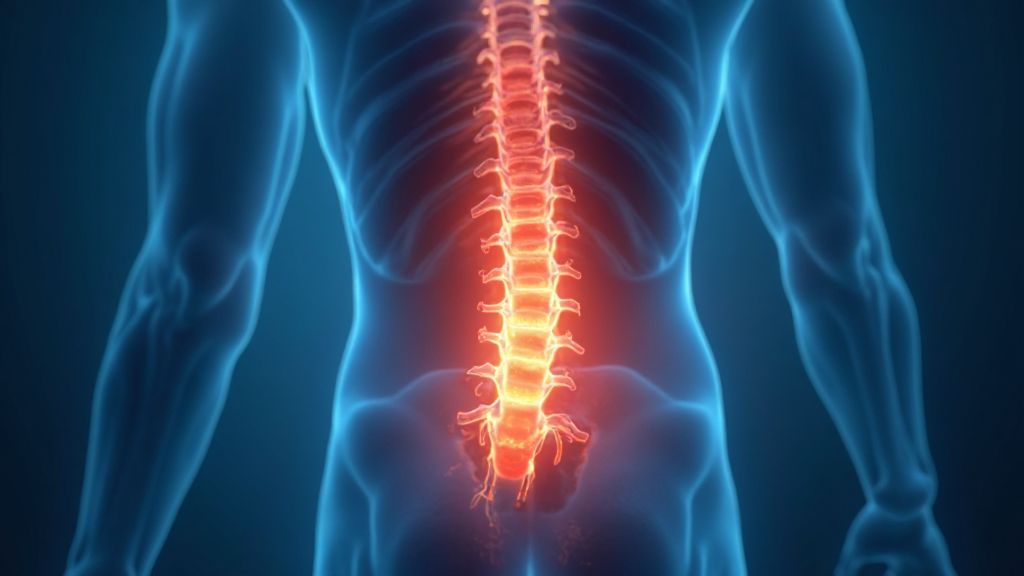
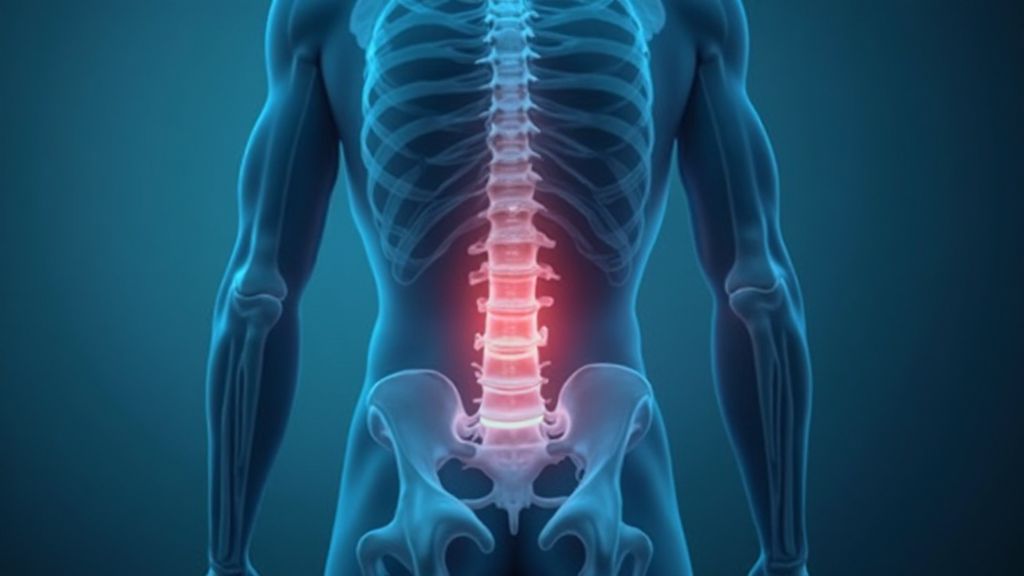
Lower back pain is the most common form of back discomfort and one of the leading causes of reduced mobility worldwide. It affects people of all ages—not only due to injury, but increasingly because of modern lifestyle patterns that place constant stress on the lumbar spine.
Unlike acute injuries, lower back pain often develops gradually. Poor posture, prolonged sitting, repetitive movement, and muscle imbalance can slowly overload the structures of the lower spine until pain becomes persistent or recurring.
This guide explains what lower back pain really is, why it develops, and how long-term relief depends on addressing movement, stability, inflammation, and recovery together.
Explore the Hub: For a full overview of all back pain types, visit the Back Pain Hub.
What Is Lower Back Pain?
Lower back pain refers to discomfort originating in the lumbar region of the spine. This area supports most of the body’s weight and absorbs significant mechanical load during daily movement.
Pain in this region may involve:
- Muscles and connective tissue
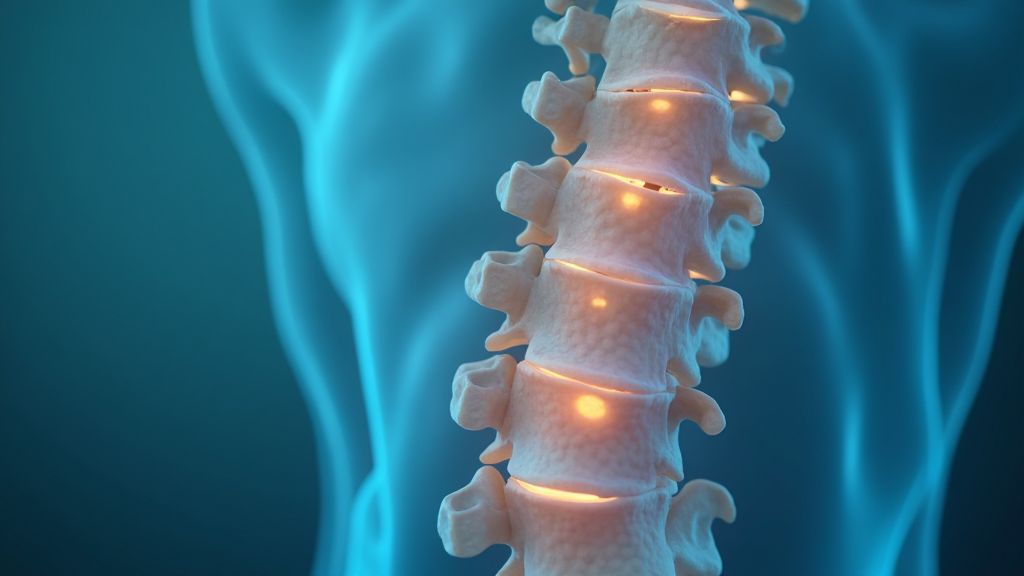
- Facet joints and spinal discs
- Supporting ligaments
- Nearby nerve structures
In many cases, imaging does not reveal a single clear cause—because pain often arises from functional overload, not structural damage.
Common Causes of Lower Back Pain
Lower back pain rarely stems from one factor alone. The most common contributors include:
Muscle Imbalance and Weak Stabilizers
Weak core and glute muscles force the lower back to compensate, leading to overuse and tension.
Prolonged Sitting
Extended sitting shortens hip flexors, reduces spinal mobility, and increases disc pressure.
Poor Movement Patterns
Improper lifting, twisting, or repetitive strain can gradually overload lumbar tissues.
Joint and Disc Stress
Facet joint irritation or disc compression may contribute, even without visible injury.
Deep Dive: Structural contributors are explored further in the Spine & Disc Pain Guide.
Morning Lower Back Pain: What It Often Signals
Waking up with stiffness or pain in the lower back is a common complaint. Possible contributors include:
- Reduced overnight spinal movement
- Inflammatory fluid accumulation
- Poor sleeping posture
- Muscular tightness from daytime inactivity
Morning pain often improves with gentle movement, suggesting functional stiffness rather than injury.
Lower Back Pain vs. Sciatica: Key Differences
Lower back pain is frequently confused with sciatica, but they behave differently.
- Lower back pain: Typically localized; dull, stiff, or achy; movement-dependent.
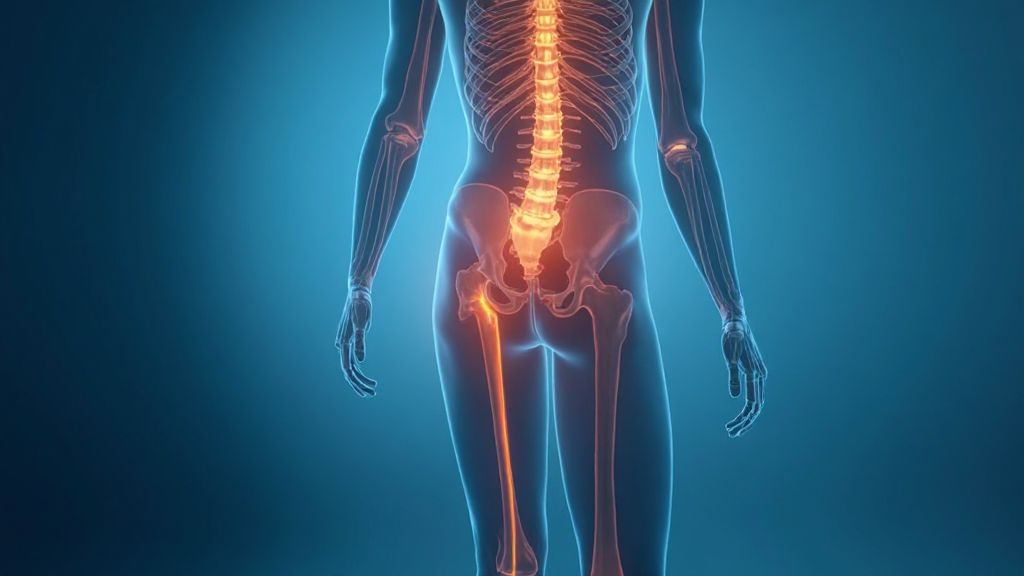
- Sciatic pain: Radiates into hips or legs; burning or electric; nerve-driven.
Nerve Support: If pain travels down the leg, explore the Sciatica & Nerve Pain Guide.
When Lower Back Pain Becomes Chronic
Lower back pain is considered chronic when it persists beyond 12 weeks. This often occurs because:
- Muscles never fully regain strength or coordination
- Inflammation remains elevated
- Movement patterns are not corrected
- Pain sensitivity increases over time
Chronic pain is rarely resolved with rest alone and usually requires a multi-system approach.
Movement and Stability Foundations
The lower back relies heavily on surrounding muscles for protection. Key foundations include:
- Core stability (deep abdominal muscles)
- Hip and glute strength
- Spinal mobility without excessive strain
- Avoiding prolonged static positions
Movement is not harmful—inactivity is often the bigger problem.
Heat vs. Ice for Lower Back Pain
Both heat and ice can provide relief, but their roles differ:
- Ice: May help calm acute flare-ups or inflammation.
- Heat: Can reduce muscle tension and improve mobility.
For chronic lower back pain, heat and gentle movement are often more beneficial than prolonged icing.
Inflammation and Lower Back Pain
Low-grade inflammation can amplify lower back pain even without injury. Contributors may include poor metabolic health, highly processed diets, chronic stress, and inadequate sleep.
Anti-Inflammatory Strategies: Inflammatory drivers are covered in depth in the Inflammation & Chronic Back Pain Guide.
Nutritional and Supplement Support (Non-Branded)
While supplements are not a cure, targeted nutritional support can help address common contributors:
- Magnesium: For muscle relaxation and tension.
- Omega-3 fatty acids: For inflammatory balance.
- Collagen: For connective tissue support.
- Antioxidants: To support tissue recovery.
Foundational Reading: For a broader context, see the Comprehensive Guide to Back Pain.
When to Seek Medical Evaluation
Consult a professional if lower back pain includes:
- Progressive weakness or numbness
- Loss of bladder or bowel control
- Severe pain following trauma
- Unexplained fever or weight loss
FAQs
- What is the most common cause of lower back pain?
Muscle imbalance and prolonged sitting are leading contributors. - Why does lower back pain return repeatedly?
Unresolved movement patterns and inflammation often persist. - Is lower back pain always serious?
No. Most cases are functional, not structural. - Can weak core muscles cause pain?
Yes. Poor stability increases spinal load. - Is walking good for lower back pain?
Gentle walking often improves mobility and circulation. - Should I avoid exercise with lower back pain?
Avoid painful movements, but inactivity often worsens symptoms. - Can stress affect lower back pain?
Yes. Stress can increase muscle tension and inflammation. - Are supplements enough to fix lower back pain?
No. They support recovery but do not replace movement. - Why does my back hurt more after sitting?
Sitting increases disc pressure and muscle stiffness. - When should I see a specialist?
If pain worsens, spreads, or includes neurological symptoms.
Continue Exploring Back Pain Resources
Lower back pain often overlaps with other systems. Use the guides below to understand related contributors and explore supportive strategies.
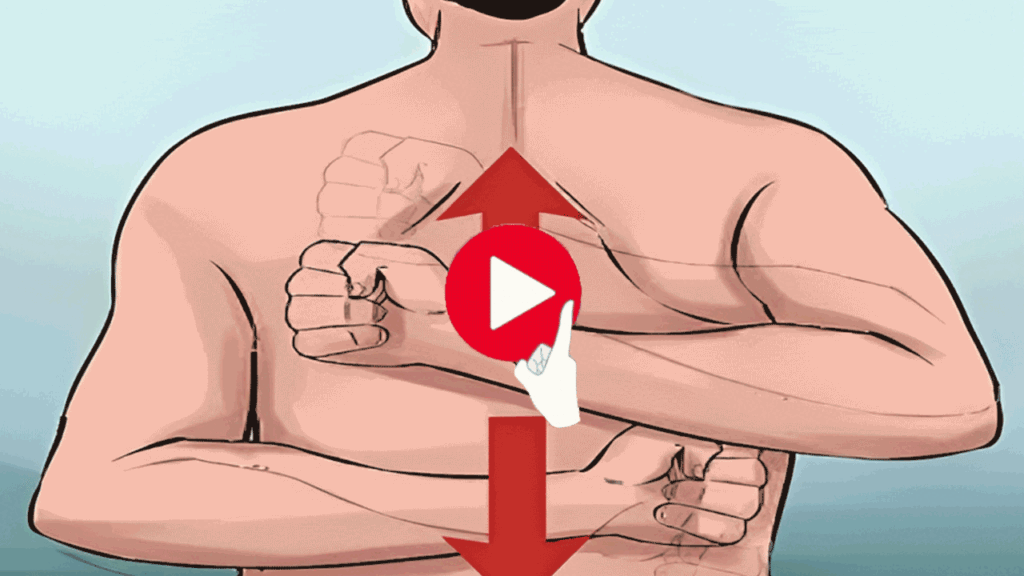
When Back Pain Won’t Stop, Try This One-Finger Rub Fix…
(Watch Video)
If you’ve struggled with chronic lower back pain for more than 3 months…
If simple movements like bending, walking, or even sleeping through the night have become a daily challenge, you know how exhausting “temporary relief” can be.
Instead of masking the symptoms with short-term fixes, thousands are turning to a targeted rejuvenation technique that supports the spine, nerves, and muscles simultaneously. Originally used by elite athletes to accelerate recovery and bypass years of traditional therapy, this method is now available for home use.
It’s a 100% natural approach that requires no medication or high-impact stretches.

Medically Reviewed for Accuracy
This content has been reviewed for accuracy and clarity by The Health Knowledge Base Medical Review Team, using current research and evidence-based health guidance.
Our review process helps ensure that information related to health, wellness, nutrition, lifestyle strategies, and natural support topics reflects current scientific understanding and responsible editorial standards.
Written by The Health Knowledge Base Editorial Team
Our editorial team consists of health researchers, wellness writers, and content specialists focused on creating clear, practical, and research-informed health content.
We publish educational articles designed to help readers better understand health topics, explore natural wellness strategies, and make more informed lifestyle decisions with confidence.
Affiliate Transparency, Medical Disclaimer & Safety Notice
At The Health Knowledge Base, we take pride in being a trusted resource and affiliate partner with select, high-quality companies. We choose these partnerships carefully because we genuinely believe their products, services, and educational resources align with the values and mission of our website.
When you purchase through certain links on this site, we may receive a small commission or compensation. This helps support our research, content creation, and ongoing work at no additional cost to you. Your price remains exactly the same.
Medical Disclaimer
The information provided by The Health Knowledge Base is for general informational and educational purposes only and is not a substitute for professional medical advice, diagnosis, or treatment.
Always seek the advice of your physician, doctor, or another qualified healthcare provider with any questions you may have regarding a medical condition, symptoms, treatment options, diet changes, exercise programs, or supplements.
Never disregard professional medical advice or delay in seeking it because of something you have read on this website.
Critical Safety Notice
Before making any changes to your diet, starting a new fitness or wellness routine, or taking any supplements mentioned on this site, you should consult with your doctor, physician, or another qualified healthcare professional. Reliance on any information provided by The Health Knowledge Base is solely at your own risk.
View our Affiliate Disclosure → | View our Medical Disclaimer →