
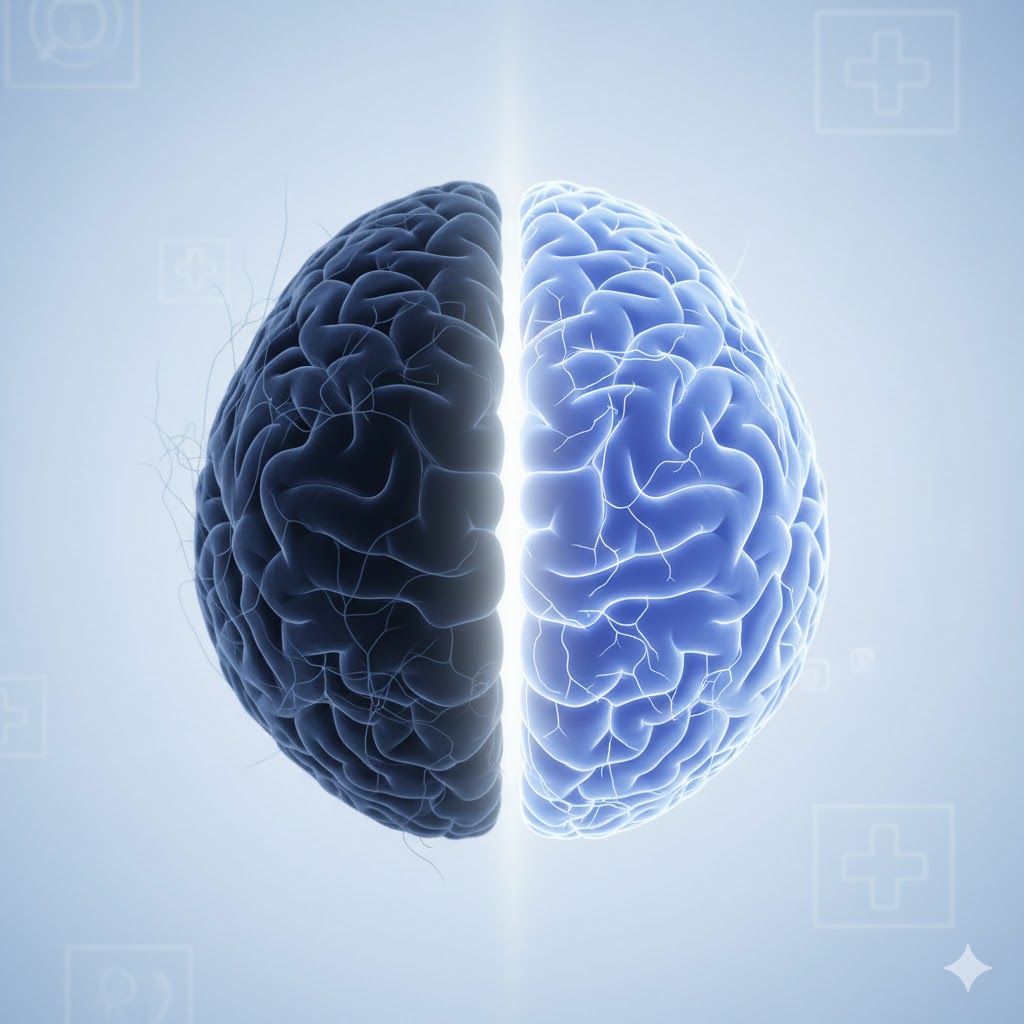
Depression is not simply sadness. It is a complex mood disorder involving measurable changes in brain chemistry, stress physiology, inflammation, sleep regulation, and cognitive processing.
While temporary low mood is a normal part of life, clinical depression persists, interferes with daily functioning, and often requires structured intervention.
This comprehensive guide explains:
- What depression really is
- The biological and psychological causes
- Brain chemistry and neurotransmitter involvement
- The role of inflammation and stress
- Types of depression
- Evidence-based treatment options
- Lifestyle and natural support strategies
- When to seek professional help
If you are new to this category, begin at the 👉 Mental Health Hub
What Is Depression?
Depression (Major Depressive Disorder) is a mood disorder characterized by:
- Persistent low mood
- Loss of interest or pleasure (anhedonia)
- Fatigue and energy depletion
- Changes in sleep or appetite
- Impaired concentration and indecisiveness
- Feelings of worthlessness or excessive guilt
Note: Symptoms must last at least two weeks and cause functional impairment for a clinical diagnosis. Depression exists on a spectrum, ranging from mild to severe.
The Biology of Depression
Depression is not purely psychological. It involves multiple biological systems working in tandem.
1. Neurotransmitter Dysregulation
Depression is associated with alterations in key brain chemicals:
- Serotonin: Regulates mood stability and sleep. Low signaling may contribute to sadness and irritability.
- Dopamine: Drives motivation and reward. Low activity often reduces the ability to feel pleasure.
- Norepinephrine: Influences alertness and energy levels.
👉 Deep Dive: Brain Chemistry & Mood Regulation
2. Chronic Stress & Cortisol
Prolonged stress activates the HPA axis, increasing cortisol. Elevated cortisol may reduce hippocampal volume, impair emotional regulation, and alter serotonin sensitivity.
👉 Related: Stress & Burnout Recovery Guide
3. Inflammation & Depression
Emerging research links depression to elevated inflammatory markers. Inflammation can disrupt serotonin production and impair neuroplasticity, explaining why anti-inflammatory lifestyle changes often improve mood.
4. The Gut-Brain Axis
Approximately 90% of serotonin is produced in the digestive tract. Gut microbiome imbalances may influence immune signaling and neurotransmitter production.
👉 Learn more: Gut-Brain Axis & Mood
Symptoms of Depression
Depression manifests through emotional, cognitive, and physical symptoms:
- Emotional: Persistent sadness, hopelessness, emotional numbness, or irritability.
- Cognitive: Brain fog, negative thinking patterns, and poor concentration.
- Physical: Sleep disruption, appetite changes, fatigue, and slowed physical movement.
Some people experience depression without obvious outward signs — maintaining work, routines, and responsibilities while feeling emotionally exhausted internally.
If this sounds familiar, see:
👉 Signs of High-Functioning Depression
Types of Depression
Depression does not look the same for everyone. It exists in multiple forms, each with distinct symptom patterns and biological drivers.
For a detailed breakdown of subtypes including major depression, persistent depression, postpartum depression, and seasonal patterns, see:
👉 Types of Depression Explained
Common categories include:
- Major Depressive Disorder (MDD)
- Persistent Depressive Disorder (Dysthymia)
- Postpartum Depression
- Seasonal Affective Disorder (SAD)
- High-Functioning Depression
High-functioning depression is often missed because individuals appear productive and outwardly “fine” while struggling internally.
👉 Signs of High-Functioning Depression
Postpartum depression is one example of how depression subtypes differ biologically and clinically. For a broader overview of classification differences, visit:
👉 Types of Depression Explained
Depression vs Normal Sadness
- Sadness: Usually event-driven, temporary, and improves over time as you process the event.
- Clinical Depression: Persistent, often occurs without a clear trigger, and significantly impairs your ability to work or maintain relationships.
👉 Compare: Depression vs Sadness
Evidence-Based Treatment Options
Depression is highly treatable through various professional and lifestyle pathways.
1. Psychotherapy
Approaches like Cognitive Behavioral Therapy (CBT) and Interpersonal Therapy address negative thought loops and behavioral withdrawal.
2. Medication
Common classes include SSRIs, SNRIs, and atypical antidepressants. These regulate neurotransmitter systems and should always be managed by a licensed physician.
3. Lifestyle & Biological Support
- Exercise: Increases Dopamine, Endorphins, and BDNF (Brain-Derived Neurotrophic Factor).
- Sleep Regulation: Stabilizes serotonin and dopamine signaling.
- Blood Sugar Stability: Prevents mood crashes correlated with insulin spikes.
4. Nutritional & Natural Support
Research-backed options include Magnesium, Omega-3 fatty acids, Vitamin D, and B-complex vitamins.
👉 Full guide: Natural Mental Health Support
The 4-Phase Recovery Framework
- Phase 1: Stabilize Sleep & Routine — Fixed wake times and morning sunlight.
- Phase 2: Reduce Stress Load — Limit digital inputs and introduce breathwork.
- Phase 3: Restore Biological Balance — Stabilize blood sugar and introduce Omega-3s.
- Phase 4: Professional Support — Therapy, medication if indicated, and support networks.
Frequently Asked Questions
1. Is depression caused by a chemical imbalance?
It is more complex than a single imbalance, but neurotransmitters play a significant role.
2. Can depression resolve without treatment?
Mild cases sometimes improve with lifestyle shifts, but moderate to severe cases typically require structured care.
3. Is depression genetic?
Genetics increase susceptibility, but environment and lifestyle are major determining factors.
4. Can exercise help depression?
Yes, clinical studies show regular exercise can be as effective as some treatments for mild to moderate cases.
5. Does poor sleep worsen depression?
Significantly. Sleep and mood are bidirectionally linked.
6. Can supplements replace medication?
No. They should be used to complement professional care, not substitute it.
7. Is high-functioning depression real?
Yes. Many individuals meet work and social obligations while struggling significantly internally.
8. Does gut health affect mood?
Yes, the “gut-brain axis” is a major pathway for neurotransmitter production.
9. Is inflammation linked to depression?
Yes, chronic systemic inflammation is increasingly recognized as a biological driver of mood disorders.
10. Is depression curable?
It is highly manageable, and many individuals achieve long-term remission.
Continue Your Mental Health Education
Mental health is interconnected. Explore related guides to better understand stress, brain chemistry, and natural support strategies.
Return to Mental Health Hub Explore Stress & Burnout Understand Brain Chemistry Natural Support Options
Medically Reviewed for Accuracy
This content has been reviewed for accuracy and clarity by The Health Knowledge Base Medical Review Team, using current research and evidence-based health guidance.
Our review process helps ensure that information related to health, wellness, nutrition, lifestyle strategies, and natural support topics reflects current scientific understanding and responsible editorial standards.
Written by The Health Knowledge Base Editorial Team
Our editorial team consists of health researchers, wellness writers, and content specialists focused on creating clear, practical, and research-informed health content.
We publish educational articles designed to help readers better understand health topics, explore natural wellness strategies, and make more informed lifestyle decisions with confidence.