
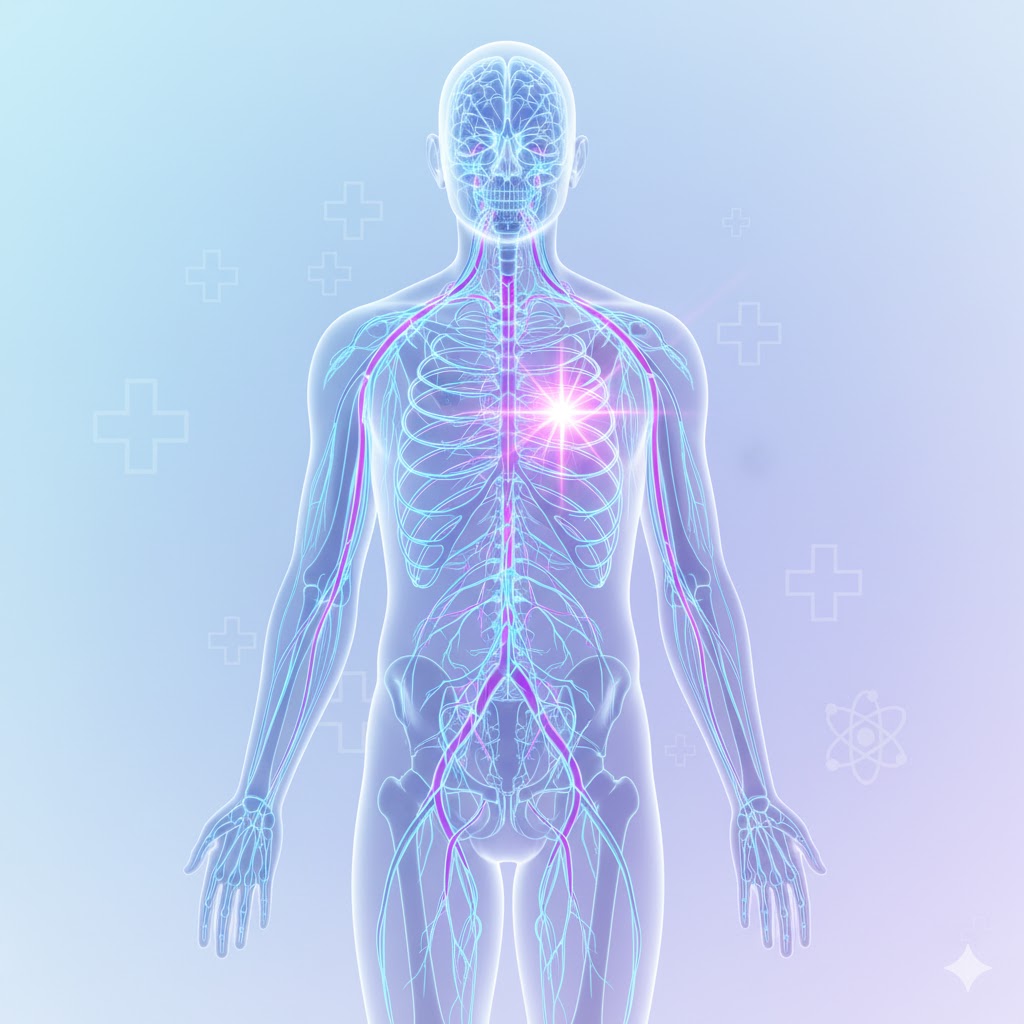
Anxiety is a natural survival mechanism. But when worry becomes persistent, disproportionate, or physically overwhelming, it may signal an anxiety disorder.
Anxiety disorders are among the most common mental health conditions worldwide. They affect the nervous system, hormone balance, sleep architecture, and cognitive processing.
This complete guide explains:
- What anxiety really is
- The neuroscience behind anxiety
- The role of cortisol and the stress response
- Types of anxiety disorders
- Physical symptoms and why they occur
- Evidence-based treatment options
- Lifestyle and natural support strategies
- When to seek professional help
If you are new to this category, begin at the 👉 Mental Health Hub
What Is Anxiety?
Anxiety is the body’s alarm system. It activates the fight-or-flight response, increasing:
- Heart rate and breathing rate
- Blood pressure
- Muscle tension
- Alertness
Short-term anxiety is protective; it helps us navigate immediate threats. Chronic anxiety, however, is a state of dysregulated alarm signaling.
The Biology of Anxiety
Anxiety is deeply biological, involving several key systems in the brain and body.
1. The Amygdala & Threat Detection
The amygdala scans for danger. In anxiety disorders, it may become hypersensitive, triggering fear responses even when there are no real threats.
2. Neurotransmitters & Anxiety
Anxiety is strongly linked to imbalances in:
- GABA: The primary calming neurotransmitter. Low activity is linked to racing thoughts.
- Serotonin: Critical for emotional stability.
- Dopamine: Influences motivation and reward.
- Norepinephrine: Regulates alertness and the stress response.
👉 Deep Dive: Brain Chemistry & Mood Regulation
3. Cortisol & The HPA Axis
Chronic stress dysregulates the Hypothalamic-Pituitary-Adrenal (HPA) axis. Elevated cortisol can increase nervous system sensitivity, disrupt sleep, and increase systemic inflammation.
👉 Related: Stress & Burnout Recovery Guide
4. Sleep & Anxiety Amplification
Sleep deprivation heightens amygdala reactivity. Poor sleep can worsen panic symptoms and reduce overall stress tolerance.
👉 Explore: Sleep & Mental Health Connection
Types of Anxiety Disorders
Anxiety presents in various forms. For a deep dive into specific conditions, visit:
👉 What Is Generalized Anxiety Disorder (GAD)?
Common categories include:
- Generalized Anxiety Disorder (GAD): Persistent, excessive worry about multiple areas of life.
- Panic Disorder: Recurrent panic attacks with intense physical symptoms. 👉 Panic Attacks: Causes & How to Stop Them
- Social Anxiety Disorder: Fear of judgment or embarrassment. 👉 Social Anxiety Disorder Explained
- Health Anxiety: Excessive fear of serious illness.
Why Anxiety Causes Physical Symptoms
Anxiety is not “just in your head.” It activates the sympathetic nervous system, leading to physical symptoms such as chest tightness, rapid heartbeat, dizziness, sweating, and nausea. These occur because the body is preparing for a physical danger that isn’t actually present.
Blood Sugar & Anxiety
Low blood sugar can mimic panic symptoms:
- Shakiness
- Rapid pulse
- Sweating
- Irritability
Stabilizing blood sugar may reduce symptom intensity.
Hypoglycemia & Panic Mimicry
Rapid blood sugar drops can trigger adrenaline release.
This may produce:
- Racing heart
- Sweating
- Trembling
- Dizziness
These symptoms closely mimic panic attacks.
Stabilizing blood sugar may reduce symptom frequency in some individuals.
This connects to broader metabolic regulation and stress sensitivity.
Anxiety & Inflammation
Chronic inflammation may:
- Increase stress sensitivity
- Affect serotonin pathways
- Heighten mood instability
Anti-inflammatory strategies may support overall resilience.
Neuroplasticity & Anxiety Sensitization
Repeated anxiety episodes can strengthen fear circuits in the brain.
This process, called fear conditioning, increases amygdala responsiveness and reduces prefrontal regulation.
The encouraging reality is that neuroplasticity works both ways.
Cognitive Behavioral Therapy (CBT), exposure therapy, sleep optimization, and stress reduction can gradually weaken exaggerated fear responses and restore balanced threat perception.
Evidence-Based Treatment Options
Anxiety disorders are highly treatable.
1. Psychotherapy
Approaches like Cognitive Behavioral Therapy (CBT), Exposure Therapy, and Acceptance & Commitment Therapy (ACT) help retrain threat perception and reduce behavioral avoidance.
2. Medication
SSRIs, SNRIs, and short-term anxiolytics may be prescribed. These decisions always require professional medical supervision.
3. Lifestyle Interventions
- Exercise: Reduces cortisol and increases GABA activity.
- Breathing: Slow nasal breathing activates the parasympathetic nervous system. 👉 Breathing Techniques That Calm Anxiety Fast
- Sleep: Consistency reduces amygdala hyper-reactivity.
4. Natural Support Strategies
Research-backed options like Magnesium, Omega-3s, L-Theanine, and Ashwagandha support neurotransmitter balance.
👉 Full guide: Natural Mental Health Support
The 4-Stage Anxiety Recovery Framework
- Stabilize Physiology: Improve sleep, stabilize blood sugar, and reduce caffeine.
- Reduce Stress Load: Daily breathing practice and digital reduction.
- Retrain Thought Patterns: Utilize CBT techniques and journaling.
- Layer Targeted Support: Consider targeted supplements like magnesium or adaptogens.
Frequently Asked Questions
1. Is anxiety a weakness?
No. It involves complex neurological and hormonal systems.
2. Can anxiety cause chest pain?
Yes, primarily through muscle tension and hyperventilation.
3. Does caffeine worsen anxiety?
For many, yes. It mimics the physiological signs of a threat.
4. Is anxiety genetic?
Genetics can increase your susceptibility, though environment plays a massive role.
5. Can anxiety go away naturally?
Mild cases may improve with structured lifestyle support and nervous system regulation.
6. Is anxiety linked to gut health?
Yes, the gut-brain axis is a major factor in emotional regulation.
7. Can supplements replace therapy?
No. They are complementary tools.
8. Why is anxiety worse at night?
Reduced distractions and natural cortisol fluctuations can amplify symptoms.
9. Can inflammation affect anxiety?
Yes, research suggests systemic inflammation can heighten stress sensitivity.
10. Is anxiety curable?
It is highly treatable, and many individuals achieve full remission.
Continue Your Mental Health Education
Mental health is interconnected. Explore related guides to better understand stress, brain chemistry, and natural support strategies.
Return to Mental Health Hub Explore Stress & Burnout Understand Brain Chemistry Natural Support Options
Medically Reviewed for Accuracy
This content has been reviewed for accuracy and clarity by The Health Knowledge Base Medical Review Team, using current research and evidence-based health guidance.
Our review process helps ensure that information related to health, wellness, nutrition, lifestyle strategies, and natural support topics reflects current scientific understanding and responsible editorial standards.
Written by The Health Knowledge Base Editorial Team
Our editorial team consists of health researchers, wellness writers, and content specialists focused on creating clear, practical, and research-informed health content.
We publish educational articles designed to help readers better understand health topics, explore natural wellness strategies, and make more informed lifestyle decisions with confidence.