
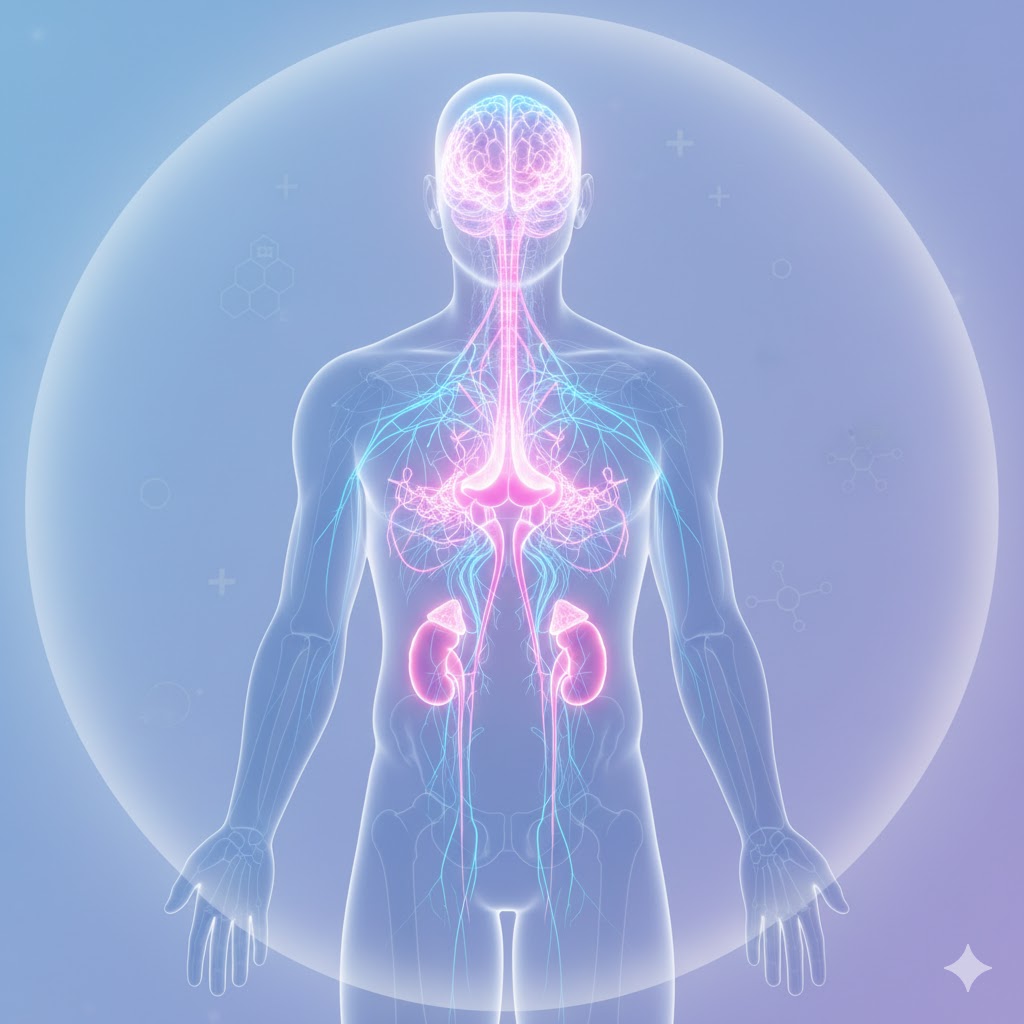
Stress is a biological survival mechanism. Burnout is what happens when that mechanism never turns off.
While short bursts of stress enhance focus and performance, chronic stress gradually disrupts hormones, impairs sleep, increases inflammation, and weakens emotional resilience. Burnout represents nervous system exhaustion — not laziness, not weakness, and not a personality flaw.
This complete guide explains:
- What stress does to the brain and body
- The role of cortisol and the HPA axis
- How burnout develops
- Physical and psychological symptoms
- The connection between stress, anxiety, and depression
- Evidence-based recovery strategies
- A structured nervous system reset framework
If you’re new to this category, start at the 👉 Mental Health Hub
What Is Stress?
Stress is the body’s response to perceived demand or threat. When triggered, the brain activates the Hypothalamic-Pituitary-Adrenal (HPA) axis, releasing:
- Adrenaline
- Noradrenaline
- Cortisol
These hormones increase alertness, blood glucose availability, and heart rate. In short bursts, stress is adaptive. When persistent, it becomes destructive.
Acute Stress vs Chronic Stress
- Acute Stress: Short-term, linked to identifiable events, and resolves once the stressor passes.
- Chronic Stress: Persistent, often work- or responsibility-driven, disrupts sleep, elevates baseline cortisol, and impairs immune function.
Chronic stress is the primary driver of burnout.
What Is Burnout?
Burnout is a state of emotional, physical, and cognitive exhaustion caused by prolonged stress exposure. The World Health Organization classifies burnout as an occupational phenomenon characterized by:
- Emotional exhaustion
- Cynicism or detachment
- Reduced professional efficacy
Note: Burnout is a nervous system issue — not a motivational issue.
The Biology of Chronic Stress
Chronic stress affects nearly every system in the body.
1. Cortisol Dysregulation
Cortisol follows a natural rhythm — high in the morning, low at night. Chronic stress can cause elevated nighttime cortisol, blunted morning cortisol, fatigue, sleep disruption, and increased abdominal fat.
👉 Related: Cortisol & Weight Gain
2. Brain Structure Changes
Prolonged stress may reduce hippocampal volume, increase amygdala reactivity, and impair prefrontal cortex regulation. This explains why chronic stress worsens anxiety and depression.
3. Dopamine Depletion & Burnout
Chronic stress may blunt dopamine signaling.
This can contribute to:
• Low motivation
• Emotional flatness
• Reduced drive
• Cognitive fatigue
Burnout is not just exhaustion — it is often neurochemical depletion.
Restoration requires both nervous system reset and reward system recovery.
4. Nervous System Imbalance
Chronic stress locks the body in sympathetic dominance (fight-or-flight mode). Symptoms include muscle tension, shallow breathing, irritability, insomnia, and digestive problems. Recovery requires reactivating the parasympathetic nervous system.
5. Inflammation & Stress
Persistent stress increases inflammatory markers, which may disrupt serotonin signaling, increase fatigue, and worsen mood instability.
👉 Connects to: Brain Chemistry & Mood Regulation
Symptoms of Chronic Stress & Burnout
- Physical Symptoms: Fatigue, headaches, digestive disturbances, sleep disruption, and increased illness frequency.
- Emotional Symptoms: Irritability, detachment, emotional numbness, and feeling overwhelmed.
- Cognitive Symptoms: Brain fog, reduced productivity, and poor concentration.
👉 For deeper breakdown: Burnout Symptoms & Recovery Plan
Stress, Sleep & Hormonal Disruption
Elevated cortisol at night suppresses melatonin, causes early waking (often 2–4 AM), and worsens anxiety. Restoration of sleep is non-negotiable for recovery.
👉 Sleep & Mental Health
REM Sleep & Emotional Processing
Rapid Eye Movement (REM) sleep plays a critical role in emotional memory processing.
During REM:
• Emotional intensity decreases
• Stressful memories are reprocessed
• Neural integration improves
Chronic sleep disruption may impair emotional recovery from stress.
Blood Sugar & Stress Reactivity
Stress raises blood glucose temporarily. Chronic stress may contribute to insulin resistance, energy crashes, and mood instability. Stabilizing blood sugar reduces stress sensitivity.
Adrenal Fatigue: Myth or Reality?
“Adrenal fatigue” is not a recognized medical diagnosis. However, HPA axis dysregulation is real. Understanding the distinction improves clarity and credibility.
👉 Adrenal Fatigue: Myth or Reality?
Evidence-Based Recovery Strategies
Burnout recovery requires intentional nervous system recalibration.
1. Sleep Stabilization
Focus on a fixed wake time, morning light exposure, and reducing blue light at night.
2. Nervous System Reset Tools
Tools include slow breathing (4-6 breaths per minute), nature walks, controlled cold exposure, and gentle resistance training.
👉 Breathing Techniques That Calm Anxiety Fast
3. Reduce Chronic Stress Inputs
Practice boundary setting, delegation, scheduled recovery time, and digital reduction.
4. Nutritional Support
Research suggests supportive roles for Magnesium (GABA modulation), Omega-3 fatty acids (anti-inflammatory), and Adaptogens (cortisol regulation).
👉 Natural Mental Health Support
The 4-Phase Burnout Recovery Framework
- Phase 1: Stabilize Sleep & Routine — Consistency before intensity.
- Phase 2: Lower Stress Inputs — Reduce controllable stressors.
- Phase 3: Restore Biological Balance — Layer nutrition and targeted support.
- Phase 4: Rebuild Capacity — Gradually increase workload and stress tolerance.
Frequently Asked Questions
1. Is burnout permanent?
No, but recovery takes time and lifestyle changes.
2. Is cortisol always bad?
No. It is essential for life when properly regulated.
3. Can stress cause depression?
Yes, chronic stress is a significant biological driver of depression.
4. How long does recovery take?
It varies from weeks to months depending on the severity of the depletion.
5. Does exercise worsen burnout?
High-intensity overtraining can, but moderate movement generally supports recovery.
6. Is adrenal fatigue real?
The term is medically debated, but the underlying stress dysregulation is a clinical reality.
7. Can supplements fix burnout alone?
No, they are tools to support a broader recovery plan.
8. Why do I wake up at 3 AM?
This is often caused by a “cortisol spike” resulting from blood sugar drops or nervous system hyper-arousal.
9. Can stress cause weight gain?
Yes, via the interaction of cortisol and insulin, particularly in the abdominal area.
10. Is burnout the same as depression?
They overlap, but burnout is primarily associated with external stress and exhaustion, while depression is a broader mood disorder.
Continue Your Mental Health Education
Chronic stress impacts mood, sleep, and brain chemistry. Explore related guides to understand anxiety, depression, and natural recovery strategies.
Return to Mental Health Hub Explore Anxiety Guide Understand Brain Chemistry Natural Support Options
Medically Reviewed for Accuracy
This content has been reviewed for accuracy and clarity by The Health Knowledge Base Medical Review Team, using current research and evidence-based health guidance.
Our review process helps ensure that information related to health, wellness, nutrition, lifestyle strategies, and natural support topics reflects current scientific understanding and responsible editorial standards.
Written by The Health Knowledge Base Editorial Team
Our editorial team consists of health researchers, wellness writers, and content specialists focused on creating clear, practical, and research-informed health content.
We publish educational articles designed to help readers better understand health topics, explore natural wellness strategies, and make more informed lifestyle decisions with confidence.