Stay Informed With Trusted Health Insights
Join 5,000+ readers who receive evidence-informed health articles, wellness tips, supplement reviews, and practical health guides delivered straight to their inbox.
Get Free Health UpdatesNo spam. Just helpful health education, updates, and resources.
🩺 Introduction
What you eat can have a profound effect on your blood pressure.
While genetics and stress play a role, diet remains one of the most powerful ways to control — and even reverse — high blood pressure naturally.
Research continues to show that certain foods can relax blood vessels, reduce inflammation, and balance sodium levels, helping your heart work efficiently without strain.
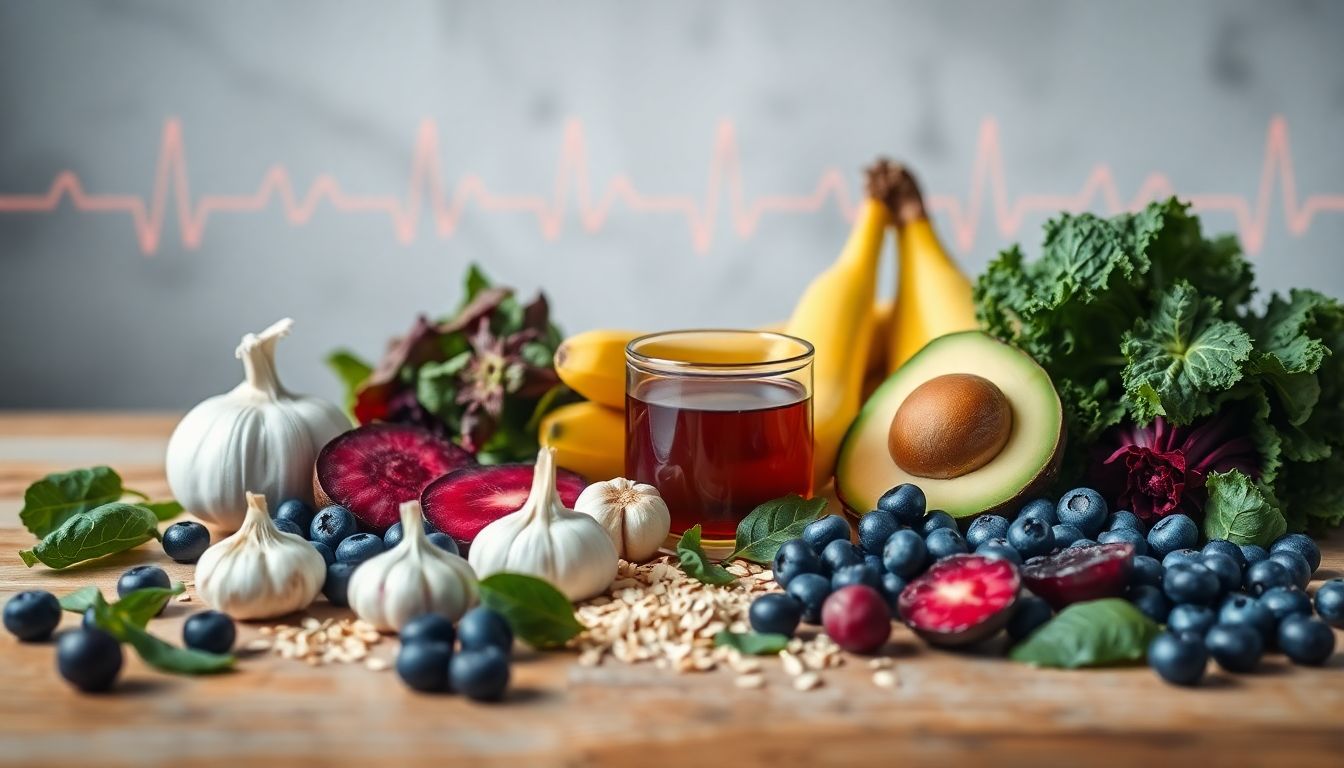
In this article, we’ll explore the top 10 foods proven by science to support healthy blood pressure and long-term cardiovascular health.
(Related Reading: The Complete Guide to Lowering Blood Pressure Naturally)
🥬 1. Leafy Greens
Leafy greens like spinach, kale, arugula, and Swiss chard are rich in potassium, which helps your body flush out excess sodium through urine.
They also contain nitrates, natural compounds that relax blood vessels and improve circulation.
💡 Quick tip: Steam or lightly sauté your greens — boiling can reduce their potassium content.
🍌 2. Bananas
Bananas are one of the most convenient sources of potassium, the mineral that directly counteracts sodium’s blood-pressure-raising effects.
Just one medium banana provides about 10% of your daily potassium needs, helping regulate heartbeat and fluid balance.
💡 Snack idea: Blend a banana into your morning smoothie for a natural energy and heart-health boost.
🫐 3. Berries
Berries — especially blueberries, strawberries, and raspberries — are packed with flavonoids, powerful antioxidants that protect blood vessels and promote nitric oxide production.
A Harvard study found that people who ate berries regularly had an 8% lower risk of hypertension.
💡 Try this: Add frozen berries to oatmeal or yogurt for a quick, heart-healthy breakfast.
🥕 4. Beets
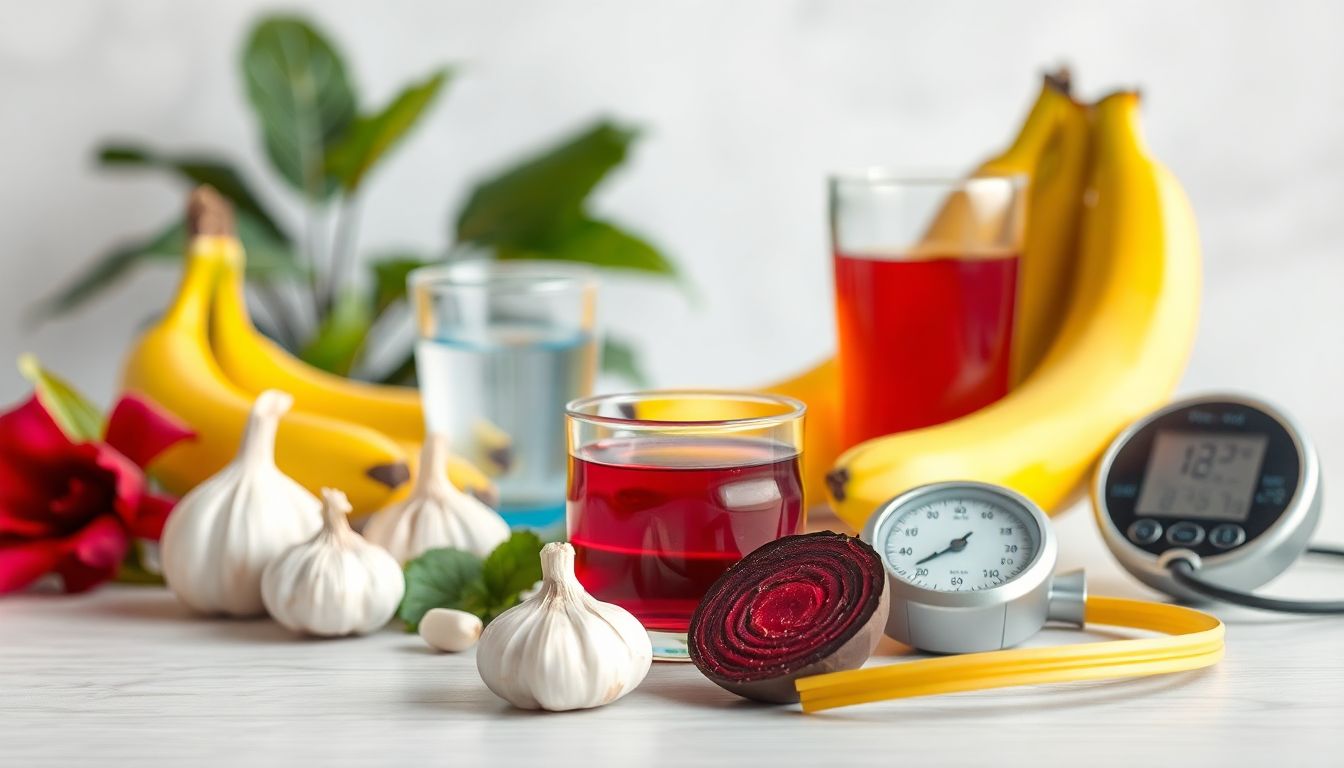
Beets (and beet juice) are a natural nitrate powerhouse. Nitrates convert to nitric oxide in your body, which helps arteries relax and blood flow more freely.
Clinical studies show beet juice can reduce systolic blood pressure by up to 10 mmHg just hours after drinking it.
💡 Tip: Roast beets with olive oil, or juice them fresh for a vibrant, heart-friendly drink.
🍶 5. Oats
Oats contain beta-glucans, a type of soluble fiber that helps lower cholesterol and improve blood vessel function.
Regular oat consumption can lead to a reduction of 4 mmHg in systolic blood pressure, according to controlled trials.
💡 Easy start: Swap sugary breakfast cereals for oatmeal topped with nuts and fruit.
🧄 6. Garlic
Garlic contains allicin, a compound known to enhance nitric oxide and relax blood vessels.
Research shows garlic supplements can reduce both systolic and diastolic pressure — sometimes as effectively as mild antihypertensive drugs.
💡 Health hack: Crush garlic and let it sit for 5 minutes before cooking to activate allicin.
🫑 7. Avocados
Avocados are rich in potassium and magnesium, both essential for healthy blood pressure control.
They’re also high in heart-healthy monounsaturated fats that reduce bad cholesterol and inflammation.
💡 Add this: Use avocado instead of butter on toast or in sandwiches.
🍵 8. Green Tea
Green tea is loaded with antioxidants called catechins, which support blood vessel flexibility and lower oxidative stress.
Drinking 2–3 cups daily may modestly reduce blood pressure and improve heart function over time.
💡 Try it: Replace one coffee a day with green tea for a gentle, heart-calming effect.
🍠 9. Sweet Potatoes
Sweet potatoes are an excellent source of potassium, magnesium, and fiber, making them a triple threat against high blood pressure.
They also have a low sodium-to-potassium ratio, which supports healthy fluid balance.
💡 Meal idea: Bake or mash sweet potatoes instead of white potatoes for extra nutrients.
🌺 10. Hibiscus Tea
Hibiscus, also found in some supplements, has been shown to act like a natural ACE inhibitor, similar to some prescription medications.
One study found that drinking hibiscus tea daily lowered systolic blood pressure by an average of 7 mmHg after six weeks.
💡 Sip smart: Brew dried hibiscus petals or use hibiscus tea bags for a refreshing, tart drink.
⚕️ Bonus: What to Avoid
To keep your blood pressure balanced, limit:
- Processed foods (high in sodium)
- Sugary drinks
- Red and processed meats
- Excess caffeine and alcohol
Even the healthiest foods work best when combined with an overall balanced diet — such as the DASH or Mediterranean diet, both proven to support cardiovascular wellness.
❤️ Final Thoughts
Food is one of the simplest and most powerful tools you have to manage your blood pressure naturally.
By incorporating these 10 heart-healthy foods into your daily meals — and reducing processed, high-sodium options — you can help your arteries stay relaxed, your heart stay strong, and your blood pressure stay in a healthy range.
(Also read: The Complete Guide to Lowering Blood Pressure Naturally)

Medically Reviewed for Accuracy
This content has been reviewed for accuracy and clarity by The Health Knowledge Base Medical Review Team, using current research and evidence-based health guidance.
Our review process helps ensure that information related to health, wellness, nutrition, lifestyle strategies, and natural support topics reflects current scientific understanding and responsible editorial standards.
Written by The Health Knowledge Base Editorial Team
Our editorial team consists of health researchers, wellness writers, and content specialists focused on creating clear, practical, and research-informed health content.
We publish educational articles designed to help readers better understand health topics, explore natural wellness strategies, and make more informed lifestyle decisions with confidence.
Affiliate Transparency, Medical Disclaimer & Safety Notice
At The Health Knowledge Base, we take pride in being a trusted resource and affiliate partner with select, high-quality companies. We choose these partnerships carefully because we genuinely believe their products, services, and educational resources align with the values and mission of our website.
When you purchase through certain links on this site, we may receive a small commission or compensation. This helps support our research, content creation, and ongoing work at no additional cost to you. Your price remains exactly the same.
Medical Disclaimer
The information provided by The Health Knowledge Base is for general informational and educational purposes only and is not a substitute for professional medical advice, diagnosis, or treatment.
Always seek the advice of your physician, doctor, or another qualified healthcare provider with any questions you may have regarding a medical condition, symptoms, treatment options, diet changes, exercise programs, or supplements.
Never disregard professional medical advice or delay in seeking it because of something you have read on this website.
Critical Safety Notice
Before making any changes to your diet, starting a new fitness or wellness routine, or taking any supplements mentioned on this site, you should consult with your doctor, physician, or another qualified healthcare professional. Reliance on any information provided by The Health Knowledge Base is solely at your own risk.
View our Affiliate Disclosure → | View our Medical Disclaimer →