Stay Informed With Trusted Health Insights
Join 5,000+ readers who receive evidence-informed health articles, wellness tips, supplement reviews, and practical health guides delivered straight to their inbox.
Get Free Health UpdatesNo spam. Just helpful health education, updates, and resources.
🩺 Introduction
Blood pressure tells us how hard your heart is working to pump blood through your body.
But when it’s too high or too low, it can cause problems — sometimes without obvious symptoms.
Both high blood pressure (hypertension) and low blood pressure (hypotension) affect millions of people worldwide, yet they have very different causes, risks, and treatments.
In this article, we’ll break down the key differences, what each means for your health, and how to naturally restore balance.
(Related Reading: The Complete Guide to Lowering Blood Pressure Naturally)
📊 Understanding Blood Pressure Readings
Blood pressure is measured in millimeters of mercury (mmHg) and written as two numbers:
- Systolic (top number): Pressure when your heart beats.
- Diastolic (bottom number): Pressure when your heart rests between beats.
| Category | Systolic (mmHg) | Diastolic (mmHg) |
|---|---|---|
| Normal | 90–120 | 60–80 |
| Elevated | 120–129 | < 80 |
| Hypertension (Stage 1) | 130–139 | 80–89 |
| Hypertension (Stage 2) | 140+ | 90+ |
| Hypotension (Low BP) | < 90 | < 60 |
(Also read: What Causes High Blood Pressure?)
🩸 What Is High Blood Pressure (Hypertension)?
High blood pressure means your heart has to work harder than normal to push blood through your arteries.
Over time, this extra strain can damage blood vessel walls and lead to serious health problems.
Common causes of high blood pressure:
- High sodium diet
- Chronic stress
- Lack of exercise
- Obesity
- Excessive alcohol or caffeine
- Family history or aging
Common symptoms (often silent):
- Headaches
- Dizziness
- Blurred vision
- Fatigue
- Nosebleeds (in severe cases)
💡 Why it’s dangerous:
Untreated hypertension can cause heart attack, stroke, kidney disease, or vision loss.
(Also read: How Stress Affects Blood Pressure (and Natural Remedies That Work))
💧 What Is Low Blood Pressure (Hypotension)?
Low blood pressure occurs when blood flow to vital organs — like the brain, heart, and kidneys — is too low.
It’s less common than hypertension but can still cause serious symptoms if not managed properly.
Common causes of low blood pressure:
- Dehydration
- Nutrient deficiencies (B12, iron, electrolytes)
- Medications (especially diuretics or beta-blockers)
- Heart or endocrine disorders
- Sudden posture changes (standing too fast)
Common symptoms:
- Lightheadedness or fainting
- Blurred vision
- Fatigue
- Nausea
- Cold hands and feet
💡 Why it matters:
Severe hypotension can cause shock, where blood flow to organs becomes dangerously low.
⚖️ Key Differences Between High and Low Blood Pressure
| Feature | High Blood Pressure | Low Blood Pressure |
|---|---|---|
| Definition | Pressure consistently above 130/80 mmHg | Pressure consistently below 90/60 mmHg |
| Main Risk | Artery and organ damage | Reduced blood flow to vital organs |
| Symptoms | Often silent; headaches, dizziness | Fatigue, fainting, blurred vision |
| Common Causes | Salt, stress, obesity, inactivity | Dehydration, medications, nutrient deficiencies |
| Short-Term Effect | Strains the heart | Reduces oxygen supply |
| Long-Term Effect | Increases risk of heart disease and stroke | Can cause falls or organ damage |
| Treatment Focus | Lowering pressure and stress | Raising fluid, electrolytes, and circulation |
⚕️ How to Maintain Healthy Blood Pressure Balance
The goal isn’t just to avoid high or low numbers — it’s to stabilize your blood pressure naturally.
Here’s how to keep it in the healthy range:
For high blood pressure:
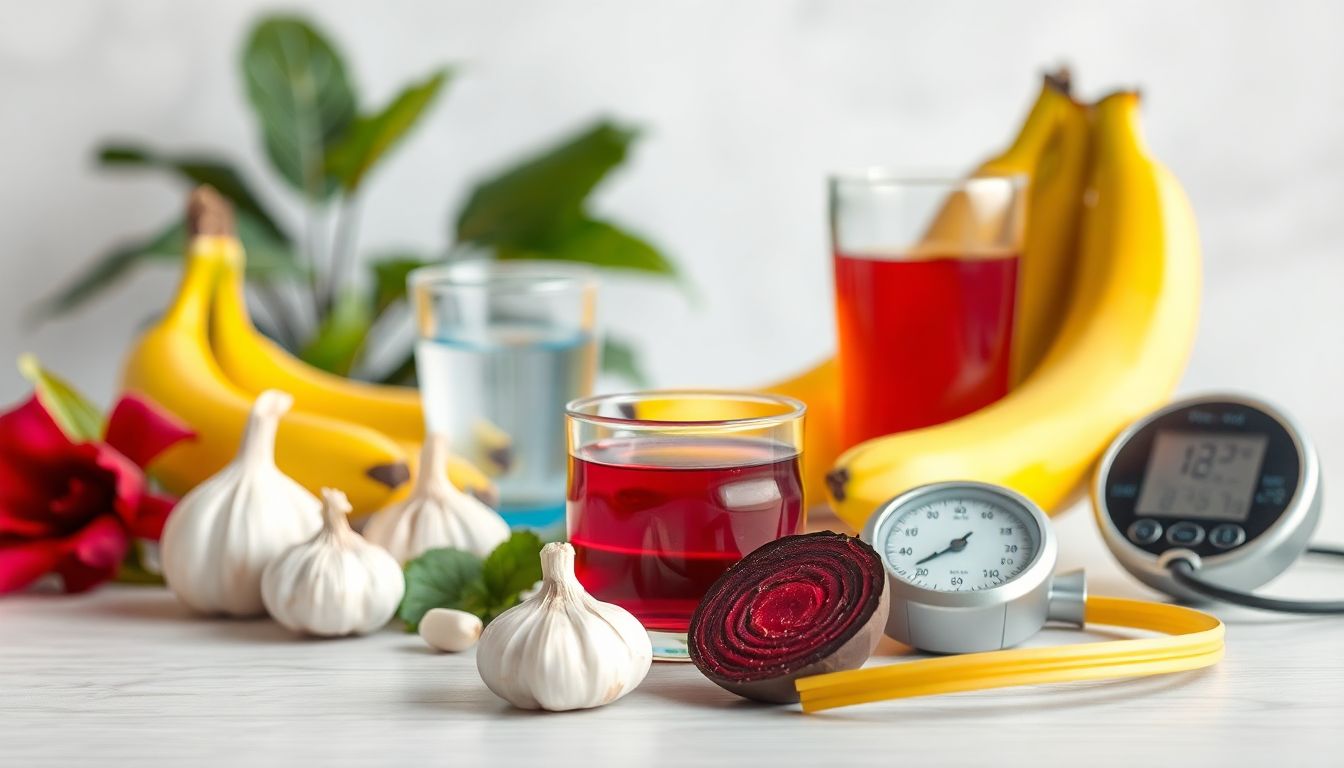
✅ Eat potassium- and magnesium-rich foods (spinach, bananas, nuts)
✅ Limit sodium and processed foods
✅ Exercise daily
✅ Practice stress management techniques
✅ Try natural supplements like CoQ10 or Omega-3s
(Also read: Best Natural Supplements to Lower Blood Pressure)
For low blood pressure:
✅ Stay hydrated and add a pinch of sea salt if needed
✅ Eat smaller, more frequent meals
✅ Avoid sudden position changes
✅ Increase B vitamins and electrolytes
✅ Consult your doctor if symptoms persist
(Also read: Morning Habits That Help Reduce High Blood Pressure)
🕒 How Long It Takes to Stabilize Blood Pressure
With consistent lifestyle changes and proper nutrition, many people see improved blood pressure balance within 4–8 weeks.
(Learn more: How Long Do Natural Remedies Take to Lower Blood Pressure?)
❓ FAQs — High vs. Low Blood Pressure
- Which is worse: high or low blood pressure?
Both can be serious. High blood pressure is more common and increases long-term health risks, while severe low blood pressure can cause fainting or shock. - Can you have both high and low blood pressure at different times?
Yes. Some people experience fluctuating readings due to stress, dehydration, or medication. - What is the ideal blood pressure range?
Around 120/80 mmHg is considered optimal for most adults. - Can dehydration cause low blood pressure?
Yes — it reduces blood volume and pressure. - Does stress only raise blood pressure?
Mostly yes, but extreme fatigue or chronic stress may also trigger temporary drops. - Can low blood pressure cause headaches?
Yes, due to reduced oxygen flow to the brain. - What is “white coat hypertension”?
A temporary rise in blood pressure during medical visits due to anxiety. - How can I monitor my blood pressure at home?
Use a reliable arm cuff monitor and check at the same time daily. - Do supplements help balance blood pressure?
Yes — nutrients like magnesium, CoQ10, and potassium support natural regulation. - When should I see a doctor?
If you consistently record readings above 140/90 or below 90/60, or if you experience dizziness or fainting.
❤️ Final Thoughts
Whether your blood pressure is too high or too low, the key to heart health is balance.
Through healthy eating, hydration, movement, and targeted supplements, you can help your body naturally regulate its pressure — keeping your heart strong and your energy steady.
(Also read: The Complete Guide to Lowering Blood Pressure Naturally)


Medically Reviewed for Accuracy
This content has been reviewed for accuracy and clarity by The Health Knowledge Base Medical Review Team, using current research and evidence-based health guidance.
Our review process helps ensure that information related to health, wellness, nutrition, lifestyle strategies, and natural support topics reflects current scientific understanding and responsible editorial standards.
Written by The Health Knowledge Base Editorial Team
Our editorial team consists of health researchers, wellness writers, and content specialists focused on creating clear, practical, and research-informed health content.
We publish educational articles designed to help readers better understand health topics, explore natural wellness strategies, and make more informed lifestyle decisions with confidence.
Affiliate Transparency, Medical Disclaimer & Safety Notice
At The Health Knowledge Base, we take pride in being a trusted resource and affiliate partner with select, high-quality companies. We choose these partnerships carefully because we genuinely believe their products, services, and educational resources align with the values and mission of our website.
When you purchase through certain links on this site, we may receive a small commission or compensation. This helps support our research, content creation, and ongoing work at no additional cost to you. Your price remains exactly the same.
Medical Disclaimer
The information provided by The Health Knowledge Base is for general informational and educational purposes only and is not a substitute for professional medical advice, diagnosis, or treatment.
Always seek the advice of your physician, doctor, or another qualified healthcare provider with any questions you may have regarding a medical condition, symptoms, treatment options, diet changes, exercise programs, or supplements.
Never disregard professional medical advice or delay in seeking it because of something you have read on this website.
Critical Safety Notice
Before making any changes to your diet, starting a new fitness or wellness routine, or taking any supplements mentioned on this site, you should consult with your doctor, physician, or another qualified healthcare professional. Reliance on any information provided by The Health Knowledge Base is solely at your own risk.
View our Affiliate Disclosure → | View our Medical Disclaimer →