Stay Informed With Trusted Health Insights
Join 5,000+ readers who receive evidence-informed health articles, wellness tips, supplement reviews, and practical health guides delivered straight to their inbox.
Get Free Health UpdatesNo spam. Just helpful health education, updates, and resources.
Creatine is one of the most popular sports supplements in the world, but it’s surrounded by persistent safety myths. Modern research, however, overwhelmingly supports its safety in a wide range of healthy populations. Here, we break down scientific findings, dispel common misconceptions, and provide the facts you need to make informed decisions about creatine use.
Is Creatine Safe? What the Science Actually Shows
Hundreds of clinical trials—including studies lasting over a decade—demonstrate that creatine is safe and well-tolerated in healthy individuals when taken at recommended doses. Short- and long-term use, even up to 30 grams per day for several years, has not been associated with significant side effects or adverse health outcomes in research settings. Major sports nutrition and medical organizations worldwide endorse creatine monohydrate’s safety, and governmental agencies in the US, Europe, Australia, and Asia recognize it as safe and legal for performance enhancement.[1][5][6]
Common Myths (and Facts) About Creatine Safety
Myth 1: Creatine Damages the Kidneys or Liver
Fact: There’s no reliable evidence that creatine supplementation harms healthy kidneys or liver, even with long-term use. Routine kidney function markers remain normal in published studies, although those with pre-existing kidney disease should consult their healthcare provider first.[2][6][1]
Myth 2: Creatine Causes Cramping, Dehydration, or Muscle Injury
Fact: Controlled trials report either no increase—or even a decrease—in cramping, dehydration, strains, or total injuries in athletes taking creatine compared to those who don’t. Proper hydration while using creatine is wise, but the supplement itself is not to blame for these issues.[9][1]
Myth 3: Creatine Leads to Excessive Water Retention or Bloating
Fact: A small increase in water content inside muscle cells (not under the skin) can cause minor, temporary weight gain, often 1–2 kg. Most users do not report problematic bloating, and this effect often subsides with regular use.[6][1]
Myth 4: Creatine Isn’t Safe for Teens, Women, or Older Adults
Fact: Over 680 studies include populations from childhood to old age. Evidence supports creatine’s safety across all age groups, including teens and older adults, when taken as recommended. Women also tolerate creatine well, with some research suggesting additional health benefits.[5]
Myth 5: Creatine Causes Hair Loss
Fact: The claim that creatine triggers hair loss stems from a single, controversial study showing a potential change in DHT levels—not actual hair loss. Larger, follow-up research has not confirmed this effect, and organizations regard the link as unproven.[1]
Myth 6: Creatine Is Like Taking Steroids
Fact: Creatine is not a steroid, hormone, or drug. It is a naturally occurring compound found in food and made by your own body. Supplements simply increase your natural stores and have no hormonal or steroid-like action.[5][7]
Myth 7: “Designer” Creatine Forms Are Safer than Monohydrate
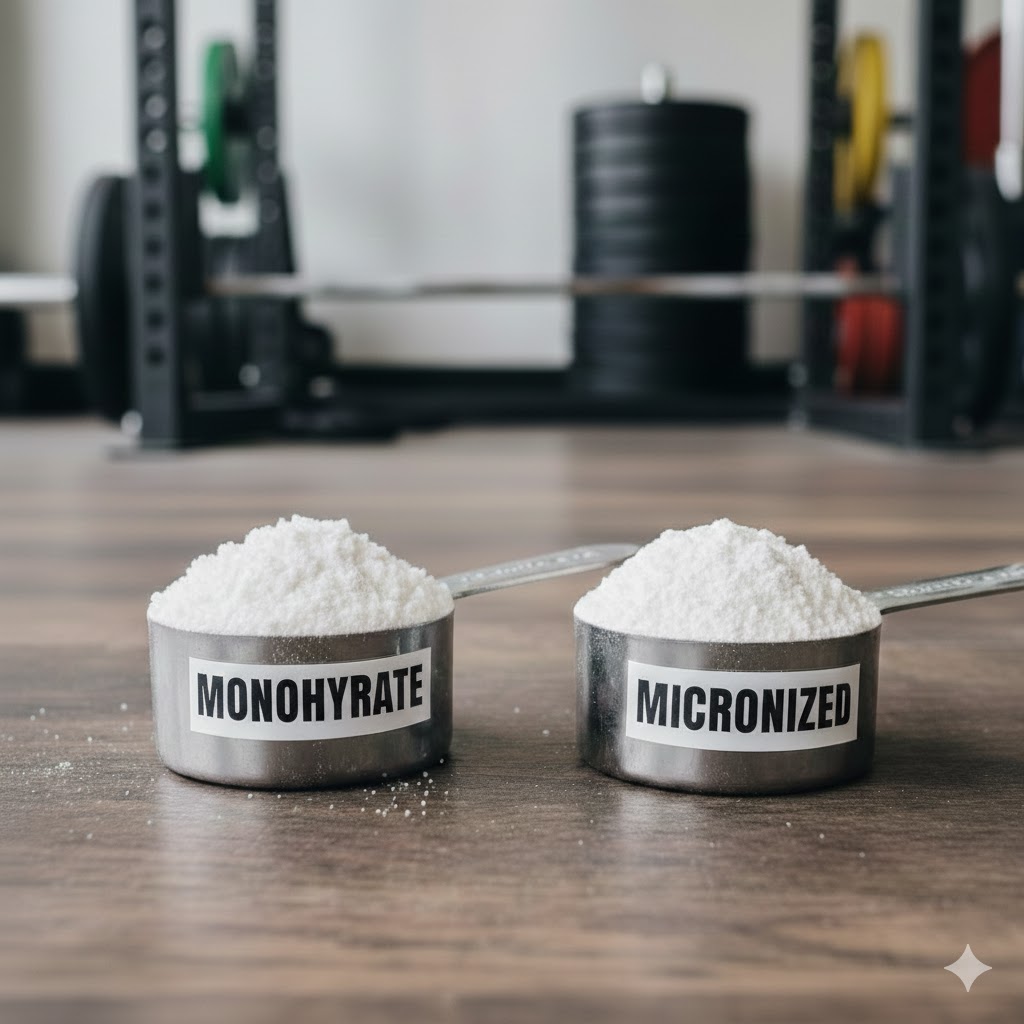
Fact: Creatine monohydrate is the most extensively researched, effective, and safe form. There is no consistent evidence that “fancy” formulas like creatine HCL or buffered creatine are safer or better than monohydrate—quality and source matter most.[3][5]
Myth 8: Creatine Causes Rhabdomyolysis (Severe Muscle Breakdown)
Fact: Large-scale studies have not found an increased risk of muscle breakdown (rhabdomyolysis) with creatine use in healthy people. Minor rises in creatine kinase (CK) blood markers after exercise are normal and not harmful.[1][8]
Myth 9: Creatine Always Upsets Your Stomach
Fact: Most people tolerate standard doses (3-5g daily) very well. Digestive upset is rare and usually only happens if large, unnecessary doses are used. Splitting the dose or taking with food can help minimize issues.[10][1][5]
Myth 10: Creatine Is Only for Athletes
Fact: Research confirms creatine’s safety and benefit in a wide range of people, not just athletes. Older adults, vegetarians, women, and those interested in cognitive or metabolic health may benefit from creatine supplementation.[6][5]
When Should You Use Caution?
- Individuals with pre-existing kidney or liver disease should consult a doctor before using creatine.[8][6]
- Pregnant or breastfeeding women and people on chronic medications should get professional guidance before use.[7][8]
- Stick to well-studied forms (like creatine monohydrate) and trusted brands, always following recommended dosages.
Related Articles
- Common Side Effects of Creatine: What You Need to Know
- Does Creatine Cause Hair Loss? Examining the Evidence
- Creatine for Women: Unique Benefits and Concerns
- Creatine for Older Adults: Is It Safe and Effective?
- Creatine Supplementation: Benefits and Risks
Frequently Asked Questions (FAQs)
1. Is creatine safe for daily, long-term use?
Yes. Decades of research show creatine is safe for healthy adults using recommended doses—even for several years. Read More[5][1]
2. Should people with kidney problems take creatine?
Anyone with kidney (or liver) disease should consult their doctor first. There’s no evidence of harm in healthy users. Read More[6][1]
3. Does creatine cause dehydration or muscle cramps?
No. Multiple studies find no increase in risk. Proper hydration is always recommended. Read More[9][1]
4. Is creatine safe for teenagers or older adults?
Research supports safety for all ages when used responsibly but consult with a healthcare provider for minors or older adults. Read More[5]
5. Can creatine cause hair loss?
Current evidence does not support a direct link between creatine and hair loss. Read More[1]
6. Does creatine interact with other supplements or medications?
Creatine is compatible with most common supplements, but consult your doctor if you take medications or have medical conditions. Read More
7. Is there a “best” form of creatine for safety?
Creatine monohydrate is the most researched and safest option. Read More
8. Are there any serious side effects reported?
Serious side effects are extremely rare; some people report mild bloating or GI upset. Read More
9. Can women safely use creatine?
Yes, research confirms creatine is safe and effective for women. Read More
10. What’s the safest way to start creatine supplementation?
Choose a reputable creatine monohydrate, follow dosing instructions, and start with 3–5 grams per day. Read More
Recommendations
Curious about the safest, best-quality creatine for your needs?
- Compare the top creatine supplements for 2025 here — see expert reviews and buyer’s tips.
- Ready to purchase? Find trusted online creatine retailers with exclusive affiliate discounts.
- Learn about healthy supplement habits: How to Take Creatine: Loading, Cycling & Maintenance.

Experience Safe, Effective Creatine Benefits
Now that you know the facts about creatine safety, try Creatine Ultimate CRN-5—backed by decades of research and trusted by athletes worldwide.
References
- Kreider RB, Kalman DS, Antonio J, et al. “International Society of Sports Nutrition position stand: safety and efficacy of creatine supplementation in exercise, sport, and medicine.” J Int Soc Sports Nutr. 2017.
- Gualano B, Rawson ES, Candow DG, et al. “Creatine supplementation is safe, beneficial throughout the lifespan, and may promote health and longevity.” Front Nutr. 2025.
- “Is Creatine Safe? And More Side Effect FAQs.” Healthline, 2019.
- “Creatine.” Mayo Clinic, 2023.
- “Creatine: What It Does, Benefits, Supplements & Safety.” Cleveland Clinic, 2025.
- “What is creatine? Potential benefits and risks of this popular supplement.” Harvard Health Publishing, 2024.
- Chipperfield N. “The Comprehensive Guide to Creatine: Benefits, Myths, and Misconceptions.” ChipperfieldPhysio.ca, 2025.
- Jinfiniti. “10 Creatine Myths Debunked by Science.” 2025.
- “Why everyone’s talking about creatine.” UCLA Health, 2025.
- “Full article: Part II. Common questions and misconceptions about creatine supplementation: what we know and what we still need to know.” Taylor & Francis Online, 2024.

Medically Reviewed for Accuracy
This content has been reviewed for accuracy and clarity by The Health Knowledge Base Medical Review Team, using current research and evidence-based health guidance.
Our review process helps ensure that information related to health, wellness, nutrition, lifestyle strategies, and natural support topics reflects current scientific understanding and responsible editorial standards.
Written by The Health Knowledge Base Editorial Team
Our editorial team consists of health researchers, wellness writers, and content specialists focused on creating clear, practical, and research-informed health content.
We publish educational articles designed to help readers better understand health topics, explore natural wellness strategies, and make more informed lifestyle decisions with confidence.
Affiliate Transparency, Medical Disclaimer & Safety Notice
At The Health Knowledge Base, we take pride in being a trusted resource and affiliate partner with select, high-quality companies. We choose these partnerships carefully because we genuinely believe their products, services, and educational resources align with the values and mission of our website.
When you purchase through certain links on this site, we may receive a small commission or compensation. This helps support our research, content creation, and ongoing work at no additional cost to you. Your price remains exactly the same.
Medical Disclaimer
The information provided by The Health Knowledge Base is for general informational and educational purposes only and is not a substitute for professional medical advice, diagnosis, or treatment.
Always seek the advice of your physician, doctor, or another qualified healthcare provider with any questions you may have regarding a medical condition, symptoms, treatment options, diet changes, exercise programs, or supplements.
Never disregard professional medical advice or delay in seeking it because of something you have read on this website.
Critical Safety Notice
Before making any changes to your diet, starting a new fitness or wellness routine, or taking any supplements mentioned on this site, you should consult with your doctor, physician, or another qualified healthcare professional. Reliance on any information provided by The Health Knowledge Base is solely at your own risk.
View our Affiliate Disclosure → | View our Medical Disclaimer →