Stay Informed With Trusted Health Insights
Join 5,000+ readers who receive evidence-informed health articles, wellness tips, supplement reviews, and practical health guides delivered straight to their inbox.
Get Free Health UpdatesNo spam. Just helpful health education, updates, and resources.
🌿Why Skin Breakouts Often Begin in the Gut
You’ve tried creams, cleansers, and maybe even prescriptions. Yet your acne keeps coming back.
The real problem might not be on your skin — it could be inside your gut.
Scientists now believe that many breakouts begin with gut dysbiosis.
This means the bacteria inside your digestive system are out of balance.
When this happens, inflammation spreads through your body.
Hormones shift, digestion slows, and your skin begins to show the damage.
This internal imbalance is called the gut-skin axis.
When your gut is unhealthy, your skin reflects it.
Let’s explore how your gut affects your complexion — and how to restore both naturally.
🧠 What Science Says About the Gut-Acne Link
Your gut and your skin communicate constantly through your immune system and hormones.
When your gut lining becomes inflamed or damaged, toxins leak into your bloodstream.
This condition is known as leaky gut.
Those toxins don’t just affect your digestion — they can reach your skin.
The result is inflammation that clogs pores and triggers acne.
That’s why creams or topical treatments often fail to solve the problem long term.
🩺 Learn more about leaky gut in What Causes Leaky Gut (And How to Heal It Naturally).
🔥 5 Ways Gut Imbalance Triggers Acne
1️⃣ Leaky Gut = Toxin Overload
A weak gut barrier allows bacteria and toxins to enter your bloodstream.
Your immune system responds with inflammation, which can appear as red, painful acne.
2️⃣ Inflammation and Hormones
Chronic gut inflammation increases cortisol and insulin.
These hormones overstimulate oil glands, causing shiny skin and clogged pores.
3️⃣ Poor Nutrient Absorption
When gut flora are unbalanced, your body can’t absorb zinc, vitamin A, or antioxidants effectively.
Without them, your skin loses its ability to repair and protect itself.
4️⃣ Sugar-Feeding Bacteria
A high-sugar diet feeds harmful gut bacteria.
This worsens both gut inflammation and skin irritation.
5️⃣ Stress and Gut Disruption
Stress disrupts gut bacteria diversity and slows digestion.
It also increases oil production, leading to more frequent breakouts.
💬 The Gut-Skin Axis in Action
Every time you eat, your gut sends chemical messages to your skin.
If your microbiome is balanced, those messages promote calm and clear skin.
If it’s imbalanced, they trigger oil, inflammation, and irritation.
🍎 Foods That Heal Acne from the Inside
What you eat can help repair the gut barrier and prevent acne.
Here are the best foods to include daily:
- Fermented foods – yogurt, kimchi, sauerkraut, kefir
- Fiber-rich greens – spinach, kale, asparagus
- Omega-3 fats – salmon, chia seeds, walnuts
- Zinc sources – pumpkin seeds, lentils, chickpeas
- Antioxidants – blueberries, green tea, turmeric
These foods feed good bacteria and reduce inflammation naturally.
🥗 Read more in The 12 Best Foods for Gut & Skin Health.
💊 The Role of Probiotics in Clearer Skin
Probiotics are live bacteria that restore balance inside your gut.
They help reduce inflammation, regulate hormones, and protect your skin’s natural barrier.
The most effective strains include:
- Lactobacillus rhamnosus GG – reduces acne severity
- Bifidobacterium longum – strengthens skin barrier and improves hydration
- Lactobacillus plantarum – reduces oxidative stress and redness
By restoring balance, these probiotics help calm the inflammation that drives acne.
👉 Find out which strains matter most in The 4 Best Probiotic Strains for Clear Skin.
⏳ How to Heal the Gut-Skin Axis Naturally
Healing the gut takes time and consistency. Follow these steps daily:
- Remove triggers: Cut out processed sugar, excess dairy, and alcohol.
- Add fiber and prebiotics: They feed beneficial gut bacteria.
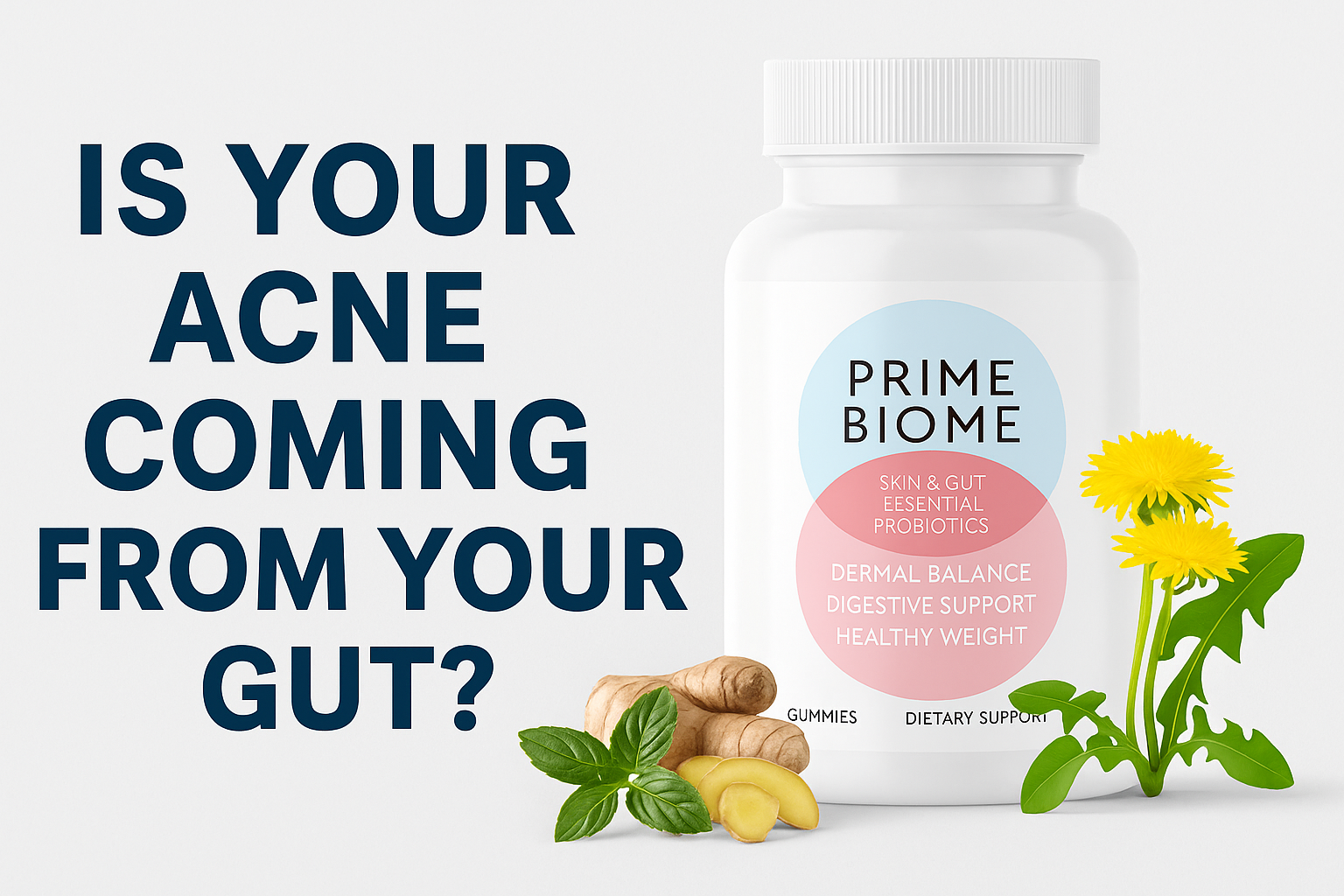
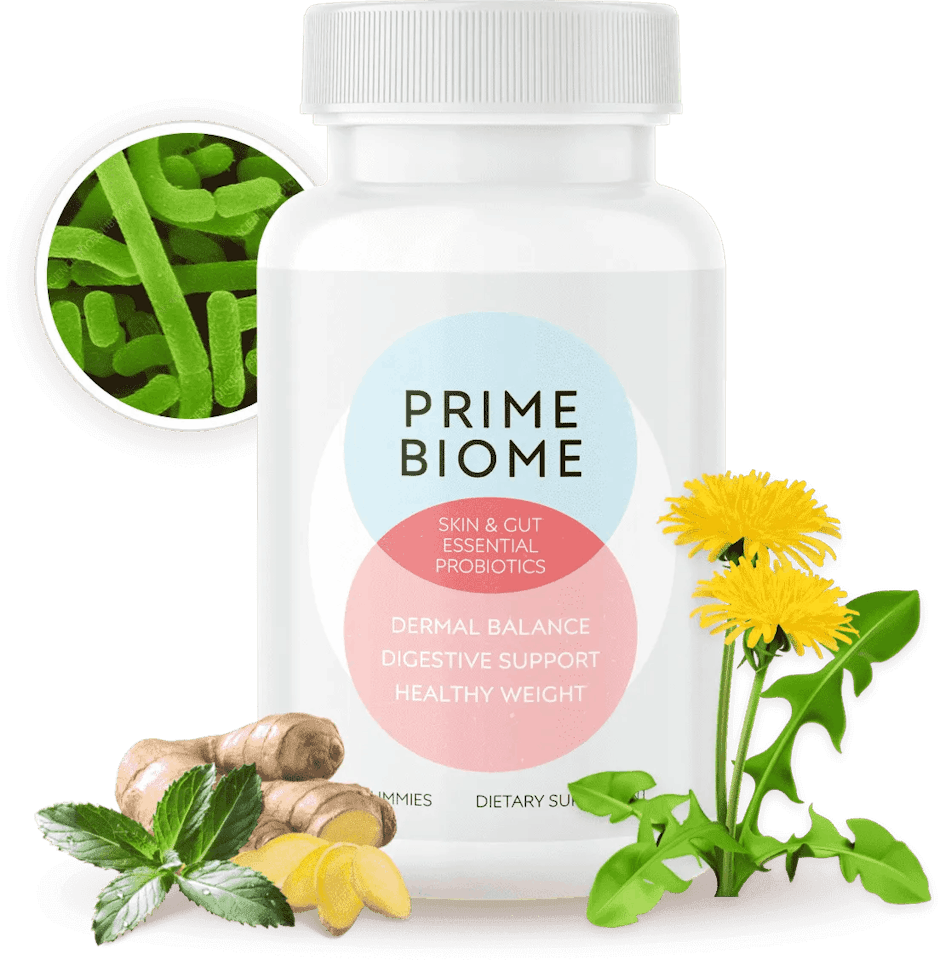
- Take a targeted probiotic: Supplements like PrimeBiome support gut and skin balance.
- Manage stress: Use breathing exercises, yoga, or evening walks.
- Stay consistent: It takes about four weeks to see real changes.
💊 For a complete gut-skin probiotic, discover PrimeBiome here. It’s formulated with research-backed strains that calm inflammation and promote clear, healthy skin.
💡 The Takeaway
If your acne won’t go away, your gut may be sending an SOS.
Balancing your microbiome can reduce redness, prevent flare-ups, and give your skin a natural glow.
Topical products can help the surface — but lasting clarity starts within.
True beauty begins where most people never look — inside the gut.
❓ Frequently Asked Questions
1. Can poor gut health cause acne?
Yes. When gut bacteria are unbalanced, inflammation and hormonal changes can lead to breakouts.
2. What is leaky-gut acne?
Leaky gut acne happens when toxins escape a damaged gut barrier and trigger inflammation in the skin.
3. How do I know if my acne is gut-related?
If you have both acne and digestive issues like bloating or fatigue, your gut is likely involved.
4. Which probiotics help acne the most?
Lactobacillus rhamnosus GG and Bifidobacterium longum are the top researched strains for clearer skin.
5. Can diet alone fix gut acne?
Diet helps, but a probiotic such as PrimeBiome provides faster and more complete gut restoration.
6. What foods make acne worse?
Sugar, dairy, and processed oils feed harmful bacteria and worsen inflammation.
7. Does stress affect gut-related acne?
Yes. High stress levels increase cortisol, which disrupts gut balance and oil production.
8. How long before I see results?
Most people notice visible improvements in three to six weeks of consistent gut support.
9. Does gut healing reduce oily skin too?
Yes. Once your microbiome stabilizes, oil production usually returns to normal levels.
10. How does PrimeBiome help with acne?
PrimeBiome restores healthy gut flora, reduces inflammation, and supports natural sebum regulation for clearer skin.

Medically Reviewed for Accuracy
This content has been reviewed for accuracy and clarity by The Health Knowledge Base Medical Review Team, using current research and evidence-based health guidance.
Our review process helps ensure that information related to health, wellness, nutrition, lifestyle strategies, and natural support topics reflects current scientific understanding and responsible editorial standards.
Written by The Health Knowledge Base Editorial Team
Our editorial team consists of health researchers, wellness writers, and content specialists focused on creating clear, practical, and research-informed health content.
We publish educational articles designed to help readers better understand health topics, explore natural wellness strategies, and make more informed lifestyle decisions with confidence.
Affiliate Transparency, Medical Disclaimer & Safety Notice
At The Health Knowledge Base, we take pride in being a trusted resource and affiliate partner with select, high-quality companies. We choose these partnerships carefully because we genuinely believe their products, services, and educational resources align with the values and mission of our website.
When you purchase through certain links on this site, we may receive a small commission or compensation. This helps support our research, content creation, and ongoing work at no additional cost to you. Your price remains exactly the same.
Medical Disclaimer
The information provided by The Health Knowledge Base is for general informational and educational purposes only and is not a substitute for professional medical advice, diagnosis, or treatment.
Always seek the advice of your physician, doctor, or another qualified healthcare provider with any questions you may have regarding a medical condition, symptoms, treatment options, diet changes, exercise programs, or supplements.
Never disregard professional medical advice or delay in seeking it because of something you have read on this website.
Critical Safety Notice
Before making any changes to your diet, starting a new fitness or wellness routine, or taking any supplements mentioned on this site, you should consult with your doctor, physician, or another qualified healthcare professional. Reliance on any information provided by The Health Knowledge Base is solely at your own risk.
View our Affiliate Disclosure → | View our Medical Disclaimer →