Stay Informed With Trusted Health Insights
Join 5,000+ readers who receive evidence-informed health articles, wellness tips, supplement reviews, and practical health guides delivered straight to their inbox.
Get Free Health UpdatesNo spam. Just helpful health education, updates, and resources.
That constant need to clear your throat. The feeling of something always stuck in your chest. The endless cycle of congestion that never seems to improve no matter what you try.
What if the solution isn’t about what you need to add to your diet, but what you need to remove?
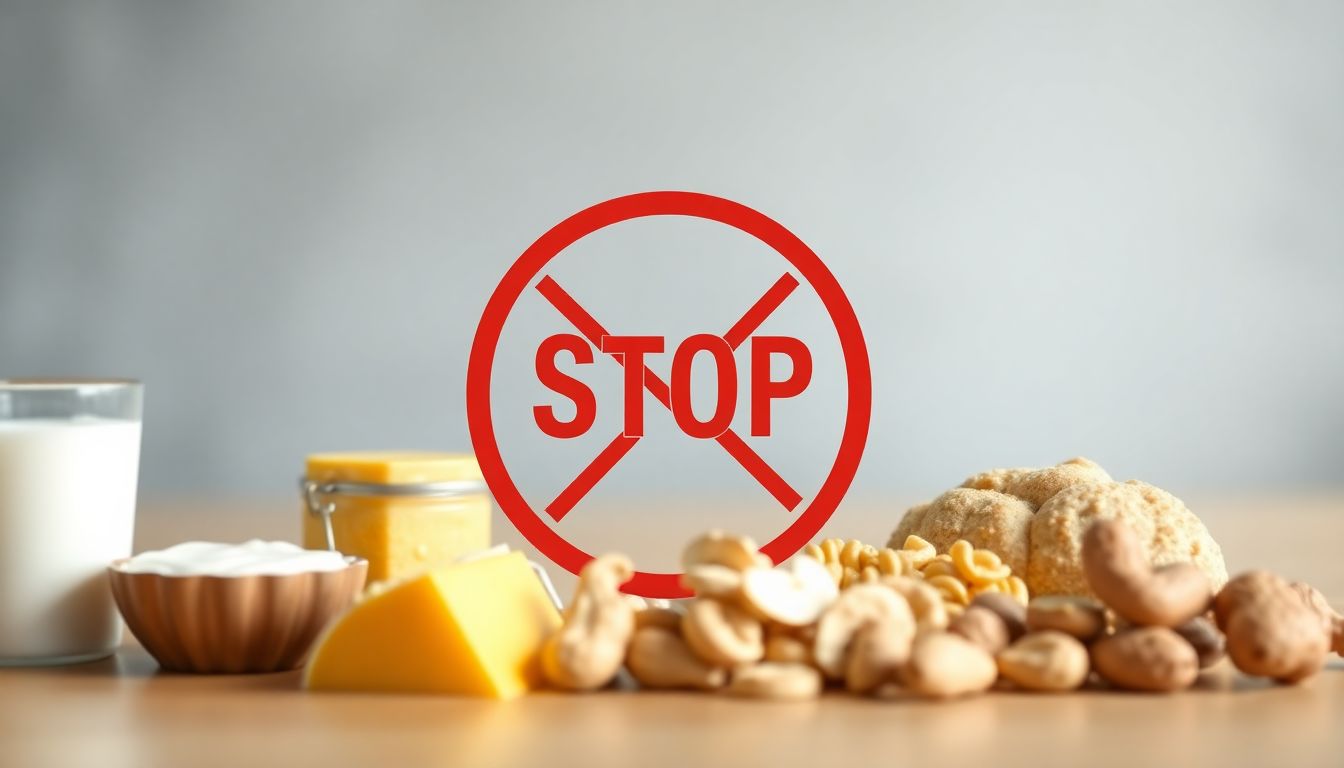
While we often focus on mucus-clearing foods and remedies, we overlook the everyday foods that might be triggering excess mucus production in the first place. Some of these culprits might surprise you—they’re often considered “healthy” foods that are secretly worsening your congestion.
Based on clinical observations and emerging research, here are the top 5 mucus-forming foods that could be sabotaging your breathing—and what to eat instead.
1. Dairy Products: The Classic Mucus-Maker
Why They Cause Problems: Dairy contains a protein called casein that can stimulate mucus production in some people. It also contains lactose, which some individuals have difficulty digesting, leading to inflammation and increased phlegm. The texture of dairy itself can make existing mucus feel thicker and more noticeable.
The Science: While the mechanism isn’t fully understood, a study in the Journal of the American College of Nutrition found that many people report increased nasal congestion and phlegm after consuming dairy, even if they’re not lactose intolerant.
What to Avoid:
- Milk, cheese, yogurt, ice cream
- Cream-based soups and sauces
- Foods with hidden dairy (check labels)
Better Alternatives:
- Almond, oat, or coconut milk
- Nutritional yeast instead of cheese
- Coconut or cashew-based “yogurts”
2. Processed Sugars: The Inflammatory Trigger
Why They Cause Problems: Refined sugars spike your blood glucose levels, triggering an inflammatory response throughout your body—including your respiratory system. This inflammation can irritate your airways and stimulate excess mucus production as a protective mechanism.
The Science: Research in Nutrition Journal showed that high-sugar diets increase inflammatory markers like C-reactive protein, which correlates with increased respiratory symptoms and mucus production.
What to Avoid:
- Soda, sweetened juices, energy drinks
- Candy, cookies, cakes, pastries
- Breakfast cereals with added sugar
- Hidden sugars in sauces, dressings, and processed foods
Better Alternatives:
- Fresh fruits (in moderation)
- Natural sweeteners like raw honey or maple syrup (sparingly)
- Dark chocolate (70%+ cocoa)
3. Gluten-Rich Foods: The Surprising Aggravator
Why They Cause Problems: For some people, gluten can trigger an immune response that increases inflammation throughout the body. Even without celiac disease, many experience non-celiac gluten sensitivity that manifests as sinus congestion and increased mucus production.
The Science: A study published in Digestive Diseases and Sciences found that gluten sensitivity can cause extra-intestinal symptoms, including respiratory issues and increased mucus in susceptible individuals.
What to Avoid:
- Wheat bread, pasta, crackers
- Baked goods made with wheat flour
- Beer and malt beverages
- Processed foods with hidden gluten
Better Alternatives:
- Quinoa, rice, oats (certified gluten-free)
- Almond flour or coconut flour baked goods
- Sweet potatoes, squash, and other starchy vegetables
4. Soy Products: The Hidden Aggravator
Why They Cause Problems: Soy contains compounds called trypsin inhibitors and goitrogens that can be difficult for some people to digest, potentially triggering inflammatory responses. Soy is also a common allergen that can cause respiratory symptoms in sensitive individuals.
The Science: The Journal of Allergy and Clinical Immunology reports that soy is among the top eight allergens that can cause respiratory symptoms including increased mucus production in allergic individuals.
What to Avoid:
- Soy milk, tofu, tempeh
- Edamame and soy-based protein powders
- Processed foods with soy lecithin or soy protein
- Many vegetarian meat substitutes
Better Alternatives:
- Lentils, chickpeas, and other legumes
- Nut-based milks and proteins
- Beans, peas, and other plant proteins
5. Certain Nuts (Especially Peanuts): The Unexpected Culprit
Why They Cause Problems: Peanuts are actually legumes, not true nuts, and contain proteins that are common allergens. They also contain aflatoxins (naturally occurring molds) that can trigger inflammatory responses in sensitive people. Even tree nuts can cause issues for those with sensitivities.
The Science: Research in Allergy journal indicates that peanut allergies can cause respiratory symptoms including increased mucus production, and even non-allergic individuals may experience mild inflammatory responses.
What to Avoid:
- Peanuts and peanut butter
- Mixed nuts containing peanuts
- Foods cooked in peanut oil
- If sensitive: almonds, walnuts, cashews
Better Alternatives:
- Sunflower seed butter or tahini
- Pumpkin seeds and sunflower seeds
- If not sensitive: almonds, walnuts in moderation
The 7-Day “Mucus Reduction” Experiment
Want to know if these foods are affecting YOU? Try this simple experiment:
- Days 1-3: Eliminate all five categories completely
- Days 4-7: Reintroduce one category per day and note any changes
- Track symptoms: mucus production, congestion, coughing, sinus pressure
Most people notice significant improvement within 3-4 days of elimination. For a structured approach, use our 7 Day Lung Detox Checklist.
Important Note: Individual Variation Matters
Not everyone reacts to all these foods. You might be fine with dairy but sensitive to gluten, or tolerate nuts but react to soy. The key is paying attention to YOUR body’s signals. Keep a food-symptom journal to identify your personal triggers.
The Good News: What You CAN Eat
While eliminating these potential triggers, focus on the anti-inflammatory foods we highlighted in our guide to The Lungs’ Best Friends: Top 5 Anti-Inflammatory Foods for Breathing.
The Bottom Line: Knowledge is Power Against Mucus
Understanding which foods might be triggering your mucus production gives you power over your symptoms. While you don’t necessarily need to eliminate these foods forever, being aware of their potential effects allows you to make informed choices—especially during flare-ups or when you need clear breathing the most.
Remember: Your body is unique. Use this information as a starting point for your own experimentation, and you’ll discover the dietary pattern that keeps your lungs clear and your breathing easy.
Foods That Cause Mucus: Your Questions Answered
1. How quickly will I notice less mucus after eliminating these foods?
Most people notice significant improvement within 3-7 days of eliminating trigger foods. The body needs time to clear existing inflammation and reduce mucus production. Some sensitive individuals feel better in as little as 24-48 hours.
2. Is all dairy equally problematic for mucus?
Not necessarily. Many people find that fermented dairy like yogurt and kefir is better tolerated than milk or ice cream. The fermentation process breaks down some of the problematic proteins. However, individual sensitivity varies greatly.
3. Are there any “healthy” foods that can cause mucus?
Yes, this is the surprising part! Bananas, corn, and eggs can trigger mucus in some sensitive individuals, despite being generally healthy. This is why personalized experimentation is more valuable than following rigid rules.
4. Can I ever eat these foods again?
For most people, occasional consumption is fine once you’ve identified your specific triggers and gotten your mucus under control. The goal is awareness, not necessarily lifelong elimination (unless you have confirmed allergies or severe sensitivities).
5. Why does sugar cause mucus when it’s not a common allergen?
Sugar causes mucus indirectly through inflammation. It spikes blood sugar and insulin, triggering inflammatory pathways throughout your body. This systemic inflammation affects your respiratory system, leading to increased mucus production as a protective response.
6. How do I know which foods are MY triggers?
The most effective approach is an elimination diet followed by careful reintroduction. Remove all potential triggers for 1-2 weeks, then reintroduce one food at a time every 3 days, noting any changes in mucus, congestion, or breathing. Our 7 Day Lung Detox Diet provides a structured approach.
7. Are there tests for food sensitivities that cause mucus?
While IgG food sensitivity tests exist, many experts consider elimination-reintroduction the “gold standard” for identifying triggers. Blood tests can have false positives and may not correlate with actual symptoms. Your personal experience is the most reliable guide.
8. Can children be affected by mucus-causing foods?
Yes, children can be even more sensitive than adults. Dairy and food colorings are common triggers for childhood congestion and recurrent ear infections. Always consult a pediatrician before making significant dietary changes for children.
9. What about nightshade vegetables?
Tomatoes, potatoes, peppers, and eggplant can trigger inflammation and mucus in some sensitive individuals, though they’re fine for most people. If you’ve eliminated the main culprits and still have issues, consider exploring nightshade sensitivity.
10. Should I see a doctor about food-related mucus?
Consult a doctor if you experience: difficulty breathing, wheezing, swelling, or anaphylaxis after eating certain foods. These could indicate serious allergies. For chronic mucus without emergency symptoms, dietary experimentation is generally safe, but professional guidance can be helpful for persistent issues.
📋 Ready for a Structured Approach?
Get our complete 7 Day Lung Detox Diet with meal plans, recipes, and shopping list to systematically identify your triggers.
This step-by-step guide makes it easy to eliminate mucus-causing foods and discover what works for your body.
Click on Image above to Learn More
Still Have Questions? We Have Answers.
Lung health is complex. If you’re wondering “What about…?” or “What’s next for me?”, you’re not alone. Our Resource Hub is built to be your **first stop for trustworthy, in-depth answers** on every aspect of respiratory wellness.
- Condition-Specific Guides (COPD, Asthma, Post-COVID)
- Step-by-Step Detox & Recovery Plans
- Science-Backed Natural & Conventional Strategies

Medically Reviewed for Accuracy
This content has been reviewed for accuracy and clarity by The Health Knowledge Base Medical Review Team, using current research and evidence-based health guidance.
Our review process helps ensure that information related to health, wellness, nutrition, lifestyle strategies, and natural support topics reflects current scientific understanding and responsible editorial standards.
Written by The Health Knowledge Base Editorial Team
Our editorial team consists of health researchers, wellness writers, and content specialists focused on creating clear, practical, and research-informed health content.
We publish educational articles designed to help readers better understand health topics, explore natural wellness strategies, and make more informed lifestyle decisions with confidence.
Affiliate Transparency, Medical Disclaimer & Safety Notice
At The Health Knowledge Base, we take pride in being a trusted resource and affiliate partner with select, high-quality companies. We choose these partnerships carefully because we genuinely believe their products, services, and educational resources align with the values and mission of our website.
When you purchase through certain links on this site, we may receive a small commission or compensation. This helps support our research, content creation, and ongoing work at no additional cost to you. Your price remains exactly the same.
Medical Disclaimer
The information provided by The Health Knowledge Base is for general informational and educational purposes only and is not a substitute for professional medical advice, diagnosis, or treatment.
Always seek the advice of your physician, doctor, or another qualified healthcare provider with any questions you may have regarding a medical condition, symptoms, treatment options, diet changes, exercise programs, or supplements.
Never disregard professional medical advice or delay in seeking it because of something you have read on this website.
Critical Safety Notice
Before making any changes to your diet, starting a new fitness or wellness routine, or taking any supplements mentioned on this site, you should consult with your doctor, physician, or another qualified healthcare professional. Reliance on any information provided by The Health Knowledge Base is solely at your own risk.
View our Affiliate Disclosure → | View our Medical Disclaimer →