Stay Informed With Trusted Health Insights
Join 5,000+ readers who receive evidence-informed health articles, wellness tips, supplement reviews, and practical health guides delivered straight to their inbox.
Get Free Health UpdatesNo spam. Just helpful health education, updates, and resources.
That moment when you reach for your inhaler, wondering if this will be the day it stops working as well. The constant worry about your next flare-up. The frustration of watching your world shrink as breathing becomes more difficult.
If you’re living with COPD, you know the conventional treatments are essential—but what if they’re not the whole story?
Emerging research reveals that certain natural approaches, when combined with standard medical care, can significantly improve COPD outcomes. A 2024 review in the European Respiratory Journal found that integrative approaches could reduce COPD exacerbations by up to 35% and improve quality of life scores by 40%.
The key isn’t about replacing your medications—it’s about building a comprehensive support system that addresses inflammation, oxidative stress, and lung tissue repair from multiple angles.
Here are the most effective science-backed natural remedies for COPD that can help you breathe easier and live more fully.
Understanding COPD: More Than Just “Smoker’s Lung”
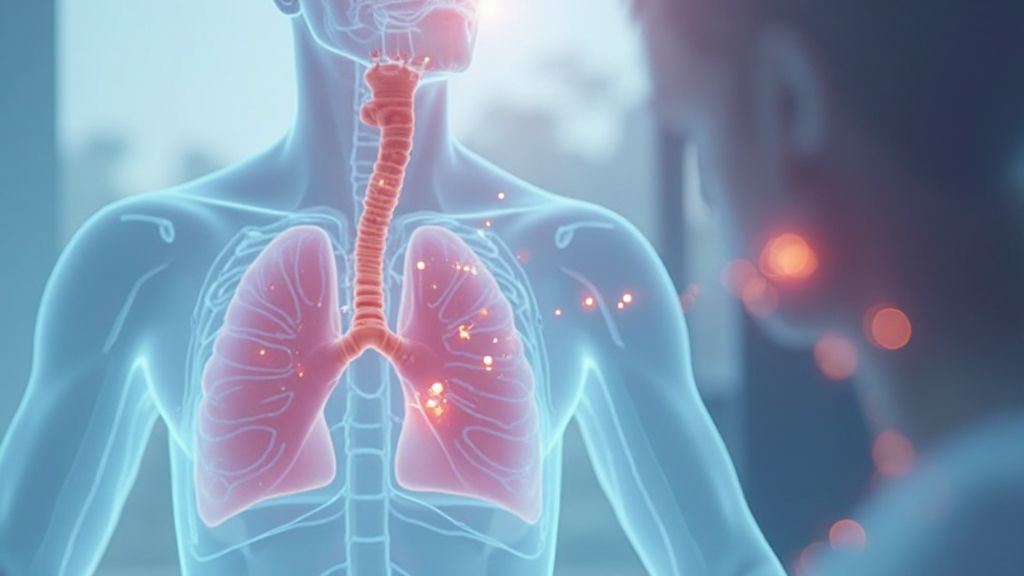
COPD (Chronic Obstructive Pulmonary Disease) involves two main conditions:
- Emphysema: Damage to air sacs (alveoli)
- Chronic Bronchitis: Inflammation and mucus in airways
The conventional approach focuses on bronchodilators and steroids, but natural remedies target the underlying mechanisms:
- Chronic inflammation
- Oxidative stress
- Mucus overproduction
- Muscle wasting (including respiratory muscles)
Important Medical Disclaimer
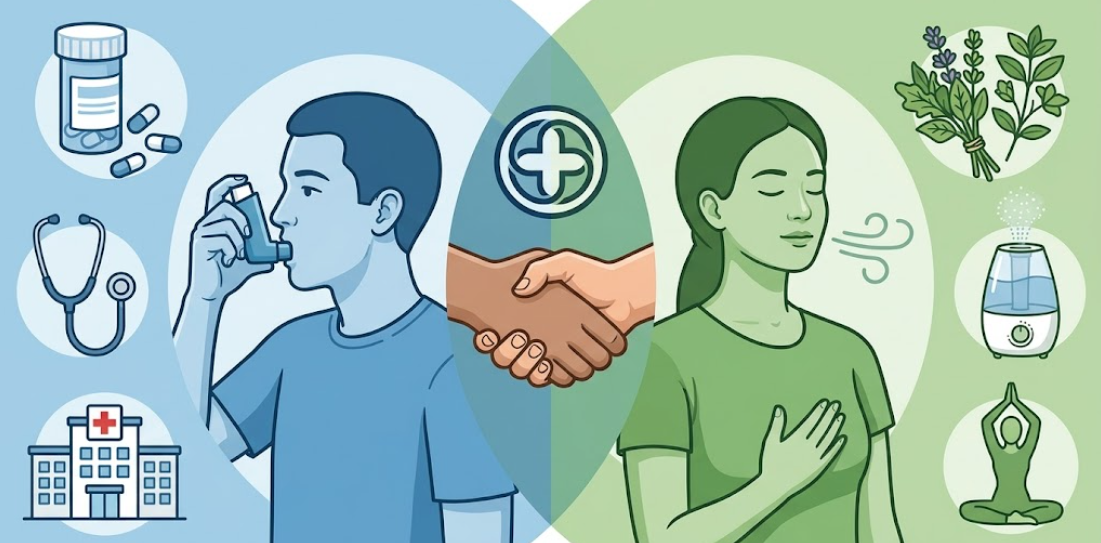
Never stop or reduce prescribed COPD medications without consulting your doctor. These natural approaches are complementary, not replacements for standard care. Work with your healthcare provider to integrate them safely.
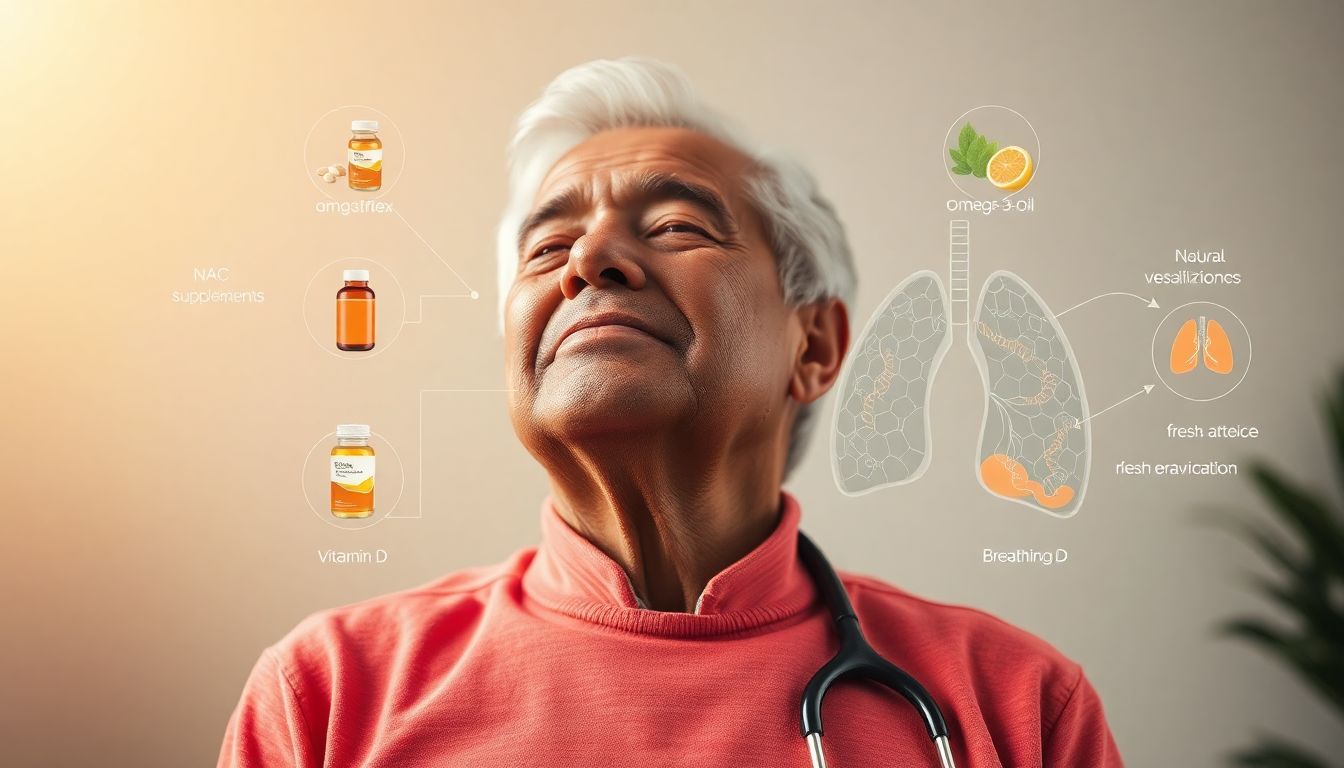
The 5 Most Science-Backed Natural Remedies for COPD
1. N-Acetylcysteine (NAC): The Mucus Dissolver
How It Helps: NAC breaks the disulfide bonds in thick mucus while boosting glutathione, your body’s master antioxidant.
The Science: A meta-analysis in Respiratory Medicine found that long-term NAC supplementation reduced COPD exacerbations by 22% and improved symptoms in 58% of patients.
Protocol:
- Dosage: 600 mg twice daily
- Timing: With meals to prevent stomach upset
- Duration: Long-term use shows cumulative benefits
Our Detailed Guide: Learn more in our article on How NAC Breaks Down Mucus.
2. Omega-3 Fatty Acids: The Inflammation Fighter
How It Helps: Omega-3s (EPA and DHA) produce resolvins that actively resolve inflammation and may help preserve lung function.
The Science: Research in Chest Journal showed COPD patients taking omega-3s had reduced inflammatory markers and better preservation of lung function over time.
Best Sources:
- Fish oil: 2-3 grams daily of combined EPA/DHA
- Food sources: Wild-caught salmon, sardines, mackerel
- Vegetarian option: Algae-based omega-3 supplements
3. Vitamin D: The Immune Modulator
How It Helps: Vitamin D deficiency is common in COPD and linked to increased exacerbations. Adequate levels support immune function and may reduce respiratory infections.
The Science: A study in The Lancet Respiratory Medicine found that vitamin D supplementation reduced severe COPD exacerbations by 45% in deficient patients.
Recommendations:
- Get tested: Ask your doctor for a vitamin D test
- Supplementation: 2,000-4,000 IU daily (based on blood levels)
- With food: Take with fatty meals for better absorption
4. Breathing Retraining: The Foundation
How It Helps: Proper breathing techniques improve oxygen exchange, reduce breathlessness, and help clear mucus more effectively.
Most Effective Techniques:
- Pursed-lip breathing: Our guide to instant breathlessness relief
- Diaphragmatic breathing: Strengthen your breathing muscles
- Airway clearance techniques: Postural drainage positions
The Science: Pulmonary rehabilitation programs that include breathing retraining have been shown to reduce hospitalizations and improve exercise capacity.
5. Antioxidant-Rich Diet: The Cellular Protector
How It Helps: COPD involves massive oxidative stress. Antioxidants from food help neutralize this damage.
Most Beneficial Foods:
- Berries: Rich in anthocyanins
- Cruciferous vegetables: Broccoli, kale, Brussels sprouts
- Green tea: High in EGCG
- Turmeric: Powerful anti-inflammatory curcumin
The Science: Research in American Journal of Respiratory and Critical Care Medicine found higher fruit and vegetable intake was associated with slower lung function decline in COPD.
Creating Your Personalized COPD Support Protocol
Daily Foundation
- Morning: NAC 600 mg + Vitamin D + Omega-3s
- Breathing practice: 5 minutes of pursed-lip and diaphragmatic breathing
- Meals: Focus on antioxidant-rich foods from our lung-health foods guide
During Flare-ups
- Increase NAC: 600 mg three times daily (with doctor’s approval)
- Steam inhalation: With eucalyptus or peppermint oil
- Rest and hydration: Crucial for recovery
- Monitor closely: Seek medical attention if symptoms worsen
Weekly Maintenance
- Light exercise: As tolerated (walking, gentle yoga)
- Weight monitoring: Sudden changes can indicate problems
- Supplement review: Ensure consistency
The Evidence on Herbal Remedies for COPD
Proven Effective:
- Ginseng: May improve exercise capacity and quality of life
- Curcumin (from turmeric): Reduces inflammation markers
- Ginger: Natural anti-inflammatory and bronchodilator
Approach with Caution:
- Echinacea: May interact with some medications
- Licorice root: Can affect blood pressure and potassium
- St. John’s Wort: Multiple medication interactions
Always discuss herbal remedies with your healthcare provider, especially with multiple medications.
Lifestyle Modifications That Make a Real Difference
1. Pulmonary Rehabilitation
Why: The single most effective non-pharmacological intervention for COPD
Evidence: Reduces breathlessness, hospitalizations, and improves quality of life
2. Strategic Exercise
- Walking: Start with 5-10 minutes, gradually increase
- Strength training: Focus on legs and core muscles
- Breathing during activity: Use pursed-lip breathing
3. Environmental Optimization
- Air purifiers: Reduce indoor pollutants
- Humidity control: 40-50% ideal for most COPD patients
- Infection prevention: Hand hygiene, avoid sick contacts
4. Nutrition Strategies
- Small, frequent meals: Reduce abdominal pressure on diaphragm
- Protein focus: Prevent muscle wasting
- Hydration: Thin mucus naturally
What the Research Says About Specific Supplement Combinations
NAC + Carbocysteine
Evidence: Synergistic effect for reducing exacerbations
Consideration: Requires medical supervision
Omega-3s + Vitamin D
Evidence: Complementary anti-inflammatory effects
Safety: Generally very safe combination
Antioxidant Cocktails
Evidence: Mixed results—food sources often better than isolated supplements
Recommendation: Focus on whole foods first
Monitoring Your Progress: What to Look For
Positive Signs (Within 4-8 Weeks)
- Reduced daily breathlessness
- Fewer coughing episodes
- Easier mucus clearance
- Increased exercise tolerance
- Better sleep quality
When to Adjust Your Approach
- No improvement after 2 months
- Increased medication use
- More frequent flare-ups
- Unwanted side effects
The Bottom Line: Building Your Comprehensive COPD Strategy
Living well with COPD isn’t about finding one miracle cure—it’s about creating layers of support that work together. Your pharmaceutical treatments are essential, but these natural approaches can provide additional protection and improvement.
Start with one evidence-based supplement (NAC is often the best starting point) and one breathing technique. Track your symptoms for 4-6 weeks before adding another element.
Remember: The goal isn’t perfection—it’s progress. Even small improvements in breathing ease and reduced flare-ups can dramatically improve your quality of life.
Your breathing journey is unique, but you don’t have to navigate it alone. These science-backed approaches offer real hope for breathing easier and living more fully with COPD.
Natural Remedies for COPD: Your Questions Answered
1. Are these natural remedies safe to use with my COPD medications?
Most are generally safe when used as directed, but always consult your doctor first. Some supplements can interact with medications. NAC and omega-3s are typically very safe, but herbs and high-dose antioxidants need professional guidance, especially with blood thinners or steroids.
2. How long until I notice improvements in my breathing?
Some benefits like easier mucus clearance with NAC can appear within 1-2 weeks. Reduced inflammation and fewer exacerbations typically take 2-3 months of consistent use. Breathing retraining shows benefits within 4-6 weeks with daily practice.
3. Can natural remedies reverse COPD damage?
While natural approaches cannot reverse existing lung damage, they can significantly slow progression, reduce symptoms, prevent exacerbations, and improve quality of life. The goal is better management and preservation of remaining lung function, not reversal of structural damage.
4. What’s the most important natural remedy to start with?
Most experts recommend starting with NAC (N-Acetylcysteine) due to its strong evidence for reducing exacerbations and excellent safety profile. Combined with daily breathing exercises, this provides the foundation for most COPD patients. Then add other supplements based on your specific needs and deficiencies.
5. Are there any natural remedies I should avoid with COPD?
Avoid sedating herbs (valerian, kava) that might suppress breathing. Be cautious with immune stimulants (echinacea, elderberry) during autoimmune flares. Never use essential oils internally without professional guidance. When in doubt, consult your pulmonologist before trying new remedies.
6. Can diet really make a difference for COPD?
Absolutely. Research shows COPD patients eating antioxidant-rich diets have slower disease progression and fewer hospitalizations. Focus on colorful fruits/vegetables, healthy fats, and adequate protein. Being overweight or underweight both worsen COPD outcomes – aim for healthy weight maintenance.
7. How do I know if a natural remedy is working?
Track objective measures: reduced rescue inhaler use, fewer exacerbations, improved walking distance, better sleep. Use a symptom diary to track breathlessness, cough, and mucus. Give each approach 2-3 months unless you experience side effects sooner.
8. Are expensive supplements better than affordable ones?
Not necessarily. Look for third-party testing (USP, NSF) rather than high price tags. Many affordable brands provide excellent quality. The key is consistency with evidence-based supplements rather than chasing expensive “miracle cures” with poor evidence.
9. Can breathing exercises really help advanced COPD?
Yes, even in advanced stages. Breathing retraining remains beneficial for managing breathlessness and improving oxygen efficiency. The techniques may need modification, but pursed-lip breathing and pacing strategies help at all disease stages. Even bed-bound patients can benefit from breathing practice.
10. When should I seek emergency care despite using natural remedies?
Seek immediate medical attention for: sudden worsening of breathlessness, blue lips/fingernails, confusion/drowsiness, chest pain, or inability to speak in full sentences. Natural remedies are for maintenance and mild-moderate symptoms – they don’t replace emergency care for severe exacerbations.
Still Have Questions? We Have Answers.
Lung health is complex. If you’re wondering “What about…?” or “What’s next for me?”, you’re not alone. Our Resource Hub is built to be your **first stop for trustworthy, in-depth answers** on every aspect of respiratory wellness.
- Condition-Specific Guides (COPD, Asthma, Post-COVID)
- Step-by-Step Detox & Recovery Plans
- Science-Backed Natural & Conventional Strategies

Medically Reviewed for Accuracy
This content has been reviewed for accuracy and clarity by The Health Knowledge Base Medical Review Team, using current research and evidence-based health guidance.
Our review process helps ensure that information related to health, wellness, nutrition, lifestyle strategies, and natural support topics reflects current scientific understanding and responsible editorial standards.
Written by The Health Knowledge Base Editorial Team
Our editorial team consists of health researchers, wellness writers, and content specialists focused on creating clear, practical, and research-informed health content.
We publish educational articles designed to help readers better understand health topics, explore natural wellness strategies, and make more informed lifestyle decisions with confidence.
Affiliate Transparency, Medical Disclaimer & Safety Notice
At The Health Knowledge Base, we take pride in being a trusted resource and affiliate partner with select, high-quality companies. We choose these partnerships carefully because we genuinely believe their products, services, and educational resources align with the values and mission of our website.
When you purchase through certain links on this site, we may receive a small commission or compensation. This helps support our research, content creation, and ongoing work at no additional cost to you. Your price remains exactly the same.
Medical Disclaimer
The information provided by The Health Knowledge Base is for general informational and educational purposes only and is not a substitute for professional medical advice, diagnosis, or treatment.
Always seek the advice of your physician, doctor, or another qualified healthcare provider with any questions you may have regarding a medical condition, symptoms, treatment options, diet changes, exercise programs, or supplements.
Never disregard professional medical advice or delay in seeking it because of something you have read on this website.
Critical Safety Notice
Before making any changes to your diet, starting a new fitness or wellness routine, or taking any supplements mentioned on this site, you should consult with your doctor, physician, or another qualified healthcare professional. Reliance on any information provided by The Health Knowledge Base is solely at your own risk.
View our Affiliate Disclosure → | View our Medical Disclaimer →