

Stay Informed With Trusted Health Insights
Join 5,000+ readers who receive evidence-informed health articles, wellness tips, supplement reviews, and practical health guides delivered straight to their inbox.
Get Free Health UpdatesNo spam. Just helpful health education, updates, and resources.
That sudden gasp for air. The panicked feeling that you can’t get enough oxygen. The tightness in your chest that makes every breath a struggle.
If you’ve experienced sudden shortness of breath, you know how terrifying it can be. Whether it hits during simple activities like climbing stairs, or unexpectedly during a stressful moment, that air-hunger feeling can trigger panic that only makes breathing harder.
But what if you could stop this cycle in its tracks?
There’s a simple, zero-cost technique used by pulmonary rehabilitation specialists worldwide that can break the cycle of breathlessness in under 30 seconds. It requires no equipment, no medication, and can be done anywhere.
It’s called Pursed-Lip Breathing—and it might be the most important breathing technique you’ll ever learn for instant relief.
For those experiencing frequent breathing difficulties, understanding hidden signs of lung congestion can help address underlying causes.
What is Pursed-Lip Breathing and Why Does It Work So Fast?
Pursed-lip breathing is a simple two-step technique where you inhale slowly through your nose and exhale gently through pursed lips (as if you’re whistling or cooling hot soup).
This isn’t just a “relaxation trick”—it’s grounded in solid respiratory physiology. Here’s what happens in your lungs when you do it:
- Keeps Airways Open Longer: The slight resistance created by your pursed lips creates back-pressure that props open your airways during exhalation, preventing them from collapsing prematurely.
- Releases Trapped Air: People with breathlessness often have air trapped in their lungs, leaving less room for fresh, oxygen-rich air to enter. The prolonged exhale helps empty this stale air. This is particularly helpful for clearing the stubborn mucus that can contribute to breathing difficulties. For comprehensive mucus management, explore natural mucus clearance methods that work alongside breathing techniques.
- Slows Your Breathing Rate: This technique naturally slows your respiratory rate from often 20-30 breaths per minute down to a more efficient 8-12 breaths, giving your lungs more time to exchange gases.
- Calms the Panic Response: The controlled, rhythmic nature immediately engages your parasympathetic nervous system, reducing the anxiety that exacerbates breathlessness.
This technique works particularly well when combined with diaphragmatic breathing exercises that strengthen your core breathing muscles for long-term improvement.
The 30-Second “Breathlessness Rescue” Technique (Step-by-Step)
You can use this technique anytime, anywhere—sitting, standing, or even while walking.
Step 1: Relax and Prepare
Sit comfortably and relax your shoulders. Place one hand on your chest and the other on your belly.
Step 2: The Slow Nasal Inhale
Close your mouth and inhale slowly and gently through your nose for 2 counts. Try to direct the breath downward so your belly hand rises more than your chest hand.
Step 3: The Pursed-Lip Exhale
Pucker your lips as if you’re about to whistle or gently blow out a candle. Exhale slowly and gently through your pursed lips for 4-6 counts. Your exhale should be twice as long as your inhale.
Step 4: Repeat and Reset
Continue this pattern for 5-10 breaths until you feel your breathing ease and your panic subside.
The Golden Ratio:
Inhale (2 counts) → Exhale (4-6 counts)
When to Use Your “Breathlessness Rescue” Technique
- During physical activity (climbing stairs, walking, lifting)
- Anxiety or panic attacks
- After coughing fits
- When feeling suddenly winded
- Before starting activities that usually make you breathless
If you frequently experience wheezing during physical activity, this technique can provide immediate relief while you address the underlying causes.
5 Major Benefits Backed by Science
- Instant Relief from Shortness of Breath: A study in the Journal of COPD Foundation showed pursed-lip breathing reduced breathlessness scores by over 50% in COPD patients immediately after use.
- Improves Oxygen Exchange: Research published in Heart & Lung found it increases oxygen saturation levels by 2-5% in people with respiratory conditions.
- Redes Anxiety and Panic: The rhythmic nature activates the vagus nerve, triggering relaxation response within 30-60 seconds.
- Builds Confidence in Activity: Knowing you have an “emergency brake” for breathlessness makes you more confident to stay active.
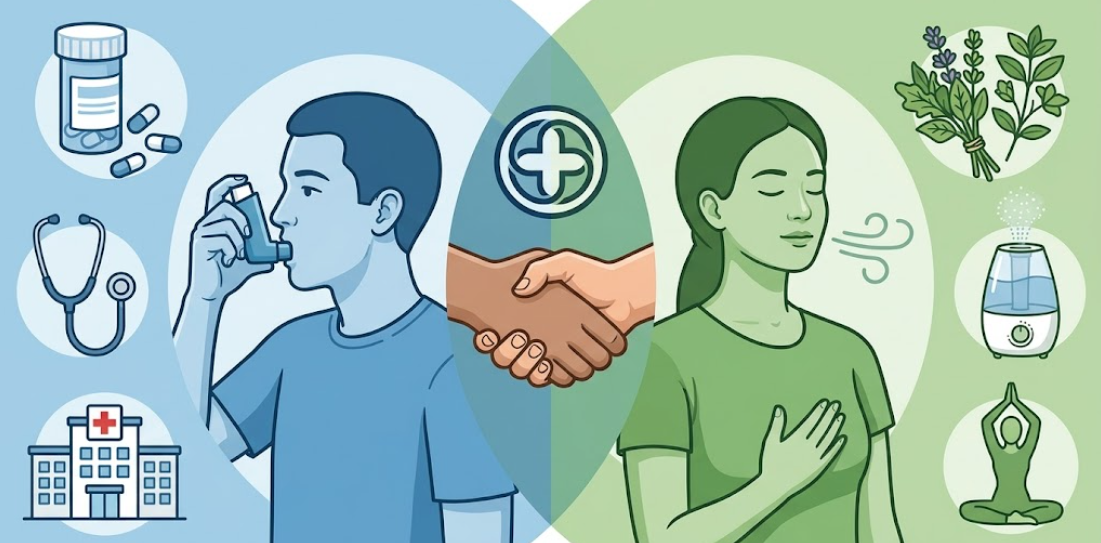
- Complements Other Treatments: Works synergistically with inhalers and other medications without interactions.
For comprehensive respiratory support between breathing sessions, many users find that Breathe Lung Drops help maintain airway comfort throughout the day.
Common Mistakes to Avoid
- Don’t blow too hard: This should be a gentle, relaxed exhale—not forceful.
- Don’t rush the inhale: Keep it slow and controlled.
- Don’t tense your body: Keep shoulders, neck, and chest relaxed.
- Don’t give up after one try: It may feel awkward initially but becomes natural with practice.
How Pursed-Lip Breathing Complements Diaphragmatic Breathing
While our guide to diaphragmatic breathing is perfect for daily practice to strengthen your lungs, pursed-lip breathing is your emergency tool for acute breathlessness. Many people also find that combining this with the 7-second morning breathing habit creates a comprehensive daily respiratory routine.
Think of it this way:
- Diaphragmatic breathing = Daily exercise for your lungs
- Pursed-lip breathing = First aid for breathlessness
- Morning breathing habit = Daily maintenance
The Bottom Line: Your Portable Solution for Easier Breathing
Pursed-lip breathing is more than a technique—it’s empowerment. It gives you control back when breathlessness tries to take it away. By mastering this simple two-step practice, you carry an invisible tool that can transform panic into peace and struggle into ease.
Your breath is always with you. Now you have a way to work with it, not against it.
Ready to take the next step? For personalized guidance on your respiratory health, take our 2-minute lung health quiz to better understand your symptoms and get tailored recommendations.
💧 Enhance Your Breathing Practice
Many readers combine breathing techniques with Breathe Drops for comprehensive respiratory support throughout the day.
Learn About Breathe DropsPursed-Lip Breathing: Your Questions Answered
1. How quickly should I expect relief?
Most people feel significant relief within 30 seconds to 2 minutes of starting the technique. The calming effect on anxiety is often instantaneous, while physical relief from breathlessness follows quickly.
2. Can I use this during a panic attack?
Absolutely. Pursed-lip breathing is one of the most effective natural techniques for panic attacks because it addresses both the physical sensation of breathlessness and the psychological panic response simultaneously.
3. How is this different from other breathing exercises?
While diaphragmatic breathing focuses on strengthening lungs long-term, pursed-lip breathing is specifically designed for immediate relief from acute breathlessness. It’s your emergency tool rather than your daily exercise.
4. Should I use my nose or mouth for inhalation?
Always inhale through your nose if possible. Nasal breathing filters, warms, and humidifies air, making it easier on your airways. Only use mouth inhalation if your nose is completely blocked.
5. How many times per day should I practice?
Practice 5-10 breaths, 3-4 times daily even when you’re not breathless. This builds muscle memory so the technique comes naturally during emergencies. Also use it anytime you feel short of breath.
6. Can this help with COPD or asthma?
Yes, it’s particularly beneficial for both conditions. For COPD, it helps empty trapped air. For asthma, it can help prevent hyperventilation during attacks. Always use your prescribed medications as directed – this is complementary support.
7. What if I feel lightheaded while practicing?
This usually means you’re breathing too deeply or too quickly. Slow down and make your breaths more gentle. The goal is relaxed breathing, not maximal air exchange. If lightheadedness persists, stop and breathe normally.
8. Can I use this while walking or being active?
Yes, this is one of its best uses! Many people use pursed-lip breathing rhythmically during activities like walking or climbing stairs. Time your exhales with the most strenuous part of the movement.
9. How long should my exhales be?
Aim for exhalations that are twice as long as your inhalations. If you inhale for 2 seconds, exhale for 4. If 3 seconds, exhale for 6. Don’t force it—let it feel natural and relaxed.
10. When should I seek emergency medical help instead?
Seek immediate medical attention if you have: chest pain or pressure, blue lips or fingernails, inability to speak, severe wheezing, or if your breathlessness doesn’t improve with rest and breathing techniques. This technique is for management, not replacement of emergency care.
🩺 Important Safety Note
While pursed-lip breathing provides immediate relief, persistent breathlessness needs proper diagnosis. Take our quick 2-Minute Lung Health Quiz to assess your respiratory health.
Understand your symptoms better and discover when to seek professional medical advice.
Click on Image above to Learn More
Still Have Questions? We Have Answers.
Lung health is complex. If you’re wondering “What about…?” or “What’s next for me?”, you’re not alone. Our Resource Hub is built to be your **first stop for trustworthy, in-depth answers** on every aspect of respiratory wellness.
- Condition-Specific Guides (COPD, Asthma, Post-COVID)
- Step-by-Step Detox & Recovery Plans
- Science-Backed Natural & Conventional Strategies

Medically Reviewed for Accuracy
This content has been reviewed for accuracy and clarity by The Health Knowledge Base Medical Review Team, using current research and evidence-based health guidance.
Our review process helps ensure that information related to health, wellness, nutrition, lifestyle strategies, and natural support topics reflects current scientific understanding and responsible editorial standards.
Written by The Health Knowledge Base Editorial Team
Our editorial team consists of health researchers, wellness writers, and content specialists focused on creating clear, practical, and research-informed health content.
We publish educational articles designed to help readers better understand health topics, explore natural wellness strategies, and make more informed lifestyle decisions with confidence.
Affiliate Transparency, Medical Disclaimer & Safety Notice
At The Health Knowledge Base, we take pride in being a trusted resource and affiliate partner with select, high-quality companies. We choose these partnerships carefully because we genuinely believe their products, services, and educational resources align with the values and mission of our website.
When you purchase through certain links on this site, we may receive a small commission or compensation. This helps support our research, content creation, and ongoing work at no additional cost to you. Your price remains exactly the same.
Medical Disclaimer
The information provided by The Health Knowledge Base is for general informational and educational purposes only and is not a substitute for professional medical advice, diagnosis, or treatment.
Always seek the advice of your physician, doctor, or another qualified healthcare provider with any questions you may have regarding a medical condition, symptoms, treatment options, diet changes, exercise programs, or supplements.
Never disregard professional medical advice or delay in seeking it because of something you have read on this website.
Critical Safety Notice
Before making any changes to your diet, starting a new fitness or wellness routine, or taking any supplements mentioned on this site, you should consult with your doctor, physician, or another qualified healthcare professional. Reliance on any information provided by The Health Knowledge Base is solely at your own risk.
View our Affiliate Disclosure → | View our Medical Disclaimer →

2 thoughts on “Pursed-Lip Breathing: How to Stop Shortness of Breath Instantly”