Stay Informed With Trusted Health Insights
Join 5,000+ readers who receive evidence-informed health articles, wellness tips, supplement reviews, and practical health guides delivered straight to their inbox.
Get Free Health UpdatesNo spam. Just helpful health education, updates, and resources.
Congratulations on your journey to becoming smoke-free! Now comes the crucial phase: helping your lungs recover from years of damage. While quitting smoking is the most important step, targeted supplementation can significantly accelerate your respiratory recovery.
This evidence-based guide covers the best supplements to help repair lung tissue, reduce inflammation, and support your body’s natural detoxification processes after smoking.
How Supplements Support Lung Recovery After Smoking
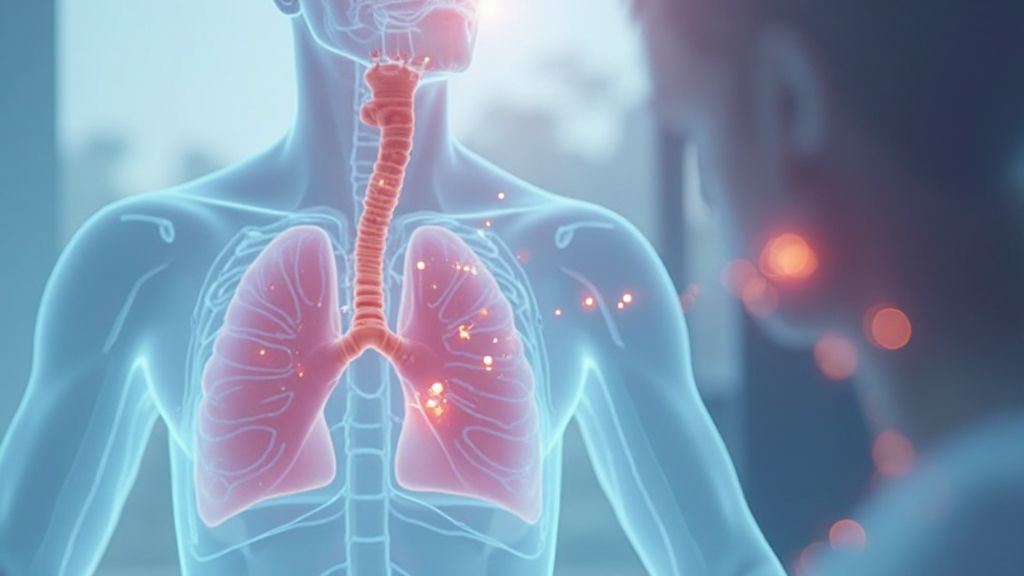
When you quit smoking, your lungs begin an immediate healing process. The right supplements can enhance this natural recovery by:
- Reducing Oxidative Stress: Cigarette smoke creates massive free radical damage. Antioxidant supplements help neutralize this damage.
- Thinning Mucus: Many former smokers struggle with thick, stubborn mucus. Certain supplements act as natural mucolytics.
- Repairing Lung Tissue: Some compounds support the regeneration of cilia and alveolar tissue.
- Reducing Inflammation: Chronic inflammation from smoking can persist for years. Anti-inflammatory supplements help calm this response.
“The first 3 months after quitting are a critical window for lung recovery,” notes Dr. Sarah Chen, a pulmonologist specializing in smoking cessation. “Targeted nutritional support during this period can make a dramatic difference in long-term respiratory function.”
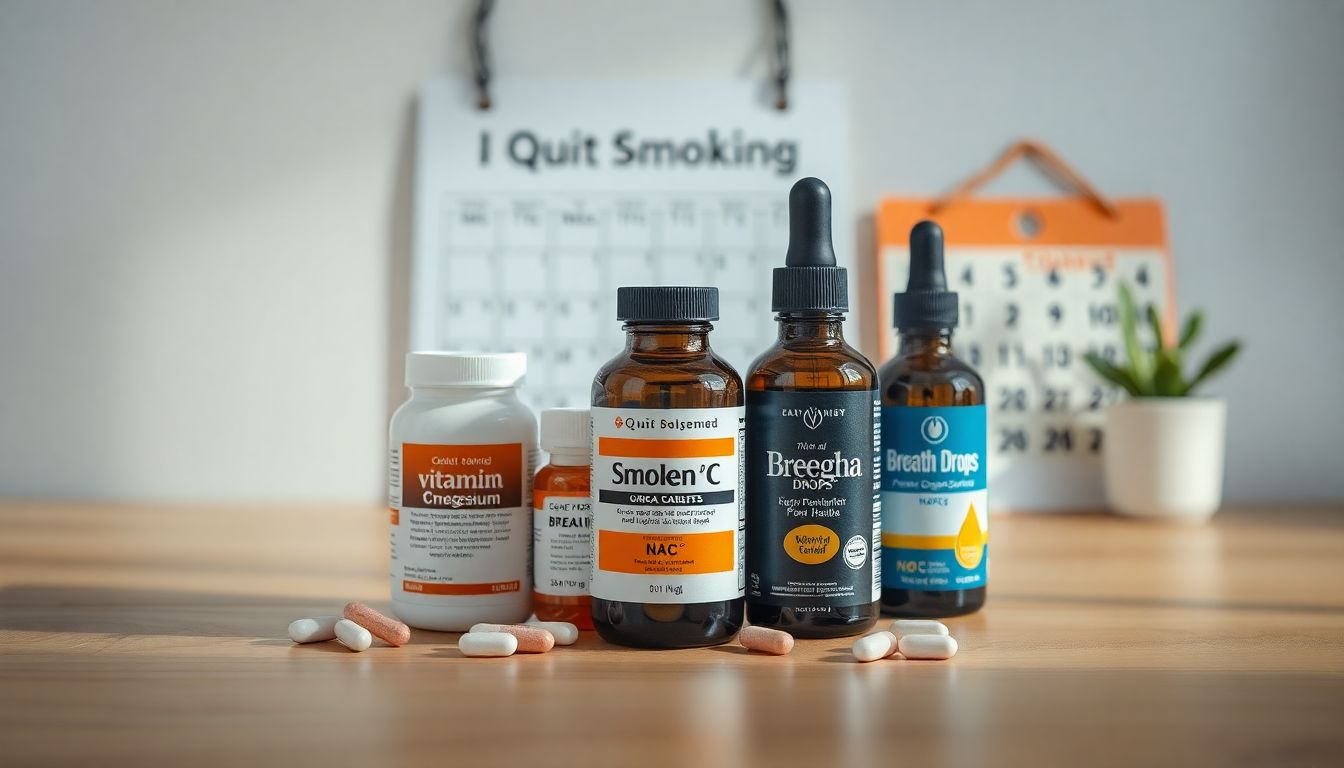
Top 5 Supplements for Smokers’ Lung Recovery
1. NAC (N-Acetyl Cysteine) – The Mucus Buster
How it Helps:
NAC is a potent antioxidant and precursor to glutathione, your body’s master antioxidant. It works by:
- Breaking disulfide bonds in thick mucus, making it easier to expel
- Boosting glutathione levels to combat oxidative stress from smoking
- Supporting liver detoxification of tobacco toxins
Clinical Evidence:
A 2023 meta-analysis found NAC reduced exacerbations and improved mucus clearance in chronic bronchitis patients, many of whom were former smokers.
Recommended Dosage: 600-1200 mg daily
2. Breathe Drops – Comprehensive Respiratory Support
How it Helps:
Breathe Drops combine several lung-supporting herbs in one formula:
- Mullein Leaf: Traditionally used to soothe respiratory irritation and support mucus clearance
- Oregano Oil: Powerful antimicrobial properties to prevent infections in vulnerable lungs
- Thyme: Contains compounds that help relax bronchial muscles and reduce coughing
Why It’s Special:
The liquid format allows for faster absorption, and the herbal combination addresses multiple aspects of post-smoking recovery simultaneously.
User Experience:
“After 25 years of smoking, I struggled with constant phlegm. Within 3 weeks of using Breathe Drops, my morning cough was 80% better.” – Michael R., former smoker
3. Vitamin C – The Antioxidant Powerhouse
How it Helps:
Smoking depletes vitamin C levels dramatically. Replenishing this crucial antioxidant:
- Protects lung cells from ongoing oxidative damage
- Supports collagen production for lung tissue repair
- Enhances immune function to prevent respiratory infections
Important Note: Smokers and former smokers need significantly higher vitamin C doses than non-smokers.
Recommended Dosage: 1000-2000 mg daily (in divided doses)
4. Magnesium – The Bronchodilator
How it Helps:
Magnesium plays a key role in bronchial muscle relaxation and can:
- Reduce airway constriction and wheezing
- Improve overall lung function measurements
- Help with the anxiety that sometimes accompanies smoking cessation
Best Forms: Magnesium glycinate or citrate for better absorption
Recommended Dosage: 400-600 mg daily
5. Omega-3 Fatty Acids – The Inflammation Fighter
How it Helps:
The EPA and DHA in omega-3s are powerful anti-inflammatory agents that:
- Reduce inflammatory markers in the lungs
- Support membrane fluidity in lung cells
- Counteract the pro-inflammatory effects of smoking
Source Recommendation: High-quality fish oil or algal oil for vegetarians
Recommended Dosage: 1000-2000 mg combined EPA/DHA daily
The Post-Smoking Recovery Timeline: What to Expect
First 72 Hours
- Bronchial tubes begin to relax
- Carbon monoxide levels normalize
- Supplement Focus: High-dose vitamin C and NAC to begin antioxidant support
Weeks 1-4
- Cilia begin regenerating and functioning
- Mucus production increases as clearance improves
- Supplement Focus: Add Breathe Drops for comprehensive support and magnesium for bronchial relaxation
Months 1-3
- Lung function improves by up to 30%
- Coughing and shortness of breath decrease
- Supplement Focus: Continue all supplements, add omega-3s for inflammation control
Months 3-9
- Cilia recovery is nearly complete
- Infection risk decreases significantly
- Supplement Focus: Maintenance dosing, focus on lung-healthy foods
Sample Supplement Protocol for Former Smokers
Morning:
- Vitamin C (500 mg)
- NAC (600 mg)
- Omega-3 (1000 mg)
Afternoon:
- Breathe Drops (10 drops in water)
- Magnesium (200 mg)
Evening:
- Vitamin C (500 mg)
- NAC (600 mg)
- Magnesium (200 mg)
Always consult your healthcare provider before starting any new supplement regimen, especially if you have existing health conditions.
What to Avoid: Supplements That May Hinder Recovery
While many supplements help, some can actually work against your lung recovery:
- Vitamin E in synthetic form: Some studies suggest it may interfere with lung repair
- High-dose beta-carotene supplements: May increase lung cancer risk in former smokers
- Iron supplements (unless deficient): Excess iron can promote oxidative stress
Beyond Supplements: Essential Recovery Strategies
Supplements work best when combined with other healthy habits:
- Practice Breathing Exercises: Help retrain your respiratory muscles and improve lung capacity
- Stay Hydrated: Water helps thin mucus and support detoxification
- Avoid Lung Irritants: Secondhand smoke, pollution, and strong chemicals can slow recovery
- Be Patient: Lung healing is a marathon, not a sprint. Most significant improvement occurs within the first year.
✅ FAQ
1. How long after quitting smoking should I start taking lung supplements?
You can start immediately. The sooner you begin supporting your lungs with antioxidants and anti-inflammatory supplements, the better. Many people begin noticing improvements within 2-4 weeks.
2. Can supplements reverse lung damage from smoking?
While they can’t reverse severe conditions like emphysema, supplements can significantly improve lung function, reduce symptoms, and support your body’s natural repair processes. The extent of recovery depends on factors like smoking duration and overall health.
3. Is NAC better than regular cough medicine for smokers’ cough?
For the specific type of thick, stubborn mucus common in former smokers, NAC is often more effective because it breaks the disulfide bonds that make smoker’s phlegm so difficult to clear.
4. How long should I take these supplements after quitting?
Most experts recommend continuing for at least 6-12 months after quitting, as this covers the most active period of lung repair and cilia regeneration.
5. Can I take these if I’m still smoking but want to cut down?
Yes, though the benefits will be limited while you continue smoking. The supplements can still provide antioxidant support, but the most significant healing begins once you completely stop smoking.
6. Are there any side effects to these supplements?
Most are well-tolerated. NAC can cause mild stomach upset in some people. High-dose vitamin C may cause loose stools. Always start with lower doses to assess tolerance.
7. Which supplement is most important for former smokers?
NAC is particularly valuable because it addresses the unique mucus challenges former smokers face while also providing powerful antioxidant support through glutathione production.
8. Can these supplements help with cravings?
While not their primary purpose, some users report that magnesium helps with relaxation and anxiety reduction, which can indirectly support smoking cessation efforts.
9. Should I get my lung function tested before starting supplements?
It’s not necessary but can be helpful to establish a baseline. Many people track their progress through subjective measures like reduced coughing and improved exercise tolerance.
10. Are expensive supplements better than affordable brands?
Not necessarily. Look for reputable brands that use high-quality ingredients and third-party testing. Our best lung supplements review analyzes which brands offer the best value.

Start Your Lung Recovery Today
Breathe Drops combine mullein, oregano & thyme to specifically address the unique challenges of post-smoking lung recovery.
Support Your Recovery →Still Have Questions? We Have Answers.
Lung health is complex. If you’re wondering “What about…?” or “What’s next for me?”, you’re not alone. Our Resource Hub is built to be your **first stop for trustworthy, in-depth answers** on every aspect of respiratory wellness.
- Condition-Specific Guides (COPD, Asthma, Post-COVID)
- Step-by-Step Detox & Recovery Plans
- Science-Backed Natural & Conventional Strategies

Medically Reviewed for Accuracy
This content has been reviewed for accuracy and clarity by The Health Knowledge Base Medical Review Team, using current research and evidence-based health guidance.
Our review process helps ensure that information related to health, wellness, nutrition, lifestyle strategies, and natural support topics reflects current scientific understanding and responsible editorial standards.
Written by The Health Knowledge Base Editorial Team
Our editorial team consists of health researchers, wellness writers, and content specialists focused on creating clear, practical, and research-informed health content.
We publish educational articles designed to help readers better understand health topics, explore natural wellness strategies, and make more informed lifestyle decisions with confidence.
Affiliate Transparency, Medical Disclaimer & Safety Notice
At The Health Knowledge Base, we take pride in being a trusted resource and affiliate partner with select, high-quality companies. We choose these partnerships carefully because we genuinely believe their products, services, and educational resources align with the values and mission of our website.
When you purchase through certain links on this site, we may receive a small commission or compensation. This helps support our research, content creation, and ongoing work at no additional cost to you. Your price remains exactly the same.
Medical Disclaimer
The information provided by The Health Knowledge Base is for general informational and educational purposes only and is not a substitute for professional medical advice, diagnosis, or treatment.
Always seek the advice of your physician, doctor, or another qualified healthcare provider with any questions you may have regarding a medical condition, symptoms, treatment options, diet changes, exercise programs, or supplements.
Never disregard professional medical advice or delay in seeking it because of something you have read on this website.
Critical Safety Notice
Before making any changes to your diet, starting a new fitness or wellness routine, or taking any supplements mentioned on this site, you should consult with your doctor, physician, or another qualified healthcare professional. Reliance on any information provided by The Health Knowledge Base is solely at your own risk.
View our Affiliate Disclosure → | View our Medical Disclaimer →