Stay Informed With Trusted Health Insights
Join 5,000+ readers who receive evidence-informed health articles, wellness tips, supplement reviews, and practical health guides delivered straight to their inbox.
Get Free Health UpdatesNo spam. Just helpful health education, updates, and resources.
Peripheral neuropathy is one of the most common nerve disorders worldwide, yet it is often misunderstood or diagnosed late. Many people live with tingling, numbness, burning pain, or weakness for years without realizing these symptoms originate from peripheral nerve damage.
This guide explains:
- What peripheral neuropathy is
- Why it develops
- Early and advanced symptoms
- Natural and medical relief strategies
- How to slow progression and protect nerve function
For a full system-level overview, start at the
Nerve Health Hub:
https://thehealthknowledgebase.com/nerve-health/
What Is Peripheral Neuropathy?
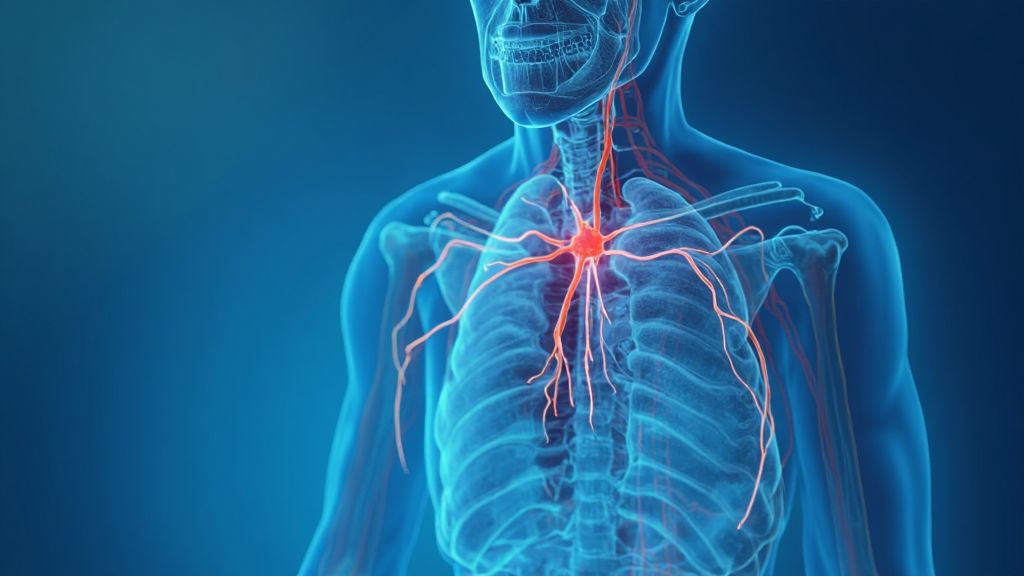
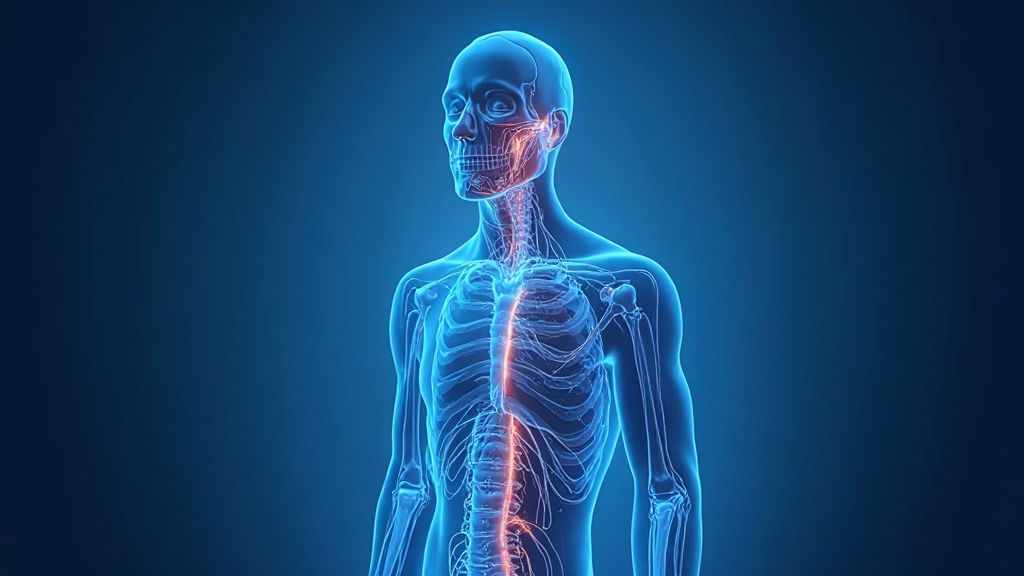
Peripheral neuropathy refers to damage or dysfunction of the peripheral nerves—the nerves outside the brain and spinal cord.
These nerves are responsible for:
- Sensation (touch, temperature, pain)
- Movement (muscle control)
- Automatic functions (blood pressure, digestion, sweating)
When peripheral nerves are damaged, communication between the brain and body becomes distorted or interrupted.
A foundational overview is covered in:
https://thehealthknowledgebase.com/nerve-health/complete-guide/
How Peripheral Neuropathy Develops
Peripheral neuropathy typically develops through chronic stress on nerves, not sudden injury.
Common damaging mechanisms include:
- Metabolic toxicity
- Reduced blood flow
- Inflammation
- Oxidative stress
- Nutrient depletion
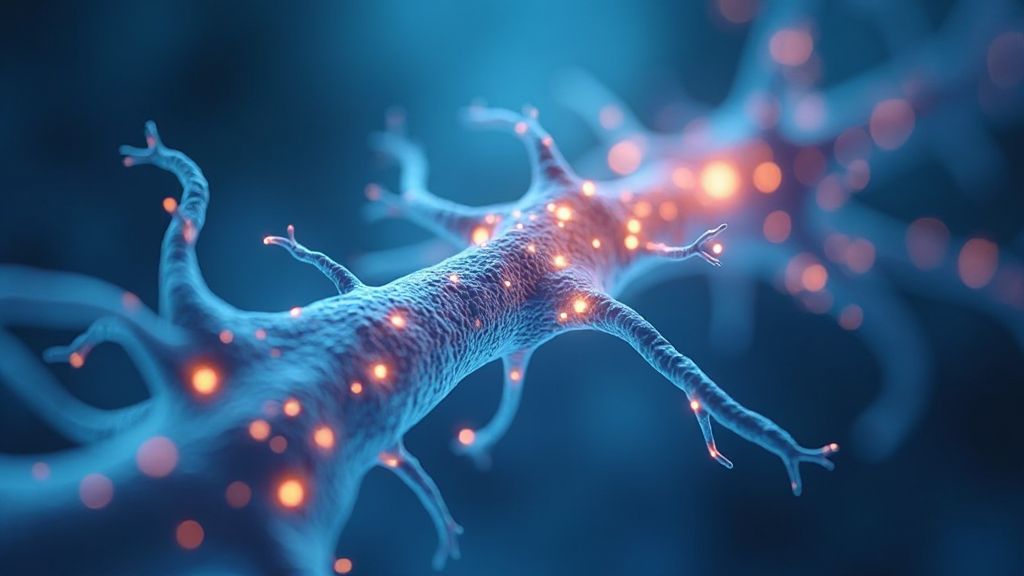
Over time, these factors damage nerve fibers and their protective myelin sheath.
Common Symptoms of Peripheral Neuropathy
Symptoms often begin subtly and progress gradually.
Sensory Symptoms
- Tingling or pins-and-needles
- Burning or electric pain
- Numbness or reduced sensation
- Hypersensitivity to touch
Motor Symptoms
- Muscle weakness
- Cramping
- Loss of coordination
- Difficulty walking
Autonomic Symptoms
- Dizziness on standing
- Digestive irregularities
- Abnormal sweating
- Temperature intolerance
A detailed early-warning guide is available here:
https://thehealthknowledgebase.com/nerve-health/peripheral-neuropathy/early-signs/
Where Peripheral Neuropathy Is Most Common
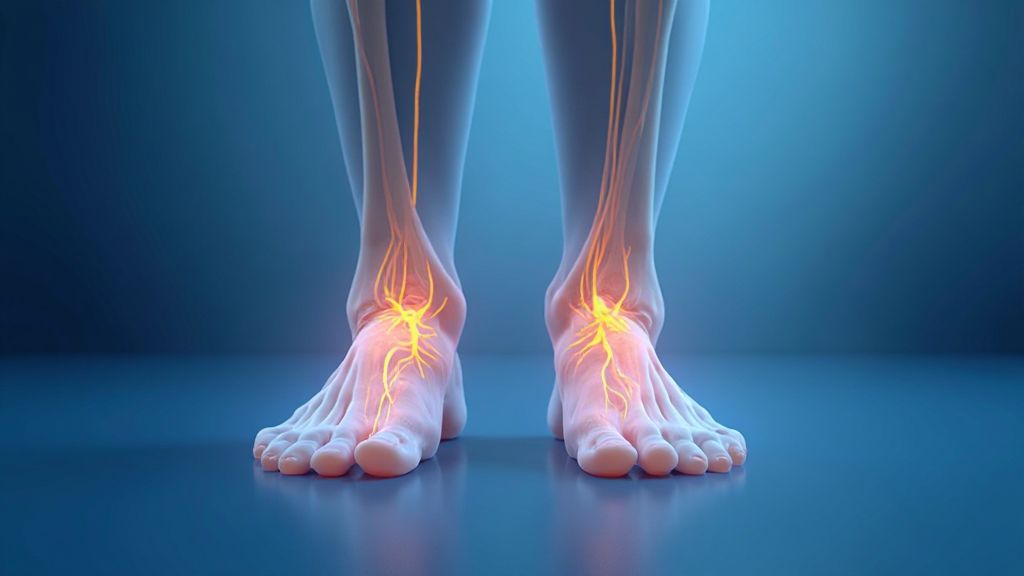
Peripheral neuropathy most often affects:
- Feet and toes
- Hands and fingers
This “stocking-and-glove” pattern occurs because longer nerves are more vulnerable to damage.
Major Causes of Peripheral Neuropathy
Peripheral neuropathy is not a single disease. It has multiple causes, often overlapping.
1) Diabetes and Blood Sugar Dysfunction
This is the leading cause worldwide.
Chronically elevated or unstable blood sugar:
- Damages nerve fibers
- Impairs circulation
- Increases oxidative stress
Learn more here:
https://thehealthknowledgebase.com/nerve-health/diabetic-neuropathy/
2) Nutrient Deficiencies
Deficiencies in:
- Vitamin B12
- Vitamin B1
- Vitamin B6 (imbalance)
can directly impair nerve function.
3) Alcohol and Toxin Exposure
Alcohol is directly neurotoxic and depletes nerve-supportive nutrients.
4) Mechanical and Structural Causes
- Nerve compression
- Repetitive stress
- Injury
- Poor posture
5) Autoimmune and Inflammatory Conditions
Chronic inflammation can damage peripheral nerves over time.
Peripheral Neuropathy vs Other Types of Nerve Pain
Peripheral neuropathy differs from:
- Localized nerve compression (e.g., carpal tunnel)
- Muscle pain
- Joint pain
Neuropathic pain is often burning, electric, or stabbing—and may not respond to standard pain relievers.
A focused comparison is available here:
https://thehealthknowledgebase.com/nerve-health/nerve-pain-management/
Can Peripheral Neuropathy Be Reversed?
The potential for improvement depends on:
- Cause
- Duration
- Severity
- Metabolic environment
General outcomes:
- Early-stage neuropathy: often stabilizable and sometimes partially reversible
- Moderate neuropathy: symptoms may improve with intervention
- Advanced neuropathy: focus shifts to slowing progression and preserving function
Natural recovery pathways are discussed in depth here:
https://thehealthknowledgebase.com/nerve-health/peripheral-neuropathy/reversed-naturally/
Natural Relief Strategies for Peripheral Neuropathy
Natural strategies focus on protecting remaining nerve function and reducing ongoing stress.
1) Blood Sugar Stability
Essential for anyone with insulin resistance or diabetes.
2) Targeted Nutritional Support
Nerves require specific nutrients for signaling and repair.
See:
https://thehealthknowledgebase.com/nerve-health/nerve-supplements/
3) Gentle Movement and Circulation
Low-impact movement improves oxygen delivery to nerves.
Guidance here:
https://thehealthknowledgebase.com/nerve-health/nerve-pain-management/exercises/
4) Sleep and Recovery
Nerve repair processes are most active during deep sleep.
Learn why:
https://thehealthknowledgebase.com/nerve-health/nerve-repair/sleep-connection/
5) Stress Regulation
Chronic stress amplifies nerve sensitivity and inflammation.
Medical Treatment Options (Overview)
Medical care may include:
- Identifying and treating underlying causes
- Medications for nerve pain
- Physical therapy
- Monitoring progression
Medical and natural strategies often work best together.
When to Seek Medical Evaluation
Peripheral neuropathy should be evaluated if you experience:
- Progressive numbness
- Muscle weakness
- Balance problems
- Injuries without pain awareness
- Autonomic symptoms
Early diagnosis improves long-term outcomes.
The Bottom Line
Peripheral neuropathy is common—but not inevitable.
Understanding the cause, recognizing early symptoms, and supporting nerve health can slow progression and improve quality of life.
Understand and Support Peripheral Nerve Health
Learn what causes peripheral neuropathy and which strategies help protect and calm damaged nerves.
✅ FAQs
- What is peripheral neuropathy?
Damage to nerves outside the brain and spinal cord. - What are early signs of peripheral neuropathy?
Tingling, numbness, or burning—often in the feet. - Is peripheral neuropathy reversible?
Sometimes, especially when addressed early. - What causes peripheral neuropathy most often?
Diabetes and metabolic dysfunction. - Does peripheral neuropathy always cause pain?
No, numbness may occur without pain. - Why does neuropathy affect feet first?
Longer nerves are more vulnerable. - Can supplements help peripheral neuropathy?
They may support nerve metabolism and repair. - Does sleep affect neuropathy symptoms?
Yes, poor sleep worsens nerve sensitivity. - When should neuropathy be evaluated?
If symptoms progress or affect balance or strength. - Can neuropathy be prevented?
Often yes, by addressing underlying causes early.
5-Second Egg Yolk Trick Erases Nerve Pain, Burning, and Numbness

Discover the secret to regrowing healthy nerves 64% faster by activating their hidden “stem cells”

Medically Reviewed for Accuracy
This content has been reviewed for accuracy and clarity by The Health Knowledge Base Medical Review Team, using current research and evidence-based health guidance.
Our review process helps ensure that information related to health, wellness, nutrition, lifestyle strategies, and natural support topics reflects current scientific understanding and responsible editorial standards.
Written by The Health Knowledge Base Editorial Team
Our editorial team consists of health researchers, wellness writers, and content specialists focused on creating clear, practical, and research-informed health content.
We publish educational articles designed to help readers better understand health topics, explore natural wellness strategies, and make more informed lifestyle decisions with confidence.
Affiliate Transparency, Medical Disclaimer & Safety Notice
At The Health Knowledge Base, we take pride in being a trusted resource and affiliate partner with select, high-quality companies. We choose these partnerships carefully because we genuinely believe their products, services, and educational resources align with the values and mission of our website.
When you purchase through certain links on this site, we may receive a small commission or compensation. This helps support our research, content creation, and ongoing work at no additional cost to you. Your price remains exactly the same.
Medical Disclaimer
The information provided by The Health Knowledge Base is for general informational and educational purposes only and is not a substitute for professional medical advice, diagnosis, or treatment.
Always seek the advice of your physician, doctor, or another qualified healthcare provider with any questions you may have regarding a medical condition, symptoms, treatment options, diet changes, exercise programs, or supplements.
Never disregard professional medical advice or delay in seeking it because of something you have read on this website.
Critical Safety Notice
Before making any changes to your diet, starting a new fitness or wellness routine, or taking any supplements mentioned on this site, you should consult with your doctor, physician, or another qualified healthcare professional. Reliance on any information provided by The Health Knowledge Base is solely at your own risk.
View our Affiliate Disclosure → | View our Medical Disclaimer →