
Stay Informed With Trusted Health Insights
Join 5,000+ readers who receive evidence-informed health articles, wellness tips, supplement reviews, and practical health guides delivered straight to their inbox.
Get Free Health UpdatesNo spam. Just helpful health education, updates, and resources.
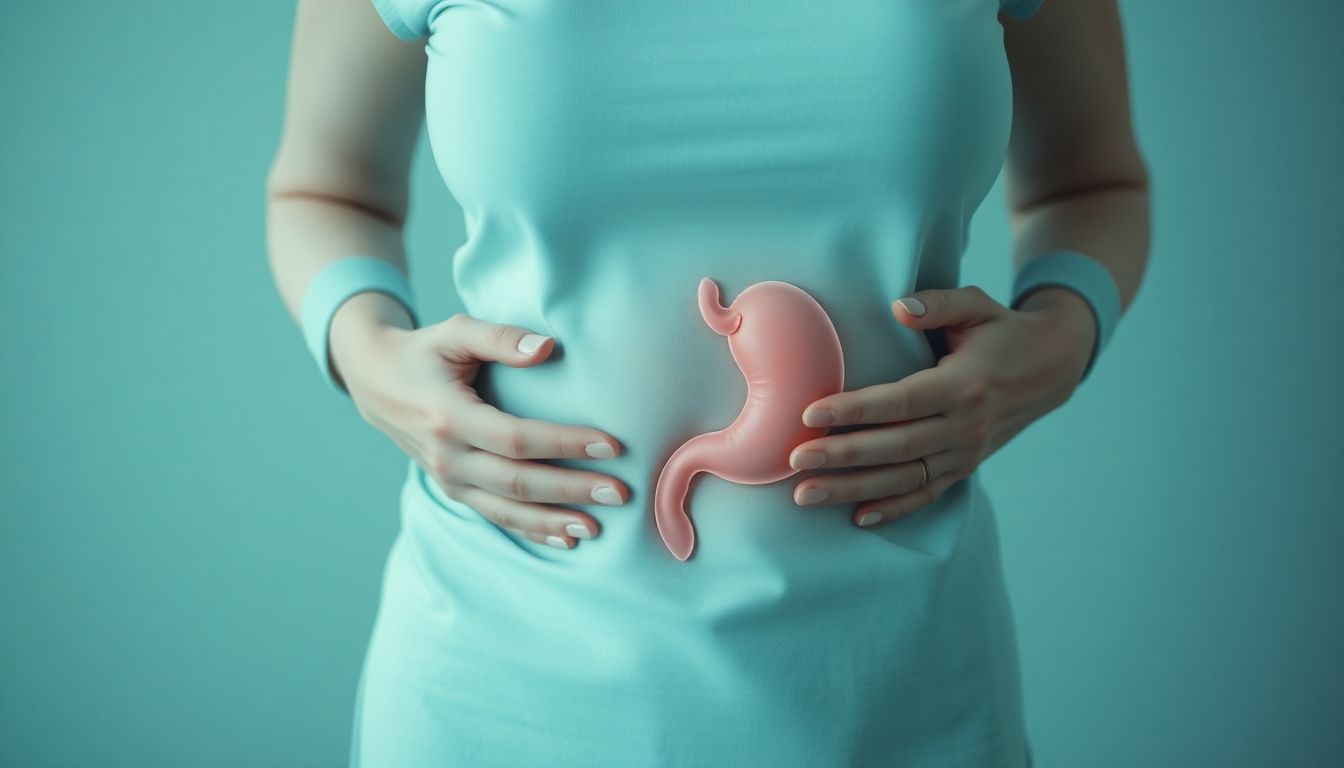
If you feel like your stomach swells every afternoon…
If your rings feel tighter…
If your belly feels puffy even after small meals…
You are not alone.
Bloating and water retention are some of the most common (and most frustrating) symptoms women experience during perimenopause and menopause.
The good news?
You can significantly reduce — and often eliminate — these symptoms with simple, natural, science-backed strategies.
This guide explains exactly why menopause causes bloating and what you can do right now to beat it.
⭐ Why Bloating and Water Retention Increase During Menopause
These symptoms are NOT “in your head.” They come from real biological shifts.
1️⃣ Hormonal Fluctuations (Estrogen + Progesterone)
Estrogen and progesterone both affect:
- Digestion
- Water balance
- Bowel movements
- Fluid retention
- Gut motility
During menopause:
- Estrogen drops → causes water retention
- Progesterone drops → slows digestion
This often leads to:
- Constipation
- Belly swelling
- Fluid buildup
- Sluggish digestion
Learn how hormones shift here:
👉 What Really Happens to Your Hormones During Menopause
2️⃣ Slower Digestion
Lower progesterone slows your gut’s movement.
This leads to:
- Bloating
- Gas
- Heaviness
- Irregular bowel movements
3️⃣ Increased Stress Hormone (Cortisol)
Higher cortisol causes:
- Belly bloating
- Sodium retention
- Water imbalance
Read more:
👉 How Stress and Cortisol Worsen Menopause Symptoms
4️⃣ Changes in Gut Bacteria
Hormones influence your gut microbiome.
When estrogen declines:
- Beneficial gut bacteria decrease
- Digestive inflammation rises
- Gas and bloating increase
Learn more:
👉 The Role of Gut Health in Menopause
5️⃣ Water Imbalance During Estrogen Shifts
Estrogen regulates sodium and fluid levels.
Fluctuations cause your body to:
- Hold onto water
- Swell in hands, feet, face, belly
This is why bloating may come and go day-to-day.
⭐ Symptoms of Menopause-Related Bloating
- Puffy or swollen belly
- Tightness around waist
- Gas or pressure
- Afternoon belly swelling
- A heavy or distended feeling
- Fluid retention in legs/face
- Need to loosen clothes
🌟 How to Reduce Bloating and Water Retention Naturally
Here are the best science-backed strategies to find relief fast.
1️⃣ Eat “Debloat Foods” Daily
These help flush water, reduce inflammation, and support gut movement.
Best foods:
- Ginger
- Cucumber
- Pineapple
- Celery
- Lemon water
- Peppermint tea
- Greek yogurt
- Kefir
- Chia seeds
- Oats
- Berries
Anti-bloating vegetables:
- Zucchini
- Spinach
- Bok choy
- Lettuce
- Asparagus
2️⃣ Avoid the 5 Biggest Bloating Triggers
These are major causes of menopause belly swelling:
- Alcohol
- Processed carbs
- Salt-heavy foods
- Carbonated drinks
- Artificial sweeteners
- Fried foods
3️⃣ Increase Magnesium Intake
Magnesium helps:
- Reduce water retention
- Improve bowel movements
- Relax digestive muscles
- Support hormonal balance
It is one of the most effective nutrients for menopause bloat.
Good sources:
- Almonds
- Dark chocolate
- Spinach
- Pumpkin seeds
- Avocado
4️⃣ Improve Gut Motility with Daily Movement
Walking is one of the most effective, underrated tools.
10–20 minutes after meals helps:
- Reduce gas
- Increase digestion
- Prevent swelling
Gentle movement > high-intensity workouts during flare-ups.
5️⃣ Use Herbal Remedies That Reduce Bloating
These herbs have strong research behind them:
✔ Peppermint
Relaxes the digestive tract.
✔ Ginger
Speeds up digestion.
✔ Fennel
Reduces gas and water retention.
✔ Chamomile
Calms spasms in the gut.
All are excellent for daily use.
6️⃣ Balance Hormones Naturally
Hormonal imbalance is often the root cause of menopause bloating.
Menovelle is a natural, doctor-developed supplement containing:
- Red Clover
- Black Cohosh
- Magnesium
- Sage
- Chamomile
- B6
This supports:
- Hormonal balance
- Reduced bloating
- Stress support
- Night sweats and hot flashes
- Improved gut motility
👉 Read the Menovelle Review Here
7️⃣ Support Better Sleep
Poor sleep increases:
- Water retention
- Cravings
- Bloating
- Inflammation
Tips for better sleep:
- Keep room cool
- Magnesium before bed
- Avoid sugar at night
- Use a fan or cooling blanket
👉 How to Sleep Better Through Menopause
8️⃣ Drink Enough Water — Yes, Really
Not drinking enough water causes your body to hold onto fluid.
Aim for:
- 1.5–2 liters daily
- Add lemon for debloating
- Herbal teas help too
💬 Frequently Asked Questions (FAQs)
1. Why does menopause make my stomach so bloated?
Hormonal changes slow digestion and cause fluid retention.
2. Why do I bloat more in the afternoon?
Food buildup, slowed motility, and rising cortisol levels.
3. What foods instantly reduce bloating?
Ginger, cucumber, lemon water, peppermint tea, and pineapple.
4. Does magnesium help bloating?
Yes — it improves digestion and reduces water retention.
5. Can probiotics help?
Yes — they support gut bacteria and reduce inflammation.
6. Does walking help with bloating?
Yes — it speeds up digestion and reduces pressure.
7. Why does menopause cause water retention?
Estrogen fluctuations affect fluid balance and sodium retention.
8. Should I avoid dairy?
If lactose intolerant, yes — it increases gas and bloating.
9. Are supplements safe?
Natural supplements like MenoRescue are generally safe and well tolerated.
10. When should I see a doctor?
If bloating is persistent, severe, or accompanied by pain or weight loss.
Tap Image above to View Video

Medically Reviewed for Accuracy
This content has been reviewed for accuracy and clarity by The Health Knowledge Base Medical Review Team, using current research and evidence-based health guidance.
Our review process helps ensure that information related to health, wellness, nutrition, lifestyle strategies, and natural support topics reflects current scientific understanding and responsible editorial standards.
Written by The Health Knowledge Base Editorial Team
Our editorial team consists of health researchers, wellness writers, and content specialists focused on creating clear, practical, and research-informed health content.
We publish educational articles designed to help readers better understand health topics, explore natural wellness strategies, and make more informed lifestyle decisions with confidence.
Affiliate Transparency, Medical Disclaimer & Safety Notice
At The Health Knowledge Base, we take pride in being a trusted resource and affiliate partner with select, high-quality companies. We choose these partnerships carefully because we genuinely believe their products, services, and educational resources align with the values and mission of our website.
When you purchase through certain links on this site, we may receive a small commission or compensation. This helps support our research, content creation, and ongoing work at no additional cost to you. Your price remains exactly the same.
Medical Disclaimer
The information provided by The Health Knowledge Base is for general informational and educational purposes only and is not a substitute for professional medical advice, diagnosis, or treatment.
Always seek the advice of your physician, doctor, or another qualified healthcare provider with any questions you may have regarding a medical condition, symptoms, treatment options, diet changes, exercise programs, or supplements.
Never disregard professional medical advice or delay in seeking it because of something you have read on this website.
Critical Safety Notice
Before making any changes to your diet, starting a new fitness or wellness routine, or taking any supplements mentioned on this site, you should consult with your doctor, physician, or another qualified healthcare professional. Reliance on any information provided by The Health Knowledge Base is solely at your own risk.
View our Affiliate Disclosure → | View our Medical Disclaimer →