Stay Informed With Trusted Health Insights
Join 5,000+ readers who receive evidence-informed health articles, wellness tips, supplement reviews, and practical health guides delivered straight to their inbox.
Get Free Health UpdatesNo spam. Just helpful health education, updates, and resources.
🩺 Introduction
High blood pressure — also known as the silent killer — often develops quietly.
Most people don’t feel any symptoms until it’s dangerously high, yet damage to the heart, kidneys, and blood vessels can begin long before that.
Recognizing the early signs of high blood pressure could help you take action before serious complications occur.
(Related Reading: The Complete Guide to Lowering Blood Pressure Naturally)
⚠️ Why High Blood Pressure Is So Dangerous
Your arteries are like flexible tubes carrying blood from the heart to every part of your body.
Over time, excessive pressure damages these vessels, leading to:
- Heart disease
- Stroke
- Kidney failure
- Vision problems
That’s why spotting warning signs early — and checking your numbers regularly — is vital.
(Also read: How to Check Blood Pressure at Home (and Get Accurate Readings))
🔍 1. Frequent Headaches or Dull Pressure Sensation
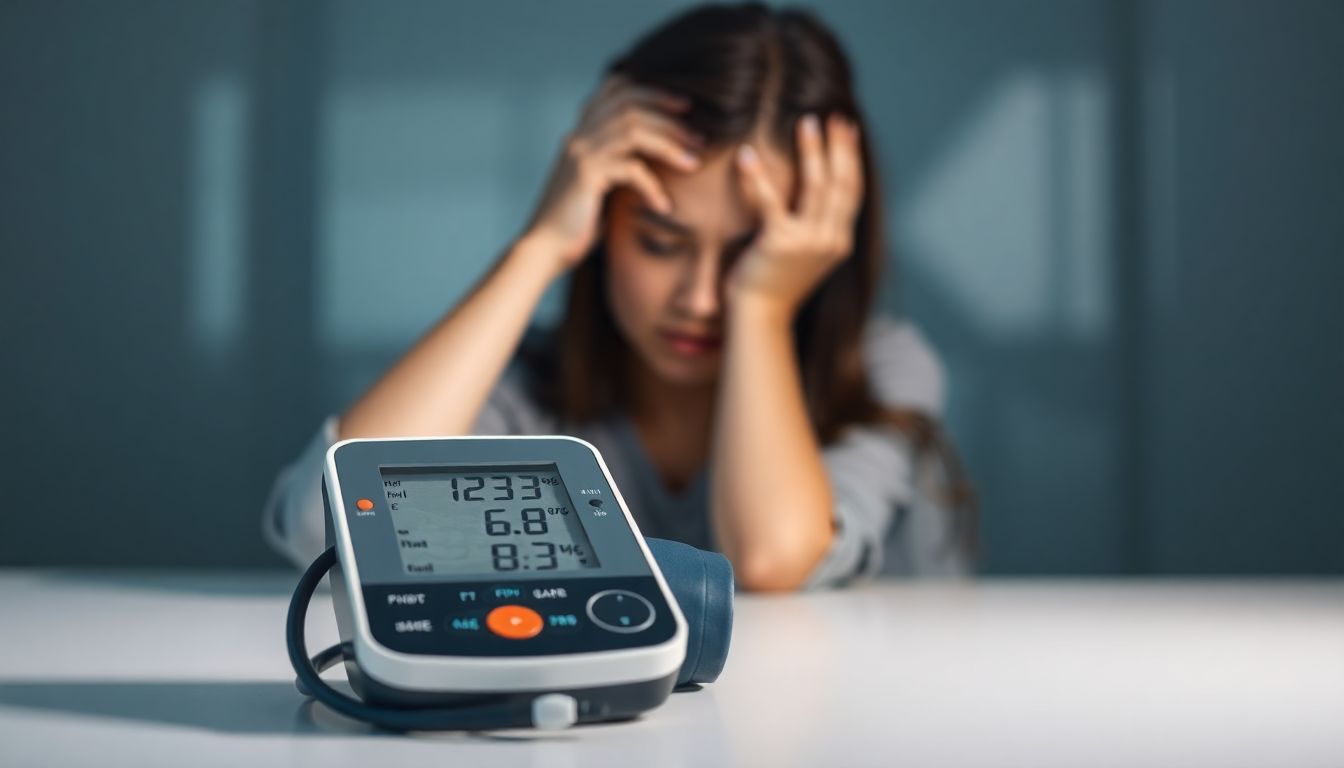
High blood pressure can cause recurring headaches, often at the back of the head or in the morning.
They may feel like tightness or heaviness rather than sharp pain.
👉 If headaches are new or persistent, it’s worth monitoring your blood pressure daily.
👀 2. Blurred Vision or Eye Strain
High blood pressure affects the delicate blood vessels in the eyes, causing temporary blurriness or vision changes.
Severe or sudden visual disturbances can indicate a hypertensive crisis and require immediate medical attention.
(Also read: High vs. Low Blood Pressure: Key Differences Explained)
💓 3. Shortness of Breath or Chest Tightness
When blood pressure remains elevated, the heart works harder to pump blood, sometimes leading to breathlessness during mild activity or chest pressure.
If accompanied by dizziness or arm pain, seek urgent care — it could signal a heart problem.
🧠 4. Dizziness or Lightheadedness
Feeling lightheaded, especially when standing up quickly, can be linked to fluctuating pressure levels.
Although more common in low blood pressure, this symptom sometimes appears in people with unstable or spiking hypertension.
🩸 5. Nosebleeds
Occasional mild nosebleeds aren’t always alarming, but frequent or heavy nosebleeds can point to vessel weakness caused by high blood pressure.
If this happens repeatedly, it’s time for a check-up.
😡 6. Facial Flushing or Sudden Warmth
When blood vessels expand quickly due to rising pressure, you might notice redness in the face or neck.
While not always dangerous, frequent flushing may signal poor vascular regulation.
(Also read: How Stress Affects Blood Pressure (and Natural Remedies That Work))
😴 7. Fatigue or Brain Fog
Poor circulation and reduced oxygen flow from prolonged high blood pressure can cause mental fatigue, forgetfulness, and lack of focus.
If you feel constantly tired despite adequate sleep, it’s worth checking your blood pressure.
🍟 8. Swelling in the Ankles or Feet
Fluid retention is another hidden sign — especially when combined with shortness of breath or tight shoes.
It can suggest that the heart or kidneys are under pressure from long-term hypertension.
(Also read: The Worst Foods for Blood Pressure You Should Avoid)
⏰ 9. Trouble Sleeping or Restlessness
High blood pressure and stress hormones like cortisol often go hand-in-hand.
If you struggle with falling or staying asleep, or feel tense at night, your blood pressure may be elevated.
(Also read: Morning Habits That Help Reduce High Blood Pressure)
🩸 10. No Symptoms at All
The most common — and dangerous — sign of all is no symptom whatsoever.
That’s why experts recommend regular home monitoring, especially for anyone over 40 or with family history of hypertension.
(Also read: How to Check Blood Pressure at Home (and Get Accurate Readings))
✅ What to Do If You Notice These Signs
- Measure your blood pressure daily for a week.
- Record your results and look for patterns.
- Consult your doctor if readings stay above 130/80 mmHg.
- Adopt heart-healthy lifestyle habits — diet, movement, and stress control.
❓ FAQs — Early Signs of High Blood Pressure
- Can I feel high blood pressure?
Not always — many people have no symptoms at all. - Do headaches always mean high blood pressure?
Not necessarily, but frequent ones should be checked. - Is dizziness a sign of hypertension?
It can be, especially if accompanied by vision changes or fatigue. - Why do I get nosebleeds?
High pressure can weaken small vessels in the nose. - Can stress cause high blood pressure?
Yes — it temporarily raises cortisol and tightens arteries. - Is flushing a warning sign?
It may occur when pressure rises suddenly. - Does lack of sleep affect blood pressure?
Yes — poor rest raises sympathetic nervous activity. - Are swollen ankles linked to hypertension?
Yes — often related to fluid retention or heart strain. - When should I start checking my blood pressure?
From age 40, or earlier if overweight or diabetic. - What’s the best way to monitor my blood pressure?
Use an upper-arm digital monitor at home for daily tracking.
(See How to Check Blood Pressure at Home)
❤️ Final Thoughts
Early warning signs of high blood pressure are easy to miss — but not impossible to detect.
By paying attention to your body and checking your pressure regularly, you can prevent complications before they start.
Healthy habits, stress management, and consistent monitoring will help you stay in control for life.
(Also read: The Complete Guide to Lowering Blood Pressure Naturally)
💡 Next Step:
Ready to take charge of your blood pressure?
👉 Learn How to Check Blood Pressure at Home (and Get Accurate Readings) →
📚 Related Articles
- Morning Habits That Help Reduce High Blood Pressure
- How Stress Affects Blood Pressure (and Natural Remedies That Work)
- The Worst Foods for Blood Pressure You Should Avoid
Medically Reviewed for Accuracy
This content has been reviewed for accuracy and clarity by The Health Knowledge Base Medical Review Team, using current research and evidence-based health guidance.
Our review process helps ensure that information related to health, wellness, nutrition, lifestyle strategies, and natural support topics reflects current scientific understanding and responsible editorial standards.
Written by The Health Knowledge Base Editorial Team
Our editorial team consists of health researchers, wellness writers, and content specialists focused on creating clear, practical, and research-informed health content.
We publish educational articles designed to help readers better understand health topics, explore natural wellness strategies, and make more informed lifestyle decisions with confidence.
Affiliate Transparency, Medical Disclaimer & Safety Notice
At The Health Knowledge Base, we take pride in being a trusted resource and affiliate partner with select, high-quality companies. We choose these partnerships carefully because we genuinely believe their products, services, and educational resources align with the values and mission of our website.
When you purchase through certain links on this site, we may receive a small commission or compensation. This helps support our research, content creation, and ongoing work at no additional cost to you. Your price remains exactly the same.
Medical Disclaimer
The information provided by The Health Knowledge Base is for general informational and educational purposes only and is not a substitute for professional medical advice, diagnosis, or treatment.
Always seek the advice of your physician, doctor, or another qualified healthcare provider with any questions you may have regarding a medical condition, symptoms, treatment options, diet changes, exercise programs, or supplements.
Never disregard professional medical advice or delay in seeking it because of something you have read on this website.
Critical Safety Notice
Before making any changes to your diet, starting a new fitness or wellness routine, or taking any supplements mentioned on this site, you should consult with your doctor, physician, or another qualified healthcare professional. Reliance on any information provided by The Health Knowledge Base is solely at your own risk.
View our Affiliate Disclosure → | View our Medical Disclaimer →