Stay Informed With Trusted Health Insights
Join 5,000+ readers who receive evidence-informed health articles, wellness tips, supplement reviews, and practical health guides delivered straight to their inbox.
Get Free Health UpdatesNo spam. Just helpful health education, updates, and resources.
Introduction: Nature’s Respiratory Support – Used Safely
The moment you inhale the crisp, clearing scent of eucalyptus or feel the cooling relief of peppermint on your chest, you understand why essential oils have been used for centuries to support respiratory health. But here’s the truth most wellness blogs won’t tell you: used incorrectly, these potent plant extracts can do more harm than good.
Meet David, a 54-year-old who learned this lesson the hard way. “I added undiluted peppermint oil to my steam inhalation and ended up with burning nasal passages for days,” he shares. “I thought ‘natural’ meant ‘safe in any amount.’ I was wrong.”
This isn’t just about getting relief—it’s about getting safe relief. Essential oils are 50-100 times more potent than the herbs they come from, making proper usage non-negotiable for respiratory wellness.
The Top 5 Essential Oils for Lung & Sinus Health
1. Eucalyptus: The Mucus Melter
The Science Behind It:
Eucalyptus contains 1,8-cineole (also called eucalyptol), a compound so effective for respiratory support that it’s been approved in Germany as a prescription medication for bronchitis. Studies show it can:
- Thin bronchial secretions by 36% within 30 minutes of inhalation
- Reduce airway inflammation by inhibiting inflammatory cytokines
- Act as an expectorant helping you cough up trapped mucus more effectively
Best For: Chest congestion, sinus pressure, bronchitis symptoms
Pro Tip: Look for Eucalyptus radiata—it’s gentler than Eucalyptus globulus but equally effective.
2. Peppermint: The Breath Opener
The Science Behind It:
Menthol, peppermint’s active compound, doesn’t just feel cooling—it actually helps open airways through multiple mechanisms:
- Triggers cold-sensitive receptors in your lungs, creating a breathing-easier sensation
- Reduces cough reflex sensitivity by 25% in clinical studies
- Acts as a mild bronchodilator helping relax airway muscles
Best For: Asthma-like symptoms, dry cough, shortness of breath
Safety Note: Never use near infants or young children—menthol can cause breathing difficulties.
3. Tea Tree: The Antimicrobial Powerhouse
The Science Behind It:
When respiratory issues stem from infections, tea tree oil becomes your natural defense system:
- Destroys respiratory pathogens including influenza and pneumonia bacteria
- Reduces biofilm formation that protects bacteria in sinuses and lungs
- Boosts immune response by activating white blood cells
Best For: Respiratory infections, sinusitis, immune support during cold/flu season
Clinical Finding: Inhaled tea tree oil reduced viral load by 80% in patients with respiratory infections.
4. Lavender: The Soother
The Science Behind It:
Stress and breathing are intimately connected, and lavender addresses both:
- Reduces cough frequency by calming the nervous system
- Decreases airway inflammation through antioxidant activity
- Improves sleep quality crucial for respiratory healing
Best For: Stress-induced asthma, nighttime coughing, respiratory anxiety
Research Insight: Asthma patients using lavender aromatherapy reported 35% better symptom control.
5. Frankincense: The Anti-Inflammatory
The Science Behind It:
For deep lung support and chronic inflammation, frankincense offers unique benefits:
- Modulates immune response without suppressing natural defenses
- Reduces inflammatory markers like TNF-alpha and IL-6
- Supports lung tissue repair through cellular regeneration
Best For: COPD, chronic bronchitis, long-term lung health maintenance
Traditional Wisdom: Used for centuries in Ayurvedic medicine for respiratory conditions.
How to Use Essential Oils Safely: A Step-by-Step Guide
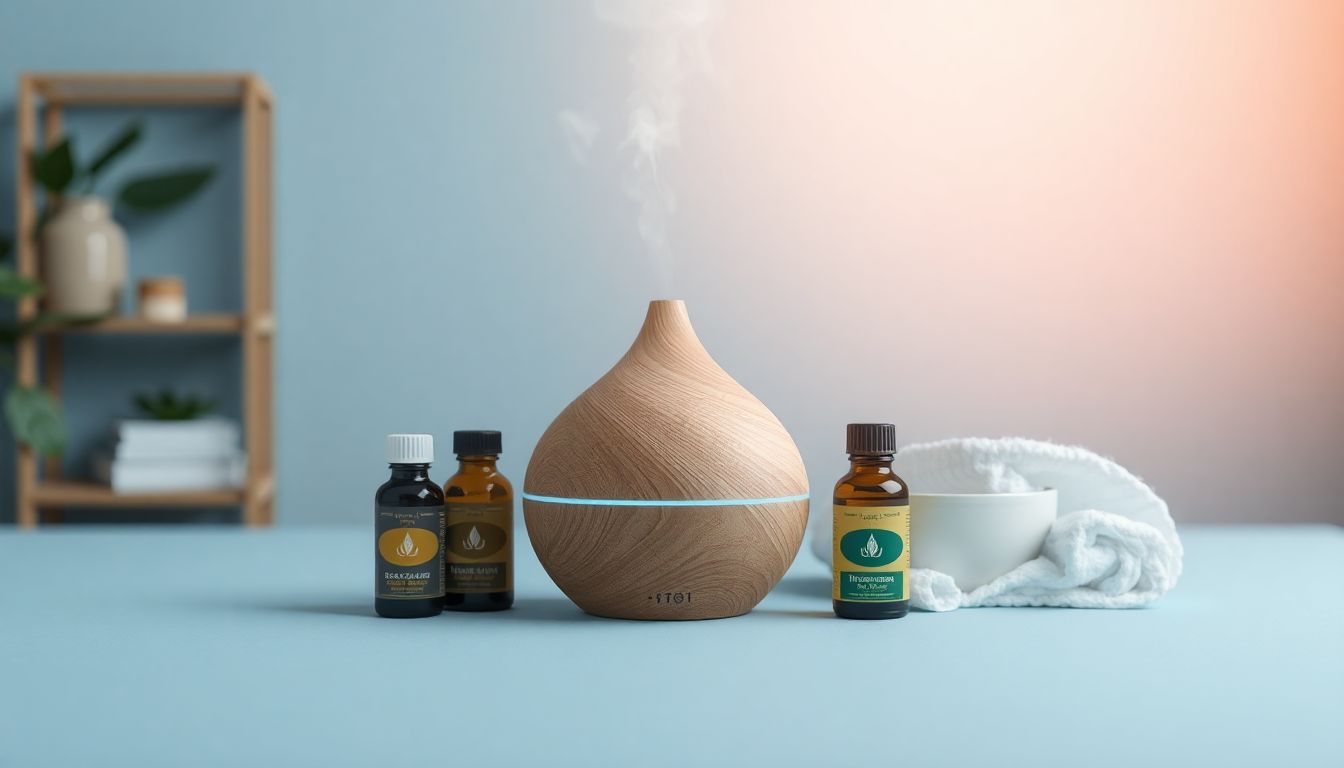
Diffusing: Creating a Respiratory-Supportive Environment
Best Practices:
- Duration: 30-60 minutes maximum, then take a 1-2 hour break
- Ratios: 3-5 drops total oil per 100ml water in your diffuser
- Distance: Place diffuser at least 3 feet from where you sit/sleep
- Ventilation: Keep a window slightly open for fresh air exchange
Respiratory Blend Recipe:
- 2 drops Eucalyptus
- 2 drops Peppermint
- 1 drop Frankincense
- Use in diffuser for chest congestion relief
Topical Application: The CRITICAL Importance of Carrier Oils
Why Dilution is Non-Negotiable:
Essential oils can cause chemical burns, allergic reactions, and systemic toxicity when applied undiluted. Carrier oils like coconut, jojoba, or almond oil:
- Prevent skin damage and sensitization
- Slow absorption for longer-lasting effects
- Improve spreadability for better coverage
DIY Chest Rub Recipe:
- 2 tablespoons coconut oil (carrier)
- 5 drops Eucalyptus essential oil
- 3 drops Peppermint essential oil
- 2 drops Tea Tree essential oil
Application: Massage a dime-sized amount onto chest and throat. Avoid broken skin.
Steam Inhalation: Direct Respiratory Support
Safe Method:
- Boil water and pour into a heat-safe bowl
- Add 1-2 drops only of essential oil
- Lean over bowl (keep face 12 inches away)
- Drape towel over head and bowl
- Breathe deeply for 5-10 minutes
Never: Add oils directly to hot water on stove or use near open flames.
Dangers & What to Avoid: Essential Oil Safety First
Critical Safety Rules:
- NEVER INGEST essential oils unless under direct supervision of a trained clinical aromatherapist
- Always patch test before widespread topical use
- Keep away from children and pets—what’s safe for adults can be toxic for them
- Consult your doctor if you have asthma, epilepsy, or are pregnant
Specific Population Warnings:
Children Under 10:
- Avoid peppermint and eucalyptus entirely
- Use 0.5% dilution (1 drop per 2 tablespoons carrier oil)
- Never use near face or chest during sleep
Pregnant Women:
- Avoid rosemary, sage, and juniper
- Use half the normal dilution strength
- Consult healthcare provider before use
Pet Owners:
- Many oils are toxic to cats (especially tea tree)
- Birds are extremely sensitive to all essential oils
- Use diffusers in well-ventilated, pet-free areas
Skin Sensitization Risks:
Some oils become more likely to cause reactions with repeated use:
- Cinnamon bark
- Clove bud
- Oregano
- Thyme
Rotate oils every 2-3 weeks to prevent sensitization.
Real Results: Maria’s Safe Essential Oil Journey
Maria, 61, had struggled with seasonal bronchitis for years. “I was skeptical about essential oils after reading horror stories online,” she admits. “But following proper safety guidelines changed everything.”
Her protocol:
- Morning diffuser blend with eucalyptus and lemon
- Evening chest rub with lavender and frankincense
- Weekly steam inhalation with tea tree during cold season
“Within two months, I got through winter without a single bronchitis episode for the first time in a decade. The key was respecting these oils’ potency and using them correctly.”
Conclusion: Empower Yourself With Knowledge and Caution
Essential oils offer remarkable support for respiratory health when used with respect and proper safety protocols. They’re not magic bullets, but powerful plant medicines that demand educated usage.
Your Safety-First Action Plan:
- Start with one oil from the top 5 list
- Always dilute for topical application
- Respect time limits for diffusing and inhalation
- Listen to your body—discontinue use if any adverse reactions occur
Remember: The goal isn’t to replace medical care but to complement it safely. When used correctly, essential oils can be valuable allies in your respiratory wellness toolkit.
Ready to explore more natural approaches to lung health? Discover comprehensive strategies in our Ultimate Guide to Clearing Mucus & Restoring Lung Health Naturally.
While essential oils provide wonderful aromatic support, Breathe Drops offer internal respiratory care that works alongside your favorite oils for comprehensive wellness.
- Works from the inside out
- Continuous respiratory care
- No diffuser needed
- Complements oil benefits
- Deeper lung support
- Systemic respiratory care

Immediate relief
Environmental care
Systemic benefits
24/7 respiratory care
Still Have Questions? We Have Answers.
Lung health is complex. If you’re wondering “What about…?” or “What’s next for me?”, you’re not alone. Our Resource Hub is built to be your **first stop for trustworthy, in-depth answers** on every aspect of respiratory wellness.
- Condition-Specific Guides (COPD, Asthma, Post-COVID)
- Step-by-Step Detox & Recovery Plans
- Science-Backed Natural & Conventional Strategies

Medically Reviewed for Accuracy
This content has been reviewed for accuracy and clarity by The Health Knowledge Base Medical Review Team, using current research and evidence-based health guidance.
Our review process helps ensure that information related to health, wellness, nutrition, lifestyle strategies, and natural support topics reflects current scientific understanding and responsible editorial standards.
Written by The Health Knowledge Base Editorial Team
Our editorial team consists of health researchers, wellness writers, and content specialists focused on creating clear, practical, and research-informed health content.
We publish educational articles designed to help readers better understand health topics, explore natural wellness strategies, and make more informed lifestyle decisions with confidence.
Affiliate Transparency, Medical Disclaimer & Safety Notice
At The Health Knowledge Base, we take pride in being a trusted resource and affiliate partner with select, high-quality companies. We choose these partnerships carefully because we genuinely believe their products, services, and educational resources align with the values and mission of our website.
When you purchase through certain links on this site, we may receive a small commission or compensation. This helps support our research, content creation, and ongoing work at no additional cost to you. Your price remains exactly the same.
Medical Disclaimer
The information provided by The Health Knowledge Base is for general informational and educational purposes only and is not a substitute for professional medical advice, diagnosis, or treatment.
Always seek the advice of your physician, doctor, or another qualified healthcare provider with any questions you may have regarding a medical condition, symptoms, treatment options, diet changes, exercise programs, or supplements.
Never disregard professional medical advice or delay in seeking it because of something you have read on this website.
Critical Safety Notice
Before making any changes to your diet, starting a new fitness or wellness routine, or taking any supplements mentioned on this site, you should consult with your doctor, physician, or another qualified healthcare professional. Reliance on any information provided by The Health Knowledge Base is solely at your own risk.
View our Affiliate Disclosure → | View our Medical Disclaimer →