Stay Informed With Trusted Health Insights
Join 5,000+ readers who receive evidence-informed health articles, wellness tips, supplement reviews, and practical health guides delivered straight to their inbox.
Get Free Health UpdatesNo spam. Just helpful health education, updates, and resources.
When most people think of controlling blood pressure, they immediately think of cutting back on salt — but the real secret lies in another mineral: potassium.
Potassium is the natural counterbalance to sodium. It helps relax blood vessel walls, flush excess salt from your body, and keep your heart rhythm steady.
In fact, studies show that increasing your potassium intake can reduce blood pressure as effectively as some medications — without side effects.
In this article, we’ll explore how potassium works, the best food sources, ideal intake levels, and how to safely restore balance for optimal heart health.
(Related Reading: The Complete Guide to Lowering Blood Pressure Naturally)
⚖️ Why Potassium Is Essential for Healthy Blood Pressure
Your blood pressure depends on the balance between sodium (salt) and potassium.
While sodium makes your body retain water (raising blood volume and pressure), potassium does the opposite — it helps flush sodium out through urine and relaxes blood vessel walls.
💡 Science says:
People who eat a potassium-rich diet have up to a 27% lower risk of developing hypertension.
🧬 How Potassium Regulates Blood Pressure
Here’s how potassium helps keep your pressure in check:
- Balances sodium levels — prevents fluid buildup and swelling.
- Relaxes blood vessels — improves arterial flexibility and flow.
- Supports kidney function — promotes sodium excretion.
- Stabilizes heart rhythm — prevents irregular beats or palpitations.
- Reduces stress hormones — helps lower cortisol-induced pressure spikes.
(Also read: How Stress Affects Blood Pressure (and Natural Remedies That Work))
🥦 Top Food Sources of Potassium
You don’t need supplements to get enough potassium — nature provides plenty of delicious options.
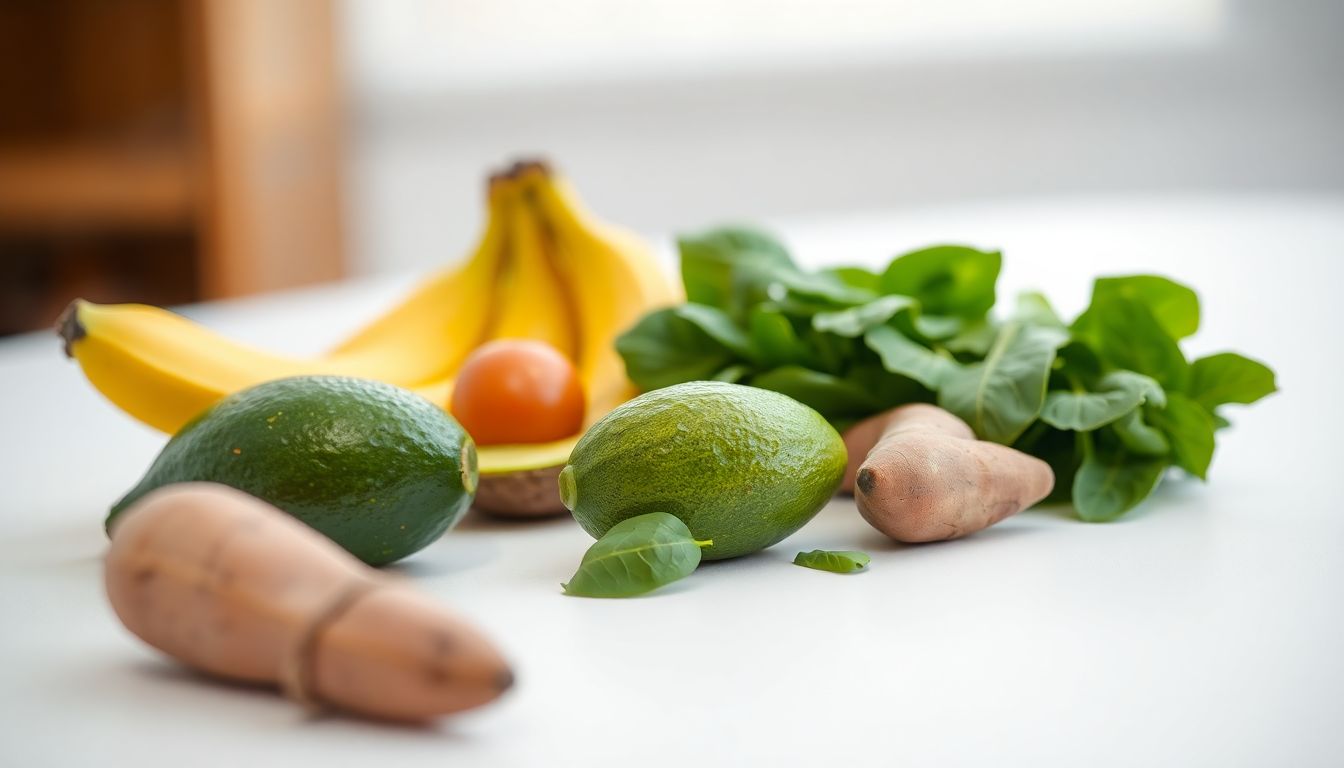
🥗 High-potassium foods include:
- Bananas 🍌
- Avocados 🥑
- Spinach and kale 🌿
- Sweet potatoes 🍠
- White beans and lentils 🫘
- Tomatoes 🍅
- Yogurt 🥛
- Oranges 🍊
- Beets and beet greens
💡 Tip: Potassium from whole foods is absorbed more steadily and safely than from pills.
(Also read: 10 Foods That Help Lower Blood Pressure Naturally)
💊 Potassium Supplements: When Are They Needed?
Most people can meet their needs through food, but some individuals — especially those on diuretics (water pills) — may require supplements.
⚠️ However, too much potassium can be dangerous if you have kidney disease or take certain medications (like ACE inhibitors).
✅ Always consult your doctor before taking potassium supplements.
(Also read: Is It Safe to Take Blood Pressure Supplements with Medication?)
⚕️ How Much Potassium Do You Need?
The recommended daily intake for healthy adults is around 3,500–4,700 mg per day.
To reach that goal:
- Eat 5 servings of fruits and vegetables daily
- Choose potassium-rich snacks (like nuts or yogurt)
- Limit processed foods high in sodium
(Also read: DASH Diet vs. Blood Pressure Supplements: Which Works Best?)
❤️ Potassium and Other Nutrients
Potassium works best alongside other nutrients that help regulate blood pressure:
- Magnesium: Helps relax muscles in vessel walls
- CoQ10: Energizes heart cells
- Omega-3s: Reduce inflammation
- Vitamin D: Improves kidney function and blood vessel tone
That’s why comprehensive supplements such as BP Zone® by Zenith Labs include complementary ingredients that support natural balance.
(Also read: The Role of Magnesium in Blood Pressure Control)
🧘♀️ Lifestyle Tips to Boost Potassium’s Effectiveness
To make potassium work even better for you:
✅ Drink plenty of water — helps kidneys excrete sodium.
✅ Exercise regularly — boosts circulation and mineral balance.
✅ Reduce processed food — lowers hidden sodium intake.
✅ Manage stress — keeps cortisol and adrenaline under control.
(Also read: Morning Habits That Help Reduce High Blood Pressure)
🕒 How Long It Takes to See Results
You can start noticing improvements in blood pressure within 2–4 weeks of eating more potassium-rich foods — especially if combined with lower sodium intake and regular exercise.
(Learn more: How Long Do Natural Remedies Take to Lower Blood Pressure?)
❓ FAQs — The Role of Potassium in Blood Pressure Regulation
- Can potassium really lower blood pressure?
Yes. Increasing potassium intake helps flush out sodium and relax arteries, leading to lower pressure. - What foods are highest in potassium?
Bananas, spinach, avocados, and sweet potatoes are excellent sources. - How long does it take for potassium to work?
Results usually appear within 2–4 weeks of consistent intake. - Can too much potassium be harmful?
Yes, high doses can cause irregular heartbeat or kidney strain. Always consult your doctor. - Do potassium supplements work?
They can help if prescribed, but food sources are safer and more effective long term. - Is potassium better than cutting salt?
Both matter — lowering sodium and increasing potassium gives the best results. - Can potassium help prevent heart disease?
Yes. It supports flexible arteries and healthy heart rhythms. - Does cooking affect potassium in food?
Boiling can reduce potassium slightly; steaming or baking preserves it best. - Should I take potassium with magnesium?
Yes — they work synergistically to support vessel relaxation and fluid balance. - Can potassium help with stress-related blood pressure spikes?
Yes. It regulates stress hormones and helps stabilize the nervous system.
❤️ Final Thoughts
Potassium is one of the most natural and effective ways to balance blood pressure — often overlooked but essential.
It works hand in hand with magnesium, CoQ10, and omega-3s to keep your heart strong and your arteries flexible.
Start by adding more potassium-rich foods to your plate today — small changes can make a big difference in your heart health.
(Also read: The Complete Guide to Lowering Blood Pressure Naturally)


Medically Reviewed for Accuracy
This content has been reviewed for accuracy and clarity by The Health Knowledge Base Medical Review Team, using current research and evidence-based health guidance.
Our review process helps ensure that information related to health, wellness, nutrition, lifestyle strategies, and natural support topics reflects current scientific understanding and responsible editorial standards.
Written by The Health Knowledge Base Editorial Team
Our editorial team consists of health researchers, wellness writers, and content specialists focused on creating clear, practical, and research-informed health content.
We publish educational articles designed to help readers better understand health topics, explore natural wellness strategies, and make more informed lifestyle decisions with confidence.
Affiliate Transparency, Medical Disclaimer & Safety Notice
At The Health Knowledge Base, we take pride in being a trusted resource and affiliate partner with select, high-quality companies. We choose these partnerships carefully because we genuinely believe their products, services, and educational resources align with the values and mission of our website.
When you purchase through certain links on this site, we may receive a small commission or compensation. This helps support our research, content creation, and ongoing work at no additional cost to you. Your price remains exactly the same.
Medical Disclaimer
The information provided by The Health Knowledge Base is for general informational and educational purposes only and is not a substitute for professional medical advice, diagnosis, or treatment.
Always seek the advice of your physician, doctor, or another qualified healthcare provider with any questions you may have regarding a medical condition, symptoms, treatment options, diet changes, exercise programs, or supplements.
Never disregard professional medical advice or delay in seeking it because of something you have read on this website.
Critical Safety Notice
Before making any changes to your diet, starting a new fitness or wellness routine, or taking any supplements mentioned on this site, you should consult with your doctor, physician, or another qualified healthcare professional. Reliance on any information provided by The Health Knowledge Base is solely at your own risk.
View our Affiliate Disclosure → | View our Medical Disclaimer →