
Stay Informed With Trusted Health Insights
Join 5,000+ readers who receive evidence-informed health articles, wellness tips, supplement reviews, and practical health guides delivered straight to their inbox.
Get Free Health UpdatesNo spam. Just helpful health education, updates, and resources.
Creatine is an organic compound naturally produced in the body and obtained through diet, primarily found in muscle cells. It plays an essential role in energy production, particularly during high-intensity, short-duration activities like weightlifting or sprinting.[1][2]
The Science Behind Creatine
Creatine is synthesized from three amino acids: arginine, glycine, and methionine, mainly in the kidneys and liver. Approximately 95% of the body’s creatine is stored in skeletal muscles, acting as a phosphate reservoir in the form of phosphocreatine. This phosphate group is crucial for regenerating adenosine triphosphate (ATP), the body’s primary energy currency during intense physical efforts.[2][3][4][5][1]
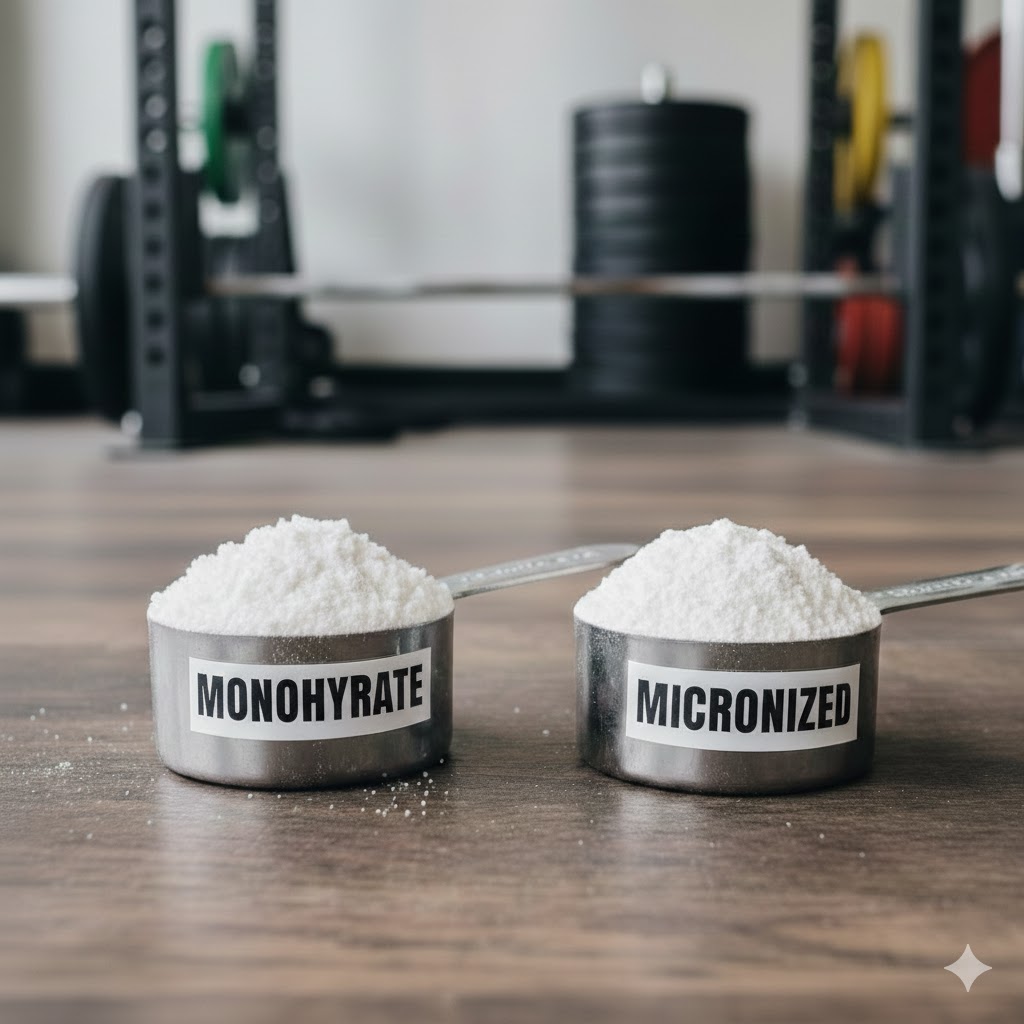
Supplemental creatine, commonly in the form of creatine monohydrate, increases phosphocreatine stores in muscles, enhancing energy availability during exercise.[2]
Why Is Creatine Important?
- Muscle Energy: Supplemental creatine enhances the ability to sustain high power output during resistance or sprint training.[1]
- Muscle Growth: By increasing training volume and recovery, creatine indirectly supports hypertrophy and strength gains.[4]
- Brain Function: Creatine is also present in the brain, where it supports energy metabolism, with emerging evidence suggesting cognitive benefits, particularly in stress or fatigue.[6]
- Health Benefits: Creatine may aid in combating age-related muscle loss (sarcopenia) when combined with resistance exercise.[7]
Common Uses of Creatine
- Enhancing athletic and gym performance
- Supporting muscle recovery and growth
- Potential cognitive support in elderly or sleep-deprived individuals[6]
- Usage is common among athletes but extends to general fitness and healthy aging populations
For detailed scientific insights, see our pillar article: The Ultimate Guide to Creatine
Frequently Asked Questions (FAQs)
1. Does creatine cause water retention or weight gain?
Creatine can cause temporary water retention in muscles, leading to slight weight gain. Read More
2. Is creatine an anabolic steroid or does it affect hormones?
No, creatine is not a steroid and does not affect your hormone levels. Read More
3. Is creatine safe for long-term use?
Yes, creatine is safe for long-term use when taken as recommended. Read More
4. Is a loading phase necessary for creatine?
Loading accelerates muscle saturation, but daily low doses also work effectively. Read More
5. Will creatine cause hair loss?
There is no scientific evidence linking creatine to hair loss. Read More
6. Can creatine cause dehydration or muscle cramps?
Creatine does not increase risk of dehydration or cramps with proper hydration. Read More
7. Is creatine suitable for women and older adults?
Yes, creatine is effective and safe for women and older adults. Read More
8. Can creatine improve cognitive function?
Creatine may help improve brain function, especially under stress or fatigue. Read More
9. Are there risks for people with kidney problems?
Those with kidney disease should consult a doctor before using creatine. Read More
10. Can I take creatine with other supplements?
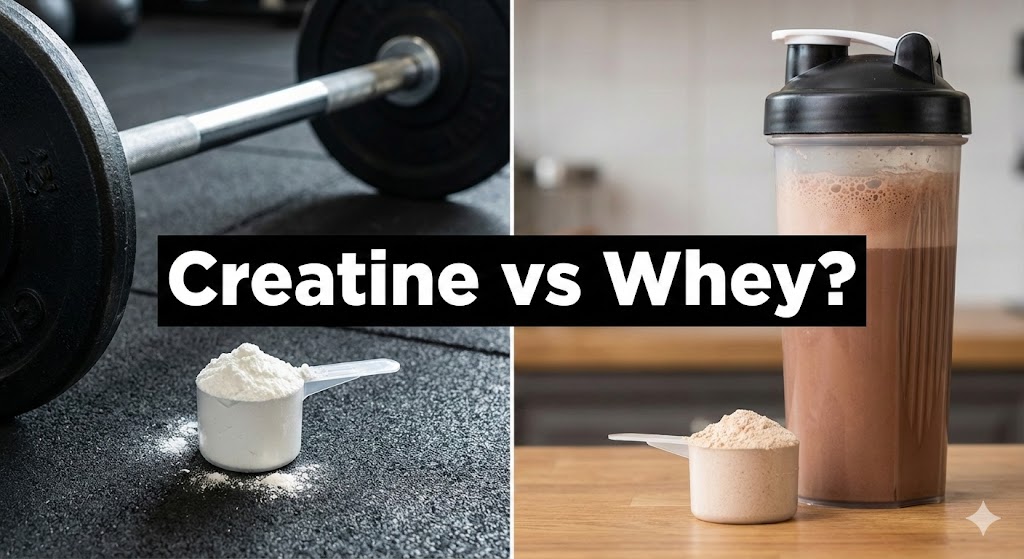
Yes, creatine can be safely combined with protein, BCAAs, and other supplements. Read More

Ready to Experience the Benefits of Creatine?
Based on our comprehensive research, we recommend Creatine Ultimate CRN-5 for its scientifically-backed formula and proven effectiveness.

Medically Reviewed for Accuracy
This content has been reviewed for accuracy and clarity by The Health Knowledge Base Medical Review Team, using current research and evidence-based health guidance.
Our review process helps ensure that information related to health, wellness, nutrition, lifestyle strategies, and natural support topics reflects current scientific understanding and responsible editorial standards.
Written by The Health Knowledge Base Editorial Team
Our editorial team consists of health researchers, wellness writers, and content specialists focused on creating clear, practical, and research-informed health content.
We publish educational articles designed to help readers better understand health topics, explore natural wellness strategies, and make more informed lifestyle decisions with confidence.
Affiliate Transparency, Medical Disclaimer & Safety Notice
At The Health Knowledge Base, we take pride in being a trusted resource and affiliate partner with select, high-quality companies. We choose these partnerships carefully because we genuinely believe their products, services, and educational resources align with the values and mission of our website.
When you purchase through certain links on this site, we may receive a small commission or compensation. This helps support our research, content creation, and ongoing work at no additional cost to you. Your price remains exactly the same.
Medical Disclaimer
The information provided by The Health Knowledge Base is for general informational and educational purposes only and is not a substitute for professional medical advice, diagnosis, or treatment.
Always seek the advice of your physician, doctor, or another qualified healthcare provider with any questions you may have regarding a medical condition, symptoms, treatment options, diet changes, exercise programs, or supplements.
Never disregard professional medical advice or delay in seeking it because of something you have read on this website.
Critical Safety Notice
Before making any changes to your diet, starting a new fitness or wellness routine, or taking any supplements mentioned on this site, you should consult with your doctor, physician, or another qualified healthcare professional. Reliance on any information provided by The Health Knowledge Base is solely at your own risk.
View our Affiliate Disclosure → | View our Medical Disclaimer →