




Creatine stands out as one of the most researched and effective supplements in both athletic and wellness communities. Originally famed for supporting muscle growth and strength, creatine’s benefits now expand to cognitive function, metabolic health, and healthy aging. This comprehensive guide explains what creatine is, how it functions, its scientifically backed benefits, safety profile, recommended usage, product selection, and answers common questions to equip you with the knowledge you need to confidently buy and use creatine supplements.
What Is Creatine?
Creatine is a naturally occurring compound composed from amino acids arginine, glycine, and methionine. It is primarily stored in skeletal muscles as phosphocreatine, a rapid energy reservoir helping regenerate ATP, the primary energy currency of cells¹. About 95% of the body’s creatine is stored in muscles, with the remainder found in the brain and other tissues².
Humans obtain creatine through endogenous synthesis mainly in the liver, kidneys, and pancreas, and also from dietary animal protein such as red meat and fish³. Supplemental creatine, usually in the form of creatine monohydrate, is a cost-effective and well-studied compound that safely increases muscle creatine stores⁴.
Learn more about what creatine is in our detailed article on “What Is Creatine?”.
How Creatine Works
Creatine plays a key role in the ATP-phosphocreatine energy system, critical for short bursts of intense effort such as sprinting or weightlifting. ATP breaks down quickly during such activity, and phosphocreatine donates phosphate groups to regenerate ATP, extending muscle contraction durability⁵.
Beyond energy, creatine enhances cellular hydration by drawing water into muscle cells, activating anabolic signaling pathways supporting muscle protein synthesis⁶. Supplementation also raises brain phosphocreatine levels, improving memory and executive function, especially under stress or sleep deprivation⁷.
Understanding how creatine works can help you optimize usage — see “How Creatine Works” for an in-depth explanation.
Proven Benefits of Creatine Supplementation
Muscle Strength and Growth
Creatine supplementation combined with resistance training boosts muscular strength, power, and lean muscle mass beyond training alone⁸ ⁹. It increases training volume and recovery, supporting long-term muscle growth.
Explore “Creatine for Bodybuilding: Building Muscle Fast” to see how athletes maximize these benefits.
Athletic Performance and Endurance
Athletes in short-burst sports benefit from creatine’s capacity to improve peak power and delay fatigue¹⁰. It aids recovery between exercise bouts, allowing better training performance.
For more on how creatine improves sports performance, read “How Creatine Improves Athletic Performance”.
Cognitive Health
Research indicates creatine supports brain energy metabolism and cognitive performance, especially for sleep-deprived individuals and vegetarians with lower creatine reserves¹¹ ¹².
Learn about cognitive benefits in “Cognitive Effects of Creatine: New Research”.
Metabolic and Aging Support
In older adults, creatine helps preserve muscle mass, improve bone health, and may mitigate metabolic disorders combined with exercise¹³ ¹⁴. Its neuroprotective potential is being studied in age-related and disease contexts.
See “Creatine for Older Adults: Is It Safe and Effective?” for specifics.
How to Take Creatine: Dosage and Timing
Loading and Maintenance
The usual dose is a loading phase (20 g/day split into 4 doses for 5-7 days), saturating muscle stores quickly. Then maintain with 3-5 g daily. Alternatively, 3-5 g daily without loading saturates stores after 3-4 weeks⁴.
Details and tips available in “How to Take Creatine: Loading, Cycling & Maintenance”.
Timing and Absorption
Timing is flexible but taking creatine near workouts may enhance uptake. Co-ingestion with carbs or protein increases absorption via insulin stimulation¹⁵.
See “Creatine Timing: Pre-Workout or Post-Workout?” for guidance.
Is Creatine Safe? Busting Myths and Misconceptions
Creatine is well-studied and safe in healthy people, with no negative impact on kidney or liver function¹⁶ ¹⁷. Myths about dehydration, hair loss, or steroid use are unsupported¹⁸.
People with kidney disease should consult healthcare providers before use¹⁷.
Discover details and common myths in “Common Side Effects of Creatine: What You Need to Know” and “Creatine and Hair Loss: Myth or Fact?”.
How to Choose the Best Creatine Products
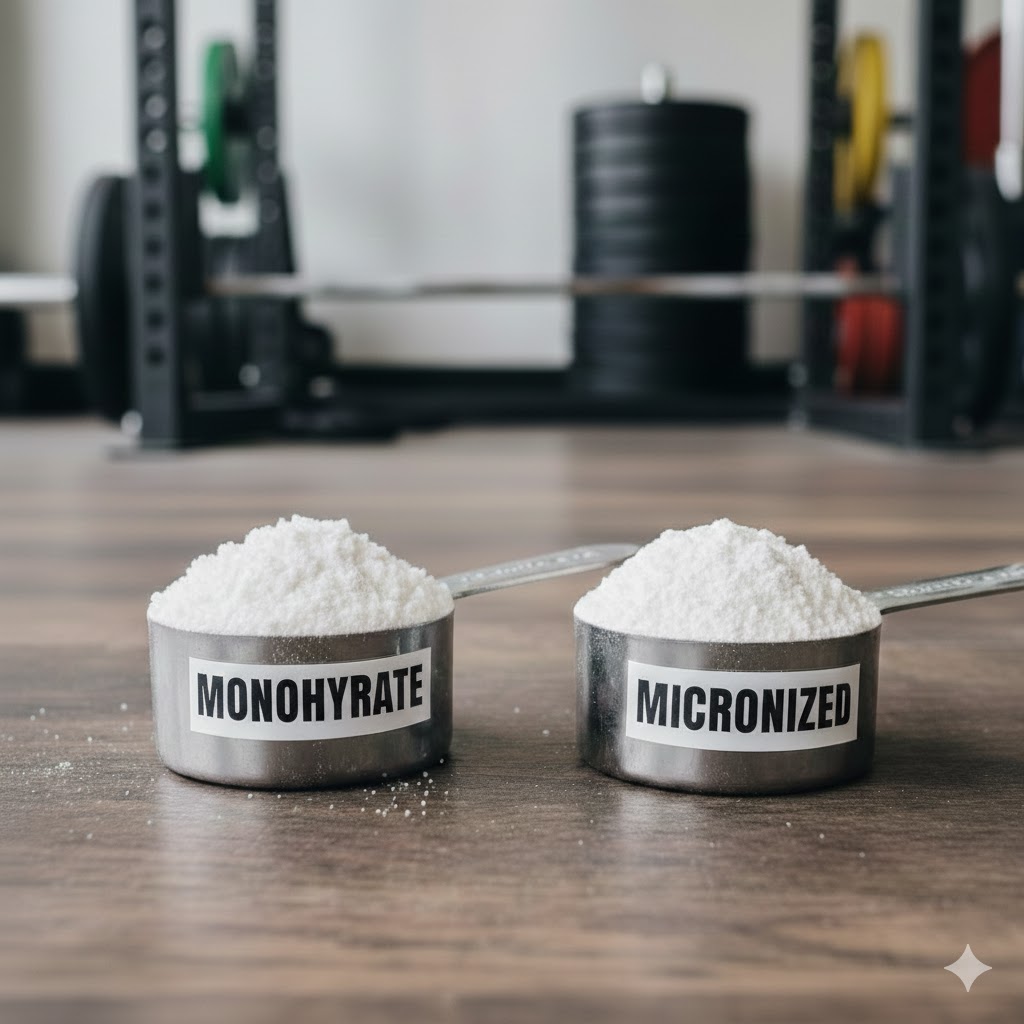
Monohydrate is the gold standard, affordable and effective. Micronized variants dissolve faster but offer similar benefits. Prioritize third-party tested supplements to ensure purity¹⁹.
Explore “Best Creatine Supplements for 2025: Reviews and Comparisons” for top product recommendations.
Creatine for Different Needs
- Beginners: Steady maintenance doses can reduce digestive upset.
- Women: Experience similar strength benefits safely²⁰.
- Older Adults: May improve muscle and cognitive health¹³.
- Bodybuilders and Athletes: Use loading and maintenance for optimal gains.
Detailed guides in:
- “Creatine for Beginners: Tips and Common Mistakes”
- “Creatine for Women: Unique Benefits and Concerns”
- “Creatine for Older Adults”
Frequently Asked Questions (FAQ)
- Does creatine cause water retention or weight gain?
Creatine can cause temporary water retention inside muscles, which may result in slight weight gain initially. This is normal and not fat gain. - Is creatine an anabolic steroid or does it affect hormone levels?
Creatine is not a steroid and does not affect your hormone levels like testosterone. - Is creatine safe for long-term daily use?
Yes, creatine is safe for long-term use in healthy individuals when used as recommended. - Do I need to do a loading phase to get results faster?
Loading speeds muscle saturation, but consistent daily dosing without loading is also effective over time. - Does creatine cause hair loss?
There is no credible scientific evidence that creatine causes hair loss. - Can creatine cause dehydration or muscle cramps?
Research shows that creatine does not increase risk of dehydration or muscle cramps when hydration is sufficient. - Is creatine suitable for women and older adults?
Yes, creatine is effective and safe for both women and older adults. - Can creatine improve cognitive performance?
Supplementation may support brain function especially in stress or sleep deprivation conditions. - Are there risks if you have kidney problems?
People with kidney disease should consult a healthcare provider before using creatine. - Can I take creatine with other supplements like protein or BCAAs?
Creatine can be safely combined with protein, BCAAs, and other supplements to enhance results.
Product Recommendations
Choose supplements with verified third-party testing. Our in-depth reviews highlight quality brands available to purchase with affiliate links.
Conclusion
Creatine is a safe, effective, versatile supplement, supporting strength, brain health, and healthy aging. Paired with proper exercise, supplementation empowers individuals of all ages to optimize physical and cognitive performance.
Ready to Experience the Benefits of Creatine?
Based on our research, we recommend Creatine Ultimate CRN-5 for its purity, effectiveness, and scientifically-backed formula.

References
- Walker JB, Coad R, Brooks S. Metabolic and endocrine regulation of creatine biosynthesis. Biochim Biophys Acta. 2021;1865(11):129942.
- Brosnan ME, Brosnan JT. Creatine metabolism and the urea cycle. Mol Cell Biochem. 2016;392(1-2):239-246.
- Wyss M, Kaddurah-Daouk R. Creatine and creatinine metabolism. Physiol Rev. 2000;80(3):1107-1213.
- Buford TW, Kreider RB, Stout JR, et al. International Society of Sports Nutrition position stand: creatine supplementation and exercise. J Int Soc Sports Nutr. 2007;4:6.
- Powers SK, Jackson MJ. Exercise-induced oxidative stress: Cellular mechanisms and impact on muscle force production. Physiol Rev. 2008;88(4):1243-1276.
- Persky AM, Brazeau GA. Clinical pharmacology of the dietary supplement creatine monohydrate. Pharmacol Rev. 2001;53(2):161-176.
- Avgerinos KI, Spyrou N, Bougioukas KI, Kapogiannis D. Effects of creatine supplementation on cognitive function of healthy individuals: A systematic review of randomized controlled trials. Exp Gerontol. 2018;108:166-173.
- Mesquita J, Pircher M, Sperlich B, Ribeiro F. Creatine supplementation, physical exercise and oxidative stress markers: A systematic review with meta-analysis. Eur J Nutr. 2016;55(8):2185-2196.
- Chilibeck PD, Kaviani M, Candow DG, Zello GA. Effect of creatine supplementation during resistance training on lean tissue mass and muscular strength in older adults: A meta-analysis. Open Access J Sports Med. 2017;8:213-226.
- Cooper R, Naclerio F, Allgrove J, Jimenez A. Creatine supplementation with specific view to exercise/sports performance: An update. J Int Soc Sports Nutr. 2012;9:33.
- Rae C, Digney AL, McEwan SR, Bates TC. Oral creatine monohydrate supplementation improves brain performance: a double–blind, placebo–controlled, cross–over trial. Psychopharmacology (Berl). 2003;167(4):430-436.
- Avgerinos KI, Spyrou N, Bougioukas KI, Kapogiannis D. Effects of creatine supplementation on cognitive function of healthy individuals: A systematic review of randomized controlled trials. Exp Gerontol. 2018;108:166-173.
- Candow DG, Forbes SC, Little JP, et al. Effect of creatine supplementation during resistance training on lean tissue mass and muscular strength in older adults. J Nutr Health Aging. 2019;23(3):282-287.
- Chilibeck PD, Kaviani M, Candow DG, Zello GA. Effect of creatine supplementation during resistance training on lean tissue mass and muscular strength in older adults: A meta-analysis. Open Access J Sports Med. 2017;8:213-226.
- Steenge GR, Simpson EJ, Greenhaff PL. Protein- and carbohydrate-induced stimulation of human muscle creatine retention. Am J Physiol Endocrinol Metab. 2000;279(3):E715-E720.
- Poortmans JR, Francaux M. Adverse effects of creatine supplementation: fact or fiction? Sports Med. 2000;30(3):155-170.
- Gualano B, Ferreira DC, Sapienza MT, Seguro AC, Lancha AH Jr. Effect of creatine supplementation on renal function: A systematic review and meta-analysis. Nutrition. 2012;28(7-8):737-744.
- Kreider RB, Kalman DS, Antonio J, et al. International Society of Sports Nutrition position stand: safety and efficacy of creatine supplementation in exercise, sport, and medicine. J Int Soc Sports Nutr. 2017;14:18.
- Jagim AR, Oliver JM, Sanchez A, Galvan E, Planinsek R, Kreider RB. Quality and safety of creatine monohydrate supplements. J Diet Suppl. 2021;18(6):629-643.
- Candow DG, Chilibeck PD, Burke DG, Davison KS. Effect of creatine supplementation and resistance training on muscle strength in older adults. J Strength Cond Res. 2014;28(1):258-265.