Stay Informed With Trusted Health Insights
Join 5,000+ readers who receive evidence-informed health articles, wellness tips, supplement reviews, and practical health guides delivered straight to their inbox.
Get Free Health UpdatesNo spam. Just helpful health education, updates, and resources.
Vaping has been marketed as a “safer alternative” to smoking, but emerging research reveals a disturbing truth: e-cigarettes pose significant, unique risks to lung health. As of 2026, the scientific consensus is clear– vaping causes measurable damage to respiratory systems, particularly among young users.
This comprehensive update examines the latest research on how vaping affects your lungs, from cellular damage to chronic conditions, and what you can do to protect your respiratory health.
The 2026 Landscape: Vaping Statistics and Trends
Before diving into the science, it’s crucial to understand the scale of the issue:
- 20% of young adults (18-24) currently use e-cigarettes
- Vaping-related lung injuries (EVALI) continue to be reported despite 2019 outbreaks
- Dual use (vaping and smoking) has become increasingly common
- New synthetic nicotine formulas present unknown long-term risks
“Many patients believe vaping is ‘harmless water vapor,’ but the reality is they’re inhaling a complex chemical cocktail directly into their lungs,” says Dr. Amanda Chen, a pulmonologist specializing in vaping-related lung disease.
How Vaping Damages Lungs: The Biological Mechanisms
1. Chemical Inflammation and Oxidative Stress
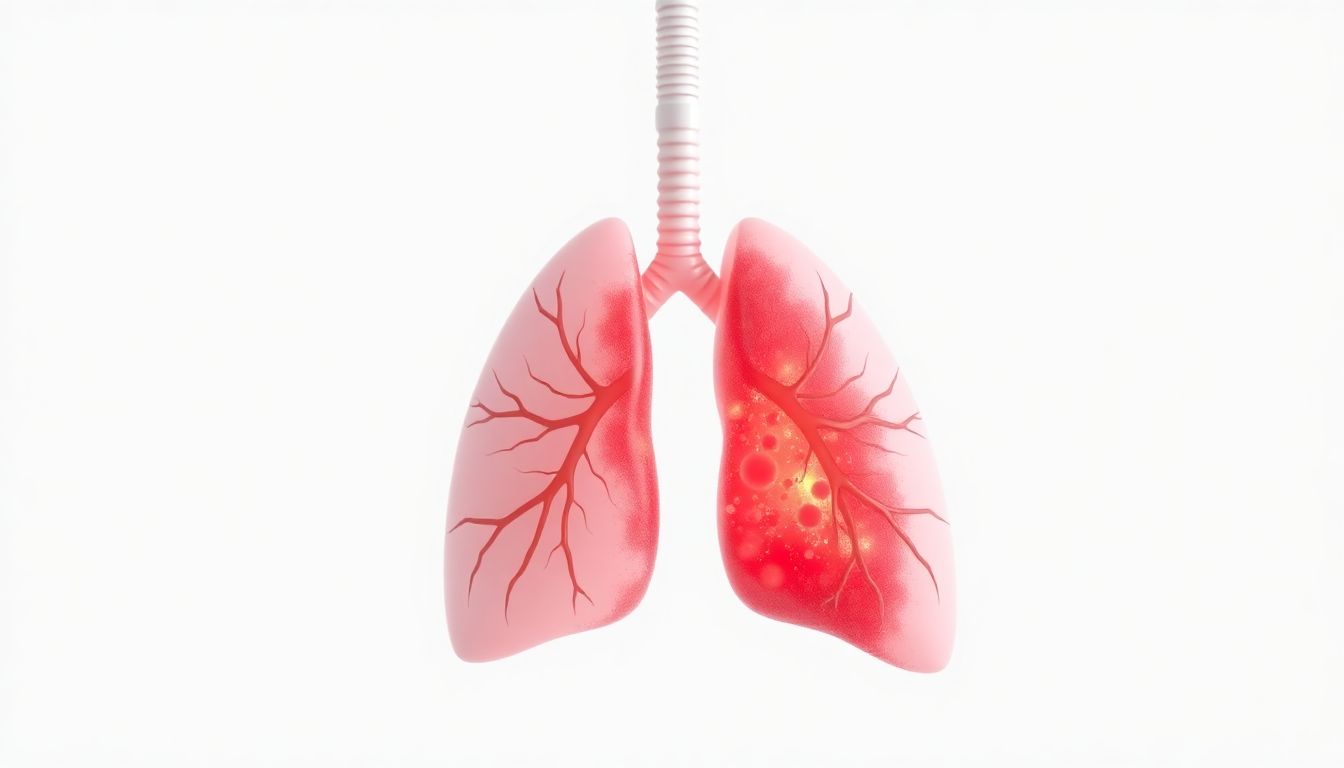
The e-liquid aerosol contains numerous compounds that trigger inflammatory responses:
- Propylene glycol and vegetable glycerin create a toxic environment when heated and inhaled
- Flavoring chemicals like diacetyl cause bronchiolitis obliterans (“popcorn lung”)
- Heavy metals (nickel, tin, lead) from device components damage lung tissue
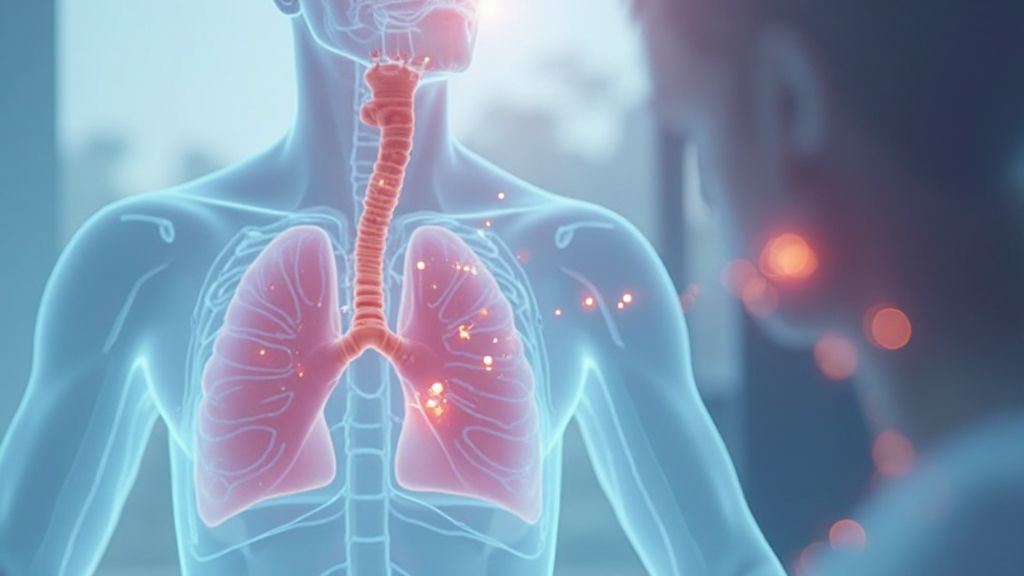
- Ultrafine particles penetrate deep into alveoli, causing systemic inflammation
2. Impaired Lung Immune Defenses
Research shows that vaping reduces the ability of immune cells in the lungs to fight pathogens:
- Alveolar macrophages show reduced bacterial clearance capacity
- Increased susceptibility to respiratory infections like pneumonia and influenza
- Compromised barrier function allows easier entry for viruses and bacteria
3. Ciliary Dysfunction
The hair-like structures that clear mucus and debris from your airways become paralyzed:
- Reduced mucociliary clearance leads to mucus buildup
- Increased infection risk as pathogens aren’t effectively removed
- Chronic cough and wheezing as the lungs struggle to self-clean
Specific Lung Conditions Linked to Vaping
EVALI (E-cigarette or Vaping Use-Associated Lung Injury)
Despite being identified in 2019, EVALI cases continue to emerge:
- Symptoms: Cough, chest pain, shortness of breath, fever, gastrointestinal issues
- Mechanism: Likely related to vitamin E acetate in THC-containing products
- Outcomes: Can cause permanent lung scarring and respiratory failure
Vaping-Associated Asthma and Bronchitis
- Asthma development: Teens who vape are 2-3x more likely to develop asthma
- Asthma exacerbation: Existing asthma becomes harder to control
- Chronic bronchitis: Persistent inflammation leads to “vaper’s cough”
“Popcorn Lung” (Bronchiolitis Obliterans)
Caused by diacetyl and similar flavoring chemicals:
- Progressive scarring of the smallest airways (bronchioles)
- Irreversible damage that mimics chronic obstructive pulmonary disease
- Symptoms: Dry cough, wheezing, shortness of breath with exertion
2026 Research Updates: What’s New in Vaping Science
Longitudinal Studies Now Showing Effects
With vaping becoming mainstream around 2015, we now have 10+ years of data:
- Lung function decline is measurable in chronic vapers, similar to light smokers
- Accelerated aging of lung tissue observed in heavy users
- Cardiopulmonary impacts extend beyond the lungs to cardiovascular function
New Generation Device Risks
- High-wattage devices produce more harmful aldehydes at higher temperatures
- Nicotine salt formulas enable deeper lung penetration and higher addiction potential
- Disposable vapes contain concerning new chemical combinations
Who’s Most at Risk? Vulnerable Populations
Adolescents and Young Adults
- Developing lungs are more susceptible to permanent damage
- Lifetime addiction often begins with teen vaping
- Brain development affected by nicotine exposure
People with Pre-existing Conditions
- Asthma patients experience worsened symptoms and more frequent attacks
- COPD sufferers accelerate their lung function decline
- Immunocompromised individuals face higher infection risks
Dual Users (Smoking and Vaping)
- Compounded damage from both delivery methods
- Harder to quit either habit due to cross-addiction
- Accelerated decline in lung function compared to single-product users
Myths vs. Reality: Common Vaping Misconceptions
Myth: “It’s just water vapor”
Reality: E-cigarette aerosol contains ultrafine particles, heavy metals, and volatile organic compounds—far from harmless water vapor.
Myth: “Vaping helps people quit smoking”
Reality: Most adult vapers continue smoking (dual use), and teen vaping often leads to cigarette smoking.
Myth: “The damage is reversible”
Reality: While some inflammation may decrease after quitting, scarring and cellular changes can be permanent.
Protecting Your Lungs: Recovery and Prevention
If You Currently Vape:
- Consider cessation resources similar to those for quitting smoking
- Support lung health with targeted supplements for respiratory recovery
- Practice lung cleansing techniques like those in our breathing exercises guide
- Monitor symptoms and seek medical attention for persistent respiratory issues
For Former Vapers:
- Lung function can improve within months of cessation
- Inflammation markers decrease significantly after 30 days
- Consider lung-supporting supplements like Breathe Drops to aid recovery
- Regular exercise helps rebuild respiratory capacity
For Prevention:
- Educate young people about the very real risks
- Advocate for regulation of vaping products and marketing
- Support research into long-term vaping effects
When to Seek Medical Help
Consult a healthcare provider if you experience:
- Persistent cough lasting more than 3 weeks
- Shortness of breath with routine activities
- Chest pain or tightness
- Unexplained weight loss and fatigue
- Recurrent respiratory infections

Support Your Lung Recovery Journey
Whether you’re concerned about vaping damage or actively quitting, Breathe Drops provide herbal support to help maintain respiratory wellness and aid recovery.
Support Lung Health →✅ FAQ
1. How long does it take for vaping to damage your lungs?
Some effects, like inflammation and reduced immune function, can begin within days or weeks of regular use. More significant damage, such as cellular changes and reduced lung function, typically develops over months to years of use.
2. Can your lungs heal from vaping damage?
It depends on the extent and duration of use. Inflammation and some functional impairment can reverse within months of quitting. However, scarring and certain cellular changes may be permanent. Early cessation provides the best chance for recovery.
3. Is vaping worse than smoking for your lungs?
They cause different types of damage. Smoking is associated with higher cancer risk and emphysema, while vaping appears to cause more immune dysfunction and unique conditions like EVALI. Neither is safe, and dual use is particularly harmful.
4. What’s the difference between EVALI and regular vaping damage?
EVALI is a specific, severe lung injury syndrome often linked to vitamin E acetate in THC products. Regular vaping damage refers to the cumulative harm from typical nicotine vaping, including inflammation, reduced immunity, and airway damage.
5. How many puffs of a vape equal one cigarette?
This varies significantly by device and user behavior, but generally 10-15 puffs of a 5% nicotine vape pod delivers similar nicotine to one cigarette. However, the lung exposure to other harmful compounds differs substantially.
6. Can secondhand vape exposure damage lungs?
Yes, secondhand aerosol contains nicotine, ultrafine particles, and volatile organic compounds that can affect bystanders, particularly children, asthmatics, and people with respiratory conditions.
7. Are there any safe vaping alternatives?
No form of inhaling substances into your lungs is completely safe. While natural lung detox methods and harm reduction strategies exist, abstinence is the only way to avoid vaping-related lung damage entirely.
8. How can I tell if vaping is affecting my lungs?
Warning signs include persistent cough, wheezing, shortness of breath with normal activities, increased mucus production, frequent respiratory infections, and chest pain or tightness.
9. Do nicotine-free vapes still damage lungs?
Yes, the nicotine isn’t the primary cause of lung damage. The other chemicals, flavorings, metal particles, and the physical act of heating and inhaling aerosol all contribute to respiratory harm regardless of nicotine content.
10. Where can I find help to quit vaping?
Many of the strategies for quitting smoking apply to vaping cessation. Additionally, consider speaking with your healthcare provider about medications, behavioral support, and using lower-nicotine products as stepping stones to complete cessation.
Support Your Lung Recovery Journey
Whether you’re concerned about vaping damage or actively quitting, Breathe Drops provide herbal support to help maintain respiratory wellness and aid recovery.
Support Lung Health →Still Have Questions? We Have Answers.
Lung health is complex. If you’re wondering “What about…?” or “What’s next for me?”, you’re not alone. Our Resource Hub is built to be your **first stop for trustworthy, in-depth answers** on every aspect of respiratory wellness.
- Condition-Specific Guides (COPD, Asthma, Post-COVID)
- Step-by-Step Detox & Recovery Plans
- Science-Backed Natural & Conventional Strategies

Medically Reviewed for Accuracy
This content has been reviewed for accuracy and clarity by The Health Knowledge Base Medical Review Team, using current research and evidence-based health guidance.
Our review process helps ensure that information related to health, wellness, nutrition, lifestyle strategies, and natural support topics reflects current scientific understanding and responsible editorial standards.
Written by The Health Knowledge Base Editorial Team
Our editorial team consists of health researchers, wellness writers, and content specialists focused on creating clear, practical, and research-informed health content.
We publish educational articles designed to help readers better understand health topics, explore natural wellness strategies, and make more informed lifestyle decisions with confidence.
Affiliate Transparency, Medical Disclaimer & Safety Notice
At The Health Knowledge Base, we take pride in being a trusted resource and affiliate partner with select, high-quality companies. We choose these partnerships carefully because we genuinely believe their products, services, and educational resources align with the values and mission of our website.
When you purchase through certain links on this site, we may receive a small commission or compensation. This helps support our research, content creation, and ongoing work at no additional cost to you. Your price remains exactly the same.
Medical Disclaimer
The information provided by The Health Knowledge Base is for general informational and educational purposes only and is not a substitute for professional medical advice, diagnosis, or treatment.
Always seek the advice of your physician, doctor, or another qualified healthcare provider with any questions you may have regarding a medical condition, symptoms, treatment options, diet changes, exercise programs, or supplements.
Never disregard professional medical advice or delay in seeking it because of something you have read on this website.
Critical Safety Notice
Before making any changes to your diet, starting a new fitness or wellness routine, or taking any supplements mentioned on this site, you should consult with your doctor, physician, or another qualified healthcare professional. Reliance on any information provided by The Health Knowledge Base is solely at your own risk.
View our Affiliate Disclosure → | View our Medical Disclaimer →