Stay Informed With Trusted Health Insights
Join 5,000+ readers who receive evidence-informed health articles, wellness tips, supplement reviews, and practical health guides delivered straight to their inbox.
Get Free Health UpdatesNo spam. Just helpful health education, updates, and resources.
That sticky, heavy feeling on a humid summer day. The dry, scratchy sensation in your throat during winter. If you have asthma, COPD, or just sensitive lungs, you’ve likely felt how the moisture in the air—or lack thereof – can directly impact your breathing.
Humidity isn’t just a weather report statistic; it’s a powerful environmental factor that can either soothe or stress your respiratory system. Getting it right can mean the difference between easy, comfortable breaths and frustrating flare-ups.
This guide will help you find that perfect balance. We’ll explore why humidity matters and give you a clear, actionable plan to find your personal “sweet spot” for easier breathing year-round. For a comprehensive approach to respiratory wellness, this is a key part of the puzzle covered in our Ultimate Guide to Clearing Mucus & Restoring Lung Health Naturally.
Why Your Lungs Care About Humidity
Your airways are lined with a delicate layer of mucus and tiny, hair-like structures called cilia. This “mucociliary escalator” is your lungs’ first line of defense, trapping dust, allergens, and pathogens and moving them out.
Humidity directly affects this system:
- In Dry Air: The protective mucus layer evaporates and thickens. This makes it harder for the cilia to move, causing irritants to stick around longer and triggering coughs and irritation. It’s a primary reason behind the discomfort we detail in our guide to winter lung protection.
- In Humid Air: Excessive moisture can feel heavy and make breathing feel more laborious, especially for those with obstructive lung diseases. It also promotes the growth of mold and dust mites, two potent allergens and asthma triggers.
The Goldilocks Zone: Finding Your Humidity Sweet Spot
For most people, the ideal relative humidity for lung health is between 30% and 50%.
This range is the “Goldilocks Zone”—not too dry, not too damp. It keeps your airway mucus at the right consistency for optimal function while discouraging the growth of allergens.
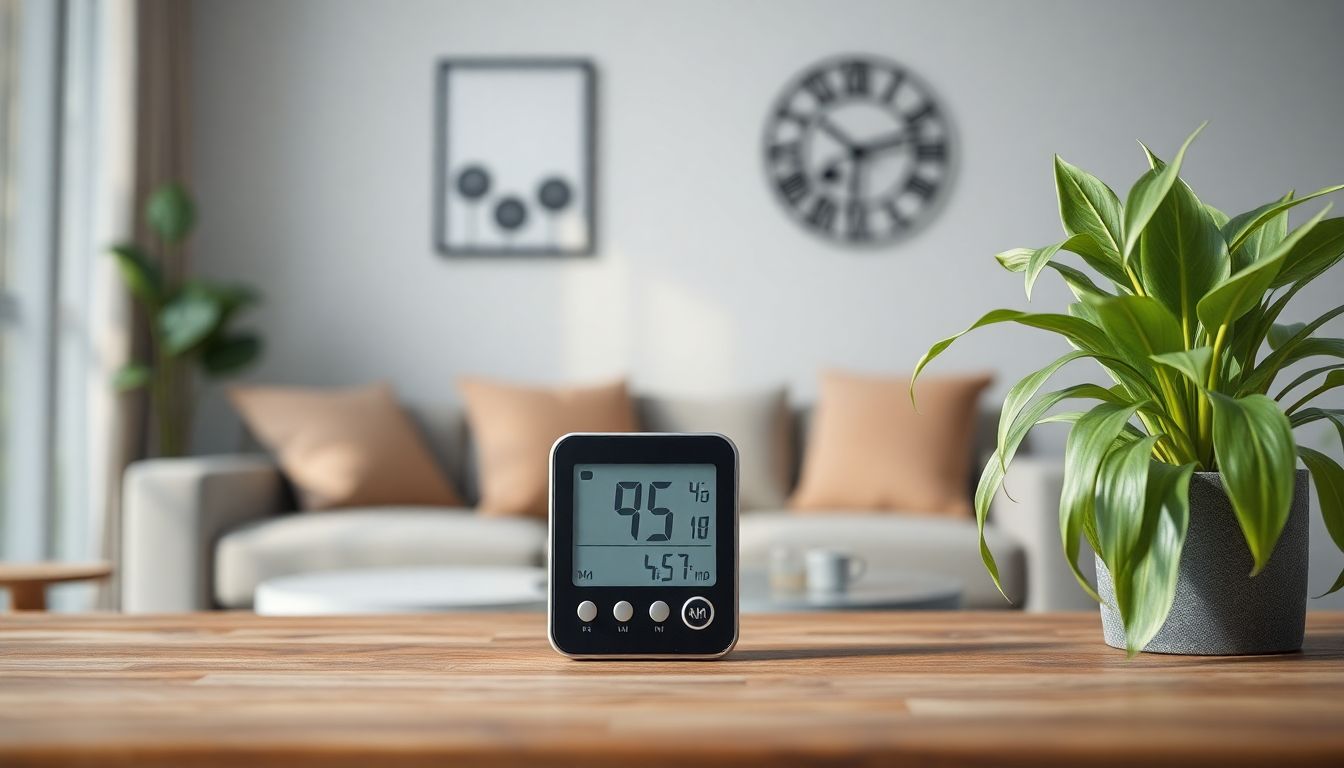
You can measure your home’s humidity with an inexpensive device called a hygrometer.
The Problem: When the Air is Too Dry (<30%)
Common in: Winter, desert climates, and air-conditioned spaces.
How it feels: Dry, tickly cough; scratchy throat; irritated sinuses; thicker, harder-to-clear mucus.
The Science: Dry air pulls moisture from your airway lining, causing inflammation and narrowing (bronchoconstriction). This can directly trigger wheezing and shortness of breath.
Solutions for Dry Air:
- Use a Humidifier: This is your most effective tool. Place a cool-mist humidifier in your bedroom and other main living areas. (See our product guide below).
- Stay Hydrated: Drinking plenty of water helps your body maintain that crucial mucosal lining.
- Create Steam: Inhaling steam from a hot shower or a bowl of hot water (with a towel over your head) can provide immediate, soothing relief for dry airways, a technique we also recommend for instant mucus relief.
- Boil Water: Simply boiling a pot of water on the stove releases a significant amount of moisture into your home’s air.
The Problem: When the Air is Too Humid (>60%)
Common in: Summer, tropical climates, and poorly ventilated bathrooms or basements.
How it feels: “Breathing through a straw,” heaviness in the chest, increased allergy symptoms.
The Science: High humidity encourages the proliferation of dust mites and mold. It also makes the air feel denser, which can increase the work of breathing. For some, it can trigger the same kind of airway inflammation discussed in our article on lung inflammation.
Solutions for Humid Air:
- Use a Dehumidifier: Essential for basements, bathrooms, and any room that feels damp. Aim to keep levels below 50%.
- Run the Air Conditioner: AC units naturally remove moisture from the air as they cool.
- Improve Ventilation: Use exhaust fans in kitchens and bathrooms. Open windows when the outside air is less humid than inside.
- Fix Leaks and Seal Drafts: Prevent moisture from entering your home in the first place.
Your Action Plan for Perfect Humidity
- Measure: Buy a hygrometer (often combined with a thermometer) to know your starting point.
- Identify: Is your air too dry or too damp?
- Act: Implement the solutions above—get a humidifier for dry air or a dehumidifier for humid air.
- Maintain: Clean your humidifier/dehumidifier regularly to prevent mold and bacterial growth.
Product Guide: Choosing the Right Tool
- For Dry Air (Humidifiers):
- Cool-Mist Ultrasonic: Quiet, energy-efficient, and safe for children. Ideal for most bedrooms.
- Evaporative: Self-regulating (less risk of over-humidifying) but can be noisier.
- Key Feature: Look for a built-in hygrometer and auto-shutoff. For specific recommendations, see our detailed guide to the best humidifiers for respiratory conditions.
- For Humid Air (Dehumidifiers):
- Capacity: Choose one with a pint capacity suitable for the size of your room (e.g., 30-pint for a bedroom, 50-pint for a living area).
- Key Feature: Look for a continuous drain option and a built-in humidistat.
Conclusion: Breathe Easier by Taking Control
You don’t have to be a passive victim of your environment. By understanding the role of humidity and taking simple steps to manage it, you can create a home environment that actively supports your lung health.
Remember, the goal is that 30-50% sweet spot. It’s a small change that can lead to a major improvement in your daily comfort and breathing, perfectly complementing other natural strategies for restoring lung health. Take control of your air, and give your lungs the balance they crave.
FAQs
1. What is the best humidity level for asthma?
The ideal humidity level for most people with asthma is between 30% and 50%. This range is moist enough to prevent airway irritation from dry air but dry enough to inhibit the growth of dust mites and mold, which are common asthma triggers.
2. Can high humidity cause shortness of breath?
Yes. Very humid air can feel heavy and dense, making it feel more difficult to inhale. This can be particularly challenging for people with COPD or severe asthma, as it increases the perceived work of breathing and may contribute to feelings of shortness of breath.
3. Why do I cough more when the air is dry?
Dry air evaporates the thin layer of moisture protecting your airway lining. This causes the lining to become irritated and inflamed, and the mucus to become thick and sticky. This irritation triggers a dry, tickly cough as your body tries to clear the perceived obstruction.
4. Is a humidifier or dehumidifier better for COPD?
It depends on your environment. If your indoor air is dry (below 30-40%), a humidifier can help soothe dry airways and thin mucus. If your air is damp (above 50%), a dehumidifier is essential to reduce mold and make the air easier to breathe. The goal is the same 30-50% range.
5. How can I tell if my house is too humid?
Signs include condensation on windows, a musty odor, feeling “sticky” indoors, and the presence of mold or mildew. The most accurate way is to use a hygrometer, which gives you a precise reading.
6. Can using a humidifier make me sick?
A dirty humidifier can disperse mold, bacteria, or minerals into the air, potentially causing “humidifier fever” or worsening allergies. This is why daily rinsing and weekly deep cleaning with vinegar or bleach are crucial to safely use a humidifier for improving your indoor air quality.
7. What’s the difference between a humidifier and a vaporizer?
A humidifier releases cool (or warm) mist into the air. A vaporizer boils water to create steam, releasing hot moisture. Cool-mist humidifiers are generally recommended as they are safer around children and pets and won’t promote bacterial growth in the same way.
8. Does breathing steam help with humidity?
Yes, but temporarily. Inhaling steam from a shower or a bowl of hot water can provide immediate relief for dry, irritated airways and help loosen thick mucus. However, it only affects the air you are directly breathing for a short time and does not change the overall humidity of a room.
9. Why is my bedroom so dry at night?
Heating systems, especially forced-air heat, significantly reduce indoor humidity during colder months. As the heater runs overnight, it continuously dries out the air, which is why symptoms like a dry throat and morning cough are so common.
10. Can humidity affect sleep?
Absolutely. Both excessively dry and humid air can disrupt sleep. Dry air can cause nasal congestion and coughing, while humid air can make breathing feel difficult and uncomfortable. Maintaining the 30-50% range can lead to a more restful night’s sleep.
Still Have Questions? We Have Answers.
Lung health is complex. If you’re wondering “What about…?” or “What’s next for me?”, you’re not alone. Our Resource Hub is built to be your **first stop for trustworthy, in-depth answers** on every aspect of respiratory wellness.
- Condition-Specific Guides (COPD, Asthma, Post-COVID)
- Step-by-Step Detox & Recovery Plans
- Science-Backed Natural & Conventional Strategies

Medically Reviewed for Accuracy
This content has been reviewed for accuracy and clarity by The Health Knowledge Base Medical Review Team, using current research and evidence-based health guidance.
Our review process helps ensure that information related to health, wellness, nutrition, lifestyle strategies, and natural support topics reflects current scientific understanding and responsible editorial standards.
Written by The Health Knowledge Base Editorial Team
Our editorial team consists of health researchers, wellness writers, and content specialists focused on creating clear, practical, and research-informed health content.
We publish educational articles designed to help readers better understand health topics, explore natural wellness strategies, and make more informed lifestyle decisions with confidence.
Affiliate Transparency, Medical Disclaimer & Safety Notice
At The Health Knowledge Base, we take pride in being a trusted resource and affiliate partner with select, high-quality companies. We choose these partnerships carefully because we genuinely believe their products, services, and educational resources align with the values and mission of our website.
When you purchase through certain links on this site, we may receive a small commission or compensation. This helps support our research, content creation, and ongoing work at no additional cost to you. Your price remains exactly the same.
Medical Disclaimer
The information provided by The Health Knowledge Base is for general informational and educational purposes only and is not a substitute for professional medical advice, diagnosis, or treatment.
Always seek the advice of your physician, doctor, or another qualified healthcare provider with any questions you may have regarding a medical condition, symptoms, treatment options, diet changes, exercise programs, or supplements.
Never disregard professional medical advice or delay in seeking it because of something you have read on this website.
Critical Safety Notice
Before making any changes to your diet, starting a new fitness or wellness routine, or taking any supplements mentioned on this site, you should consult with your doctor, physician, or another qualified healthcare professional. Reliance on any information provided by The Health Knowledge Base is solely at your own risk.
View our Affiliate Disclosure → | View our Medical Disclaimer →