Stay Informed With Trusted Health Insights
Join 5,000+ readers who receive evidence-informed health articles, wellness tips, supplement reviews, and practical health guides delivered straight to their inbox.
Get Free Health UpdatesNo spam. Just helpful health education, updates, and resources.
🧐 What Is Leaky Gut (And Why It Matters)?
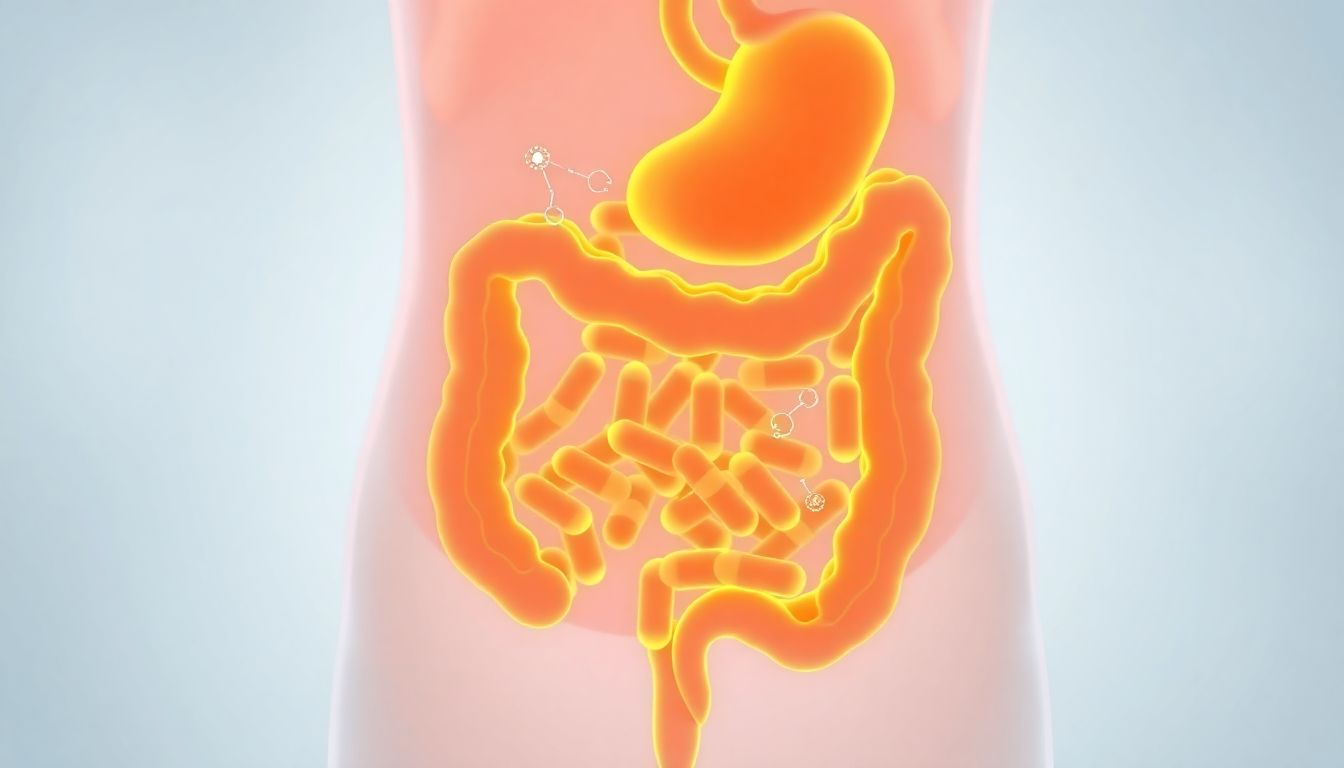
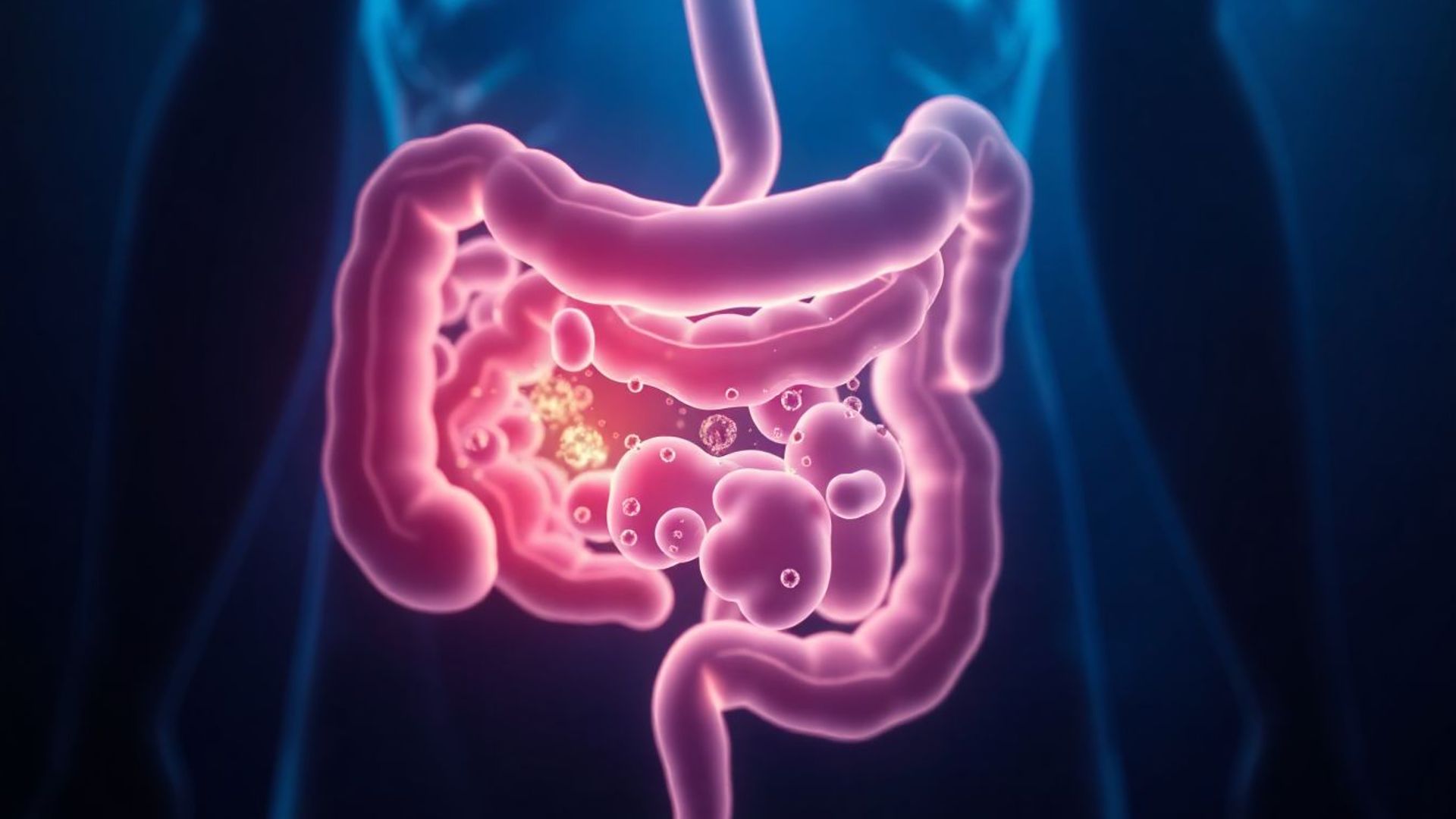
Leaky gut — or increased intestinal permeability — happens when the lining of your gut becomes weakened and tiny gaps begin to open between the intestinal cells.
When the gut barrier is healthy, it keeps out harmful particles like:
- Toxins
- Undigested food
- Bad bacteria
- Inflammatory compounds
But when the gut becomes “leaky,” these substances escape into the bloodstream, triggering inflammation throughout the entire body.
If you’ve been dealing with bloating, fatigue, skin breakouts, or unexplained food reactions, leaky gut may be the root cause.
Let’s break down exactly what causes it — and how to heal it naturally.
🚫 What Causes Leaky Gut?
1. Diet High in Sugar & Processed Foods
Refined sugar feeds harmful gut bacteria, creating imbalance and inflammation. Processed foods weaken the gut lining and reduce beneficial bacteria diversity.
2. Chronic Stress
Stress releases cortisol, which increases gut permeability and slows digestion. Over time, this damages the gut barrier and lowers immune resilience.
3. Excess Alcohol Consumption
Alcohol irritates the intestinal lining and disrupts beneficial bacteria. Even moderate drinking can increase gut permeability in sensitive individuals.
4. Antibiotics & Certain Medications
Antibiotics eliminate harmful bacteria — but also kill beneficial ones. Other medications that contribute to leaky gut include:
- NSAIDs
- Antacids
- Birth control pills
5. Low-Fiber Diet
Fiber feeds good bacteria and strengthens the gut lining. Without fiber, protective mucosal layers break down.
6. Infections or Gut Overgrowth
Yeast overgrowth, SIBO, parasites, or chronic infections can damage the intestinal wall.
7. Food Sensitivities
Frequent reactions to gluten, dairy, soy, or processed oils cause repeated inflammation that erodes gut integrity.
8. Environmental Toxins
Pesticides, synthetic additives, and pollutants irritate the gut lining, making it more permeable.
🤕 Common Symptoms of Leaky Gut
You may be experiencing leaky gut if you notice:
- Bloating or gas
- Fatigue
- Brain fog
- Skin breakouts or eczema
- Sugar cravings
- Food intolerances
- Joint stiffness
- Mood swings
- Frequent illness
- Irregular digestion
Because leaky gut affects multiple systems, symptoms often appear unrelated — making it easy to overlook the root cause.
🌱 How to Heal Leaky Gut Naturally
Now the good news: your gut can repair itself with the right support. Here’s how to help your gut lining recover:
1. Remove Gut Irritants
Temporarily avoid:
- Refined sugar
- Seed oils
- Processed snacks
- Fried foods
- Artificial sweeteners
- Excess alcohol
These are the biggest triggers of inflammation.
2. Add Gut-Healing Foods
Eat more:
- Bone broth
- Fermented foods (kimchi, kefir, sauerkraut)
- Leafy greens
- Prebiotic vegetables
- Omega-3 fatty acids
- Turmeric and ginger
These nourish the mucosal lining and reduce inflammation.
3. Strengthen the Gut Barrier With Probiotics
Probiotics help:
- Restore beneficial bacteria
- Reduce gut inflammation
- Repair the intestinal lining
- Improve digestion and mood
Recommended:
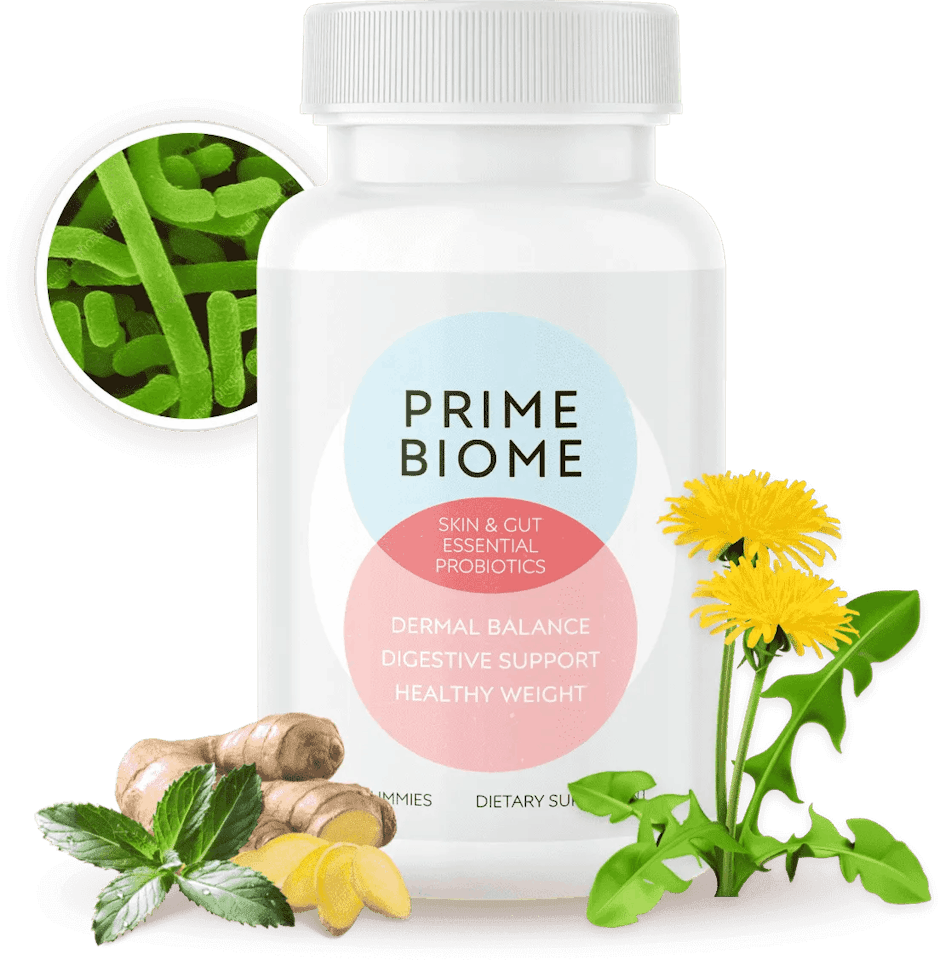
👉 PrimeBiome
A daily probiotic formulated to support gut lining integrity, rebalance microbiome diversity, and reduce inflammation.
4. Reduce Stress Daily
Try:
- Meditation
- Deep breathing
- Walking
- Journaling
Stress is one of the fastest ways to weaken the gut barrier — lowering it restores balance.
5. Improve Sleep Quality
Aim for 7–8 hours nightly. Your gut lining regenerates fastest during deep sleep.
📖 Related Articles
- Complete Guide to Gut Health: How to Improve and Fix Your Gut for Life
- How to Repair Your Gut After Antibiotics
- The Gut-Eczema Link: Natural Ways to Calm Skin Inflammation
- PrimeBiome Review: Does It Really Improve Gut & Skin Health?
Frequently Asked Questions (FAQs)
1. What exactly causes leaky gut?
A combination of diet, stress, medications, and gut bacteria imbalance weakens the gut lining.
2. Can leaky gut be reversed?
Yes — with diet changes, probiotics, and reduced stress, the gut lining can repair itself.
3. How long does it take to heal leaky gut?
Most people see improvements in 3–6 weeks, depending on severity.
4. What foods should I avoid when healing leaky gut?
Sugar, processed foods, alcohol, artificial sweeteners, and seed oils.
5. Is leaky gut the same as IBS?
No, but many people with IBS also have intestinal permeability.
6. What foods help repair the gut lining?
Bone broth, leafy greens, fermented foods, omega-3s, and prebiotic fibers.
7. Can probiotics fix leaky gut?
They play a major role by restoring the microbiome and reducing inflammation.
8. Does stress make leaky gut worse?
Yes — stress increases cortisol, which opens gaps in the gut lining.
9. Can kids get leaky gut?
Yes — especially after antibiotics or high-sugar diets.
10. Does PrimeBiome help with leaky gut?
Yes, its clinically backed strains help repair the gut lining and reduce inflammation.

Medically Reviewed for Accuracy
This content has been reviewed for accuracy and clarity by The Health Knowledge Base Medical Review Team, using current research and evidence-based health guidance.
Our review process helps ensure that information related to health, wellness, nutrition, lifestyle strategies, and natural support topics reflects current scientific understanding and responsible editorial standards.
Written by The Health Knowledge Base Editorial Team
Our editorial team consists of health researchers, wellness writers, and content specialists focused on creating clear, practical, and research-informed health content.
We publish educational articles designed to help readers better understand health topics, explore natural wellness strategies, and make more informed lifestyle decisions with confidence.
Affiliate Transparency, Medical Disclaimer & Safety Notice
At The Health Knowledge Base, we take pride in being a trusted resource and affiliate partner with select, high-quality companies. We choose these partnerships carefully because we genuinely believe their products, services, and educational resources align with the values and mission of our website.
When you purchase through certain links on this site, we may receive a small commission or compensation. This helps support our research, content creation, and ongoing work at no additional cost to you. Your price remains exactly the same.
Medical Disclaimer
The information provided by The Health Knowledge Base is for general informational and educational purposes only and is not a substitute for professional medical advice, diagnosis, or treatment.
Always seek the advice of your physician, doctor, or another qualified healthcare provider with any questions you may have regarding a medical condition, symptoms, treatment options, diet changes, exercise programs, or supplements.
Never disregard professional medical advice or delay in seeking it because of something you have read on this website.
Critical Safety Notice
Before making any changes to your diet, starting a new fitness or wellness routine, or taking any supplements mentioned on this site, you should consult with your doctor, physician, or another qualified healthcare professional. Reliance on any information provided by The Health Knowledge Base is solely at your own risk.
View our Affiliate Disclosure → | View our Medical Disclaimer →