
Stay Informed With Trusted Health Insights
Join 5,000+ readers who receive evidence-informed health articles, wellness tips, supplement reviews, and practical health guides delivered straight to their inbox.
Get Free Health UpdatesNo spam. Just helpful health education, updates, and resources.
Your Morning Routine Shapes Your Gut Health
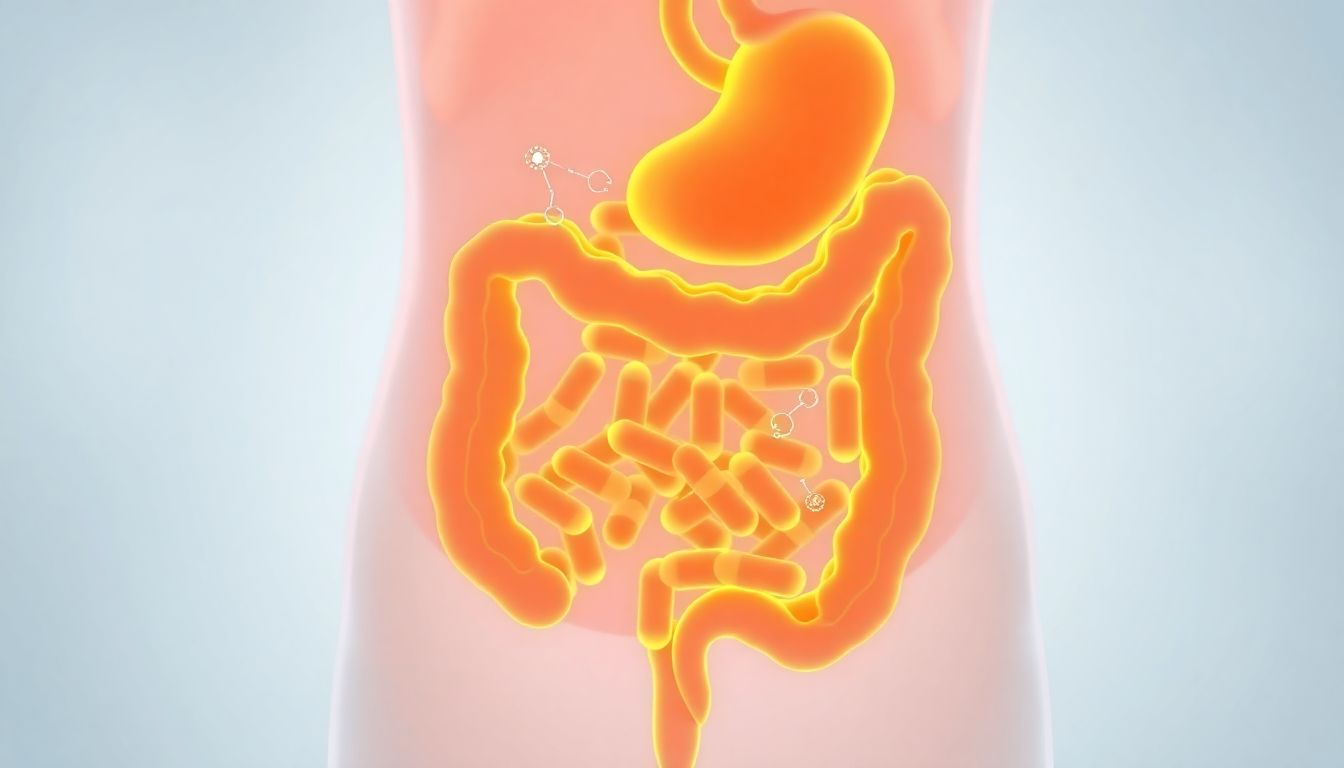
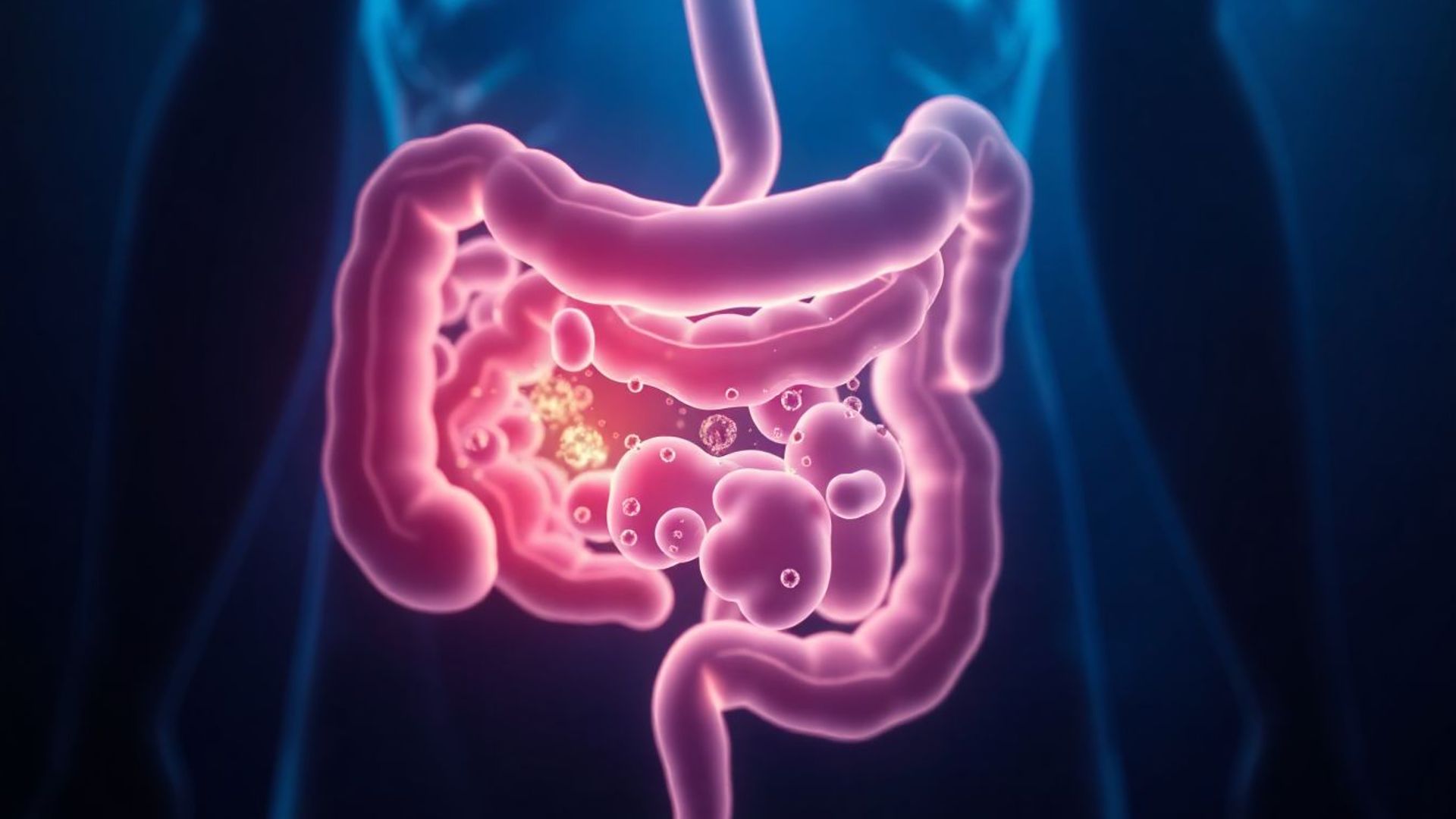
A healthy gut doesn’t just depend on the foods you eat — your daily habits play a major role too.
And the most important habits are the ones you follow first thing in the morning.
Your morning routine influences:
- digestion
- gut motility
- microbiome balance
- inflammation levels
- mood and stress hormones
- energy production
By making small changes early in the day, you can dramatically improve your gut health, skin clarity, and overall well-being.
Below are the top morning habits for gut health, backed by both research and practical results.
1. Start Your Day With Water (Before Coffee)
Your gut becomes slightly dehydrated overnight.
Drinking water as soon as you wake up:
- activates digestion
- supports bowel movements
- flushes toxins
- improves gut motility
Tip: Add lemon, sea salt, or a splash of apple cider vinegar for extra digestive support.
2. Get Natural Morning Sunlight
Morning sunlight helps reset your circadian rhythm, which directly controls:
- digestion
- metabolism
- hormone balance
- gut motility
Just 2–5 minutes outside can improve gut-brain communication for the whole day.
3. Gentle Movement Within the First Hour
Movement wakes up your digestive system.
Even simple activities help:
- walking
- stretching
- yoga
- mobility routines
This reduces morning bloating and supports a healthy bowel movement.
4. Do 1–2 Minutes of Deep Breathing
Your gut and nervous system are deeply connected.
Deep breathing:
- lowers cortisol
- activates the “rest and digest” system
- reduces gut tightness
- improves nutrient absorption
Just 10 slow breaths can make a difference.
5. Eat a Fiber-Rich, Gut-Friendly Breakfast
Your microbiome feeds on fiber.
Great options include:
- oatmeal
- chia pudding
- whole fruit
- avocado
- vegetables
- nuts and seeds
- gut-friendly smoothies
For ideas:
👉 Gut-Friendly Smoothies for Glowing Skin
6. Take a Probiotic With Your First Meal
Probiotics help:
- repopulate healthy bacteria
- support gut lining integrity
- reduce inflammation
- improve digestion
- regulate bowel movements
Recommended:
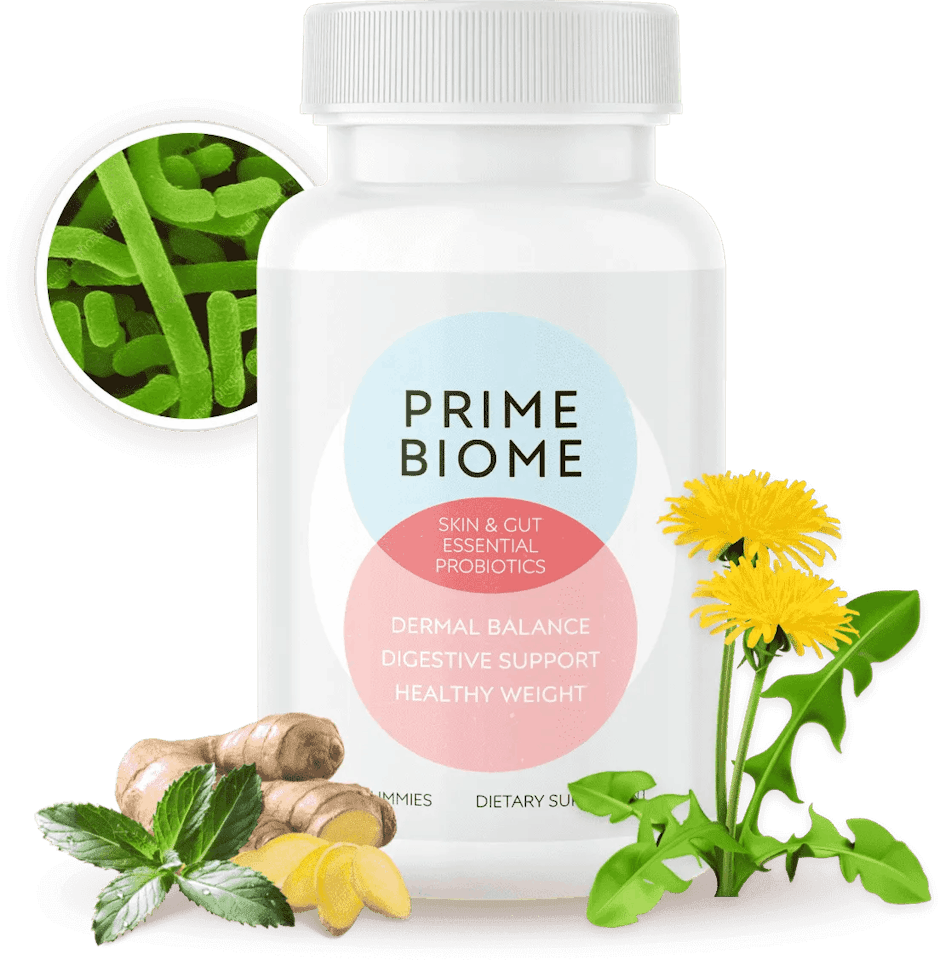
👉 PrimeBiome
A daily probiotic designed to support microbiome balance, digestion, and gut–skin harmony.
7. Avoid Sugar on an Empty Stomach
Sugary breakfasts (cereal, pastries, sweetened coffee) can:
- spike blood sugar
- feed harmful bacteria
- trigger inflammation
- lead to digestive discomfort
Instead, aim for:
- protein
- fiber
- healthy fats
- slow-digesting carbohydrates
A balanced breakfast keeps your gut calm all day.
8. Give Yourself Time for a Relaxed Bathroom Break
Morning bowel movements are normal and healthy.
Your gut needs:
- relaxation
- hydration
- natural motility
- a consistent schedule
Rushing increases stress, which slows digestion.
9. Journal, Meditate, or Express Gratitude
Positive mental routines lower cortisol, which is essential because:
- stress weakens the gut barrier
- stress slows digestion
- stress alters gut bacteria balance
Your mind and gut talk to each other constantly — support both.
10. Delay Coffee (If You Can)
Drinking coffee immediately upon waking may:
- irritate the gut lining
- trigger urgency
- worsen reflux
- increase cortisol
Try waiting 45–90 minutes, or pair your coffee with food.

Related Articles
- The Complete Guide to Gut Health
- What Causes Leaky Gut (And How to Heal It Naturally)
- How to Repair Your Gut After Antibiotics
- PrimeBiome Review
Frequently Asked Questions (FAQs)
1. What is the best morning habit for gut health?
Hydration and gentle movement are the strongest starting habits for digestion.
2. Should I drink warm or cold water in the morning?
Warm or room-temperature water is ideal for digestion.
3. Is it better to take probiotics in the morning?
Yes — taking them with your first meal helps them survive stomach acid.
4. Why does sunlight help gut health?
It regulates circadian rhythms, which govern digestion and metabolism.
5. What should I avoid eating in the morning?
Sugary or overly processed foods, which feed harmful bacteria.
6. Does coffee hurt the gut?
Only when taken on an empty stomach — buffer it with food if needed.
7. Do morning habits impact microbiome diversity?
Yes — circadian alignment and stress reduction support a balanced microbiome.
8. What’s a good gut-friendly breakfast?
Oats, chia pudding, fruit, nuts, seeds, or a green smoothie.
9. Can PrimeBiome support morning digestion?
Yes — it helps with motility, microbiome balance, and gut lining support.
10. How long before I see improvements?
Most people see better digestion within 1–2 weeks of consistent morning habits.

Medically Reviewed for Accuracy
This content has been reviewed for accuracy and clarity by The Health Knowledge Base Medical Review Team, using current research and evidence-based health guidance.
Our review process helps ensure that information related to health, wellness, nutrition, lifestyle strategies, and natural support topics reflects current scientific understanding and responsible editorial standards.
Written by The Health Knowledge Base Editorial Team
Our editorial team consists of health researchers, wellness writers, and content specialists focused on creating clear, practical, and research-informed health content.
We publish educational articles designed to help readers better understand health topics, explore natural wellness strategies, and make more informed lifestyle decisions with confidence.
Affiliate Transparency, Medical Disclaimer & Safety Notice
At The Health Knowledge Base, we take pride in being a trusted resource and affiliate partner with select, high-quality companies. We choose these partnerships carefully because we genuinely believe their products, services, and educational resources align with the values and mission of our website.
When you purchase through certain links on this site, we may receive a small commission or compensation. This helps support our research, content creation, and ongoing work at no additional cost to you. Your price remains exactly the same.
Medical Disclaimer
The information provided by The Health Knowledge Base is for general informational and educational purposes only and is not a substitute for professional medical advice, diagnosis, or treatment.
Always seek the advice of your physician, doctor, or another qualified healthcare provider with any questions you may have regarding a medical condition, symptoms, treatment options, diet changes, exercise programs, or supplements.
Never disregard professional medical advice or delay in seeking it because of something you have read on this website.
Critical Safety Notice
Before making any changes to your diet, starting a new fitness or wellness routine, or taking any supplements mentioned on this site, you should consult with your doctor, physician, or another qualified healthcare professional. Reliance on any information provided by The Health Knowledge Base is solely at your own risk.
View our Affiliate Disclosure → | View our Medical Disclaimer →