Stay Informed With Trusted Health Insights
Join 5,000+ readers who receive evidence-informed health articles, wellness tips, supplement reviews, and practical health guides delivered straight to their inbox.
Get Free Health UpdatesNo spam. Just helpful health education, updates, and resources.
🌿 Why Gut Health Matters More Than You Think
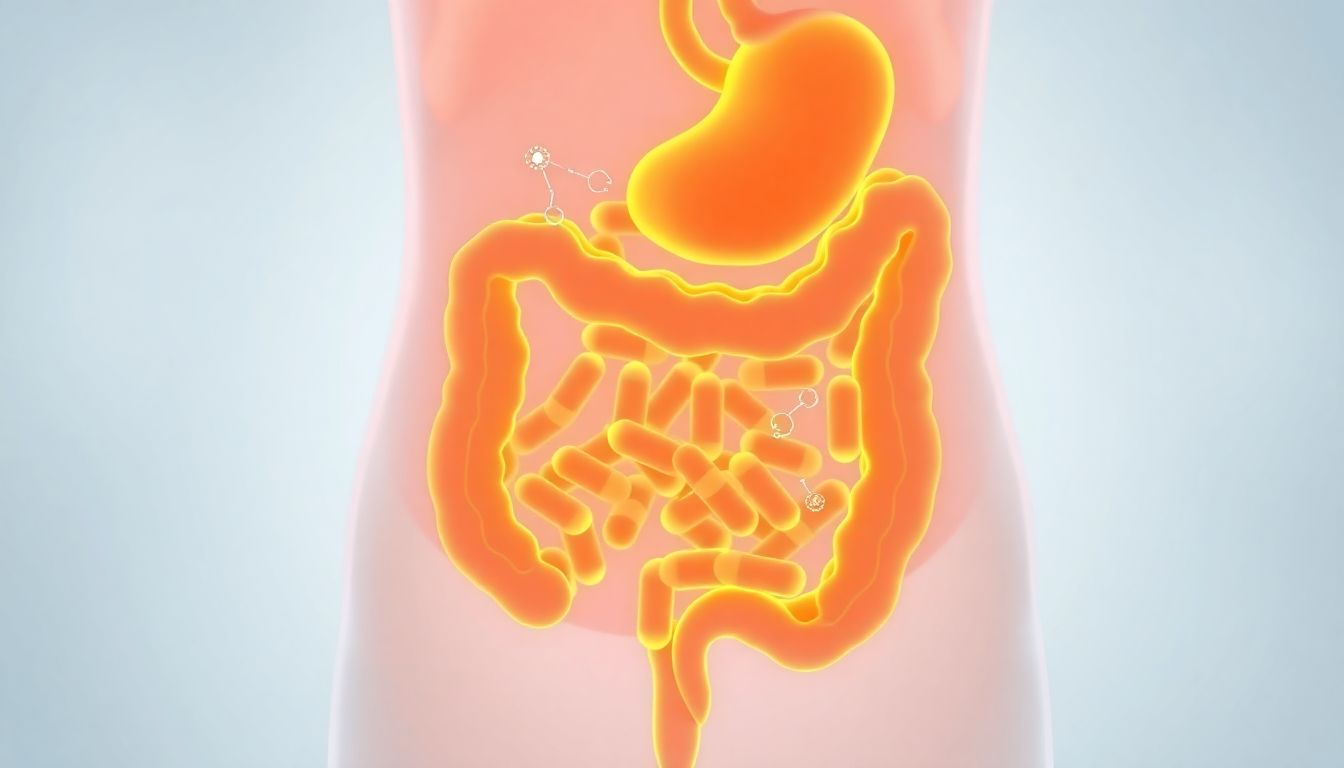
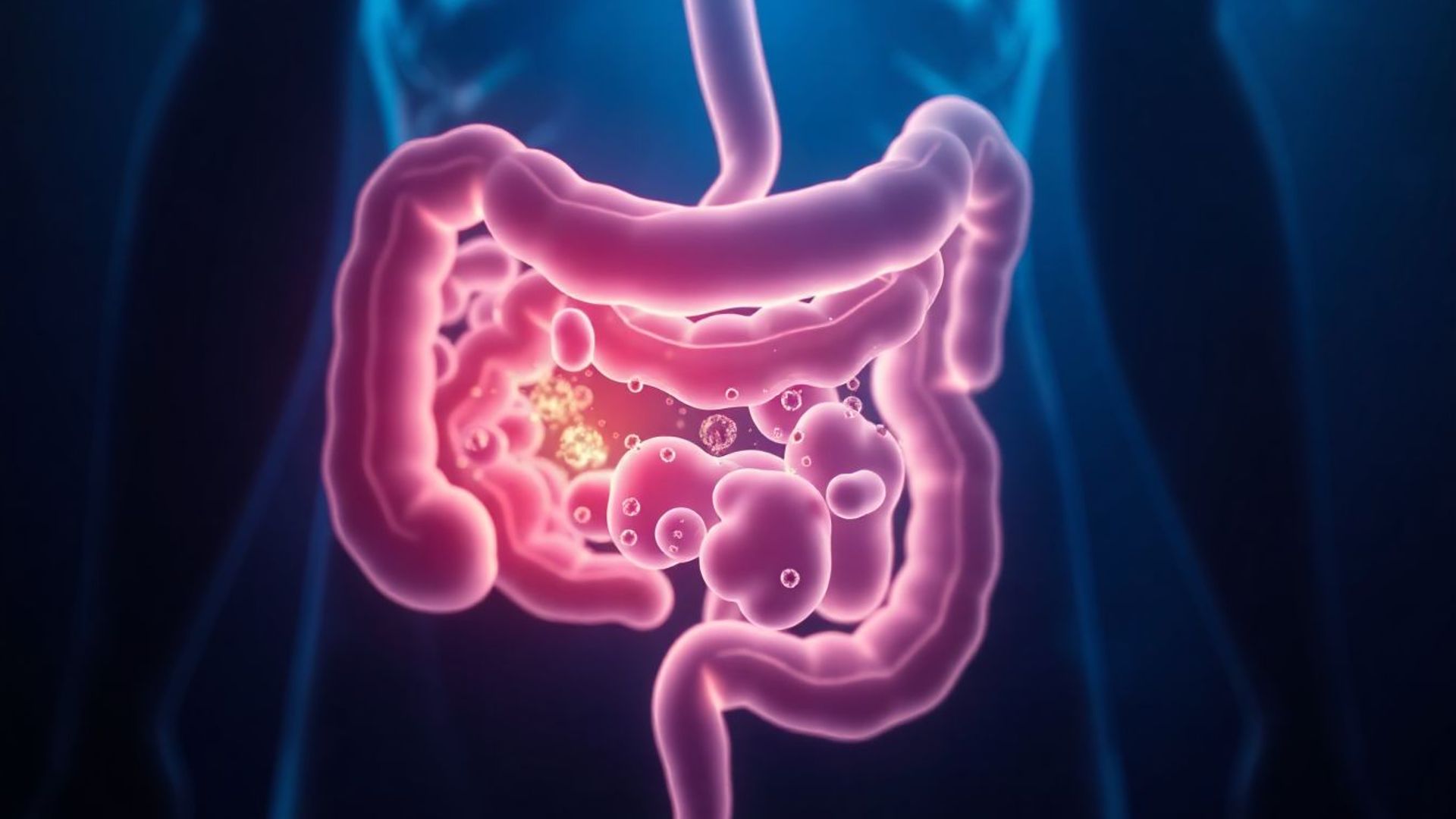
Your gut is home to over 100 trillion microorganisms — collectively known as the gut microbiome.
This hidden ecosystem affects nearly every part of your health: digestion, mood, skin, energy, hormones, and even immune function.
When your microbiome is balanced, you feel energetic, focused, and resilient.
But when it’s out of balance, you may experience bloating, fatigue, skin breakouts, low mood, or stubborn weight gain.
The good news? Your gut can heal — and you can restore it for life.
This guide will show you exactly how to rebuild your gut naturally, step by step.
🧠 Understanding the Gut Microbiome
Your gut microbiome is a complex community of bacteria, fungi, and other microorganisms that live in your intestines.
They play vital roles in:
- Digesting food and absorbing nutrients
- Producing vitamins (B12, K2, folate)
- Regulating your immune system
- Communicating with your brain through the gut-brain axis
- Protecting against harmful bacteria and toxins
When these bacteria are diverse and balanced, your gut thrives.
When they’re disrupted (a state called dysbiosis), health problems begin.
🩺 Learn more in What Causes Leaky Gut (And How to Heal It Naturally).
⚠️ Signs Your Gut Is Out of Balance
Gut issues can manifest in ways you might not expect.
Look out for these common warning signs:
- Bloating, gas, or irregular bowel movements
- Food sensitivities or intolerances
- Fatigue or “brain fog”
- Skin conditions like acne or eczema
- Anxiety or mood swings
- Weakened immunity (frequent colds)
- Sugar or carb cravings
These symptoms are your body’s signal that it’s time to repair and rebalance.
🔥 Common Causes of Poor Gut Health
- Processed foods and sugar – Feed bad bacteria and cause inflammation.
- Antibiotics and medications – Kill beneficial microbes.
- Chronic stress – Reduces digestive enzyme production and weakens immunity.
- Lack of sleep – Disrupts circadian rhythm and microbiome balance.
- Low-fiber diet – Starves good bacteria.
- Excess alcohol – Damages gut lining.
Each of these factors contributes to dysbiosis and leaky gut — but all can be reversed.
🥦 Foods That Heal the Gut
✅ Eat More of These:
- Fermented foods: yogurt, kefir, kimchi, sauerkraut
- Prebiotic fibers: garlic, onion, asparagus, oats, bananas
- Healthy fats: olive oil, avocado, nuts, seeds
- Bone broth: rich in collagen and amino acids for gut repair
- Leafy greens: spinach, kale, Swiss chard — full of polyphenols
- Omega-3 rich fish: salmon, sardines, mackerel
🚫 Avoid or Limit:
- Refined sugar and flour
- Artificial sweeteners
- Seed oils (canola, soybean, corn)
- Excess caffeine and alcohol
🥗 Discover more in The 12 Best Foods for Gut & Skin Health.
💊 The Role of Probiotics and Prebiotics
Probiotics are live microorganisms that support your microbiome.
Prebiotics are the dietary fibers that feed them.
Together, they’re the foundation of gut healing.
The Best Probiotic Strains for Gut Repair:
- Lactobacillus plantarum: reduces inflammation and supports digestion
- Bifidobacterium longum: improves barrier strength and mental clarity
- Lactobacillus rhamnosus GG: balances immune response and skin health
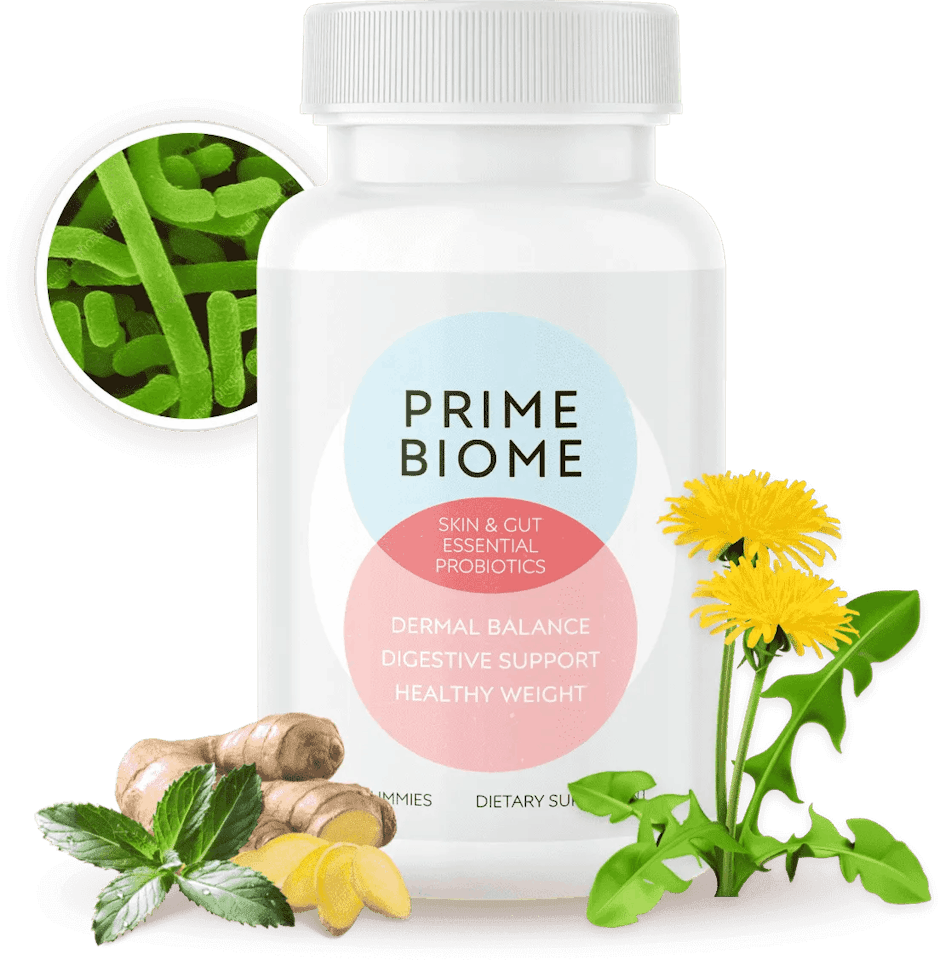
💊 Try PrimeBiome, a scientifically formulated probiotic supplement that restores gut balance, strengthens digestion, and supports clearer skin and energy.
🧘♀️ Lifestyle Habits for a Healthy Gut
Gut health isn’t only about what you eat — it’s also how you live.
These habits keep your microbiome in top shape:
- Sleep 7–8 hours: essential for microbial rhythm and repair.
- Reduce stress: through yoga, deep breathing, or journaling.
- Move your body: daily walking or moderate exercise improves digestion.
- Hydrate: water helps maintain mucosal lining and flush out toxins.
- Eat slowly: mindful eating improves nutrient absorption.
Even small changes practiced consistently make a huge difference over time.
⏳ How Long Does Gut Healing Take?
Gut healing isn’t overnight — it’s a journey.
Here’s what to expect:
| Time Frame | What Happens |
|---|---|
| 1–2 weeks | Bloating reduces, digestion starts to normalize. |
| 3–4 weeks | Energy improves, skin clears, inflammation decreases. |
| 6–8 weeks | Gut barrier begins to rebuild; microbiome stabilizes. |
| 3+ months | Lasting repair, stronger immunity, balanced mood. |
Stay consistent — your microbiome thrives on routine.
💡The Gut–Brain–Skin Connection
Your gut doesn’t work alone. It’s part of a triangle linking the brain, gut, and skin.
- A calm gut supports a calm mind.
- A healthy gut reduces inflammatory skin conditions like acne and eczema.
- Balanced bacteria improve serotonin production, boosting mood.
🧠 Read more in Your Gut Is Your Second Brain: The Microbiome’s Link to Anxiety, Stress, and Mood.
🛡️Long-Term Gut Maintenance Plan
Once your gut heals, protect it for life with these practices:
- Eat a fiber-rich, whole-food diet.
- Take probiotics like PrimeBiome for ongoing support.
- Manage stress and sleep well.
- Avoid unnecessary antibiotics.
- Do seasonal gut resets (4 times a year).
These habits ensure a strong microbiome, glowing skin, and optimal health — year-round.
💬 The Takeaway
Your gut is the foundation of your entire well-being.
By nourishing it with the right foods, probiotics, and lifestyle habits, you can improve digestion, energy, mood, and even the way your skin looks.
Gut healing isn’t a trend — it’s a lifelong investment in how you feel every day.
✨ Heal your gut. Transform your life.
❓ Frequently Asked Questions
1. What is gut health and why is it important?
It’s the balance of bacteria and functions in your digestive system that affect everything from immunity to mood.
2. How do I know if my gut needs healing?
Look for signs like bloating, fatigue, acne, food sensitivities, or brain fog.
3. What foods are best for gut repair?
Fermented foods, fiber-rich vegetables, and bone broth are excellent choices.
4. Can probiotics really help?
Yes. The right strains rebalance your microbiome and improve digestion.
5. What damages gut health the most?
Sugar, stress, alcohol, and processed foods are top offenders.
6. How long does gut healing take?
Typically 4–8 weeks for improvement, depending on severity and consistency.
7. Is gut health linked to skin?
Absolutely. The gut-skin axis explains why digestive issues often show up as acne or eczema.
8. Can I restore my gut without supplements?
A whole-food diet helps, but probiotics like PrimeBiome speed up results.
9. Does stress affect gut health?
Yes. Stress disrupts beneficial bacteria and increases inflammation.
10. How do I maintain a healthy gut long term?
Eat diverse whole foods, stay hydrated, sleep well, and use daily probiotics.

Medically Reviewed for Accuracy
This content has been reviewed for accuracy and clarity by The Health Knowledge Base Medical Review Team, using current research and evidence-based health guidance.
Our review process helps ensure that information related to health, wellness, nutrition, lifestyle strategies, and natural support topics reflects current scientific understanding and responsible editorial standards.
Written by The Health Knowledge Base Editorial Team
Our editorial team consists of health researchers, wellness writers, and content specialists focused on creating clear, practical, and research-informed health content.
We publish educational articles designed to help readers better understand health topics, explore natural wellness strategies, and make more informed lifestyle decisions with confidence.
Affiliate Transparency, Medical Disclaimer & Safety Notice
At The Health Knowledge Base, we take pride in being a trusted resource and affiliate partner with select, high-quality companies. We choose these partnerships carefully because we genuinely believe their products, services, and educational resources align with the values and mission of our website.
When you purchase through certain links on this site, we may receive a small commission or compensation. This helps support our research, content creation, and ongoing work at no additional cost to you. Your price remains exactly the same.
Medical Disclaimer
The information provided by The Health Knowledge Base is for general informational and educational purposes only and is not a substitute for professional medical advice, diagnosis, or treatment.
Always seek the advice of your physician, doctor, or another qualified healthcare provider with any questions you may have regarding a medical condition, symptoms, treatment options, diet changes, exercise programs, or supplements.
Never disregard professional medical advice or delay in seeking it because of something you have read on this website.
Critical Safety Notice
Before making any changes to your diet, starting a new fitness or wellness routine, or taking any supplements mentioned on this site, you should consult with your doctor, physician, or another qualified healthcare professional. Reliance on any information provided by The Health Knowledge Base is solely at your own risk.
View our Affiliate Disclosure → | View our Medical Disclaimer →