Stay Informed With Trusted Health Insights
Join 5,000+ readers who receive evidence-informed health articles, wellness tips, supplement reviews, and practical health guides delivered straight to their inbox.
Get Free Health UpdatesNo spam. Just helpful health education, updates, and resources.
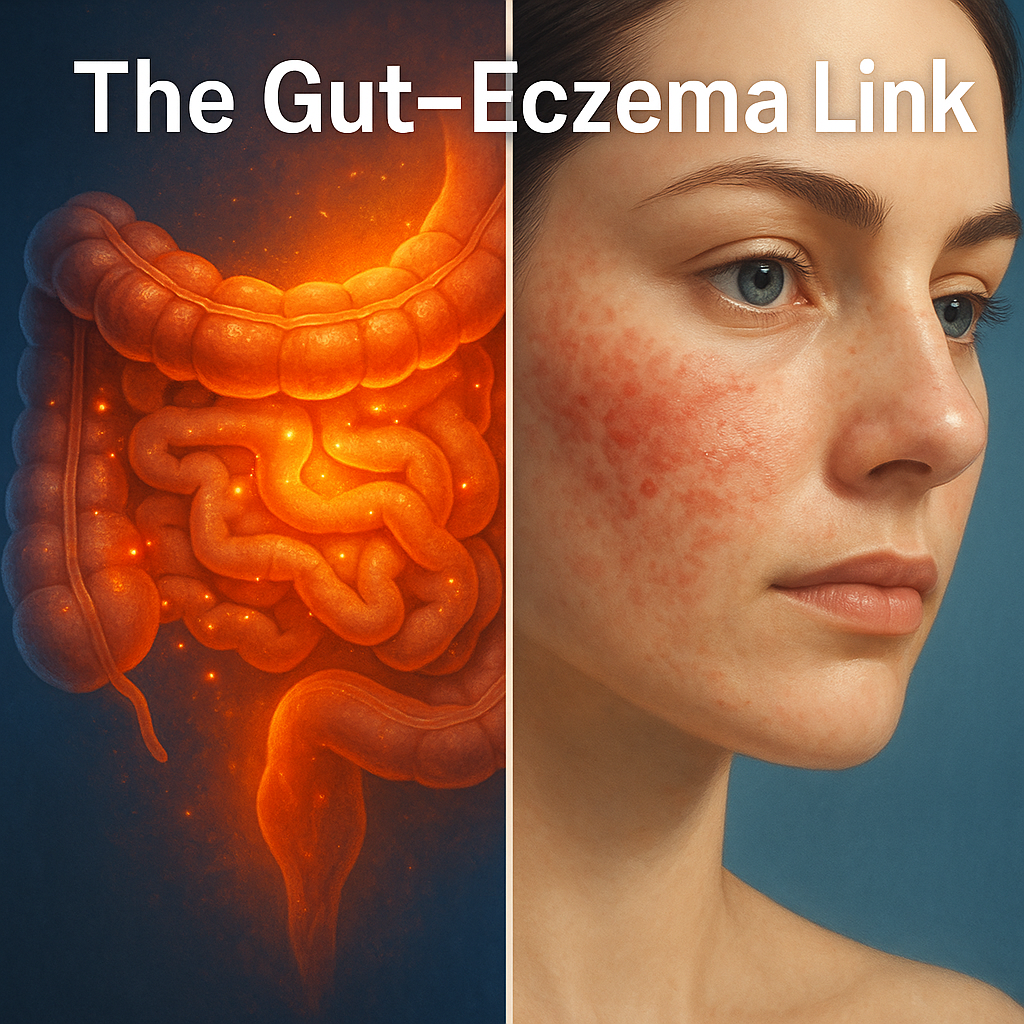
Eczema Often Begins in the Gut – Not on the Skin
If eczema keeps returning no matter how many creams you use, the real cause may be hidden deep inside your gut.
New research confirms the powerful connection between:
- gut bacteria
- immune response
- inflammation levels
- skin barrier strength
This communication network is called the gut–skin axis — and when the gut becomes inflamed or imbalanced, the skin almost always reacts.
Eczema, rashes, itching, and redness are often external symptoms of internal inflammation.
Let’s break down how it works — and the most effective ways to calm eczema naturally by supporting gut health.
1. The Gut–Skin Axis Explained
Your gut and skin communicate through:
- the immune system
- hormones
- inflammation signals
- microbial metabolites
When the gut lining becomes irritated or “leaky,” inflammatory molecules escape into the bloodstream.
This triggers systemic inflammation that often shows up on the skin as:
- eczema
- dermatitis
- dry patches
- itching
- redness
Simply treating the skin rarely works long term because the issue begins deeper — in the gut.
2. How Gut Inflammation Triggers Eczema
Here’s what happens beneath the surface:
▪ Imbalanced bacteria (dysbiosis)
Harmful bacteria release toxins that increase inflammation.
▪ Leaky gut
Gaps in the gut lining allow irritants into the bloodstream → immune reactions → skin flare-ups.
▪ Poor nutrient absorption
Low levels of zinc, vitamin A, and omega-3s weaken the skin barrier.
▪ Elevated immune response
The immune system becomes overactive, creating chronic redness and irritation.
▪ Histamine overload
Certain bacteria trigger histamine release, worsening eczema itchiness.
3. Foods That Calm Gut Inflammation (And Help Eczema)
Add more of these gut-soothing foods:
- leafy greens
- bone broth
- berries
- fatty fish (salmon, sardines)
- turmeric
- ginger
- kefir and yogurt
- sauerkraut and kimchi
These support your microbiome and reduce inflammatory load.
For more food ideas:
👉 The 12 Best Foods for Gut & Skin Health
4. Foods That Make Eczema Worse
Reduce or eliminate:
- sugar
- processed seed oils
- deep-fried foods
- alcohol
- dairy (if sensitive)
- artificial sweeteners
These feed harmful bacteria and irritate the gut lining.
5. Probiotics and Eczema: How They Help
Probiotics help restore a healthy gut microbiome, which:
- lowers inflammation
- improves skin hydration
- strengthens the skin barrier
- reduces eczema flare frequency
The most researched strains include:
- Lactobacillus rhamnosus GG
- Bifidobacterium longum
- Lactobacillus plantarum
These strains reduce inflammatory skin responses and improve barrier function.
Recommended daily support:
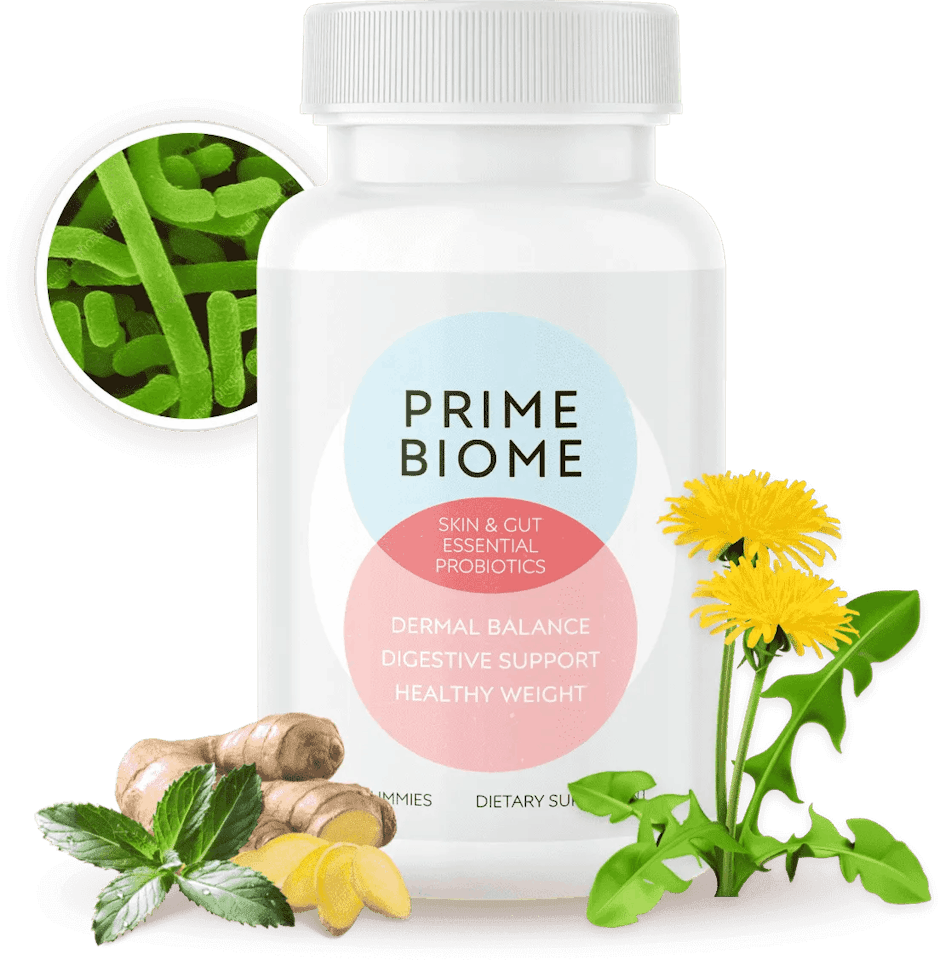
👉 PrimeBiome
Formulated with gut-calming strains to support eczema-prone skin from the inside out.
6. Repairing the Gut Lining for Better Skin
Include daily:
- bone broth
- L-glutamine
- zinc
- omega-3s
- polyphenol-rich foods
- prebiotic fiber
These help rebuild the gut barrier, reducing the internal inflammation that drives eczema.
7. Stress, Sleep & the Eczema Connection
Stress increases cortisol, which:
- weakens the gut barrier
- disrupts microbiome balance
- worsens eczema flare-ups
Improving sleep and stress management helps calm both the gut and the skin.
Related Articles
- Gut Inflammation & Skin Breakouts
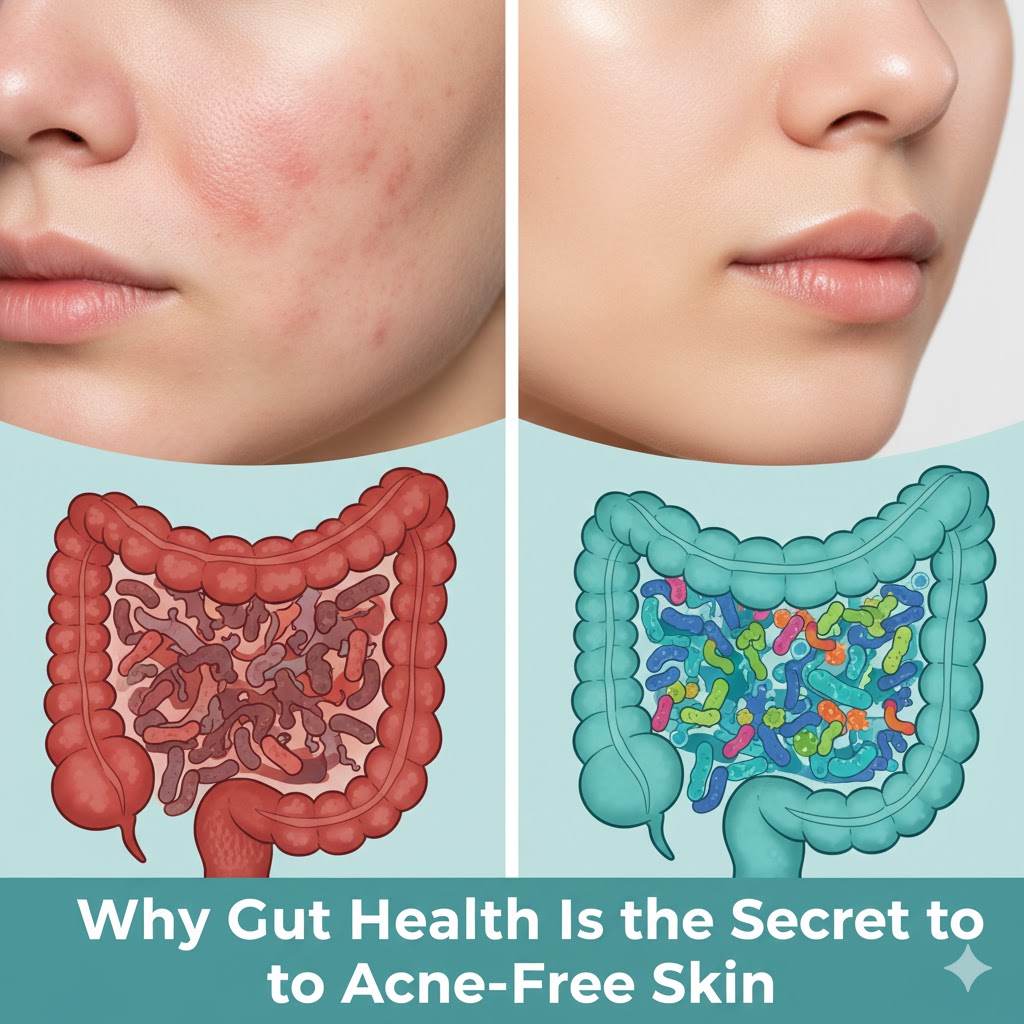
- Why Gut Health Is the Secret to Acne-Free Skin
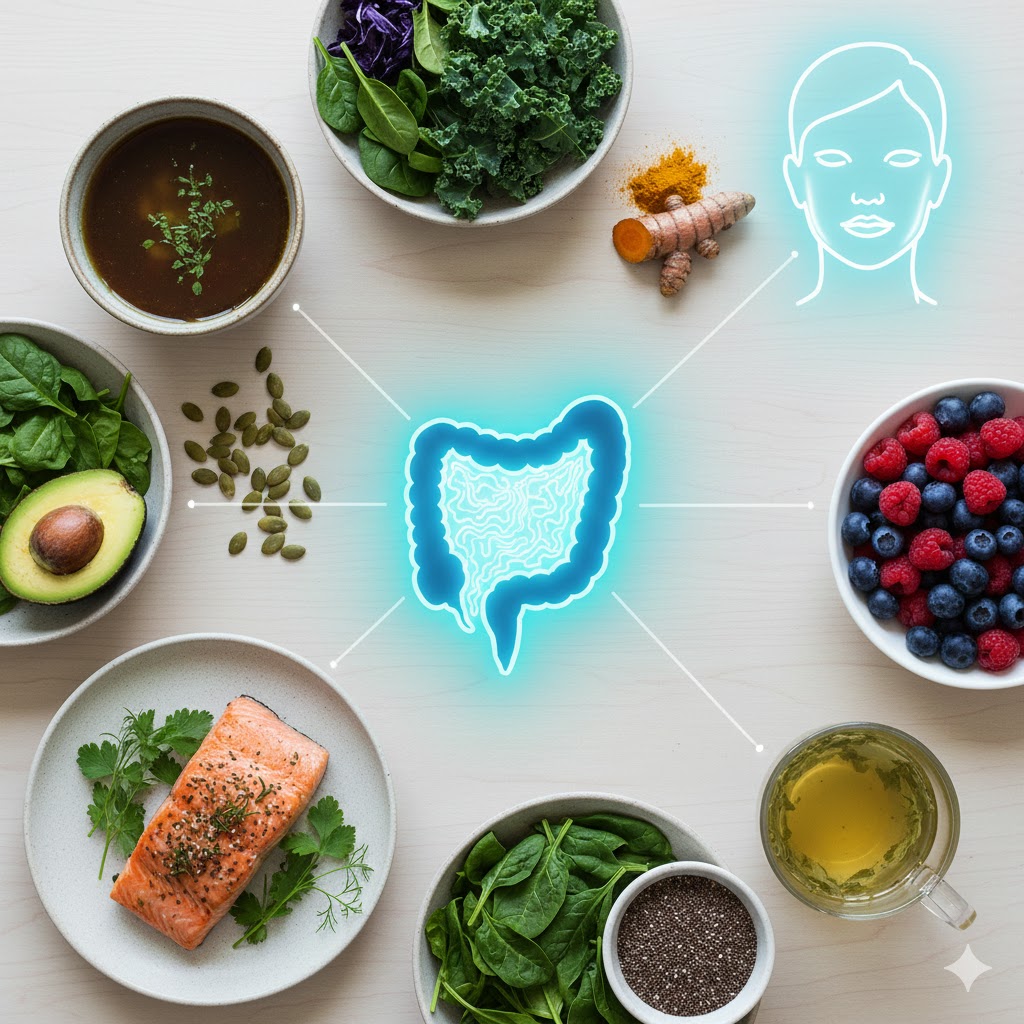
- Top Anti-Aging Foods That Heal Your Gut & Glow Your Skin
- PrimeBiome Review
Frequently Asked Questions (FAQs)
1. Can gut inflammation really cause eczema?
Yes — gut inflammation is one of the most overlooked triggers of eczema flare-ups.
2. What foods help reduce eczema naturally?
Leafy greens, bone broth, berries, turmeric, and fermented foods.
3. Which foods make eczema worse?
Sugar, processed oils, alcohol, and artificial sweeteners.
4. Can probiotics help eczema?
Yes — certain strains reduce inflammation and strengthen skin barrier function.
5. What probiotic strains are best for eczema?
Lactobacillus rhamnosus GG, Lactobacillus plantarum, and Bifidobacterium longum.
6. Does leaky gut affect eczema?
Definitely — leaky gut allows inflammatory particles into the bloodstream, worsening skin irritation.
7. How long does it take to see improvement?
Many people see changes within 3–6 weeks of gut healing.
8. Can PrimeBiome help eczema?
Yes — it contains strains shown to reduce inflammation and support gut balance.
9. Does stress cause eczema flare-ups?
Stress increases cortisol, which disrupts gut balance and skin inflammation.
10. Do topical creams help eczema long-term?
Creams can soothe temporarily but do not address the internal root cause.

Medically Reviewed for Accuracy
This content has been reviewed for accuracy and clarity by The Health Knowledge Base Medical Review Team, using current research and evidence-based health guidance.
Our review process helps ensure that information related to health, wellness, nutrition, lifestyle strategies, and natural support topics reflects current scientific understanding and responsible editorial standards.
Written by The Health Knowledge Base Editorial Team
Our editorial team consists of health researchers, wellness writers, and content specialists focused on creating clear, practical, and research-informed health content.
We publish educational articles designed to help readers better understand health topics, explore natural wellness strategies, and make more informed lifestyle decisions with confidence.
Affiliate Transparency, Medical Disclaimer & Safety Notice
At The Health Knowledge Base, we take pride in being a trusted resource and affiliate partner with select, high-quality companies. We choose these partnerships carefully because we genuinely believe their products, services, and educational resources align with the values and mission of our website.
When you purchase through certain links on this site, we may receive a small commission or compensation. This helps support our research, content creation, and ongoing work at no additional cost to you. Your price remains exactly the same.
Medical Disclaimer
The information provided by The Health Knowledge Base is for general informational and educational purposes only and is not a substitute for professional medical advice, diagnosis, or treatment.
Always seek the advice of your physician, doctor, or another qualified healthcare provider with any questions you may have regarding a medical condition, symptoms, treatment options, diet changes, exercise programs, or supplements.
Never disregard professional medical advice or delay in seeking it because of something you have read on this website.
Critical Safety Notice
Before making any changes to your diet, starting a new fitness or wellness routine, or taking any supplements mentioned on this site, you should consult with your doctor, physician, or another qualified healthcare professional. Reliance on any information provided by The Health Knowledge Base is solely at your own risk.
View our Affiliate Disclosure → | View our Medical Disclaimer →