Stay Informed With Trusted Health Insights
Join 5,000+ readers who receive evidence-informed health articles, wellness tips, supplement reviews, and practical health guides delivered straight to their inbox.
Get Free Health UpdatesNo spam. Just helpful health education, updates, and resources.
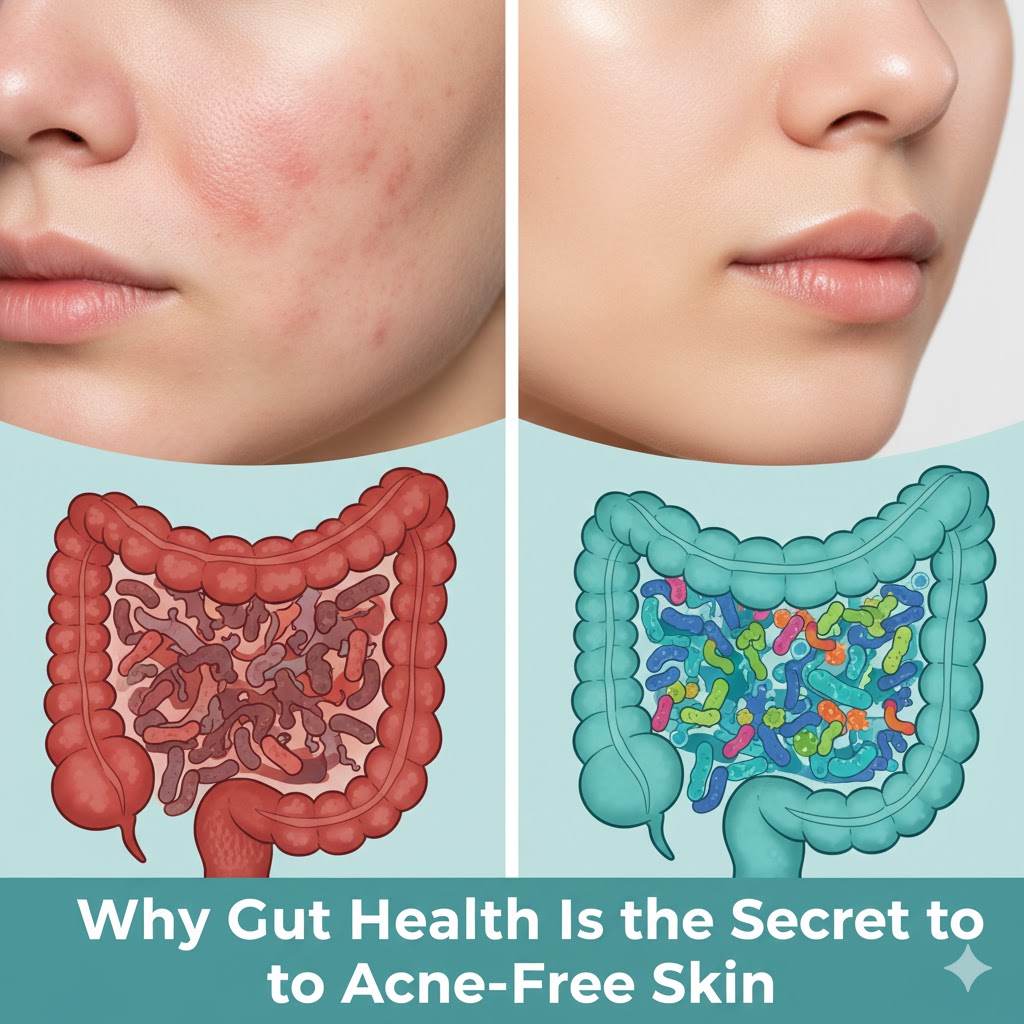
Clear Skin Starts in the Gut, Not the Bathroom Cabinet
If you’re relying on cleansers, serums, and prescription creams to manage acne — but still dealing with breakouts — the real problem may be deeper.
Acne is not just a skin issue. It’s a gut issue.
Studies show the gut-skin axis plays a dominant role in:
- oil production
- inflammation
- hormonal balance
- immune response
- nutrient absorption
When the gut becomes imbalanced, inflamed, or leaky, acne becomes almost unavoidable — no matter what products you use on the surface.
To become truly acne-free, you must restore the gut.
1. Gut Dysbiosis Triggers Inflammation — the Root of Acne
Gut dysbiosis (an imbalance of good vs. bad bacteria) increases inflammatory molecules that circulate throughout the body. These molecules:
- inflame the sebaceous glands
- increase oil production
- clog pores
- worsen redness and swelling
This is why people with gut imbalance often experience:
- cystic acne
- hormonal acne
- recurring breakouts
- acne that doesn’t respond to skincare
For many, gut repair is the missing piece.
2. Leaky Gut Allows Toxins to Reach the Skin
A weakened gut lining allows toxins to pass into the bloodstream — a condition known as leaky gut.
These toxins trigger systemic inflammation and immune responses that show up as:
- acne
- dermatitis
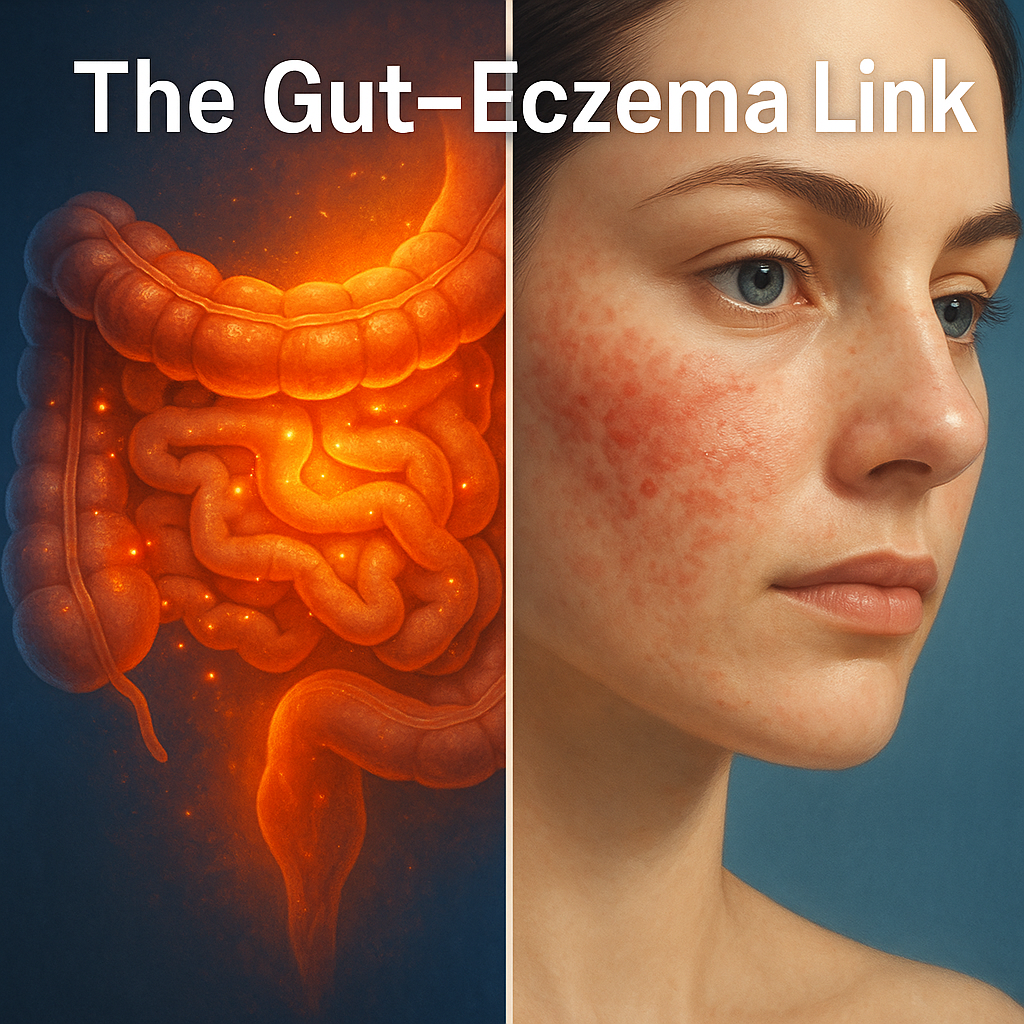
- eczema
- rosacea
- dull, congested skin
Learn more in:
👉 What Causes Leaky Gut (And How to Heal It Naturally)
3. Gut Health Controls Hormones Linked to Acne
The gut influences hormones including:
- estrogen
- cortisol
- insulin
- androgens
When gut bacteria are imbalanced, hormones become unstable — leading to:
- jawline acne
- chin/cheek breakouts
- period-related flare-ups
- stress acne
A balanced microbiome = balanced hormones = clearer skin.
4. Nutrient Absorption Depends on Gut Quality
Your skin needs:
- zinc
- vitamin A
- omega-3 fats
- antioxidants
- amino acids
But if your gut is inflamed, you can’t absorb these anti-acne nutrients effectively.
Improving gut health increases nutrient delivery directly to the skin.
5. Sugar Cravings Signal Gut Imbalance — and Feed Acne
Overgrowth of yeast and harmful bacteria makes you crave sugar.
Sugar then:
- spikes insulin
- increases oil production
- fuels inflammation
- feeds acne-triggering microbes
This is why gut imbalance → sugar cravings → breakouts is such a common cycle.
6. The Proven Link Between Probiotics & Clear Skin
Clinical studies show targeted probiotics can:
- reduce acne-causing inflammation
- balance hormones
- improve skin barrier strength
- reduce redness
- support healing
The most effective strains for acne include:
- Lactobacillus rhamnosus GG
- Lactobacillus plantarum
- Bifidobacterium longum
These strains are also highlighted in:
👉 The 4 Best Probiotic Strains for Clear Skin
Recommended daily probiotic:
👉 PrimeBiome
Formulated to calm gut inflammation, rebalance gut flora, and support clearer, acne-free skin.
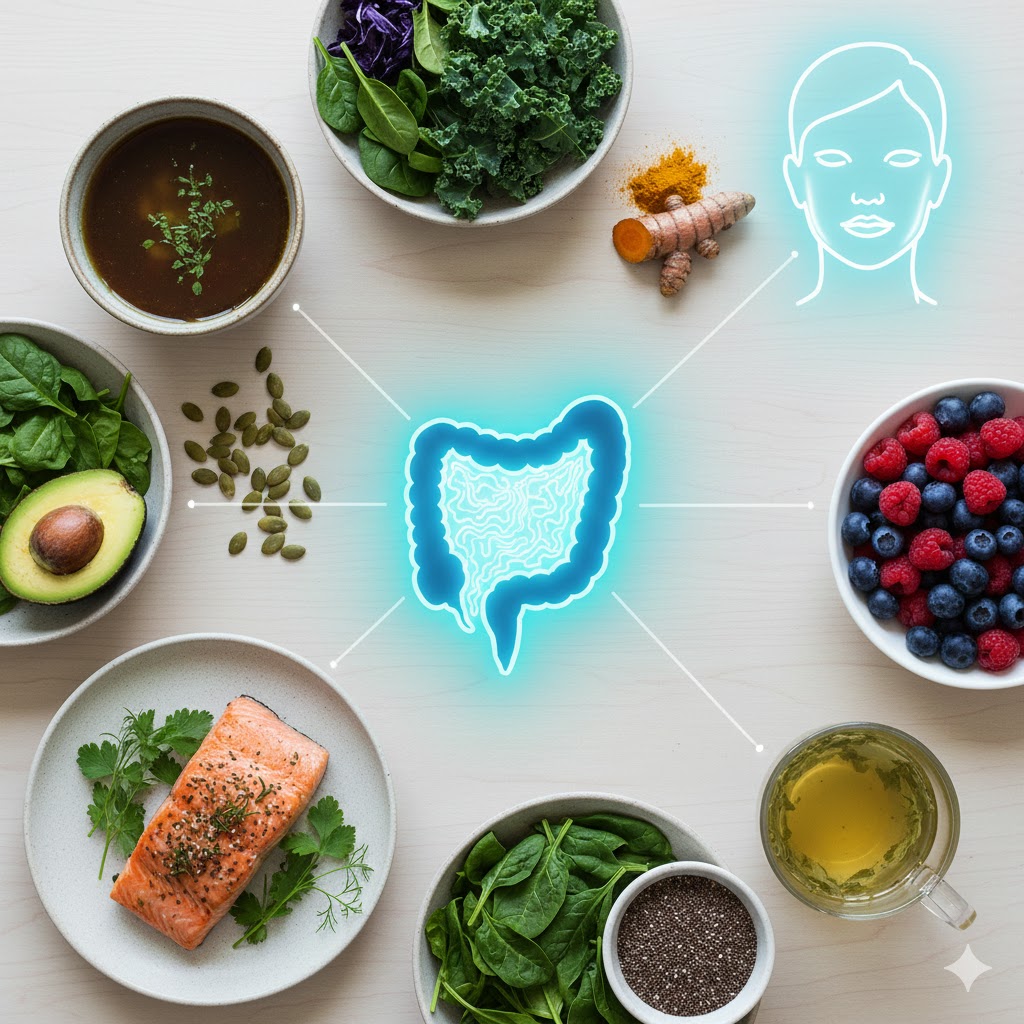
7. What You Eat Shows Up on Your Skin
Foods that improve both the gut and the skin:
- berries
- leafy greens
- salmon
- chia/flaxseeds
- fermented foods
- turmeric
- bone broth
For a full list:
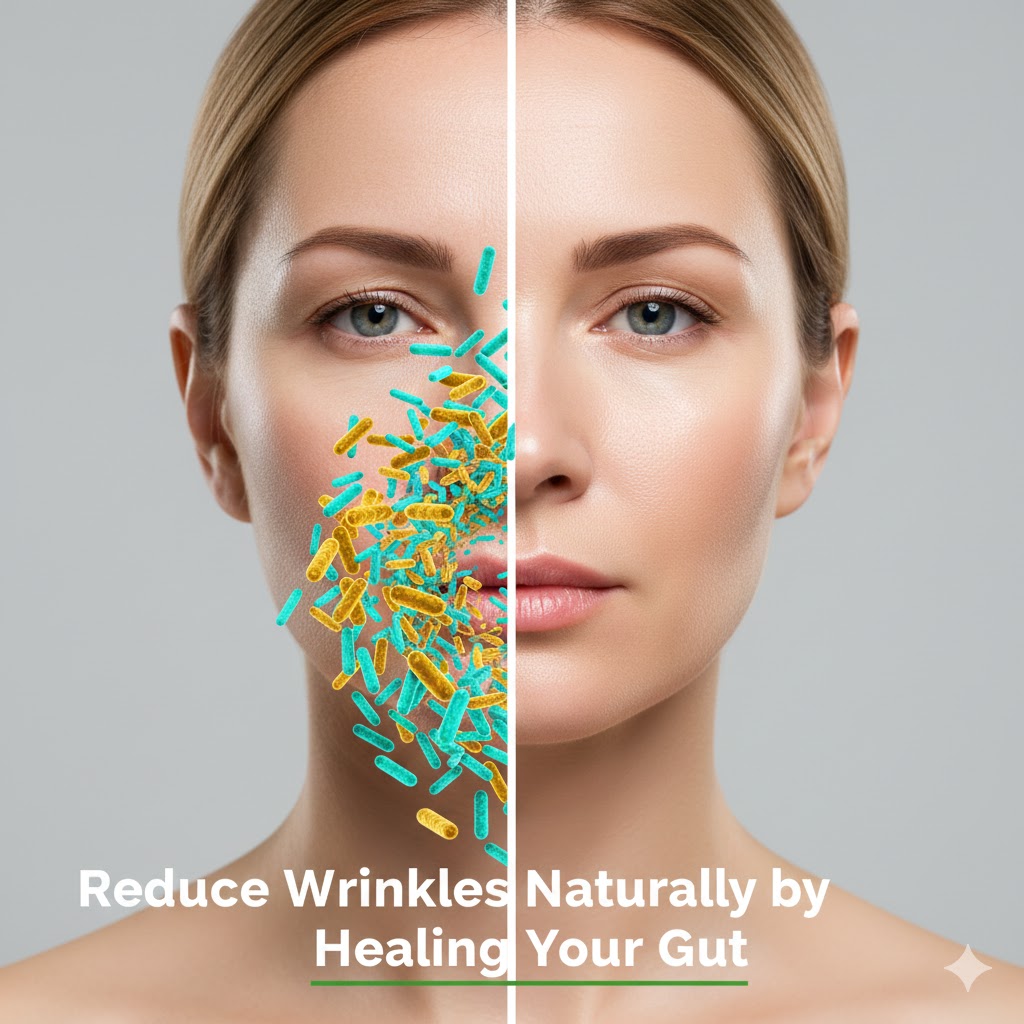
👉 Top Anti-Aging Foods That Heal Your Gut and Glow Your Skin
How to Heal Your Gut for Acne-Free Skin
Here’s the path to naturally clear skin:
✔️ Remove irritants
Limit sugar, fried foods, dairy (if sensitive), alcohol, and artificial sweeteners.
✔️ Add gut-healing foods
Leafy greens, omega-3s, fermented foods, fiber, turmeric.
✔️ Take a daily probiotic
Supports microbiome rebalance and reduces acne inflammation.
✔️ Manage stress
Stress disrupts gut bacteria and triggers breakouts.
✔️ Improve sleep
Quality sleep improves gut function and hormonal balance.
Healing your gut is the foundation for long-term clear skin.
⭐ Related Articles
- Is Your Acne Really Coming From Your Gut?
- Gut Inflammation & Skin Breakouts
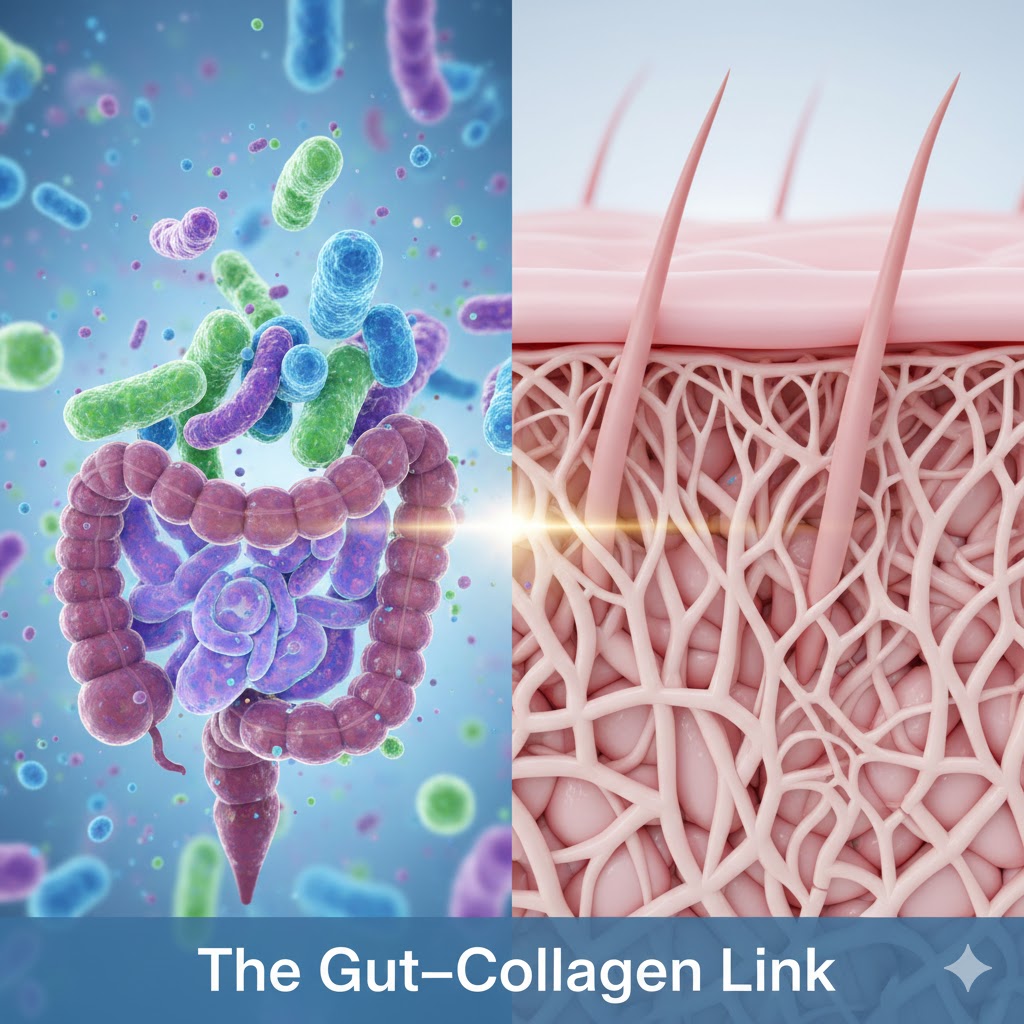
- The Gut–Collagen Link
- PrimeBiome Review
Frequently Asked Questions (FAQs)
1. Can poor gut health really cause acne?
Yes — inflammation, hormone imbalance, and poor nutrient absorption directly contribute to breakouts.
2. What are signs my acne is gut-related?
Acne + bloating, fatigue, sugar cravings, or irregular digestion = gut involvement.
3. How long does gut healing take?
Most people see clearer skin within 3–6 weeks of consistent gut-focused changes.
4. Do probiotics actually help acne?
Yes — specific strains reduce inflammation and oil production.
5. Does sugar make acne worse?
Absolutely — sugar spikes insulin, increases oil production, and feeds harmful gut microbes.
6. What foods help with acne the most?
Berries, fermented foods, leafy greens, salmon, turmeric, and omega-3s.
7. Can stress cause breakouts through the gut?
Yes — stress disrupts gut bacteria and raises cortisol, worsening acne.
8. Does leaky gut lead to acne?
Yes — toxins entering the bloodstream trigger inflammatory skin conditions.
9. Is dairy bad for acne?
For many people, dairy disrupts hormones and worsens gut inflammation.
10. What probiotic is best for acne?
A blend containing L. rhamnosus, L. plantarum, and B. longum — as found in PrimeBiome.

The Gut-Acne Solution
Support clear skin by healing your gut with PrimeBiome’s targeted probiotic formula.
Get PrimeBiome
Medically Reviewed for Accuracy
This content has been reviewed for accuracy and clarity by The Health Knowledge Base Medical Review Team, using current research and evidence-based health guidance.
Our review process helps ensure that information related to health, wellness, nutrition, lifestyle strategies, and natural support topics reflects current scientific understanding and responsible editorial standards.
Written by The Health Knowledge Base Editorial Team
Our editorial team consists of health researchers, wellness writers, and content specialists focused on creating clear, practical, and research-informed health content.
We publish educational articles designed to help readers better understand health topics, explore natural wellness strategies, and make more informed lifestyle decisions with confidence.
Affiliate Transparency, Medical Disclaimer & Safety Notice
At The Health Knowledge Base, we take pride in being a trusted resource and affiliate partner with select, high-quality companies. We choose these partnerships carefully because we genuinely believe their products, services, and educational resources align with the values and mission of our website.
When you purchase through certain links on this site, we may receive a small commission or compensation. This helps support our research, content creation, and ongoing work at no additional cost to you. Your price remains exactly the same.
Medical Disclaimer
The information provided by The Health Knowledge Base is for general informational and educational purposes only and is not a substitute for professional medical advice, diagnosis, or treatment.
Always seek the advice of your physician, doctor, or another qualified healthcare provider with any questions you may have regarding a medical condition, symptoms, treatment options, diet changes, exercise programs, or supplements.
Never disregard professional medical advice or delay in seeking it because of something you have read on this website.
Critical Safety Notice
Before making any changes to your diet, starting a new fitness or wellness routine, or taking any supplements mentioned on this site, you should consult with your doctor, physician, or another qualified healthcare professional. Reliance on any information provided by The Health Knowledge Base is solely at your own risk.
View our Affiliate Disclosure → | View our Medical Disclaimer →