Stay Informed With Trusted Health Insights
Join 5,000+ readers who receive evidence-informed health articles, wellness tips, supplement reviews, and practical health guides delivered straight to their inbox.
Get Free Health UpdatesNo spam. Just helpful health education, updates, and resources.
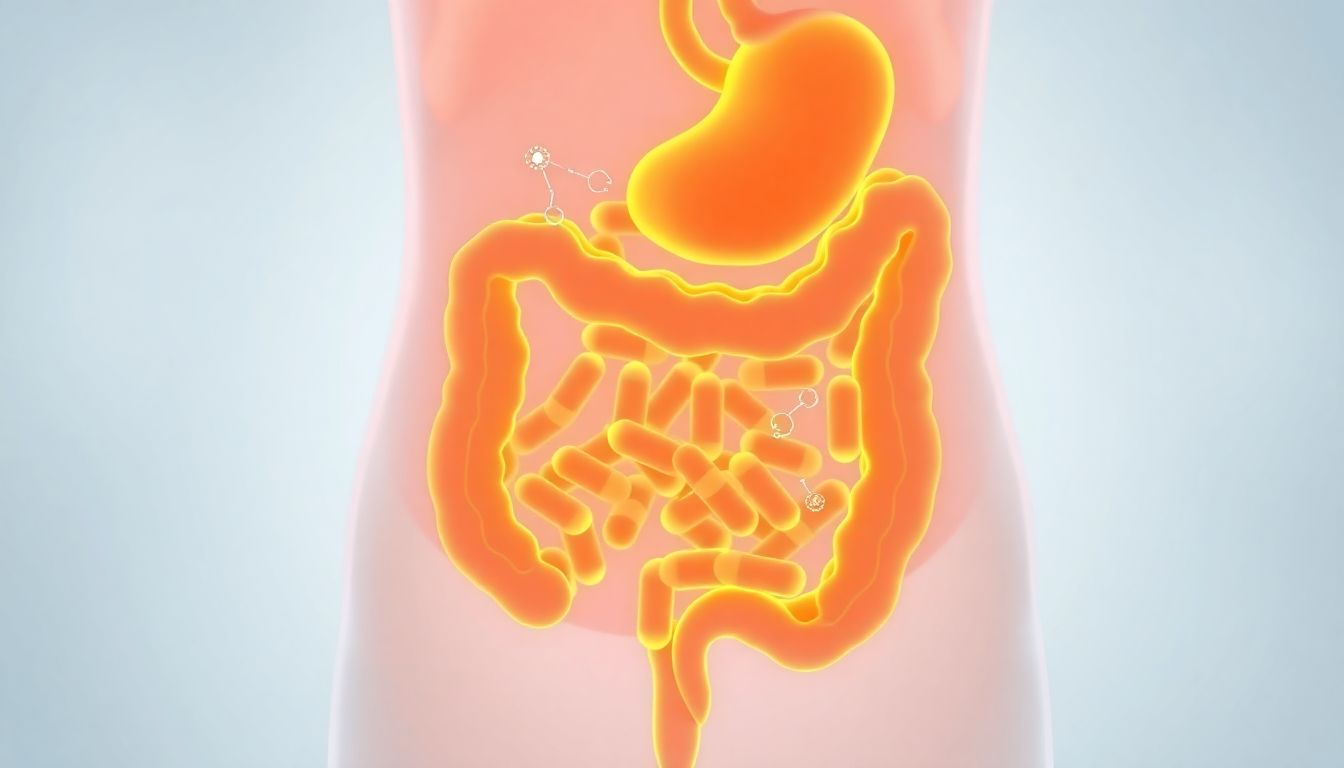
Why Antibiotics Damage Your Gut
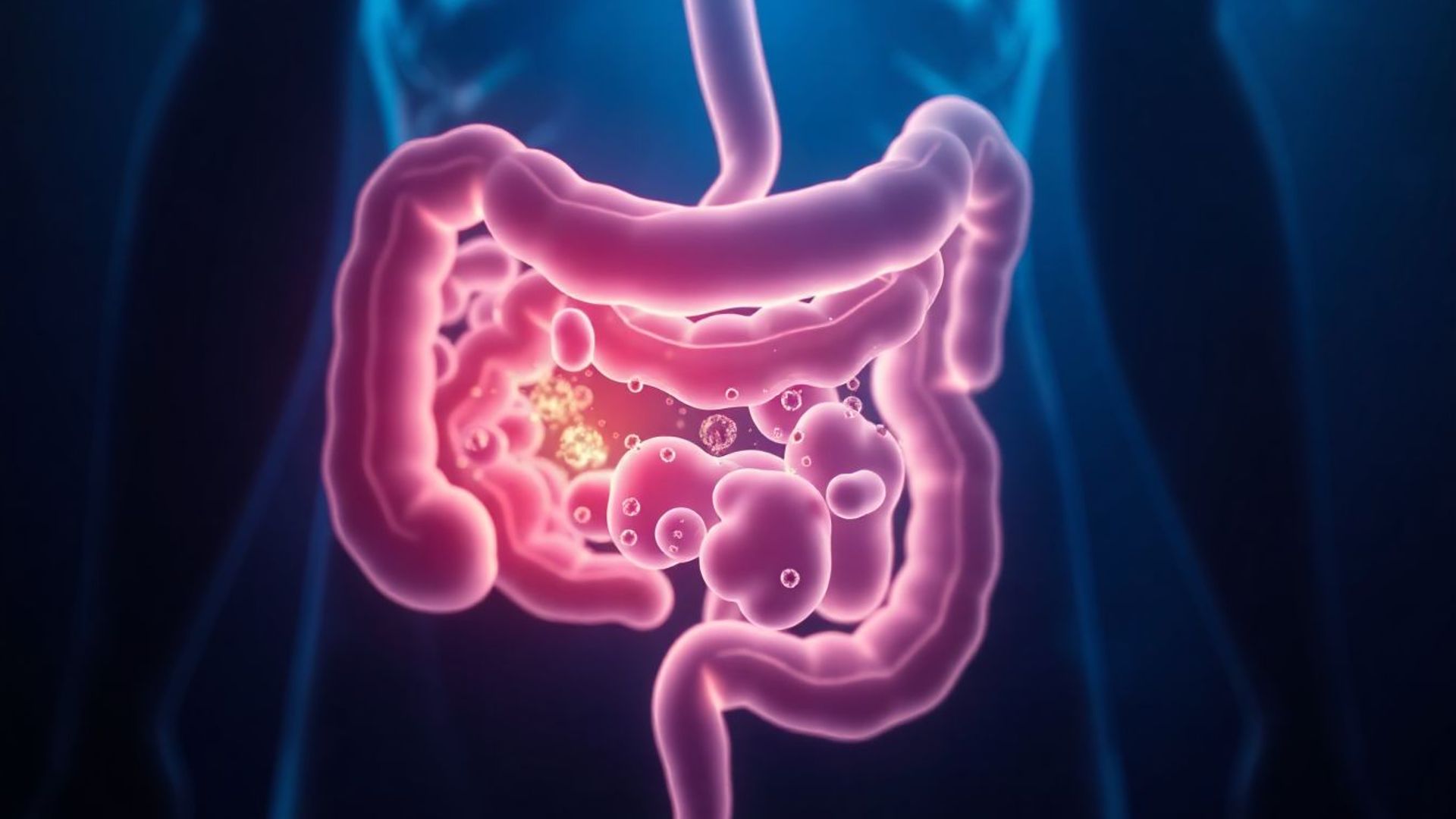
Antibiotics save lives — but they also disrupt the delicate balance of your gut microbiome.
Within just 24 hours, antibiotics can:
- Kill beneficial bacteria
- Reduce microbial diversity
- Increase gut inflammation
- Trigger digestive symptoms
- Make the gut lining more permeable (“leaky gut”)
This is why many people develop:
- bloating
- constipation or diarrhea
- weak immunity
- new food sensitivities
- fatigue
- skin breakouts
after a course of antibiotics.
The good news?
You can rebuild your gut — and this guide shows you how.
What Antibiotics Do to Your Gut
Antibiotics are designed to destroy harmful bacteria.
Unfortunately, they also eliminate good bacteria that support:
- digestion
- immune strength
- mood balance
- nutrient absorption
- skin health
- metabolic function
This microbial wipeout creates “empty space” in the gut where harmful bacteria or yeast can overgrow.
That’s why repairing your gut after antibiotics is essential.
How to Repair Your Gut After Antibiotics (Step-by-Step)
1. Replenish Beneficial Bacteria With Probiotics
The fastest way to restore a healthy microbiome is to add back beneficial bacteria.
Look for strains that specifically support post-antibiotic repair:
- Lactobacillus rhamnosus GG
- Bifidobacterium longum
- Lactobacillus plantarum
- Bifidobacterium lactis
These strains help:
- reduce inflammation
- strengthen the gut lining
- restore healthy digestion
- rebalance immune function
Recommended daily probiotic:
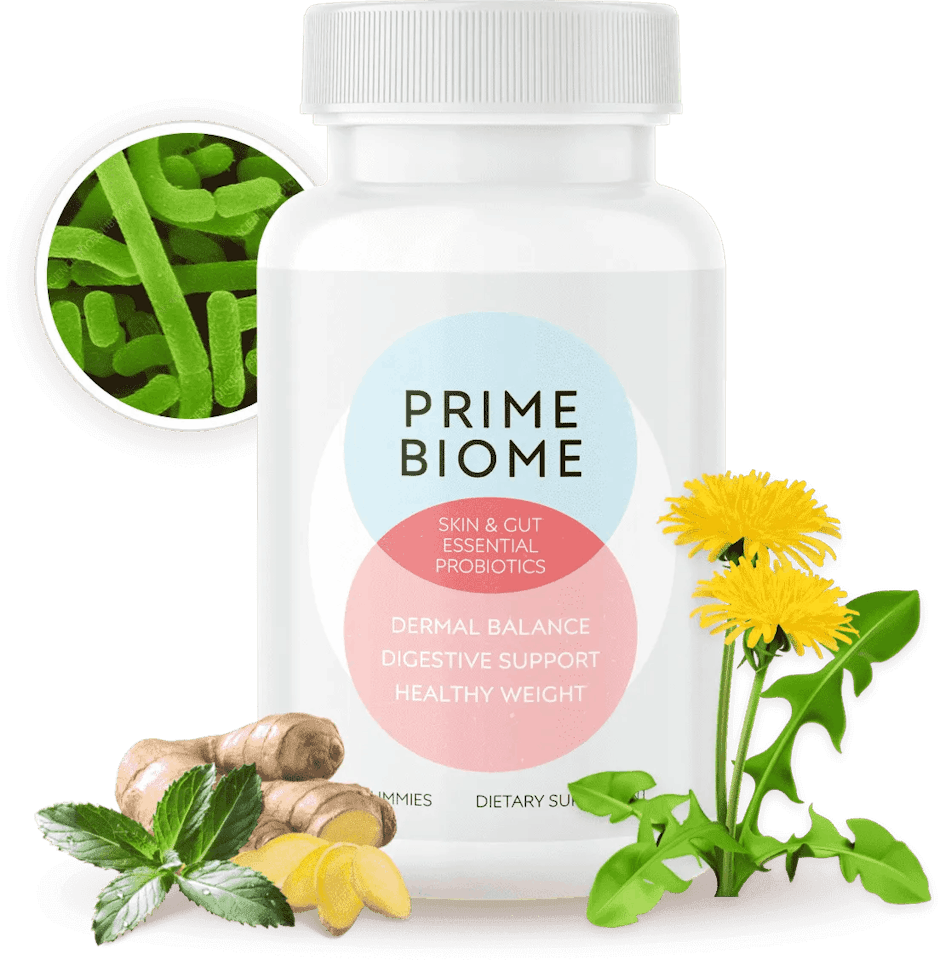
👉 PrimeBiome
Ideal for rebuilding gut bacteria after antibiotics and supporting digestion + skin health.
2. Eat Prebiotic-Rich Foods
Prebiotics feed good bacteria and help them multiply faster.
Add daily:
- garlic
- onions
- asparagus
- oats
- bananas
- artichokes
- flaxseed
These create a thriving environment for healthy microbes.
3. Add Fermented Foods Slowly
Introduce these gently to avoid discomfort:
- kefir
- yogurt
- sauerkraut
- kimchi
- miso
- kombucha
They help repopulate your gut with living bacteria.
4. Reduce Sugar for 14 Days
Sugar feeds bad bacteria and yeast — especially after antibiotics.
Avoid:
- soft drinks
- pastries
- sweets
- white bread
- processed snacks
Your microbiome can’t heal with sugar overload.
5. Add Gut-Healing Foods
To repair the gut lining:
- bone broth
- turmeric
- ginger
- leafy greens
- chia seeds
- wild-caught salmon
These nourish your intestinal barrier and reduce inflammation.
6. Stay Hydrated
Water helps flush out toxins and supports healthy digestion.
Aim for 2–3 liters daily.
7. Support Gut Motility
Antibiotics slow the digestive system.
Improve gut movement with:
- daily walking
- magnesium (200–400 mg)
- warm lemon water
- fiber-rich meals
8. Reduce Stress (Critical for Healing)
Stress is one of the quickest ways to undo gut repair.
Use daily calming practices:
- meditation
- breathwork
- stretching
- journaling
- mindfulness
Your gut and brain communicate constantly — calm the mind, support the gut.
9. Improve Sleep Quality
Your gut restores itself during deep sleep.
Aim for 7–9 hours every night while healing.
How Long Does Gut Recovery Take?
Most people notice improvements in:
- Bloating: 3–7 days
- Digestion: 1–2 weeks
- Energy & mood: 2–3 weeks
- Skin clarity: 3–6 weeks
Full microbiome restoration takes 6–12 weeks, depending on antibiotic strength and duration.

Related Articles
- The Complete Guide to Gut Health
- What Causes Leaky Gut (And How to Heal It Naturally)
- Gut Inflammation & Skin Breakouts
- PrimeBiome Review
Frequently Asked Questions (FAQs)
1. Do antibiotics always damage the gut?
Yes, even one round temporarily reduces microbiome diversity.
2. How long does it take to repair the gut after antibiotics?
Most people recover in 6–12 weeks with proper support.
3. Should I take probiotics during antibiotics?
Yes — but take them 2–3 hours apart to protect the strains.
4. Can antibiotics cause yeast overgrowth?
Yes, because beneficial bacteria that normally keep yeast in check are reduced.
5. What foods help repair the gut fastest?
Bone broth, fermented foods, leafy greens, and omega-3 rich foods.
6. Should I avoid dairy while healing?
Some people benefit from reducing dairy temporarily.
7. Does sugar slow gut recovery?
Yes — sugar feeds harmful bacteria and yeast.
8. How can I tell my gut is healing?
You’ll feel less bloated, more regular, and experience better energy.
9. Can PrimeBiome help repair the gut after antibiotics?
Yes — it contains strains specifically shown to support gut lining repair and microbiome restoration.
10. Can kids use probiotics after antibiotics?
Yes, but choose age-appropriate doses and strains.

Medically Reviewed for Accuracy
This content has been reviewed for accuracy and clarity by The Health Knowledge Base Medical Review Team, using current research and evidence-based health guidance.
Our review process helps ensure that information related to health, wellness, nutrition, lifestyle strategies, and natural support topics reflects current scientific understanding and responsible editorial standards.
Written by The Health Knowledge Base Editorial Team
Our editorial team consists of health researchers, wellness writers, and content specialists focused on creating clear, practical, and research-informed health content.
We publish educational articles designed to help readers better understand health topics, explore natural wellness strategies, and make more informed lifestyle decisions with confidence.
Affiliate Transparency, Medical Disclaimer & Safety Notice
At The Health Knowledge Base, we take pride in being a trusted resource and affiliate partner with select, high-quality companies. We choose these partnerships carefully because we genuinely believe their products, services, and educational resources align with the values and mission of our website.
When you purchase through certain links on this site, we may receive a small commission or compensation. This helps support our research, content creation, and ongoing work at no additional cost to you. Your price remains exactly the same.
Medical Disclaimer
The information provided by The Health Knowledge Base is for general informational and educational purposes only and is not a substitute for professional medical advice, diagnosis, or treatment.
Always seek the advice of your physician, doctor, or another qualified healthcare provider with any questions you may have regarding a medical condition, symptoms, treatment options, diet changes, exercise programs, or supplements.
Never disregard professional medical advice or delay in seeking it because of something you have read on this website.
Critical Safety Notice
Before making any changes to your diet, starting a new fitness or wellness routine, or taking any supplements mentioned on this site, you should consult with your doctor, physician, or another qualified healthcare professional. Reliance on any information provided by The Health Knowledge Base is solely at your own risk.
View our Affiliate Disclosure → | View our Medical Disclaimer →