Stay Informed With Trusted Health Insights
Join 5,000+ readers who receive evidence-informed health articles, wellness tips, supplement reviews, and practical health guides delivered straight to their inbox.
Get Free Health UpdatesNo spam. Just helpful health education, updates, and resources.
Are Gut Health Tests Worth It?
With digestive issues, skin problems, bloating, fatigue, and food sensitivities becoming more common, many people wonder:
“Do I need a gut health test?”
At-home microbiome tests promise answers, personalized recommendations, and clear insights into your gut bacteria. But not all tests are equally useful — and many people don’t know how to interpret the results when they get them.
This guide explains:
- when a gut health test is helpful
- which tests are worth paying for
- what results actually mean
- what to do after you get your report
Let’s simplify the science so you can make the right decision.
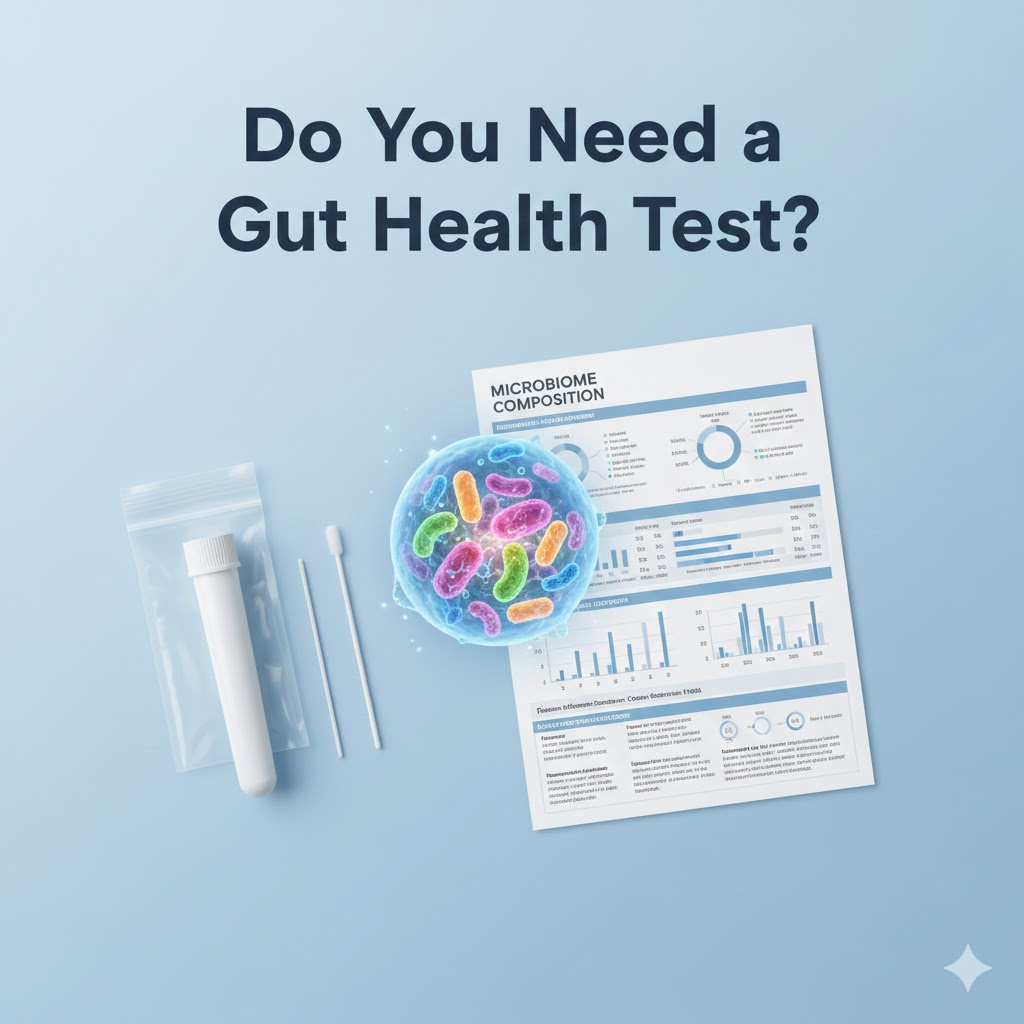
⭐ What Exactly Is a Gut Health Test?
A gut health test analyzes the microbes in your digestive tract — including:
- bacteria
- viruses
- fungi
- parasites
- beneficial vs harmful species
Most at-home tests use a small stool sample to produce a detailed microbiome report.
They help you understand:
- your gut diversity
- inflammatory markers
- digestion efficiency
- presence of harmful bacteria
- nutrient absorption indicators
Think of it as a “snapshot” of your gut’s ecosystem.
⭐ Signs You Might Benefit From a Gut Test
If you experience any of the following, testing can provide clarity:
- chronic bloating or gas
- unpredictable bowel movements
- acne, eczema, or rosacea
- fatigue or brain fog
- sugar cravings
- stubborn weight gain
- food sensitivities
- IBS-like symptoms
- frequent illness
- poor stress tolerance
These are signs of microbiome imbalance — and a test can help identify the cause.
⭐ The Different Types of Gut Health Tests
✔ Microbiome Mapping (Most common)
Analyzes bacterial species, balance, and diversity.
✔ Stool Analysis Panels
Evaluate digestion, inflammation, yeast, parasites, and enzyme levels.
✔ SIBO Breath Tests
Detect methane or hydrogen overgrowth in the small intestine.
✔ Food Sensitivity Tests (Less reliable)
Measure antibody responses but often give false positives.
✔ Leaky Gut / Zonulin Tests
Assess gut permeability and inflammation markers.
Most people start with:
A stool microbiome test + digestive marker panel.
⭐ What Gut Health Tests Actually Measure
Here are the most meaningful metrics found in modern gut reports:
1. Microbiome Diversity Score
Higher diversity = better health.
Low diversity is linked to:
- acne
- eczema
- obesity
- inflammation
- fatigue
- poor digestion
2. Beneficial vs Harmful Bacteria
Tests show undergrowth (too low) or overgrowth (too high).
3. Inflammation Markers (Calprotectin, CRP)
High levels indicate irritation, infection, or leaky gut.
4. Digestion & Enzyme Activity
Shows whether you’re breaking down:
- fats
- proteins
- carbohydrates
5. SCFA Levels (Butyrate, Acetate)
Low butyrate = poor gut lining health + skin issues.
6. Candida or Yeast Overgrowth
Common with sugar cravings and acne.
7. Parasites or Pathogens
Rare, but important to check.
⭐ How to Interpret Gut Test Results (Without Confusion)
✔ Low beneficial bacteria?
Add probiotics + prebiotics.
✔ High inflammation markers?
Reduce irritants (alcohol, sugar, seed oils) and repair gut lining.
✔ Low butyrate?
Increase fermentable fiber, resistant starch, and probiotic strains that produce SCFAs.
✔ Pathogen overgrowth?
Targeted antimicrobial or herbal protocol may be needed.
✔ Poor enzyme activity?
Digestive enzymes can help until gut function improves.
Most reports now include personalized recommendations — but they’re often generic. Use them as guidance, not rules.
⭐ Do You Actually Need a Gut Health Test?
A test is worth it if:
- you’ve had digestive problems for 3+ months
- diet changes haven’t helped
- you want personalized insights
- you’ve taken antibiotics recently
- you have persistent skin issues
A test is not necessary if you simply want to improve your gut for general wellness — lifestyle and supplements alone work extremely well.
⭐ What To Do After You Receive Your Gut Test Report
Here’s a simple action plan:
1. Start a targeted probiotic
A strain-diverse formula helps correct imbalances revealed on the report.
👉 PrimeBiome
2. Add fermentable fiber
Supports microbiome diversity and SCFA production.
3. Remove irritants
Sugar, alcohol, seed oils, processed foods.
4. Repair the gut lining
With L-glutamine, zinc carnosine, and collagen.
5. Track symptoms weekly
Your gut shifts gradually over 4–12 weeks.
⭐ Related Articles
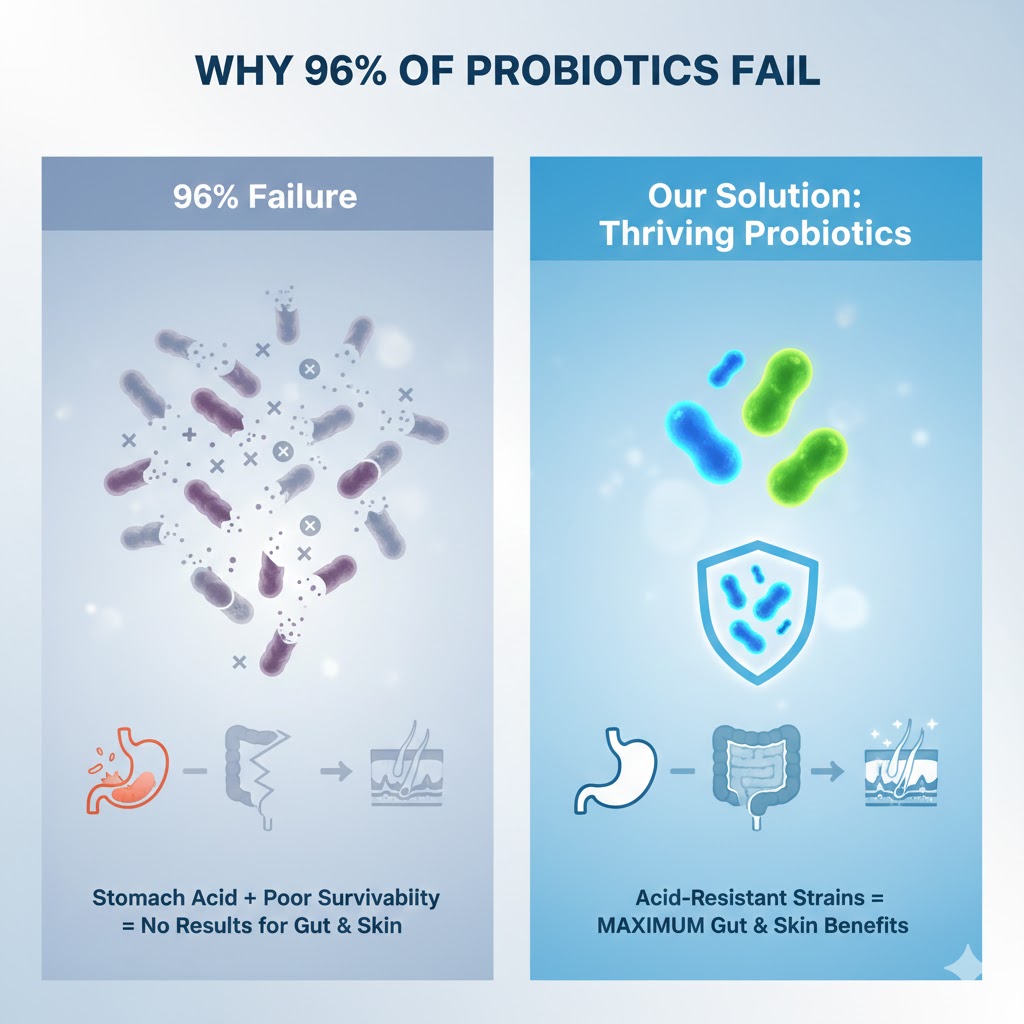
- Why 96% of Probiotics Fail for Skin & Gut
- The 4 Best Probiotic Strains for Clear Skin
- What Causes Leaky Gut
- PrimeBiome Review
⭐ Frequently Asked Questions (FAQs)
1. Are gut health tests accurate?
Most microbiome tests are accurate for bacteria but less reliable for yeast.
2. How often should I test my gut?
Every 6–12 months if you’re dealing with chronic symptoms.
3. Can a gut test diagnose diseases?
No — it provides insights, not medical diagnosis.
4. Do I need a test to start probiotics?
No — probiotics benefit most people without testing.
5. Is stool testing better than blood testing?
For gut health? Yes. Stool gives more direct information.
6. Are at-home gut tests legitimate?
Many are high-quality, but choose ones using DNA sequencing (16S or shotgun).
7. Do gut tests help with acne?
Yes — they identify imbalances connected to skin inflammation.
8. What’s the biggest red flag in a gut report?
Low diversity + high inflammatory markers.
9. Can gut tests detect parasites?
Some can, but not all. Look for tests that include pathogen screening.
10. What probiotic should I take after testing?
A multi-strain formula targeting gut-skin balance, such as PrimeBiome.

Proactive Gut Health Support
PrimeBiome provides daily probiotic support to maintain optimal gut balance.
Start Daily Support
Medically Reviewed for Accuracy
This content has been reviewed for accuracy and clarity by The Health Knowledge Base Medical Review Team, using current research and evidence-based health guidance.
Our review process helps ensure that information related to health, wellness, nutrition, lifestyle strategies, and natural support topics reflects current scientific understanding and responsible editorial standards.
Written by The Health Knowledge Base Editorial Team
Our editorial team consists of health researchers, wellness writers, and content specialists focused on creating clear, practical, and research-informed health content.
We publish educational articles designed to help readers better understand health topics, explore natural wellness strategies, and make more informed lifestyle decisions with confidence.
Affiliate Transparency, Medical Disclaimer & Safety Notice
At The Health Knowledge Base, we take pride in being a trusted resource and affiliate partner with select, high-quality companies. We choose these partnerships carefully because we genuinely believe their products, services, and educational resources align with the values and mission of our website.
When you purchase through certain links on this site, we may receive a small commission or compensation. This helps support our research, content creation, and ongoing work at no additional cost to you. Your price remains exactly the same.
Medical Disclaimer
The information provided by The Health Knowledge Base is for general informational and educational purposes only and is not a substitute for professional medical advice, diagnosis, or treatment.
Always seek the advice of your physician, doctor, or another qualified healthcare provider with any questions you may have regarding a medical condition, symptoms, treatment options, diet changes, exercise programs, or supplements.
Never disregard professional medical advice or delay in seeking it because of something you have read on this website.
Critical Safety Notice
Before making any changes to your diet, starting a new fitness or wellness routine, or taking any supplements mentioned on this site, you should consult with your doctor, physician, or another qualified healthcare professional. Reliance on any information provided by The Health Knowledge Base is solely at your own risk.
View our Affiliate Disclosure → | View our Medical Disclaimer →