
Stay Informed With Trusted Health Insights
Join 5,000+ readers who receive evidence-informed health articles, wellness tips, supplement reviews, and practical health guides delivered straight to their inbox.
Get Free Health UpdatesNo spam. Just helpful health education, updates, and resources.
Decoding Your PSA: Beyond the Number
Receiving a Prostate-Specific Antigen (PSA) test result can be a moment of high anxiety. A single number on a page feels like a verdict, but it’s not. PSA is a tool for conversation, not a diagnosis. This guide will demystify your PSA results, explain what “normal” really means for your age, and walk you through the logical, non-panicked next steps if your level is elevated.
What is PSA, Really?
Prostate-Specific Antigen is a protein produced by both normal and abnormal prostate cells. It’s naturally present in small amounts in the blood of all men. Think of it as a sign that says “prostate activity here.”
- The Key Concept: PSA is NOT cancer-specific. An elevated level is a signal that something is causing more prostate cells to release PSA into the bloodstream. That “something” is far more likely to be a benign condition like BPH (enlarged prostate) or prostatitis (inflammation/infection) than prostate cancer.
Understanding “Normal” PSA Ranges by Age
There is no universal “normal” PSA. Levels naturally increase with age as the prostate grows. Here’s a general guideline for age-adjusted PSA levels:
| Age Range | Typical “Normal” PSA Range (ng/mL) | Threshold for Further Discussion |
|---|---|---|
| 40-49 | 0.0 – 2.5 ng/mL | > 2.5 ng/mL |
| 50-59 | 0.0 – 3.5 ng/mL | > 3.5 ng/mL |
| 60-69 | 0.0 – 4.5 ng/mL | > 4.5 ng/mL |
| 70+ | 0.0 – 6.5 ng/mL | > 6.5 ng/mL |
Important Nuances:
- Velocity Matters: A rapid rise in PSA (e.g., >0.75 ng/mL per year) can be more concerning than a stable, mildly elevated number.
- Density Matters: PSA Density (PSA level relative to prostate size, measured via ultrasound/MRI) is a more refined metric. A high PSA in a very large prostate is less alarming than the same PSA in a small prostate.
- The “4.0” Myth: The old benchmark of 4.0 ng/mL is outdated. A 45-year-old with a PSA of 3.8 needs evaluation, while a 75-year-old with a PSA of 5.0 might be perfectly normal.
Why Your PSA Might Be High: It’s Not Just Cancer
If your PSA is elevated, your doctor will consider the “Big Three” causes, listed from most to least common:
1. Benign Prostatic Hyperplasia (BPH – Enlarged Prostate)
- The Most Common Cause. As the prostate enlarges, it simply produces more PSA-producing tissue. A rising PSA often parallels prostate growth. This is why tracking PSA can be part of monitoring BPH progression.
2. Prostatitis (Inflammation or Infection)
- A Very Common, Treatable Cause. Inflammation from a bacterial infection or non-bacterial prostatitis can cause PSA to spike dramatically—sometimes to very high levels. This often returns to normal after treatment. Learn the key differences in our guide Prostatitis vs. BPH.
3. Prostate Cancer
- The Serious Cause that Must Be Ruled Out. Cancer cells can produce PSA, often in a less regulated way. This is why an elevated PSA prompts further investigation.
Other Factors That Can Temporarily Raise PSA:
- Recent Sexual Activity/Ejaculation (within 48 hours)
- Recent Prostate Exam (DRE) or Bike Riding
- Recent Urinary Catheterization or Cystoscopy
- Certain Medications (like testosterone therapy)
The Smart Next Steps After an Elevated PSA
Step 1: Don’t Panic. Repeat the Test.
A single high PSA is not reliable. Your doctor will likely recommend a repeat test in a few weeks, ensuring you avoid the activities listed above that can cause a false spike.
Step 2: Investigate the Context with Your Urologist.
Your urologist won’t look at PSA in isolation. They will consider:
- Your age, family history, and race.
- Your symptoms (if any).
- The findings from a Digital Rectal Exam (DRE).
- Your PSA velocity and density if prior tests exist.
Step 3: Consider Advanced PSA Tests & Imaging.
If PSA remains elevated, new tools help avoid unnecessary biopsies:
- Free PSA Test: Measures the percentage of “free” vs. “bound” PSA. A lower percentage of free PSA is more associated with cancer.
- PCA3 Test: A urine test after a DRE that looks for a cancer-specific genetic marker.
- Multiparametric MRI (mpMRI): A detailed scan that can identify suspicious areas in the prostate, often used to guide a biopsy.
Step 4: Prostate Biopsy – The Definitive Diagnostic Tool.
Only a biopsy—taking tiny tissue samples from the prostate—can diagnose cancer. It’s typically recommended if PSA, DRE, and advanced tests suggest a significant risk.
FAQ: Your Pressing Questions Answered
1. My PSA is 5.5. Do I have cancer?
Not necessarily. At age 65, 5.5 could be normal for BPH. At age 45, it requires careful investigation. Context is everything. The majority of men with a PSA between 4 and 10 do not have cancer.
2. Can BPH cause a very high PSA (e.g., over 10)?
Yes, it can, especially with very large prostates or concurrent inflammation. While levels over 10 increase the statistical probability of cancer, BPH is still a common explanation.
3. Should I get a PSA test if I have no symptoms?
This is a personal decision made with your doctor, weighing risks and benefits. Screening can find cancer early but also leads to false alarms and over-diagnosis. Guidelines vary; discuss your risk factors.
4. What’s a “dangerously high” PSA level?
There’s no specific threshold, but PSA levels above 20 ng/mL are highly suggestive of cancer, and levels above 100 typically indicate advanced disease. Again, even high levels can be from severe prostatitis.
5. Can medications like Finasteride (Proscar) affect my PSA?
Yes, critically. 5-alpha reductase inhibitors (Finasteride, Dutasteride) used for BPH lower PSA by about 50% after 6-12 months. If you’re on these drugs, your doctor must double your PSA result for an accurate interpretation.
Conclusion: Knowledge is Power, Not Panic
An elevated PSA is a signal to pay attention, not a reason for despair. It opens a dialogue with your urologist to investigate the most likely causes—starting with the common, benign ones. By understanding the context of your number, you become an informed partner in your own health, capable of making clear-headed decisions about the appropriate next steps.
Your Action Plan:
- Get the Context: Note your age, symptoms, and any activities before the test.
- Schedule a Follow-Up: Talk to your doctor about a repeat test and a full evaluation.
- Ask Informed Questions: Use your new knowledge to ask about PSA velocity, density, and advanced testing options.
Navigate Our Complete BPH Hub:
- Silo 1: BPH Symptoms & Daily Management
- Silo 2: Medical & Surgical Treatments
- Silo 3: Natural Remedies & Lifestyle
- Main Hub: The Complete Guide to BPH & Prostate Health
More FAQs
1. What is considered a dangerously high PSA level?
There’s no absolute “danger” number, but PSA levels above 20 ng/mL have a very high probability of being linked to prostate cancer. Levels above 100 ng/mL typically indicate advanced or metastatic disease. However, even very high levels can sometimes be caused by severe prostatitis.
2. Can an enlarged prostate (BPH) cause a PSA over 10?
Yes, absolutely. A significantly enlarged prostate, especially if inflamed, can produce enough benign tissue to elevate PSA well into the 10-20 ng/mL range. Prostate size, measured via ultrasound, is a critical factor your urologist will consider.
3. How much can PSA rise after ejaculation or a bike ride?
These activities can cause a temporary increase of 0.4 to 0.8 ng/mL, and sometimes more. This is why it’s recommended to avoid ejaculation, vigorous cycling, and heavy exercise for 48 hours before a PSA test for the most accurate baseline.
4. What is PSA velocity and why does it matter?
PSA velocity is the rate of change in your PSA level over time (ng/mL per year). A rapid rise (e.g., >0.75 ng/mL/year) can be a more significant indicator of potential cancer than a single elevated but stable number, even if it’s higher. It highlights the importance of trend data.
5. I take Finasteride for my BPH. How does that affect my PSA reading?
This is crucial. Finasteride and Dutasteride (5-ARIs) shrink the prostate and reduce PSA levels by about 50% after 6-12 months of use. When interpreting your PSA, your doctor must double the reported result to compare it to standard ranges. Not doing so can mask a concerning rise.
6. What does a “low free PSA percentage” mean?
PSA circulates in “free” and “bound” forms. A free PSA percentage below 10-15% suggests a higher likelihood of cancer, while a percentage above 20-25% is more reassuring and suggestive of a benign condition like BPH. It’s a useful secondary test after an elevated total PSA.
7. Can a urinary tract infection (UTI) raise PSA?
Yes, inflammation or infection in the urinary tract, especially if it involves the prostate (prostatitis), can significantly elevate PSA. The PSA often returns to normal after the infection is treated with antibiotics.
8. Is the PSA test still recommended for screening?
Recommendations vary. Major groups now advocate for shared decision-making. For men 55-69, discuss the potential benefits (early detection) and harms (false positives, over-diagnosis) with your doctor. Routine screening is generally not recommended for men over 70 or with less than a 10-15 year life expectancy.
9. My PSA went from 3.0 to 3.8 in a year. Should I be worried?
A rise of 0.8 ng/mL in a year meets the threshold for concerning PSA velocity. While it doesn’t mean you have cancer, it absolutely warrants further investigation with a urologist, who may order advanced tests or imaging to understand the cause.
10. What are my options if I have an elevated PSA but a negative biopsy?
This is “active surveillance.” You likely don’t have cancer at this time. Your urologist will recommend regular monitoring (e.g., repeat PSA and possibly MRI every 6-12 months) to watch for changes. The elevated PSA is often attributed to BPH or inflammation and managed accordingly.
Related Articles
- Chronic Prostatitis vs. BPH: Key Differences: Understand how inflammation can spike your PSA and cause similar symptoms.
- The Watchful Waiting Approach for Mild BPH: Learn how PSA monitoring fits into managing a non-bothersome enlarged prostate.
- BPH Medications Guide: How 5-ARIs Affect PSA: A deep dive into drugs like Finasteride and their critical impact on PSA interpretation.
- Preparing for Your Urologist Appointment: 10 Key Questions: Bring this list to discuss your PSA results confidently.
Master Your Prostate Health with Our Ultimate Resource
You’ve explored treatments. Now, see how it all fits together in our flagship guide.
Quizzes, trackers, and expert insights.
Compare every option, from pills to surgery.
Diet plans, exercises, and supplement guides.
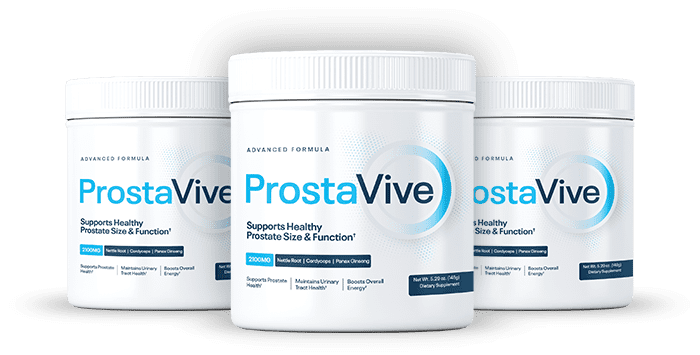
Considering a Natural Prostate Supplement?
Many of our readers have asked about comprehensive natural formulas. Prostavive combines 9 research-backed ingredients including Saw Palmetto, Beta-Sitosterol, and Pygeum in one supplement.
Note: The Health Knowledge Base are Trusted Affiliates of Prostavive. We earn a commission if you purchase, at NO EXTRA COST TO YOU. Always consult your healthcare provider before starting supplements.

Medically Reviewed for Accuracy
This content has been reviewed for accuracy and clarity by The Health Knowledge Base Medical Review Team, using current research and evidence-based health guidance.
Our review process helps ensure that information related to health, wellness, nutrition, lifestyle strategies, and natural support topics reflects current scientific understanding and responsible editorial standards.
Written by The Health Knowledge Base Editorial Team
Our editorial team consists of health researchers, wellness writers, and content specialists focused on creating clear, practical, and research-informed health content.
We publish educational articles designed to help readers better understand health topics, explore natural wellness strategies, and make more informed lifestyle decisions with confidence.
Affiliate Transparency, Medical Disclaimer & Safety Notice
At The Health Knowledge Base, we take pride in being a trusted resource and affiliate partner with select, high-quality companies. We choose these partnerships carefully because we genuinely believe their products, services, and educational resources align with the values and mission of our website.
When you purchase through certain links on this site, we may receive a small commission or compensation. This helps support our research, content creation, and ongoing work at no additional cost to you. Your price remains exactly the same.
Medical Disclaimer
The information provided by The Health Knowledge Base is for general informational and educational purposes only and is not a substitute for professional medical advice, diagnosis, or treatment.
Always seek the advice of your physician, doctor, or another qualified healthcare provider with any questions you may have regarding a medical condition, symptoms, treatment options, diet changes, exercise programs, or supplements.
Never disregard professional medical advice or delay in seeking it because of something you have read on this website.
Critical Safety Notice
Before making any changes to your diet, starting a new fitness or wellness routine, or taking any supplements mentioned on this site, you should consult with your doctor, physician, or another qualified healthcare professional. Reliance on any information provided by The Health Knowledge Base is solely at your own risk.
View our Affiliate Disclosure → | View our Medical Disclaimer →