Stay Informed With Trusted Health Insights
Join 5,000+ readers who receive evidence-informed health articles, wellness tips, supplement reviews, and practical health guides delivered straight to their inbox.
Get Free Health UpdatesNo spam. Just helpful health education, updates, and resources.
For men living with the frustrating symptoms of Benign Prostatic Hyperplasia (BPH)—the frequent urination, weak stream, and sleepless nights—finding the right treatment can be challenging. Medications often come with side effects, while traditional surgeries like TURP, though effective, involve longer recovery times. Rezūm Water Vapor Therapy has emerged as a modern, minimally invasive alternative that offers a compelling balance of effectiveness and patient comfort.
This guide provides a comprehensive look at Rezūm therapy. We’ll explain exactly how this innovative procedure uses simple water vapor to shrink enlarged prostate tissue, examine its proven efficacy and safety profile, and share candid insights from patient reviews. By the end, you’ll have a clear understanding of whether this treatment could be the right solution for regaining your comfort and quality of life.
What is Rezūm Water Vapor Therapy?
Rezūm Therapy is an FDA-approved, minimally invasive outpatient procedure for treating BPH. Its core technology is elegantly simple: it uses the natural energy stored in water vapor (steam) to treat the cause of urinary symptoms.
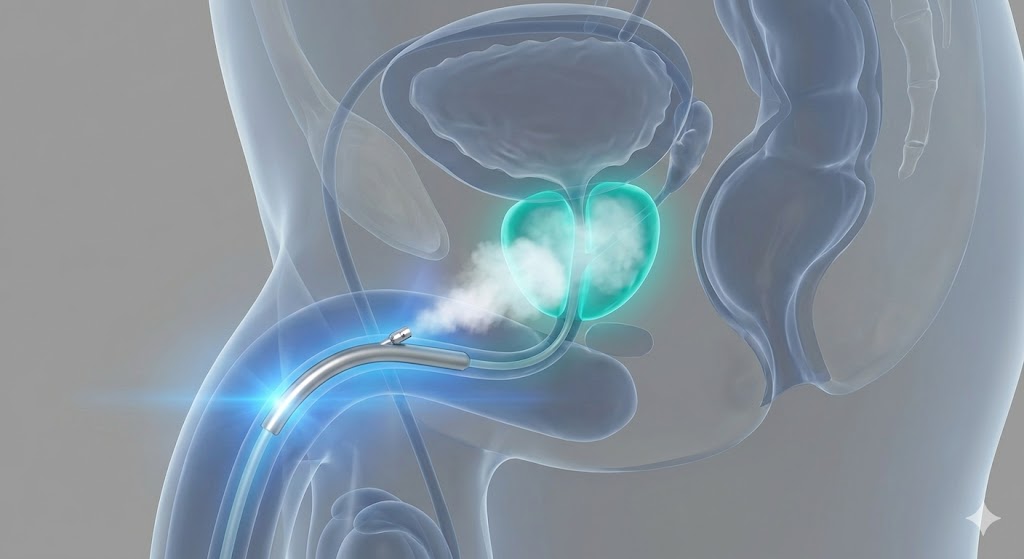
A urologist inserts a small handheld device through the urethra. This device delivers precise, controlled doses of sterile water vapor directly into the obstructive prostate tissue. The stored thermal energy in the steam is released as it condenses, destroying the targeted cells. Over the following weeks, the body’s natural healing response absorbs the treated tissue, shrinking the prostate and opening the urethra for improved urine flow. Crucially, the procedure is transurethral (performed through the natural urinary opening) and requires no incisions.
A Step-by-Step Look at the Rezūm Procedure
Understanding what happens during the procedure can ease anxiety. Here’s a typical timeline:
- Before the Procedure: You will have a comprehensive consultation with a urologist to confirm you are a good candidate. This usually involves a symptom score (IPSS), flow test, and sometimes imaging. You may need to stop certain medications like blood thinners beforehand.
- Day of the Procedure: Rezūm is performed in a clinic or hospital outpatient setting. It typically uses local anesthesia with sedation or general anesthesia, so you are comfortable and feel no pain. The procedure itself usually takes less than 10 minutes.
- During the Procedure: The urologist guides the Rezūm device via cystoscopy. Using a video monitor for precision, they deliver about 3-5 steam injections into each lobe of the prostate. You will not feel the injections.
- Immediate Aftermath: There is no hospital stay. You will go home the same day with a temporary urinary catheter, which is typically removed within 3 to 7 days as initial swelling subsides.
For a deeper comparison of how Rezūm stacks up against other common procedures, see our guide: TURP vs. Laser Surgery (GreenLight): Which BPH Procedure is Right for You?.
Efficacy and Safety: What Does the Data Say?
Clinical studies and real-world data consistently support the effectiveness and safety of Rezūm as a minimally invasive BPH treatment.
- Symptom Improvement: In clinical trials, patients experienced an average 50% improvement in BPH symptom scores (IPSS) and a 100% improvement in urinary flow rates sustained over 5 years.
- Preservation of Sexual Function: A key advantage of Rezūm is its low impact on sexual health. The procedure targets only the obstructive tissue, minimizing risk to the nerves and muscles involved in erection and ejaculation. Studies show preservation of erectile function in over 95% of men and antegrade ejaculation in approximately 90% of men—a significantly higher rate than many other BPH surgeries.
- Safety Profile: Because it uses water vapor and not extreme heat or cutting, the risk of serious complications is low. The most common side effects are temporary and related to the healing process, including frequent urination, urgency, mild burning with urination, and blood in the urine. These typically resolve within a few weeks.
- Durability: The tissue removal by the body’s healing process is permanent. While natural prostate aging continues, the need for a repeat procedure for the treated areas is low (approximately 4% over 5 years).
Patient Reviews and Realistic Expectations
Patient reviews highlight both the benefits and the realistic recovery journey:
The Positive Highlights:
- “Life-changing relief without the major surgery.” Many men praise the significant improvement in urinary flow and reduction in nighttime trips, emphasizing they wished they hadn’t waited so long.
- “Quick procedure and back to normal fast.” The short procedure time and rapid return to non-strenuous daily activities (often within a few days) are frequently mentioned advantages.
- “Glad I preserved my sexual function.” Men often express satisfaction that their sexual health was not compromised, a common concern with other treatments.
The Realistic Recovery:
- “The first 2-3 weeks were uncomfortable.” Reviews are honest about the initial irritative symptoms (frequency, urgency) as the prostate heals and the catheter is in place. Patience is key.
- “Results weren’t instant.” It’s crucial to understand that maximum improvement develops over 4-6 weeks as the treated tissue is absorbed. Some see improvement early, while for others it’s a gradual process.
- “Follow your doctor’s instructions.” Successful outcomes are tied to proper post-op care, including hydration, avoiding heavy lifting, and completing any prescribed medications.
For a firsthand look at the recovery process from a BPH procedure, you may find this personal account valuable: BPH Surgery Recovery: One Man’s Diary (With Photos).
Is Rezūm Therapy Right for You? Candidacy and Next Steps
Rezūm is an excellent option for many men with moderate to severe BPH symptoms who want to avoid the risks and longer recovery of major surgery. It is particularly well-suited for:
- Men concerned about preserving sexual function.
- Men on blood thinners who need a safer procedural option.
- Those with larger prostate glands (over 80g) where other office-based therapies may be less effective.
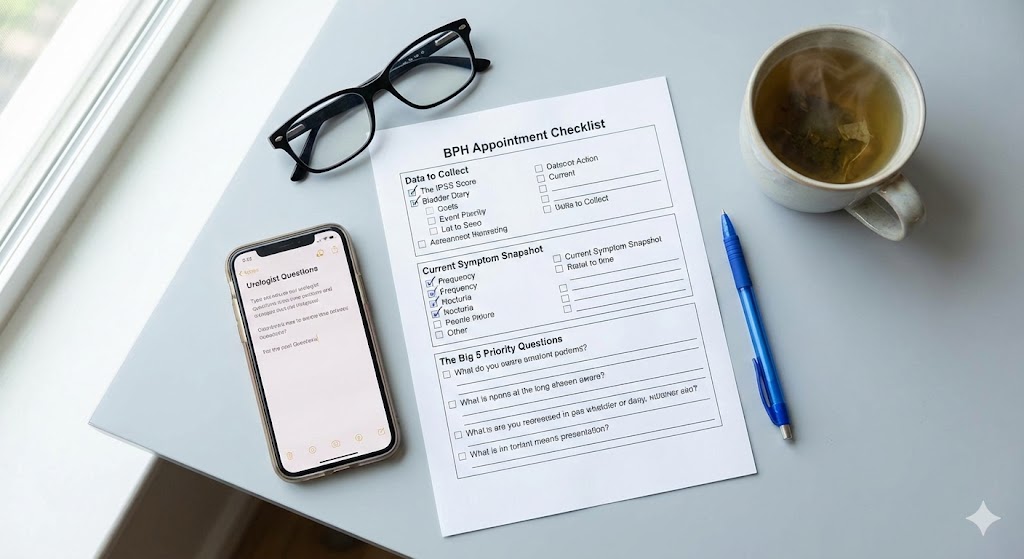
The best way to determine if Rezūm is your best path forward is a detailed discussion with a urologist. To prepare for that conversation, arm yourself with the right questions: Preparing for Your Urologist Appointment: 10 Key Questions to Ask.
✅ FAQs
Q1: How long does the Rezūm procedure take?
A: The active treatment time with the water vapor is remarkably short, typically under 10 minutes. The entire appointment, including preparation and recovery from anesthesia, usually takes a few hours.
Q2: Is Rezūm therapy painful?
A: The procedure itself is not painful due to anesthesia. Afterward, as the anesthetic wears off, you can expect a period of temporary irritation similar to a urinary tract infection (burning, urgency, frequency). This is manageable with medications and improves significantly within the first two weeks.
Q3: Why do I need a catheter after Rezūm, and how long is it in?
A: Swelling after the procedure can temporarily block urine flow. A catheter ensures you can empty your bladder comfortably while this initial swelling subsides. It is typically needed for 3 to 7 days.
Q4: How quickly will I see results from Rezūm?
A: Improvement is gradual. Some men notice better flow within days of catheter removal, but the full therapeutic effect builds over 4 to 6 weeks as the body naturally absorbs the treated prostate tissue. Maximum symptom relief is usually achieved by 3 months.
Q5: Does Rezūm affect ejaculation or cause retrograde ejaculation?
A: A major benefit of Rezūm is the high rate of preserving normal (antegrade) ejaculation. Clinical studies show about 90% of men maintain antegrade ejaculation, as the procedure does not affect the bladder neck mechanism that is commonly altered in other surgeries like TURP.
Q6: Can Rezūm be repeated if needed?
A: Yes, if necessary. The procedure can be repeated, though the long-term durability is good. The 5-year retreatment rate is approximately 4%. If regrowth occurs in untreated areas, Rezūm can be performed again.
Q7: What are the main side effects or risks of Rezūm?
A: Common temporary side effects include urinary frequency, urgency, mild burning, blood in urine, and discomfort during ejaculation. Serious complications are rare but can include urinary tract infection or temporary urinary retention. There is a very low risk of erectile dysfunction.
Q8: How does Rezūm compare to UroLift?
A: Both are minimally invasive. UroLift uses tiny implants to physically hold the prostate lobes apart, offering very quick symptom relief. Rezūm uses water vapor to destroy tissue, causing the prostate to shrink over time. Rezūm is often preferred for larger prostates and may offer more durable tissue reduction. Learn more about the other option here: UroLift for BPH: Pros, Cons, and What to Expect.
Q9: What activities should I avoid after Rezūm?
A: For the first 1-2 weeks, avoid heavy lifting (over 15-20 lbs), strenuous exercise, cycling, and sexual activity. Most men can return to desk work within a few days. Always follow your urologist’s specific instructions.
Q10: Is Rezūm covered by insurance?
A: Rezūm Therapy is FDA-approved and covered by most Medicare and commercial insurance plans for the treatment of BPH. However, coverage details and out-of-pocket costs (co-pays, deductibles) vary. Your urologist’s office can help verify your specific benefits.
✅ Related Articles
Comparing BPH Procedures:
- UroLift for BPH: Pros, Cons, and What to Expect (vs. TURP): Discover another leading minimally invasive option that uses implants instead of heat.
- TURP vs. Laser Surgery (GreenLight): Which BPH Procedure is Right for You?: Compare the gold-standard and laser surgeries to understand where Rezūm fits in the treatment landscape.
Preparing for Treatment & Recovery:
- BPH Surgery Recovery: One Man’s Diary (With Photos): Get a candid, personal look at the recovery process from a BPH procedure.
- Preparing for Your Urologist Appointment: 10 Key Questions to Ask: Equip yourself with the essential questions to discuss Rezūm and other treatments with your doctor.
Understanding Your Condition:
- Chronic Prostatitis vs. BPH: Key Differences in Symptoms and Treatment: Ensure your symptoms are correctly attributed to BPH and not another common prostate condition.
Weighing Your Treatment Options?
From medications to advanced surgeries, understanding all paths is key to making the right choice for your enlarged prostate.
Explore All BPH Treatments →Start Your BPH Management Journey
Your journey begins with understanding your symptoms. Track your progress, learn daily management tips, and take our self-assessment to better communicate with your doctor.
Visit the BPH Symptoms Hub →Considering Medication First?
Before considering procedures, it’s crucial to understand the full range of medical management. Get a clear guide to the benefits, side effects, and uses of common BPH drugs.
Read the BPH Medication Guide →
Medically Reviewed for Accuracy
This content has been reviewed for accuracy and clarity by The Health Knowledge Base Medical Review Team, using current research and evidence-based health guidance.
Our review process helps ensure that information related to health, wellness, nutrition, lifestyle strategies, and natural support topics reflects current scientific understanding and responsible editorial standards.
Written by The Health Knowledge Base Editorial Team
Our editorial team consists of health researchers, wellness writers, and content specialists focused on creating clear, practical, and research-informed health content.
We publish educational articles designed to help readers better understand health topics, explore natural wellness strategies, and make more informed lifestyle decisions with confidence.
Affiliate Transparency, Medical Disclaimer & Safety Notice
At The Health Knowledge Base, we take pride in being a trusted resource and affiliate partner with select, high-quality companies. We choose these partnerships carefully because we genuinely believe their products, services, and educational resources align with the values and mission of our website.
When you purchase through certain links on this site, we may receive a small commission or compensation. This helps support our research, content creation, and ongoing work at no additional cost to you. Your price remains exactly the same.
Medical Disclaimer
The information provided by The Health Knowledge Base is for general informational and educational purposes only and is not a substitute for professional medical advice, diagnosis, or treatment.
Always seek the advice of your physician, doctor, or another qualified healthcare provider with any questions you may have regarding a medical condition, symptoms, treatment options, diet changes, exercise programs, or supplements.
Never disregard professional medical advice or delay in seeking it because of something you have read on this website.
Critical Safety Notice
Before making any changes to your diet, starting a new fitness or wellness routine, or taking any supplements mentioned on this site, you should consult with your doctor, physician, or another qualified healthcare professional. Reliance on any information provided by The Health Knowledge Base is solely at your own risk.
View our Affiliate Disclosure → | View our Medical Disclaimer →