
Stay Informed With Trusted Health Insights
Join 5,000+ readers who receive evidence-informed health articles, wellness tips, supplement reviews, and practical health guides delivered straight to their inbox.
Get Free Health UpdatesNo spam. Just helpful health education, updates, and resources.
Zinc is one of the most buzzed-about minerals in men’s health, often hailed as a crucial defender of prostate function. But when it comes to Benign Prostatic Hyperplasia (BPH) and prostate cancer, the relationship is complex and filled with contradictory advice. Should you be supplementing? Can too much zinc be harmful? Zinc plays a vital role in prostate cellular function and immune regulation, but indiscriminate high-dose supplementation is not the simple solution it may seem and may carry risks. This guide cuts through the hype to deliver science-backed facts on zinc’s role in prostate health, helping you understand how to use this essential mineral safely and effectively.
The Crucial Role of Zinc in the Prostate
The prostate gland contains the highest concentration of zinc in the male body—up to ten times more than any other soft tissue. This isn’t an accident; it’s central to the organ’s function.
- Cellular Metabolism & Function: Zinc is a cofactor for over 300 enzymes, including those critical for DNA synthesis, cell growth, and protein production. In the prostate, it helps regulate the transformation of testosterone to dihydrotestosterone (DHT), a key hormone involved in prostate growth.
- Antimicrobial & Immune Support: Zinc contributes to the prostate’s natural defense system, helping to maintain sterility in the prostatic fluid and supporting local immune responses. Some research suggests a link between low zinc levels and an increased risk of chronic prostatitis, a condition of prostate inflammation that can mimic or co-exist with BPH. Understanding these different conditions is key; learn more in our guide: Chronic Prostatitis vs. BPH: Key Differences.
- The Zinc Paradox in Disease: Interestingly, while a healthy prostate accumulates zinc, studies show that both BPH tissue and prostate cancer cells have significantly lower zinc levels than normal tissue. Researchers believe the loss of zinc and the cells’ inability to retain it may be linked to disease progression, turning a protector into a marker of dysfunction.
Zinc Supplementation for BPH: What Does the Evidence Say?
The idea of taking zinc for an enlarged prostate is logical but not conclusively proven by large-scale clinical trials.
- Mixed Results: Some older studies and anecdotal reports suggest zinc, often combined with other nutrients like saw palmetto, may help reduce BPH symptoms like nighttime urination. However, robust, modern clinical trials are lacking. It is not considered a first-line treatment.
- Not a Standalone Treatment: Experts agree that zinc should not replace conventional BPH treatments like alpha-blockers or 5-ARIs. It may be considered a complementary component of a broader natural health strategy. For a look at the most researched natural supplement, see: Saw Palmetto for BPH: Science-Backed Dosage & Results.
- The Importance of Form: If supplementing, the form of zinc matters. Zinc picolinate and zinc citrate are generally better absorbed than zinc oxide. Always look for chelated forms for higher bioavailability.
The Prostate Cancer Connection: A Serious Warning
This is the most critical part of the zinc story. The relationship between zinc and prostate cancer is nuanced and potentially dangerous without medical guidance.
- Epidemiological Studies: Some population studies have found an association between adequate dietary zinc intake and a potentially lower risk of advanced prostate cancer. Zinc’s role in DNA repair and immune function may be protective.
- The Major Caveat – High-Dose Risk: Conversely, several high-profile studies, including a major NIH-funded trial, have raised a red flag. They found that men taking high-dose zinc supplements (over 100 mg/day) for long periods had a statistically significant increased risk of developing advanced prostate cancer. This underscores that more is not better.
- The Takeaway: Aiming for sufficient zinc through diet is likely beneficial for overall and prostate health. However, self-prescribing high-dose zinc supplements could be harmful, especially for men with undiagnosed prostate issues. Screening is essential; understand your numbers with our explainer: PSA Test: What Your Results Really Mean.
Safe Supplementation: Dosage, Diet, and Doctors
Navigating zinc supplementation requires a balanced, informed approach focused on safety.
1. Prioritize Dietary Zinc
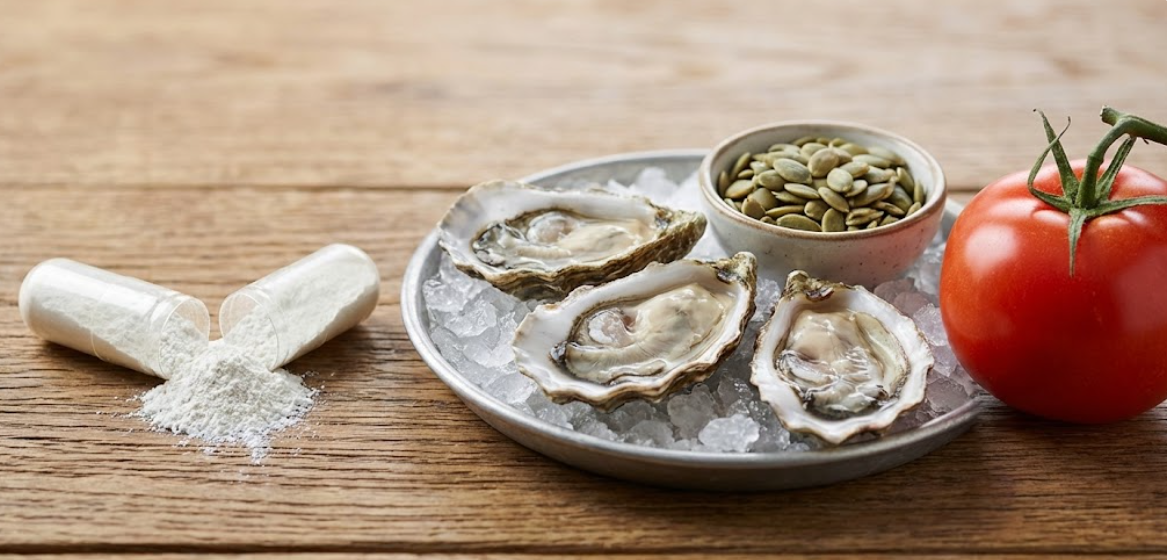
The safest way to maintain healthy zinc levels is through food. Excellent sources include:
- Oysters (by far the richest source)
- Red meat and poultry
- Pumpkin seeds and chickpeas
- Fortified cereals and dairy products
A diet rich in these foods, like our 7-Day Anti-Inflammatory Diet for Prostate Health, can often provide sufficient zinc without the risks of pills.
2. If You Supplement, Do So Smartly
- Dosage: The Recommended Dietary Allowance (RDA) for adult men is 11 mg per day. For supplementation, a conservative and common dose is 15-30 mg per day. Never exceed 40 mg daily from all sources without direct medical supervision.
- Copper Balance: High-dose zinc (over 50 mg/day for extended periods) can deplete copper levels, leading to anemia and neurological issues. If supplementing long-term, consider a formula that includes a small amount of copper (1-2 mg).
- Timing: Take zinc with food to reduce stomach upset.
3. The Non-Negotiable: Talk to Your Doctor
Before starting any supplement regimen:
- Get Tested: A simple blood test can check your zinc status.
- Disclose Everything: Tell your doctor about all supplements you take.
- Discuss Risk Factors: This is crucial if you have a personal or family history of prostate cancer.
Prepare for that conversation with our essential list: Preparing for Your Urologist Appointment: 10 Key Questions.
The Bottom Line: Zinc is a Partner, Not a Panacea
Zinc is an essential mineral that supports fundamental prostate functions. While ensuring you get enough—primarily through a zinc-rich diet—is a pillar of proactive health, the evidence does not support high-dose supplementation as a treatment for BPH or a prevention for cancer. In fact, it may do the opposite.
Think of zinc as part of a holistic foundation that includes a balanced diet, regular exercise, and appropriate medical screenings. By focusing on sufficiency over mega-dosing and partnering with your healthcare provider, you can safely harness the benefits of zinc for long-term prostate health.
Interested in building a complete, natural approach to supporting your prostate? Explore our hub for diet, exercise, and evidence-based supplement strategies: Natural Remedies & Lifestyle for Prostate Health.
✅ FAQs
Q1: Can taking zinc supplements shrink an enlarged prostate?
A: There is no conclusive scientific evidence that zinc supplements alone can shrink the prostate gland in men with BPH. While zinc is vital for prostate function, it is not an established treatment for reducing prostate size. Effective medical treatments exist; learn about them in our BPH Medical & Surgical Treatments Hub.
Q2: What is the recommended daily dose of zinc for prostate health?
A: The Recommended Dietary Allowance (RDA) for adult men is 11 mg per day. For general supplementation support, a common and safe dose ranges from 15 mg to 30 mg daily. It is strongly advised not to exceed 40 mg per day from all sources (food + supplements) without medical guidance.
Q3: Does zinc prevent prostate cancer?
A: The relationship is complex. Adequate dietary zinc intake from foods may be associated with a lower risk of advanced prostate cancer. However, several major studies have found that long-term, high-dose zinc supplementation (over 100 mg/day) may actually increase the risk of advanced prostate cancer. More is not better.
Q4: What are the best food sources of zinc for prostate health?
A: Oysters are the richest source by far. Other excellent sources include red meat, poultry, crab, lobster, pumpkin seeds, chickpeas, lentils, and fortified cereals. For a prostate-friendly eating plan, see our 7-Day Anti-Inflammatory Diet.
Q5: What are the symptoms of zinc deficiency?
A: Symptoms can include hair loss, impaired immune function (frequent infections), slow wound healing, loss of appetite, and taste or smell disturbances. A simple blood test ordered by your doctor can confirm a deficiency.
Q6: What form of zinc supplement is best absorbed?
A: Chelated forms like zinc picolinate, zinc citrate, and zinc gluconate are generally better absorbed by the body than inorganic forms like zinc oxide. Look for these on the supplement label.
Q7: Can zinc supplements interact with BPH medications?
A: Zinc is not known for major interactions with common BPH drugs like alpha-blockers (e.g., Flomax) or 5-ARIs (e.g., Finasteride). However, it can interfere with the absorption of certain antibiotics (quinolones, tetracyclines) and the Parkinson’s drug levodopa. Always disclose all supplements to your prescribing doctor.
Q8: Why is copper mentioned with zinc supplementation?
A: High-dose zinc supplementation (typically >50 mg/day for weeks) can interfere with copper absorption and lead to a copper deficiency, which can cause anemia and neurological issues. If you supplement with zinc long-term at moderate doses, a formula that includes 1-2 mg of copper is prudent.
Q9: I have BPH and prostatitis. Could zinc help?
A: Given zinc’s role in immune function and antimicrobial activity in the prostate, addressing a deficiency might be supportive for some men with chronic prostatitis. However, it is not a proven cure. Accurate diagnosis is key, as explained in Chronic Prostatitis vs. BPH.
Q10: Should I get my zinc levels tested before supplementing?
A: Yes, this is the most responsible approach. A simple plasma or serum zinc blood test can tell you if you are deficient, sufficient, or have high levels. This allows you and your doctor to make a data-driven decision about the need for and dosage of supplements.
Exploring Natural Prostate Health?
Zinc is just one piece of the puzzle. Discover a full spectrum of science-backed diet plans, herbal remedies, and lifestyle changes for holistic prostate support.
Visit Our Natural Remedies Hub →Not Sure About Your Symptoms?
Understanding your BPH symptoms is the first step to managing them. Track your progress, take our self-assessment quiz, and learn effective daily management strategies.
Go to BPH Symptoms & Management Hub →Considering Saw Palmetto?
Zinc is often paired with saw palmetto, the #1 natural supplement for BPH. Get the facts on proven dosages, how to pick a quality brand, and what results you can realistically expect.
Read the Saw Palmetto Guide →✅ Related Articles
Natural Remedies & Supplements:
- Saw Palmetto for BPH: Science-Backed Dosage & Results: Dive deep into the most researched herbal supplement for prostate health.
- Lycopene & Prostate Cancer Prevention: Does a BPH Diet Protect You?: Explore another crucial dietary antioxidant and its role in prostate wellness.
- Herbal Teas and Bladder Control: Research on Pygeum and Stinging Nettle: Learn about other herbs traditionally used to support urinary and prostate function.
Diet & Lifestyle Foundations:
- 7-Day Anti-Inflammatory Diet for Prostate Health (PDF Plan): Implement a complete eating plan that naturally incorporates zinc and other key nutrients.
- Is Caffeine & Alcohol Really Bad for BPH? A Moderation Guide: Manage common dietary triggers that can affect prostate and urinary symptoms.
Medical Diagnosis & Context:
- Chronic Prostatitis vs. BPH: Key Differences in Symptoms and Treatment: Understand where zinc’s immune support might be most relevant.
- Prostate Specific Antigen (PSA) Test: What Your Results Really Mean: Essential reading before considering any supplement that could interact with prostate cancer risk.

Medically Reviewed for Accuracy
This content has been reviewed for accuracy and clarity by The Health Knowledge Base Medical Review Team, using current research and evidence-based health guidance.
Our review process helps ensure that information related to health, wellness, nutrition, lifestyle strategies, and natural support topics reflects current scientific understanding and responsible editorial standards.
Written by The Health Knowledge Base Editorial Team
Our editorial team consists of health researchers, wellness writers, and content specialists focused on creating clear, practical, and research-informed health content.
We publish educational articles designed to help readers better understand health topics, explore natural wellness strategies, and make more informed lifestyle decisions with confidence.
Affiliate Transparency, Medical Disclaimer & Safety Notice
At The Health Knowledge Base, we take pride in being a trusted resource and affiliate partner with select, high-quality companies. We choose these partnerships carefully because we genuinely believe their products, services, and educational resources align with the values and mission of our website.
When you purchase through certain links on this site, we may receive a small commission or compensation. This helps support our research, content creation, and ongoing work at no additional cost to you. Your price remains exactly the same.
Medical Disclaimer
The information provided by The Health Knowledge Base is for general informational and educational purposes only and is not a substitute for professional medical advice, diagnosis, or treatment.
Always seek the advice of your physician, doctor, or another qualified healthcare provider with any questions you may have regarding a medical condition, symptoms, treatment options, diet changes, exercise programs, or supplements.
Never disregard professional medical advice or delay in seeking it because of something you have read on this website.
Critical Safety Notice
Before making any changes to your diet, starting a new fitness or wellness routine, or taking any supplements mentioned on this site, you should consult with your doctor, physician, or another qualified healthcare professional. Reliance on any information provided by The Health Knowledge Base is solely at your own risk.
View our Affiliate Disclosure → | View our Medical Disclaimer →