Stay Informed With Trusted Health Insights
Join 5,000+ readers who receive evidence-informed health articles, wellness tips, supplement reviews, and practical health guides delivered straight to their inbox.
Get Free Health UpdatesNo spam. Just helpful health education, updates, and resources.
Why Sciatica Feels So Different from Other Back Pain
Sciatica is often described as back pain, but in reality it behaves very differently from muscular or joint-related discomfort. While traditional back pain may feel dull, stiff, or achy, sciatica is frequently sharp, burning, electric, or radiating, traveling from the lower back into the hips, legs, or feet.
This distinct pattern occurs because sciatica involves nerve irritation, not just tissue strain. Understanding this difference is essential, as nerve pain responds poorly to treatments designed for muscle or joint injuries.
This guide explains what sciatica really is, why it develops, and how long-term relief depends on addressing nerve health, inflammation, and mechanical pressure together.
Explore the Hub: For a broader overview of all back pain mechanisms, see the Back Pain Hub.
What Is Sciatica?
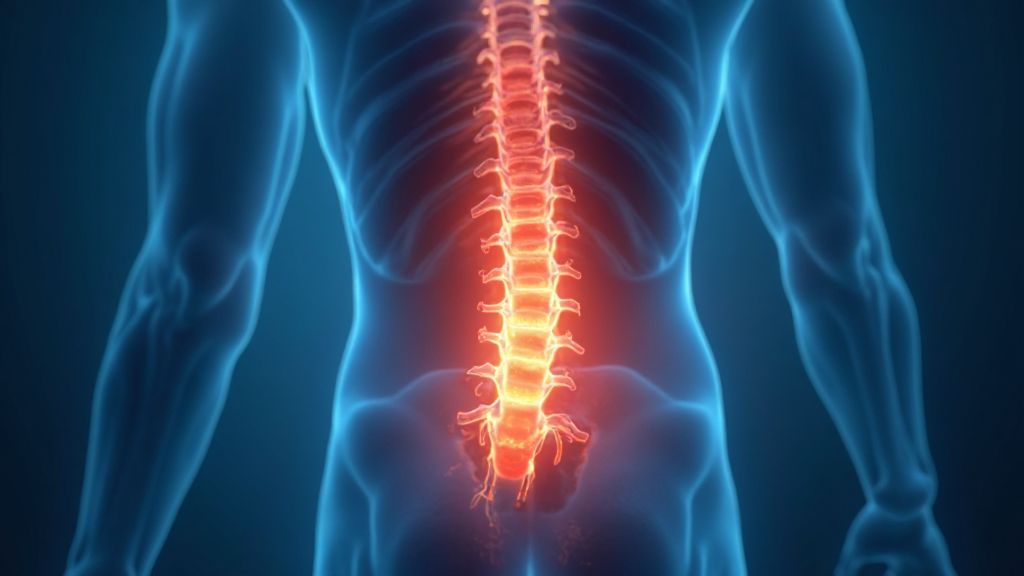
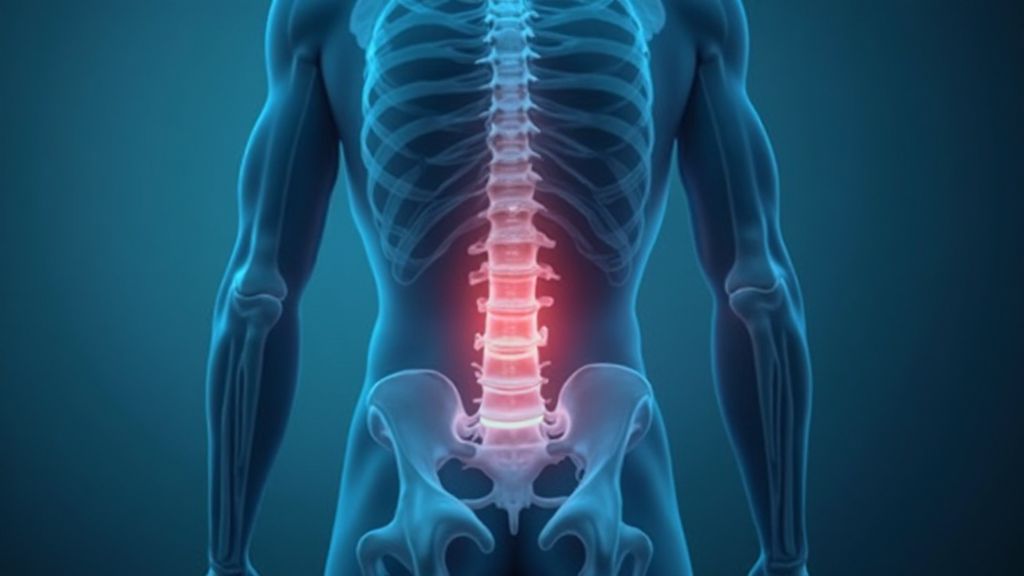
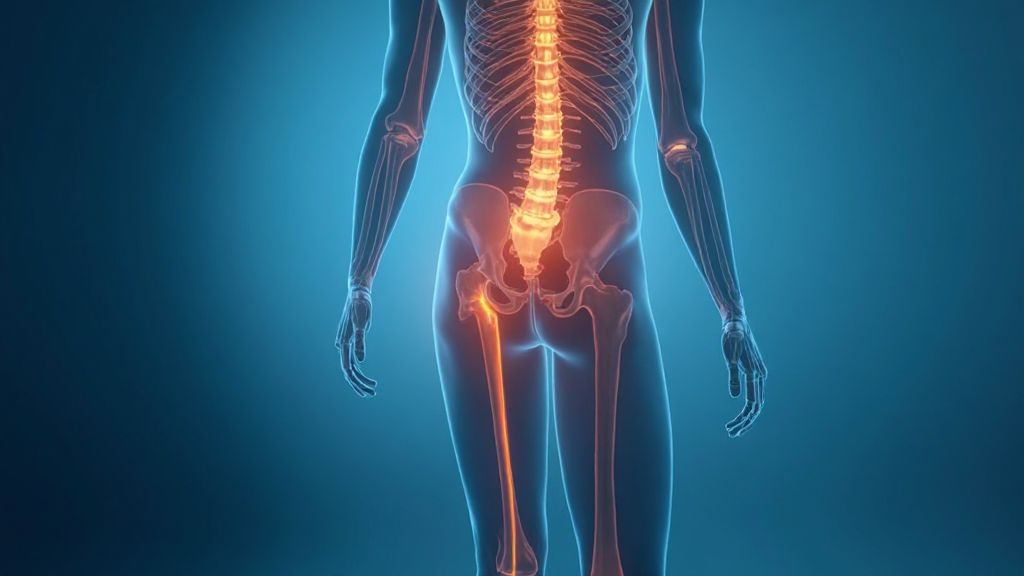
Sciatica refers to pain caused by irritation, compression, or inflammation of the sciatic nerve—the longest nerve in the body. It originates in the lower spine and travels through the hips, buttocks, and down each leg.
Sciatica is not a diagnosis itself. It is a symptom pattern that indicates an underlying issue affecting the nerve. Common features include:
- Pain radiating down one leg (occasionally both)
- Burning, shooting, or electric sensations
- Tingling, numbness, or weakness
- Pain that worsens with sitting or at night
Common Causes of Sciatic Nerve Pain
Sciatica can arise from several overlapping factors:
Spinal Disc Issues
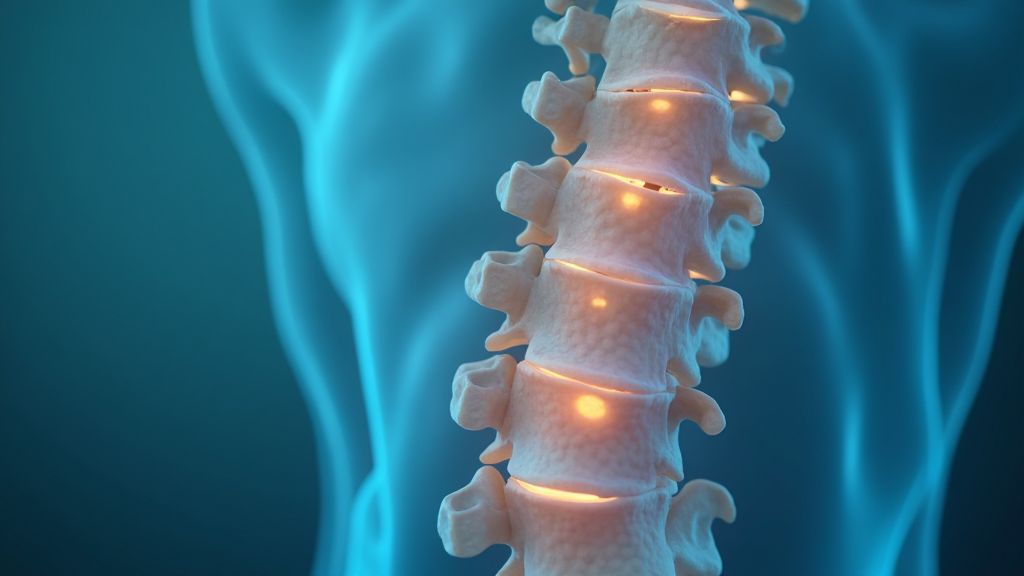
Bulging or herniated discs can press against nerve roots that form the sciatic nerve.
Spinal Narrowing or Joint Changes
Degenerative changes may reduce space around nerve pathways, increasing sensitivity.
Muscle-Related Compression
Tight or overactive muscles, particularly in the hips, can irritate the sciatic nerve as it passes through surrounding tissue.
Inflammation
Inflammatory chemicals can sensitize nerves even without direct compression, amplifying pain signals.
Structural Deep Dive: Structural contributors are explored in more detail in the Spine & Disc Pain Guide.
Sciatica vs. General Lower Back Pain
Lower back pain and sciatica are often grouped together, but they are not the same. Understanding this distinction prevents ineffective treatment strategies.
- Lower back pain is typically: Localized, muscular or mechanical, and worse with certain movements.
- Sciatic nerve pain is typically: Radiating, neurological in nature, unpredictable, and persistent.
Related Resource: See our Lower Back Pain Guide.
Why Sciatica Often Gets Worse at Night
Many people report that sciatica intensifies in the evening or disrupts sleep. Common reasons include:
- Prolonged daytime sitting.
- Reduced movement leading to nerve stiffness.
- Inflammatory processes peaking overnight.
- Sleeping positions that increase nerve tension.
Night pain is a hallmark of nerve involvement and should not be ignored.
Nerve Compression vs. Nerve Inflammation
Sciatica does not always mean the nerve is being physically compressed.
- Compression-related sciatica results from physical pressure on nerve roots.
- Inflammation-driven sciatica results from chemical irritation and sensitization.
Inflammatory sciatica may appear on scans as “normal,” yet still produce severe symptoms. This overlap explains why imaging alone often fails to predict pain severity.
Why Painkillers Often Fail for Sciatica
Standard pain medications are designed to blunt pain perception, not restore nerve health. Limitations include a minimal impact on nerve repair and reduced effectiveness over time. Long-term relief usually requires addressing mechanical stress, inflammation, and providing nutritional support for nerve function.
Movement and Posture Considerations
Complete rest often worsens nerve pain. Helpful strategies may include:
- Gentle walking to promote nerve glide.
- Avoiding prolonged sitting.
- Neutral spine positioning.
- Gradual reintroduction of movement.
The goal is reducing nerve irritation, not immobilization.
Nutritional and Supplement Support (Non-Branded)
Targeted nutritional support can help create an environment conducive to nerve recovery:
- B vitamins: For nerve signaling and repair.
- Alpha lipoic acid: For oxidative stress support.
- Magnesium: For nerve relaxation and muscle tension.
- Omega-3 fatty acids: To support inflammatory balance.
Deep Dive: Inflammatory contributors are discussed further in the Inflammation & Chronic Back Pain Guide.
When Sciatica Requires Medical Evaluation
Seek professional care if symptoms include:
- Progressive leg weakness.
- Loss of bladder or bowel control.
- Severe numbness in the groin area.
- Pain following trauma.
- Rapid symptom worsening.
FAQs
- What does sciatica pain feel like?
Burning, shooting, electric, or radiating pain down the leg. - Can sciatica occur without back pain?
Yes. Some people feel leg pain without significant back discomfort. - Is sciatica always caused by a disc herniation?
No. Inflammation and muscle-related irritation are common contributors. - Why does sitting worsen sciatica?
Sitting increases pressure on the sciatic nerve and reduces mobility. - Can sciatica heal on its own?
Some cases improve, but persistent symptoms require targeted support. - Is walking good for sciatica?
Gentle walking often helps reduce nerve stiffness. - Do scans always show sciatica causes?
No. Nerve inflammation may not appear on imaging. - Are supplements enough to fix nerve pain?
No. They support recovery but do not replace mechanical correction. - Why does sciatica hurt more at night?
Reduced movement and inflammation can increase nerve sensitivity. - When should I seek urgent care?
If weakness, numbness, or bladder issues develop.
Continue Exploring Back Pain Resources
Lower back pain often overlaps with other systems. Use the guides below to understand related contributors and explore supportive strategies.
20-second Rub Ritual Relieves 90% Of Back Pain For Years
(Watch Video)

If you’ve tried everything to manage your back, neck, or joint pain with no long-term success, the problem likely isn’t your effort – it’s the target.
Modern research suggests that a significant number of chronic pain cases are driven by a specific inflammatory response – a “chemical cascade” your body triggers that keeps nerves on high alert. When these internal signals remain active, standard treatments and exercises often fail to provide lasting relief.
Fortunately, a rediscovered rejuvenation method is helping thousands break this cycle. By targeting these specific pain-signaling fibers and supporting natural tissue repair, this at-home technique helps quiet the inflammation that keeps you stiff and limited.
Over 77,000 people are using this method to restore their mobility, allowing them to bend, reach, and move with a confidence they haven’t felt in years.
Click here to see how this 1-minute daily habit can help you resolve chronic pain from the source.

Medically Reviewed for Accuracy
This content has been reviewed for accuracy and clarity by The Health Knowledge Base Medical Review Team, using current research and evidence-based health guidance.
Our review process helps ensure that information related to health, wellness, nutrition, lifestyle strategies, and natural support topics reflects current scientific understanding and responsible editorial standards.
Written by The Health Knowledge Base Editorial Team
Our editorial team consists of health researchers, wellness writers, and content specialists focused on creating clear, practical, and research-informed health content.
We publish educational articles designed to help readers better understand health topics, explore natural wellness strategies, and make more informed lifestyle decisions with confidence.
Affiliate Transparency, Medical Disclaimer & Safety Notice
At The Health Knowledge Base, we take pride in being a trusted resource and affiliate partner with select, high-quality companies. We choose these partnerships carefully because we genuinely believe their products, services, and educational resources align with the values and mission of our website.
When you purchase through certain links on this site, we may receive a small commission or compensation. This helps support our research, content creation, and ongoing work at no additional cost to you. Your price remains exactly the same.
Medical Disclaimer
The information provided by The Health Knowledge Base is for general informational and educational purposes only and is not a substitute for professional medical advice, diagnosis, or treatment.
Always seek the advice of your physician, doctor, or another qualified healthcare provider with any questions you may have regarding a medical condition, symptoms, treatment options, diet changes, exercise programs, or supplements.
Never disregard professional medical advice or delay in seeking it because of something you have read on this website.
Critical Safety Notice
Before making any changes to your diet, starting a new fitness or wellness routine, or taking any supplements mentioned on this site, you should consult with your doctor, physician, or another qualified healthcare professional. Reliance on any information provided by The Health Knowledge Base is solely at your own risk.
View our Affiliate Disclosure → | View our Medical Disclaimer →