






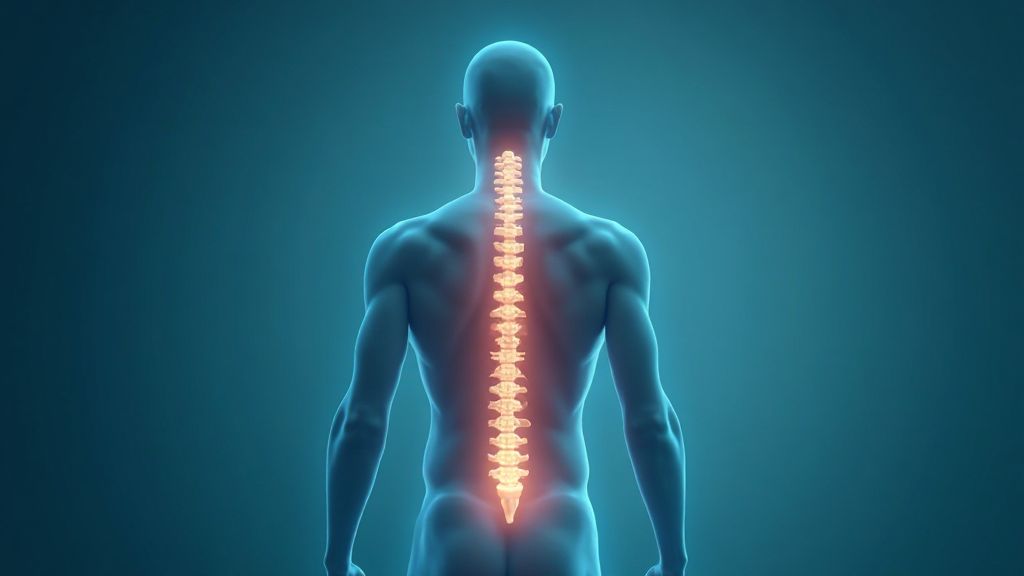
Understanding Back Pain Beyond Symptoms
Back pain is one of the most common reasons people seek medical care, reduce physical activity, or rely on pain medication. Yet for many, relief remains temporary or incomplete. This is because back pain is often treated as a single problem, when in reality it reflects dysfunction across multiple systems in the body.
Back pain can involve:
- Muscles and connective tissue
- Spinal joints and discs
- Nerve pathways
- Chronic inflammation and pain sensitization
This Hub Page is designed to help you understand the true drivers of back pain, navigate the different types, and access in-depth, evidence-informed resources that focus on long-term spine health, not just short-term relief.
Why Back Pain Becomes Persistent
Many cases of back pain do not persist because of severe injury, but because the original contributing factors were never addressed. Common reasons pain lingers include:
- Muscle imbalances caused by prolonged sitting or repetitive movement
- Reduced spinal mobility and joint stiffness
- Nerve irritation or compression
- Ongoing low-grade inflammation
- Inadequate recovery and nutritional support
When these factors overlap, pain can recur even after rest, medication, or physical therapy.
The 4 Systems That Influence Back Pain
Most back pain can be traced to one or more of the following systems. Understanding which system is involved helps guide appropriate next steps.
Muscles and Movement Patterns
Poor posture, weak stabilizing muscles, and limited movement variability place excessive stress on the spine—particularly in the lower back.
Spinal Structures (Discs and Joints)
Changes in spinal discs or joints can affect load distribution and mobility. These changes are common with age but are not always the direct cause of pain.
Nerves
Irritated or compressed nerves can produce sharp, burning, or radiating pain that behaves very differently from muscular discomfort.
Inflammation
Inflammation can heighten pain sensitivity, delay tissue repair, and sustain symptoms long after an injury has healed.
How This Back Pain Resource Is Organized
To make this information practical and easy to navigate, the Back Pain Hub is structured into one comprehensive Pillar Page and four focused Silos, each targeting a major back pain mechanism. You can start broadly or go directly to the area that best matches your symptoms.
Explore the Back Pain Guides
🔹 Complete Back Pain Foundation
The Complete Guide to Back Pain: Symptoms, Causes, and Natural Support
This in-depth guide explains acute vs chronic pain, root causes, and why symptom-only treatments often fail. This is the recommended starting point if you are unsure of your pain type.
🔹 Lower Back Pain
Lower Back Pain: Causes, Relief & Prevention Strategies
Covers mechanical and muscular lower back pain, sitting-related patterns, core weakness, and morning stiffness.
🔹 Sciatica & Nerve Pain
Sciatica & Nerve Pain: Causes, Symptoms and Natural Relief
Covers radiating leg pain, burning vs. shooting sensations, and nerve-supportive recovery strategies.
🔹 Spine, Disc & Structural Pain
Spine and Disc Pain: Structural Causes & Natural Support
Covers bulging vs. herniated discs, degenerative changes, and non-surgical structural support options.
🔹 Inflammation & Chronic Back Pain
Inflammation and Chronic Back Pain: Root Causes & Relief
Covers why pain persists after healing, systemic inflammation triggers, and natural anti-inflammatory support.
A Note on Long-Term Back Health
There is rarely a single solution for back pain. Sustainable improvement typically comes from:
- Understanding the primary pain mechanism
- Restoring healthy movement patterns
- Reducing unnecessary inflammation
- Supporting tissue and nerve recovery
Education is the foundation of this process. The guides within this hub are designed to help you make informed decisions and explore appropriate next steps with clarity.
FAQs
- What is the most common cause of back pain?
Muscle imbalance, prolonged sitting, and poor movement patterns are leading contributors. - Why does back pain become chronic?
Persistent inflammation, nerve sensitization, and unresolved movement issues are common drivers. - Is disc degeneration always painful?
No. Many people have disc changes without pain. - How do I know if my pain is nerve-related?
Nerve pain often burns, shoots, or radiates into the legs or hips. - Can inflammation cause back pain without injury?
Yes. Systemic inflammation can heighten pain sensitivity even without tissue damage. - Is rest good for back pain?
Short-term rest may help acute injury, but prolonged inactivity often worsens pain. - Are supplements enough to fix back pain?
No. Supplements support recovery but should be combined with movement and lifestyle changes. - Why do painkillers stop working over time?
They reduce symptoms but do not address root causes. - Can posture alone cause back pain?
Poor posture contributes, but it is usually one factor among many. - When should I see a specialist?
If pain worsens, spreads, or includes neurological symptoms.
Start with the Right Back Pain Resource
Back pain rarely has a single cause. Use the guides below to understand your symptoms, identify underlying contributors, and explore evidence-informed support strategies.
Symptoms, Causes, and Natural Support — Your starting point for understanding back pain.