Stay Informed With Trusted Health Insights
Join 5,000+ readers who receive evidence-informed health articles, wellness tips, supplement reviews, and practical health guides delivered straight to their inbox.
Get Free Health UpdatesNo spam. Just helpful health education, updates, and resources.
🩺 Introduction
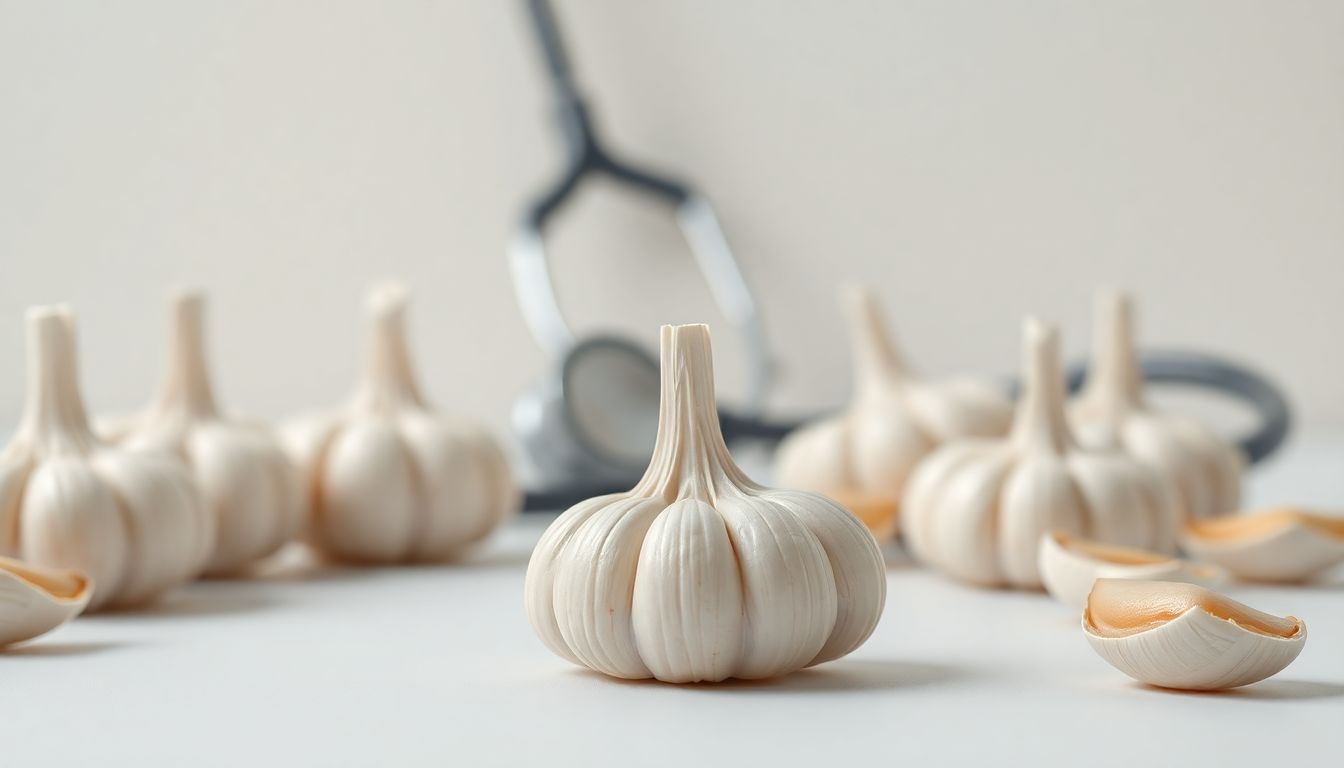
For thousands of years, garlic has been more than just a kitchen staple — it’s been one of the most powerful natural medicines in history.
Modern research confirms what ancient healers knew all along: garlic can help lower blood pressure, support healthy circulation, and protect your heart against oxidative stress.
In this article, you’ll learn how garlic works, what science says about its blood pressure benefits, how to use it safely, and why it’s one of nature’s most effective cardiovascular allies.
(Related Reading: The Complete Guide to Lowering Blood Pressure Naturally)
🧄 What Makes Garlic So Powerful?
Garlic (Allium sativum) is rich in sulfur compounds, the most important being allicin — formed when garlic is crushed or chopped.
Allicin is the key compound responsible for garlic’s:
- Blood pressure–lowering properties
- Antioxidant protection
- Anti-inflammatory effects
- Immune system support
These benefits make garlic one of the most well-studied natural remedies for hypertension and heart disease prevention.
❤️ How Garlic Helps Lower Blood Pressure
Garlic supports cardiovascular health through several mechanisms:
- Natural Vasodilation
Allicin helps relax and widen blood vessels, improving blood flow and reducing arterial tension. - Nitric Oxide Activation
It boosts nitric oxide production — a molecule that tells your arteries to expand and stay flexible. - Improved Cholesterol Balance
Garlic lowers LDL (“bad”) cholesterol and may slightly increase HDL (“good”) cholesterol. - Reduced Oxidative Stress
Garlic neutralizes free radicals that contribute to arterial damage and inflammation. - Thinner, Healthier Blood Flow
Its mild anti-clotting effect promotes smoother circulation.
💡 Science says:
A 2020 meta-analysis of 12 clinical trials found that garlic supplements reduced systolic blood pressure by 8–10 mmHg and diastolic pressure by 5–6 mmHg — comparable to standard medication for mild hypertension.
(Also read: Best Natural Supplements to Lower Blood Pressure)
🧬 The Science Behind Allicin
Allicin is unstable and short-lived — that’s why fresh garlic or aged extracts work best.
It activates hydrogen sulfide (H₂S) and nitric oxide pathways in the blood, relaxing vessel walls and improving circulation.
However, cooking garlic at high temperatures destroys allicin.
For the best results, crush or chop garlic and let it rest for 10 minutes before using it raw or lightly cooked.
🍽️ Best Ways to Use Garlic for Blood Pressure
1. Raw Garlic (Most Potent)
Crush 1 clove, let it rest 10 minutes, then swallow with water or honey.
Start slowly — it’s strong!
2. Aged Garlic Extract (Odorless Option)
Supplements like Kyolic® Aged Garlic provide standardized allicin yield with fewer side effects.
3. Cooked Garlic in Meals
Add to soups, vegetables, or roasted dishes to maintain mild potency.
4. Combination Formulas
Garlic works even better when combined with hawthorn, hibiscus, and saffron — as seen in BP Zone® by Zenith Labs.
(Also read: BP Zone Review: Benefits, Ingredients, and Results)
🧘♀️ When to Take Garlic for Best Results
Most people find morning or early afternoon doses most effective — it helps maintain blood vessel flexibility throughout the day.
For supplements, follow label instructions (usually 600–1200 mg daily, divided into two doses).
⚠️ Safety and Side Effects
Garlic is safe for most adults, but because it thins the blood slightly, you should:
- Avoid combining with anticoagulant medications without medical advice
- Stop use 1–2 weeks before surgery
- Take with food if you have stomach sensitivity
(Also read: Is It Safe to Take Blood Pressure Supplements with Medication?)
🌿 Garlic + Other Heart-Healthy Herbs
Garlic works synergistically with:
- Hawthorn: improves vessel elasticity
- Hibiscus: acts as a gentle ACE inhibitor
- Saffron: supports nitric oxide and serotonin balance
- CoQ10: enhances heart cell energy
(Also read: Hawthorn and Blood Pressure: The Ancient Herb Backed by Science)
🕒 How Long It Takes to See Results
With consistent daily use, noticeable improvements in blood pressure can appear within 4–6 weeks, along with higher energy and better circulation.
(Learn more: How Long Do Natural Remedies Take to Lower Blood Pressure?)
❓ FAQs — Garlic and Blood Pressure
- Can garlic really lower blood pressure?
Yes. Studies show consistent reductions in systolic and diastolic readings. - How much garlic should I take daily?
1–2 fresh cloves, or 600–1200 mg aged extract daily. - Can I take garlic with medication?
Consult your doctor — it may enhance blood-thinning drugs. - Does cooking destroy garlic’s benefits?
High heat can reduce allicin; raw or lightly cooked is best. - Can garlic lower cholesterol too?
Yes. It helps reduce LDL and may increase HDL levels. - When is the best time to take garlic?
Morning or before meals for best absorption. - Are garlic supplements as good as raw garlic?
Aged extracts are standardized for consistent potency and fewer side effects. - Can garlic help with stress-related blood pressure spikes?
Yes — it supports nitric oxide and reduces tension in arteries. - Does garlic cause bad breath?
Slightly, but aged extracts or parsley can help mask odor. - How long does it take to see results?
Most users report improvement within 4–6 weeks of daily use.
❤️ Final Thoughts
Garlic isn’t just food — it’s medicine.
Its proven ability to lower blood pressure, relax arteries, and improve heart function makes it one of nature’s most powerful cardiovascular protectors.
Start small, stay consistent, and pair it with a balanced diet, active lifestyle, and complementary herbs like hawthorn or hibiscus for a truly heart-healthy routine.
(Also read: The Complete Guide to Lowering Blood Pressure Naturally)


Medically Reviewed for Accuracy
This content has been reviewed for accuracy and clarity by The Health Knowledge Base Medical Review Team, using current research and evidence-based health guidance.
Our review process helps ensure that information related to health, wellness, nutrition, lifestyle strategies, and natural support topics reflects current scientific understanding and responsible editorial standards.
Written by The Health Knowledge Base Editorial Team
Our editorial team consists of health researchers, wellness writers, and content specialists focused on creating clear, practical, and research-informed health content.
We publish educational articles designed to help readers better understand health topics, explore natural wellness strategies, and make more informed lifestyle decisions with confidence.
Affiliate Transparency, Medical Disclaimer & Safety Notice
At The Health Knowledge Base, we take pride in being a trusted resource and affiliate partner with select, high-quality companies. We choose these partnerships carefully because we genuinely believe their products, services, and educational resources align with the values and mission of our website.
When you purchase through certain links on this site, we may receive a small commission or compensation. This helps support our research, content creation, and ongoing work at no additional cost to you. Your price remains exactly the same.
Medical Disclaimer
The information provided by The Health Knowledge Base is for general informational and educational purposes only and is not a substitute for professional medical advice, diagnosis, or treatment.
Always seek the advice of your physician, doctor, or another qualified healthcare provider with any questions you may have regarding a medical condition, symptoms, treatment options, diet changes, exercise programs, or supplements.
Never disregard professional medical advice or delay in seeking it because of something you have read on this website.
Critical Safety Notice
Before making any changes to your diet, starting a new fitness or wellness routine, or taking any supplements mentioned on this site, you should consult with your doctor, physician, or another qualified healthcare professional. Reliance on any information provided by The Health Knowledge Base is solely at your own risk.
View our Affiliate Disclosure → | View our Medical Disclaimer →