Stay Informed With Trusted Health Insights
Join 5,000+ readers who receive evidence-informed health articles, wellness tips, supplement reviews, and practical health guides delivered straight to their inbox.
Get Free Health UpdatesNo spam. Just helpful health education, updates, and resources.
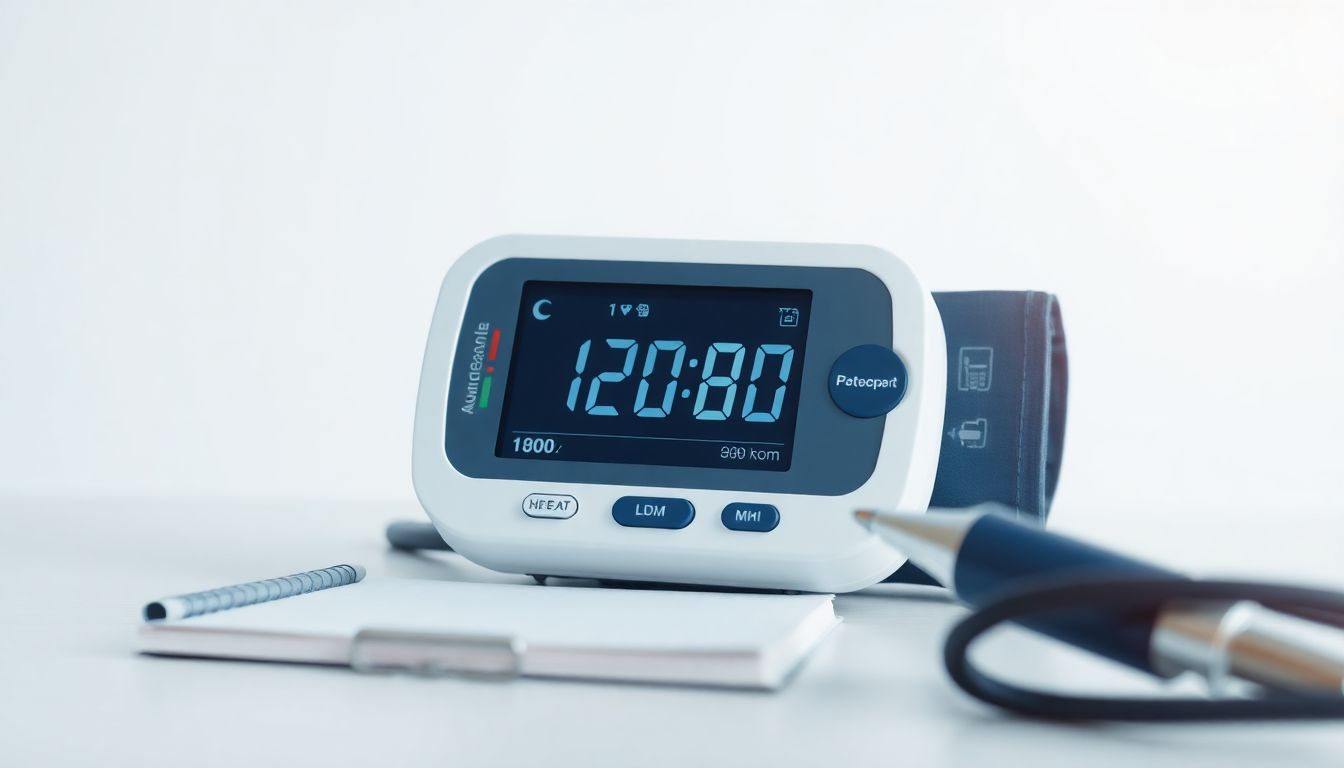
When you see two numbers like 120 over 80, what do they really mean?
Understanding your blood pressure readings is the key to preventing heart disease, stroke, and kidney problems before they start.
In this guide, you’ll learn how to interpret your numbers, what’s considered healthy at different ages, and how to respond if your readings are too high — or too low.
(Related Reading: How to Check Blood Pressure at Home (and Get Accurate Readings))
💡 Why Knowing Your Numbers Matters
Blood pressure reveals how much force your heart uses to pump blood through your arteries.
Consistently high numbers silently damage artery walls, while numbers that are too low can cause fatigue or dizziness.
Understanding your results empowers you to:
- Detect hypertension early
- Adjust diet and lifestyle proactively
- Share accurate data with your doctor
- Track improvements over time
(Also read: The Complete Guide to Lowering Blood Pressure Naturally)
📈 Breaking Down the Two Numbers
| Reading Type | Definition | Healthy Range (mmHg) |
|---|---|---|
| Systolic (Top) | Pressure when the heart contracts — pushing blood through arteries | < 120 (normal) |
| Diastolic (Bottom) | Pressure when the heart rests between beats | < 80 (normal) |
Example:
120/80 mmHg = 120 (systolic) over 80 (diastolic)
🩸 Blood Pressure Categories (According to AHA)
| Category | Systolic | Diastolic | Meaning |
|---|---|---|---|
| Normal | < 120 | < 80 | Excellent heart health |
| Elevated | 120 – 129 | < 80 | Lifestyle changes recommended |
| Stage 1 Hypertension | 130 – 139 | 80 – 89 | Focus on diet, exercise, stress control |
| Stage 2 Hypertension | ≥ 140 | ≥ 90 | Doctor evaluation recommended |
| Hypertensive Crisis | > 180 | > 120 | Seek emergency care immediately |
(Also read: What Causes High Blood Pressure (And How to Fix It))
📊 Ideal Blood Pressure by Age (General Guideline)
| Age Range | Target BP (mmHg) | Notes |
|---|---|---|
| 18 – 39 | Below 120/80 | Healthy arteries and active lifestyle maintain this range |
| 40 – 59 | Below 130/85 | Slight increases are normal with age |
| 60 + | Below 140/90 | Focus on consistency and stress management |
(Also read: Managing High Blood Pressure After 50)
🧭 How to Interpret Your Results
| Pattern | Possible Cause | Action |
|---|---|---|
| High Systolic + Normal Diastolic | Stiff arteries or stress | Focus on exercise & relaxation |
| Normal Systolic + High Diastolic | Early sign of artery narrowing | Re-test and review salt intake |
| Both Numbers High | Hypertension | Consult doctor & adjust diet |
| Both Numbers Low | Dehydration / fatigue | Stay hydrated, check medication |
| Fluctuating | Stress, sleep, diet | Track over 7 days for trend |
🩺 When to Worry About Your Numbers
- 140/90 or higher: Schedule a doctor visit.
- 160/100 or higher: Consult within days.
- 180/120 or higher: Go to emergency care.
(Also read: When to See a Doctor for High Blood Pressure (Warning Signs & Next Steps))
🧘 Tips for Consistent and Accurate Readings
- Check at the same time each day.
- Sit calmly for 5 minutes before testing.
- Avoid caffeine and exercise beforehand.
- Take two readings and average them.
- Record results in a journal or app.
(Also read: How Often Should You Check Your Blood Pressure? (Age & Risk Guidelines))
❓ FAQs — Understanding Blood Pressure Numbers
- What is a good blood pressure number?
Around 120/80 mmHg is considered ideal. - Is 130/85 normal?
It’s slightly elevated — lifestyle changes can help. - Which is more important — systolic or diastolic?
Both matter; systolic is often a better predictor of heart risk. - Why is my BP higher at the doctor’s office?
“White Coat Syndrome” — stress temporarily raises pressure. - What is dangerously high blood pressure?
Above 180/120 mmHg needs immediate medical attention. - Can numbers change daily?
Yes — based on sleep, stress, hydration, and food. - Do I need to check BP both arms?
Check once; use the arm with higher reading for future tests. - Can low blood pressure be bad?
Yes — it can cause fainting and fatigue. - Do medications affect numbers?
Yes — always measure at the same time daily for accuracy. - How can I lower high readings naturally?
Exercise, stress reduction, and heart-healthy foods.
(See Best Natural Supplements to Lower Blood Pressure)
❤️ Final Thoughts
Blood pressure readings aren’t just numbers — they’re signals from your body.
By learning how to interpret them, you gain control over your heart health and can make informed lifestyle choices that protect your future.
(Also read: The Complete Guide to Lowering Blood Pressure Naturally)
💡 Next Step CTA:
Ready to build a routine for better tracking?
👉 Learn How Often You Should Check Your Blood Pressure (Age & Risk Guidelines) →
📚 Related Articles
- How to Check Blood Pressure at Home (and Get Accurate Readings)
- What Causes High Blood Pressure (And How to Fix It)
- High vs. Low Blood Pressure: Key Differences Explained

Medically Reviewed for Accuracy
This content has been reviewed for accuracy and clarity by The Health Knowledge Base Medical Review Team, using current research and evidence-based health guidance.
Our review process helps ensure that information related to health, wellness, nutrition, lifestyle strategies, and natural support topics reflects current scientific understanding and responsible editorial standards.
Written by The Health Knowledge Base Editorial Team
Our editorial team consists of health researchers, wellness writers, and content specialists focused on creating clear, practical, and research-informed health content.
We publish educational articles designed to help readers better understand health topics, explore natural wellness strategies, and make more informed lifestyle decisions with confidence.
Affiliate Transparency, Medical Disclaimer & Safety Notice
At The Health Knowledge Base, we take pride in being a trusted resource and affiliate partner with select, high-quality companies. We choose these partnerships carefully because we genuinely believe their products, services, and educational resources align with the values and mission of our website.
When you purchase through certain links on this site, we may receive a small commission or compensation. This helps support our research, content creation, and ongoing work at no additional cost to you. Your price remains exactly the same.
Medical Disclaimer
The information provided by The Health Knowledge Base is for general informational and educational purposes only and is not a substitute for professional medical advice, diagnosis, or treatment.
Always seek the advice of your physician, doctor, or another qualified healthcare provider with any questions you may have regarding a medical condition, symptoms, treatment options, diet changes, exercise programs, or supplements.
Never disregard professional medical advice or delay in seeking it because of something you have read on this website.
Critical Safety Notice
Before making any changes to your diet, starting a new fitness or wellness routine, or taking any supplements mentioned on this site, you should consult with your doctor, physician, or another qualified healthcare professional. Reliance on any information provided by The Health Knowledge Base is solely at your own risk.
View our Affiliate Disclosure → | View our Medical Disclaimer →