
Stay Informed With Trusted Health Insights
Join 5,000+ readers who receive evidence-informed health articles, wellness tips, supplement reviews, and practical health guides delivered straight to their inbox.
Get Free Health UpdatesNo spam. Just helpful health education, updates, and resources.
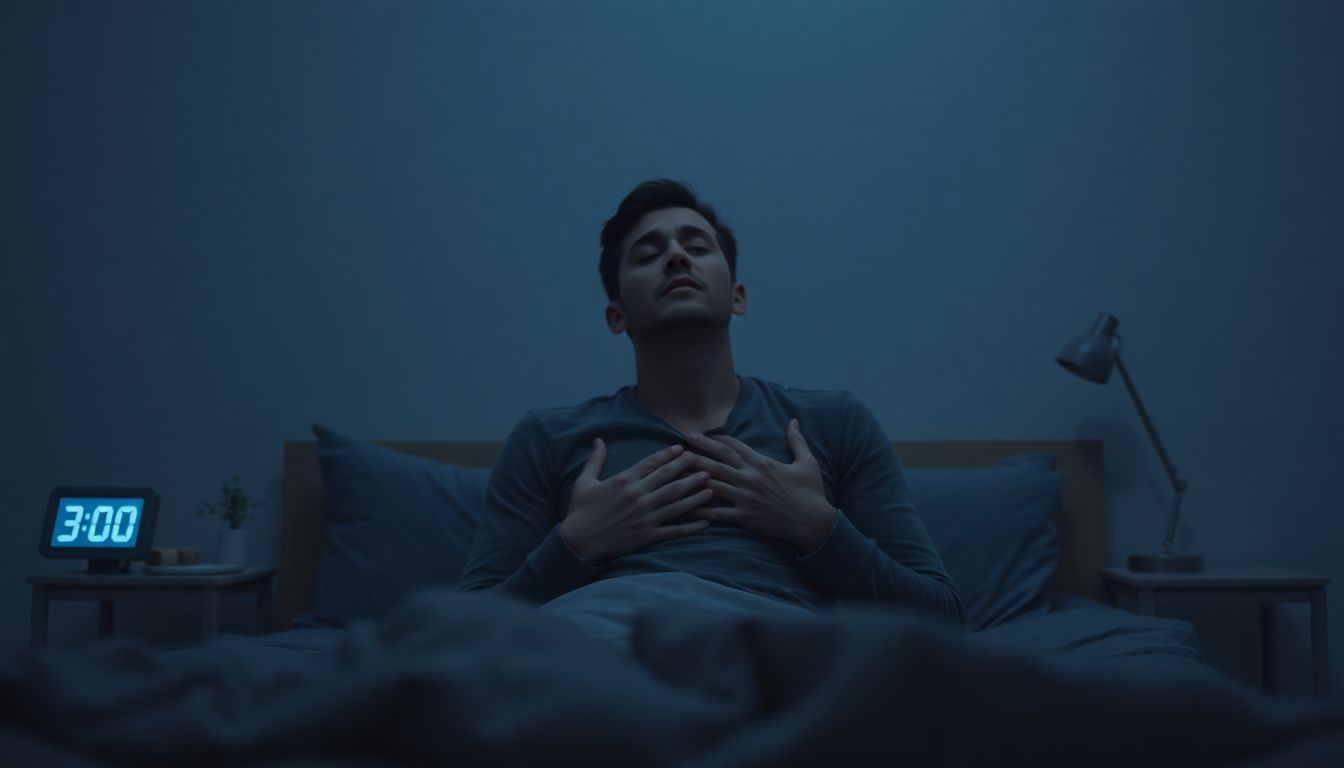
There’s a special kind of exhaustion that comes from being jolted awake night after night by relentless coughing. Just as you sink into deep sleep, that familiar tickle in your throat escalates into a full-blown coughing fit that leaves you gasping, frustrated, and wide awake.
If this sounds familiar, you’re not alone—and it’s not your imagination that 3 AM seems to be the witching hour for coughs. There are specific physiological reasons why nighttime coughing follows this pattern, and understanding them is the first step toward reclaiming your sleep.
Why 3 AM? The Perfect Storm That Worsens Nighttime Coughing
Several factors converge in the early morning hours to create ideal conditions for coughing fits:
1. The Gravity Effect
When you lie down, mucus that would normally drain from your sinuses during the day begins to pool in your throat. This postnasal drip tickles nerve endings, triggering your cough reflex. This is why many people find relief from Using a Neti Pot: A Step-by-Step Guide to Clearing Sinus & Post-Nasal Drip before bed.
2. Circadian Rhythm of Cortisol
Your body’s natural anti-inflammatory hormone (cortisol) hits its lowest point around 2-3 AM. With less cortisol to suppress inflammation, your airways become more reactive and sensitive to irritants.
3. Parasympathetic Nervous System Dominance
During deep sleep, your “rest and digest” nervous system takes over. While this is great for recovery, it also means reduced adrenaline levels that would otherwise help keep your airways more open.
4. Nocturnal Acid Reflux
When you lie flat, stomach acid can more easily creep up into your esophagus and even into your airways, causing irritation and coughing. Many people don’t experience daytime heartburn but have significant silent reflux at night.
7 Proven Strategies to Stop Nighttime Coughing and Sleep Through the Night
The good news is that you don’t have to accept sleepless nights as your new normal. Here are science-backed approaches that address the root causes.
1. Master the “Sleeping Slope” Position
Elevating your head and chest is one of the most effective immediate strategies.
- How to do it: Use extra pillows or a wedge pillow to raise your upper body at a 30-45 degree angle.
- Why it works: This uses gravity to prevent mucus pooling and acid reflux, tackling two major triggers simultaneously.
2. Create a Pre-Bed “Airway Clearance” Routine
Just as you brush your teeth before bed, your airways need evening maintenance.
- Steam Inhalation: Spend 5-10 minutes with a steamy shower or The Power of Steam: How to Use Inhalation for Instant Mucus Relief to loosen thick mucus.
- Hydration Strategy: Sip warm herbal tea (like ginger or licorice root) 1-2 hours before bed. Avoid drinking large amounts right before sleep.
3. Optimize Your Bedroom Environment
Your sleep environment might be contributing to the problem without you realizing it.
- Humidity Control: Aim for 40-50% humidity. Use a humidifier if air is dry, or a dehumidifier if dampness and mold are concerns.
- Allergen Reduction: Wash bedding weekly in hot water, use allergen-proof mattress and pillow covers, and consider a HEPA air purifier.
4. Time Your Medications and Supplements Wisely
If you use any respiratory medications or natural supplements, timing is crucial.
- Take expectorants earlier in the evening so they don’t peak while you’re trying to sleep.
- Consider natural options like mullein, which can soothe irritated airways. Learn more in our guide to Mullein for Lungs: The Ancient Herb That Melts Mucus.
5. Address Silent Acid Reflux
Even without classic heartburn, reflux could be your hidden trigger.
- Finish eating 3-4 hours before bedtime
- Avoid trigger foods in the evening (chocolate, caffeine, spicy foods, alcohol)
- Sleep on your left side – this position makes it hardest for stomach acid to escape
6. Calm Your Vagus Nerve
Your vagus nerve controls both cough reflexes and relaxation responses. Techniques that stimulate this nerve can break the cough-anxiety-cough cycle.
- Practice humming or deep breathing before bed
- Learn specific techniques from our guide on The Vagus Nerve & Your Lungs: The Missing Link to Calming Coughs
7. Know When to Seek Medical Attention
While most nighttime coughing is manageable with lifestyle changes, certain symptoms warrant medical evaluation:
- Coughing up blood or rust-colored phlegm
- Associated fever, night sweats, or unexplained weight loss
- Shortness of breath or wheezing that doesn’t improve with position changes
- Symptoms of sleep apnea (loud snoring, gasping for air)
If you’re unsure about your cough’s origin, our article Is It Asthma or Something Else? 5 Conditions Often Misdiagnosed can help you identify potential underlying conditions.
When to Consider These Might Be “Lung Spiders”
If your nighttime coughing is particularly stubborn and accompanied by thick, hard-to-clear mucus, you might be dealing with what’s described as “lung spiders” – tangled mucus nets that become impossible to clear naturally. This often requires a more targeted approach to break down the hardened mucus.
For persistent cases, you might benefit from learning about NAC (N-Acetylcysteine): How This Hospital-Grade Supplement Breaks Down Stubborn Mucus.
The Bottom Line: Your Right to Uninterrupted Sleep
Nighttime coughing doesn’t have to be your permanent reality. By understanding why 3 AM becomes the perfect storm for coughs and implementing these targeted strategies, you can break the cycle and finally achieve the restful sleep your body needs to heal and thrive.
Remember that consistency is key—it may take several nights of implementing these strategies before you notice significant improvement. But with patience and the right approach, waking up refreshed instead of coughing will become your new normal.
Ready for more personalized guidance? Start with our The 2 Minute Lung Health Quiz to identify your specific patterns and get customized recommendations.
Still Have Questions? We Have Answers.
Lung health is complex. If you’re wondering “What about…?” or “What’s next for me?”, you’re not alone. Our Resource Hub is built to be your **first stop for trustworthy, in-depth answers** on every aspect of respiratory wellness.
- Condition-Specific Guides (COPD, Asthma, Post-COVID)
- Step-by-Step Detox & Recovery Plans
- Science-Backed Natural & Conventional Strategies

Medically Reviewed for Accuracy
This content has been reviewed for accuracy and clarity by The Health Knowledge Base Medical Review Team, using current research and evidence-based health guidance.
Our review process helps ensure that information related to health, wellness, nutrition, lifestyle strategies, and natural support topics reflects current scientific understanding and responsible editorial standards.
Written by The Health Knowledge Base Editorial Team
Our editorial team consists of health researchers, wellness writers, and content specialists focused on creating clear, practical, and research-informed health content.
We publish educational articles designed to help readers better understand health topics, explore natural wellness strategies, and make more informed lifestyle decisions with confidence.
Affiliate Transparency, Medical Disclaimer & Safety Notice
At The Health Knowledge Base, we take pride in being a trusted resource and affiliate partner with select, high-quality companies. We choose these partnerships carefully because we genuinely believe their products, services, and educational resources align with the values and mission of our website.
When you purchase through certain links on this site, we may receive a small commission or compensation. This helps support our research, content creation, and ongoing work at no additional cost to you. Your price remains exactly the same.
Medical Disclaimer
The information provided by The Health Knowledge Base is for general informational and educational purposes only and is not a substitute for professional medical advice, diagnosis, or treatment.
Always seek the advice of your physician, doctor, or another qualified healthcare provider with any questions you may have regarding a medical condition, symptoms, treatment options, diet changes, exercise programs, or supplements.
Never disregard professional medical advice or delay in seeking it because of something you have read on this website.
Critical Safety Notice
Before making any changes to your diet, starting a new fitness or wellness routine, or taking any supplements mentioned on this site, you should consult with your doctor, physician, or another qualified healthcare professional. Reliance on any information provided by The Health Knowledge Base is solely at your own risk.
View our Affiliate Disclosure → | View our Medical Disclaimer →