





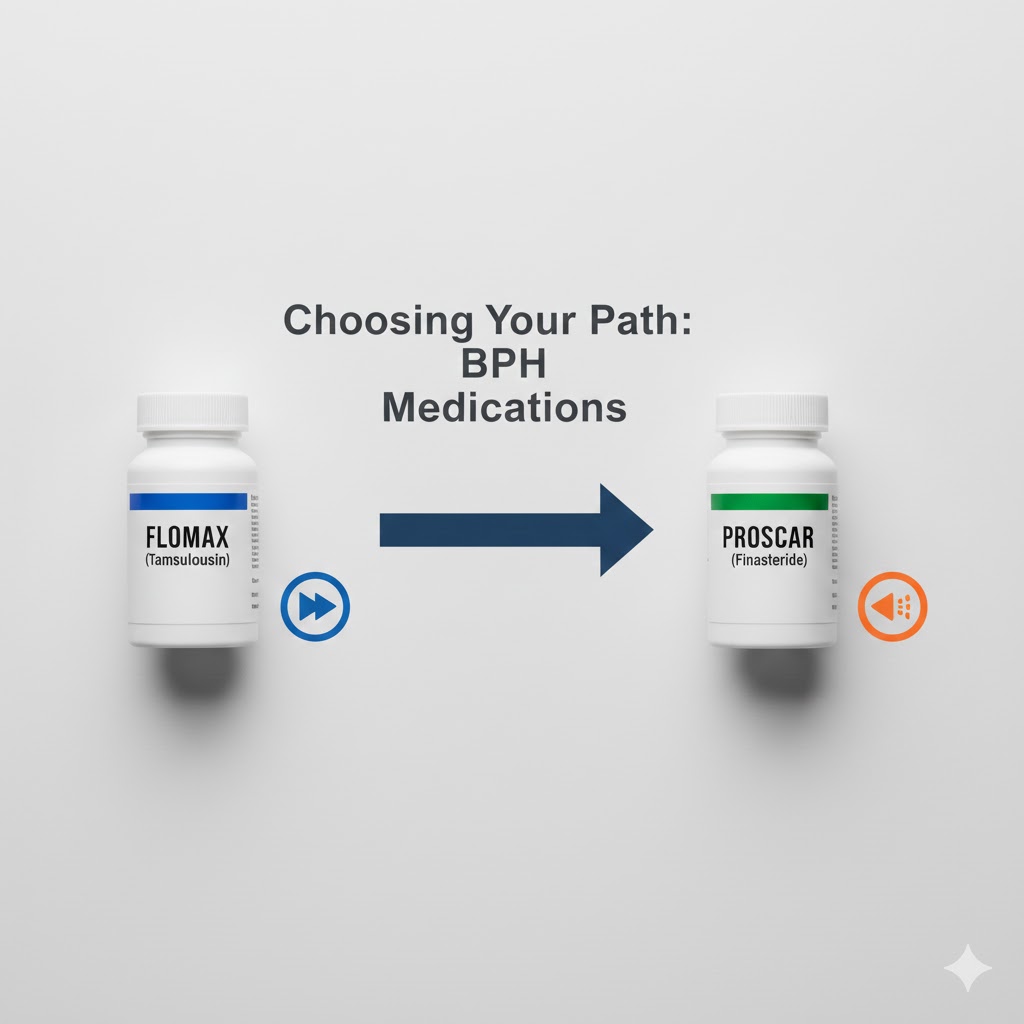
Navigating the First Line of Defense: BPH Medications
When lifestyle changes aren’t enough to manage your enlarged prostate (BPH) symptoms, medication is typically the next logical step. But with different drug classes, confusing names, and a range of potential side effects, it’s easy to feel overwhelmed.
This guide cuts through the complexity, comparing the two main pillars of BPH drug therapy: Alpha-Blockers (like Flomax) and 5-Alpha Reductase Inhibitors (5-ARIs, like Finasteride). You’ll learn not just what they do, but how they work, what to realistically expect, and how to have a productive conversation with your doctor about finding the right fit for your body and your life.
The Two Pillars of BPH Drug Therapy: A Quick Comparison
| Aspect | Alpha-Blockers (e.g., Tamsulosin/Flomax) | 5-Alpha Reductase Inhibitors (e.g., Finasteride/Proscar) |
|---|---|---|
| Main Goal | Symptom Relief – Improve urine flow and reduce urgency quickly. | Disease Modification – Shrink the prostate gland to prevent progression. |
| How They Work | Relax smooth muscles in the prostate and bladder neck. | Block the conversion of testosterone to DHT, the hormone that drives prostate growth. |
| Onset of Action | Fast (within days). | Slow (3-6 months for full effect). |
| Best For | Men seeking rapid relief from obstructive symptoms (weak stream, hesitancy). | Men with significantly enlarged prostates seeking long-term reduction in size and risk. |
| Prostate Size | Effective for all prostate sizes. | Most effective for moderate to large prostates (>30-40g). |
| Key Side Effects | Dizziness, low blood pressure, fatigue, retrograde ejaculation. | Decreased libido, erectile dysfunction, reduced ejaculate volume. |
| Treatment Duration | As long as needed for symptom control; effects stop when you stop. | Long-term (years); must be continued to maintain benefits. |
Deep Dive: Alpha-Blockers (The “Quick Relief” Option)
How They Work & Common Brands:
Think of the prostate and bladder neck as a ring of muscle around a hose. Alpha-blockers relax this muscle, loosening the squeeze on the urethra. Common prescriptions include:
- Tamsulosin (Flomax): Most prostate-specific, less effect on blood pressure.
- Alfuzosin (Uroxatral): Similar to Tamsulosin.
- Silodosin (Rapaflo): Highly prostate-selective, but higher incidence of retrograde ejaculation.
- Doxazosin (Cardura), Terazosin (Hytrin): Older, less selective, also used for blood pressure.
What to Expect & Managing Side Effects:
- Timeline: You may notice improved flow within 1-3 days, with maximum effect in 1-2 weeks.
- The #1 Side Effect: Dizziness/Lightheadedness. This is due to a drop in blood pressure (orthostatic hypotension). Take your first dose at bedtime. Always get up slowly from sitting or lying down.
- The Sexual Side Effect: Retrograde Ejaculation. This is when semen goes backward into the bladder instead of out during orgasm. It’s harmless (your urine may be cloudy afterward) but can be concerning. It’s very common with Flomax/Silodosin (up to 90% of men) and often reverses if you stop the medication.
- “Flomax Eye”: A rare but serious side effect of tamsulosin is Intraoperative Floppy Iris Syndrome (IFIS), which can complicate cataract surgery. Always tell any eye surgeon you are taking an alpha-blocker, even if you stopped years ago.
Deep Dive: 5-Alpha Reductase Inhibitors (The “Shrinker” Option)
How They Work & Common Brands:
These drugs target the root cause of growth. They inhibit the enzyme (5-alpha reductase) that converts testosterone into dihydrotestosterone (DHT), the potent hormone that stimulates prostate cell proliferation.
- Finasteride (Proscar): Blocks Type II enzyme. Lowers PSA by ~50%.
- Dutasteride (Avodart): Blocks Type I & II enzymes. May be slightly more effective at shrinking the prostate and lowering PSA (~50%).
What to Expect & Managing Side Effects:
- Timeline: Patience is required. You may see no improvement for 3-6 months. Maximum shrinkage and symptom relief can take 6-12 months or longer.
- The Sexual Side Effects: Decreased libido (sex drive), difficulty getting or keeping an erection (ED), and reduced ejaculate volume affect ~5-10% of men. These often diminish over time (within a year) but can persist in some men while on the drug.
- The PSA Adjustment: CRITICAL. These drugs lower PSA by about half. When monitoring for prostate cancer, your doctor must double your PSA result to interpret it correctly against standard ranges. Failure to do this can mask a rising PSA.
- Long-Term Benefit: They are proven to reduce the long-term risk of acute urinary retention (AUR) and the need for BPH surgery by about 50%. This is their major advantage.
Combination Therapy & The Tadalafil (Cialis) Option
- Alpha-Blocker + 5-ARI: For men with large prostates and severe symptoms, starting both simultaneously offers the “best of both worlds”: rapid relief from the alpha-blocker and long-term reduction in progression from the 5-ARI. A common strategy is to use both for 6-12 months, then consider stopping the alpha-blocker if symptoms are controlled.
- Tadalafil (Cialis): Yes, this PDE5 inhibitor used for erectile dysfunction is also FDA-approved for BPH. It works by relaxing smooth muscle in the prostate and bladder. It can be a good option for men who have both BPH and ED. Learn more in our dedicated guide: Tadalafil (Cialis) for BPH: Does it Work?
Making the Decision: Questions to Ask Your Doctor
- “What is the size of my prostate?” (This is the single biggest factor in choosing a 5-ARI).
- “How soon do I need relief?” (Alpha-blocker for fast, 5-ARI for long-term).
- “How do my other health conditions (low blood pressure, heart issues, upcoming eye surgery) affect my choice?”
- “What is your plan for monitoring my PSA if I start a 5-ARI?”
- “If I experience side effects, what’s our plan? Can we switch or adjust the dose?”
Remember: Medication is often a trial. It may take trying one or a combination to find what works best with the fewest side effects for you.
Conclusion: Medication as a Tool, Not a Destination
BPH medications are powerful tools that can dramatically improve quality of life. Alpha-blockers are the sprinters—offering fast track relief. 5-ARIs are the marathoners—working slowly to alter the course of the disease.
The right choice depends on your prostate’s size, your symptom severity, your tolerance for potential side effects, and your long-term health goals. By understanding the mechanisms and trade-offs, you become an active partner in your treatment plan, ready to work with your doctor to find the path that leads you back to comfort and control.
Navigate Our Complete BPH Hub:
- Silo 1: BPH Symptoms & Daily Management
- Silo 2: Medical & Surgical Treatments (You are here)
- Silo 3: Natural Remedies & Lifestyle
- Main Hub: The Complete Guide to BPH & Prostate Health
FAQs
1. What is the most common side effect of Flomax (tamsulosin)?
The most common and noticeable side effect is dizziness or lightheadedness, especially when standing up quickly (orthostatic hypotension). This is why it’s recommended to take the first dose at bedtime. Retrograde ejaculation is also extremely common but is not harmful.
2. Can I just take Finasteride (Propecia) for hair loss to help my BPH?
Caution: The dose for hair loss (Propecia – 1mg) is lower than for BPH (Proscar – 5mg). While it may have some effect, it is not the clinically studied dose for prostate shrinkage and symptom relief. More importantly, if your doctor is monitoring your PSA for prostate health, they need to know you’re on any dose of Finasteride, as it lowers PSA.
3. How long does it take for Finasteride or Dutasteride to shrink the prostate?
You can expect to see measurable shrinkage on ultrasound after 3-6 months of consistent use. However, maximum shrinkage and the corresponding symptom relief may take 6-12 months or longer. This is a long-term treatment, not a quick fix.
4. Are the sexual side effects of 5-ARIs permanent?
For most men, side effects like decreased libido and ED are reversible upon stopping the medication, though it may take several weeks to months to fully return to baseline. However, a small percentage of men report persistent sexual side effects even after discontinuation, a condition known as Post-Finasteride Syndrome (PFS). Discuss this risk with your doctor.
5. Can I drink alcohol while taking BPH medications?
It’s generally advised to limit or avoid alcohol, especially when starting an alpha-blocker. Alcohol can worsen dizziness and orthostatic hypotension. With 5-ARIs, alcohol doesn’t have a direct interaction, but it can irritate the bladder and worsen BPH symptoms independently.
6. What happens if I stop taking my alpha-blocker?
Your symptoms (weak stream, frequency) will likely return within a few days to their pre-medication level. Alpha-blockers provide control only while you are actively taking them.
7. Why does my doctor need to double my PSA if I’m on Finasteride?
Finasteride and Dutasteride artificially lower PSA levels by about 50% within 6-12 months. To accurately monitor for prostate cancer—comparing your PSA to standard age-based ranges—your doctor must multiply your result by two. This ensures a rising PSA isn’t masked.
8. Is there a “best” alpha-blocker with the fewest side effects?
Tamsulosin (Flomax) and Alfuzosin (Uroxatral) are considered more “uroselective,” meaning they target the prostate with less effect on blood pressure than older drugs like Doxazosin. However, they still cause dizziness and retrograde ejaculation. “Best” is individual; some men tolerate one better than another.
9. Can I take BPH medications with my blood pressure pills?
You must tell your doctor about all medications. Older alpha-blockers (Doxazosin, Terazosin) are sometimes used for blood pressure. Newer ones can still lower it. Combining them with other BP meds requires careful monitoring to prevent excessive drops in blood pressure.
10. When should I consider moving from medication to a procedure?
Consider discussing procedures with your urologist if: 1) Medications cause unacceptable side effects, 2) They no longer control your symptoms effectively, 3) You develop complications like recurrent UTIs, bladder stones, or kidney issues, or 4) You simply want a more definitive, long-term solution and are tired of daily pills.
Related Articles
- Tadalafil (Cialis) for BPH: The ED Medication That Helps Urination: Learn about this dual-purpose treatment option.
- UroLift vs. TURP: Comparing Procedures When Pills Aren’t Enough: Explore minimally invasive options if medication side effects are a problem.
- The Watchful Waiting Approach: Is Medication Right Now Necessary?: Understand when it’s safe to monitor symptoms without immediate medication.
- BPH Surgery Recovery Diary: What If I Eventually Need a Procedure?: See what the journey looks like if medications fail.
Master Your Prostate Health with Our Ultimate Resource
You’ve explored treatments. Now, see how it all fits together in our flagship guide.
Quizzes, trackers, and expert insights.
Compare every option, from pills to surgery.
Diet plans, exercises, and supplement guides.
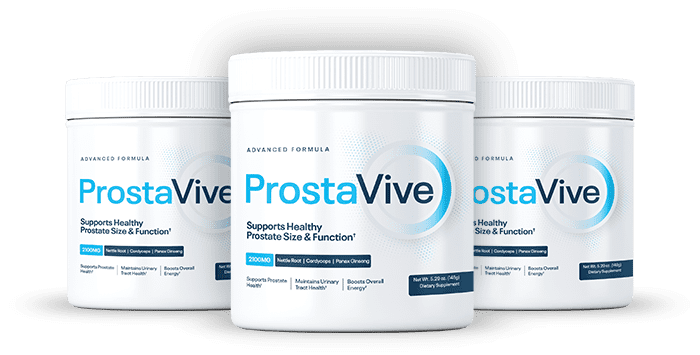
Considering a Natural Prostate Supplement?
Many of our readers have asked about comprehensive natural formulas. Prostavive combines 9 research-backed ingredients including Saw Palmetto, Beta-Sitosterol, and Pygeum in one supplement.
Note: This is an affiliate link. We earn a commission if you purchase, at no extra cost to you. Always consult your healthcare provider before starting supplements.