





When urologists discuss medication options for an enlarged prostate, alpha-blockers like tamsulosin (Flomax) are usually the first mentioned. However, another powerful player has earned a permanent spot in the treatment lineup: Tadalafil (Cialis). Originally famed for treating erectile dysfunction, its approval for BPH has provided a versatile tool that addresses two major quality-of-life issues with one prescription.
If you’re struggling with a weak stream, urgency, and frequent trips to the bathroom—especially at night—understanding how Tadalafil fits into the BPH treatment landscape is crucial. This guide will provide a clear, evidence-based look at its mechanism, efficacy, and practical use so you can have an informed discussion with your doctor.
How Does a Pill for ED Help with Urination?
The connection isn’t as strange as it seems. Tadalafil belongs to a class of drugs called phosphodiesterase-5 (PDE5) inhibitors. While its effect on blood flow to the penis is well-known, it also exerts a powerful relaxing effect on smooth muscle tissue elsewhere in the body—including the prostate gland, the bladder neck, and the urethra (the tube that carries urine out through the prostate).
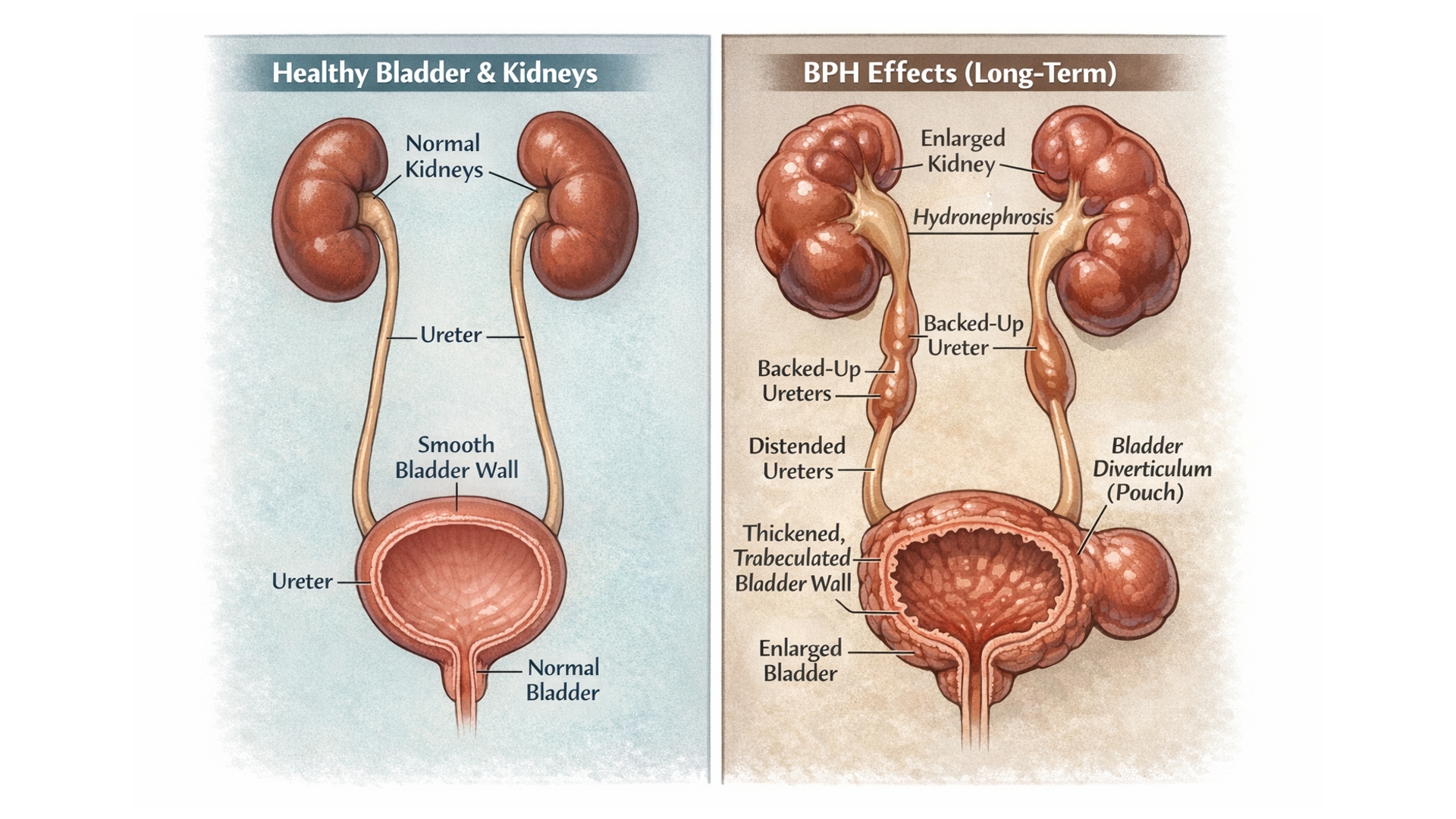
In BPH, enlarged prostate tissue and increased muscle tone squeeze the urethra. Tadalafil helps by:
- Relaxing Prostate and Bladder Muscle: It reduces the excessive tone and contraction of the smooth muscle within the prostate and bladder neck, opening the urethral channel for better urine flow.
- Improving Blood Flow: Enhanced blood flow to the lower urinary tract may improve the overall health and function of the bladder.
- Reducing Inflammation: Some research suggests PDE5 inhibitors may have a mild anti-inflammatory effect on prostate tissue.
This multi-target action translates directly into symptom relief: less straining, a stronger stream, fewer urgency episodes, and reduced nighttime awakenings (nocturia).
For a comprehensive overview of where Tadalafil fits among all options, explore our main resource: BPH Medical & Surgical Treatments (Silo Hub).
Proven Efficacy: What Does the Research Say?
Clinical trials have consistently shown Tadalafil to be an effective monotherapy for BPH. Key findings include:
- Symptom Improvement: Studies demonstrate a significant reduction in the International Prostate Symptom Score (IPSS), often comparable to traditional alpha-blockers. Patients report noticeable improvements in urinary flow and bother.
- Flow Rate Increase: Objective measurements show an increase in maximum urinary flow rate (Qmax).
- Dual-Benefit for ED: For men with both BPH and ED—a common overlap—Tadalafil is a particularly efficient choice, effectively treating both conditions with a single daily dose. This addresses a sensitive but important aspect of health; learn more about the intersection here: BPH and Sexual Health: Managing ED & Ejaculation Issues.
- Long-Term Durability: Benefits have been shown to be sustained over at least two years of continuous use.
Tadalafil for BPH vs. Tadalafil for ED: Key Differences
While it’s the same drug, the prescribing pattern for BPH differs:
| Feature | Tadalafil for BPH | Tadalafil for ED (on-demand) |
|---|---|---|
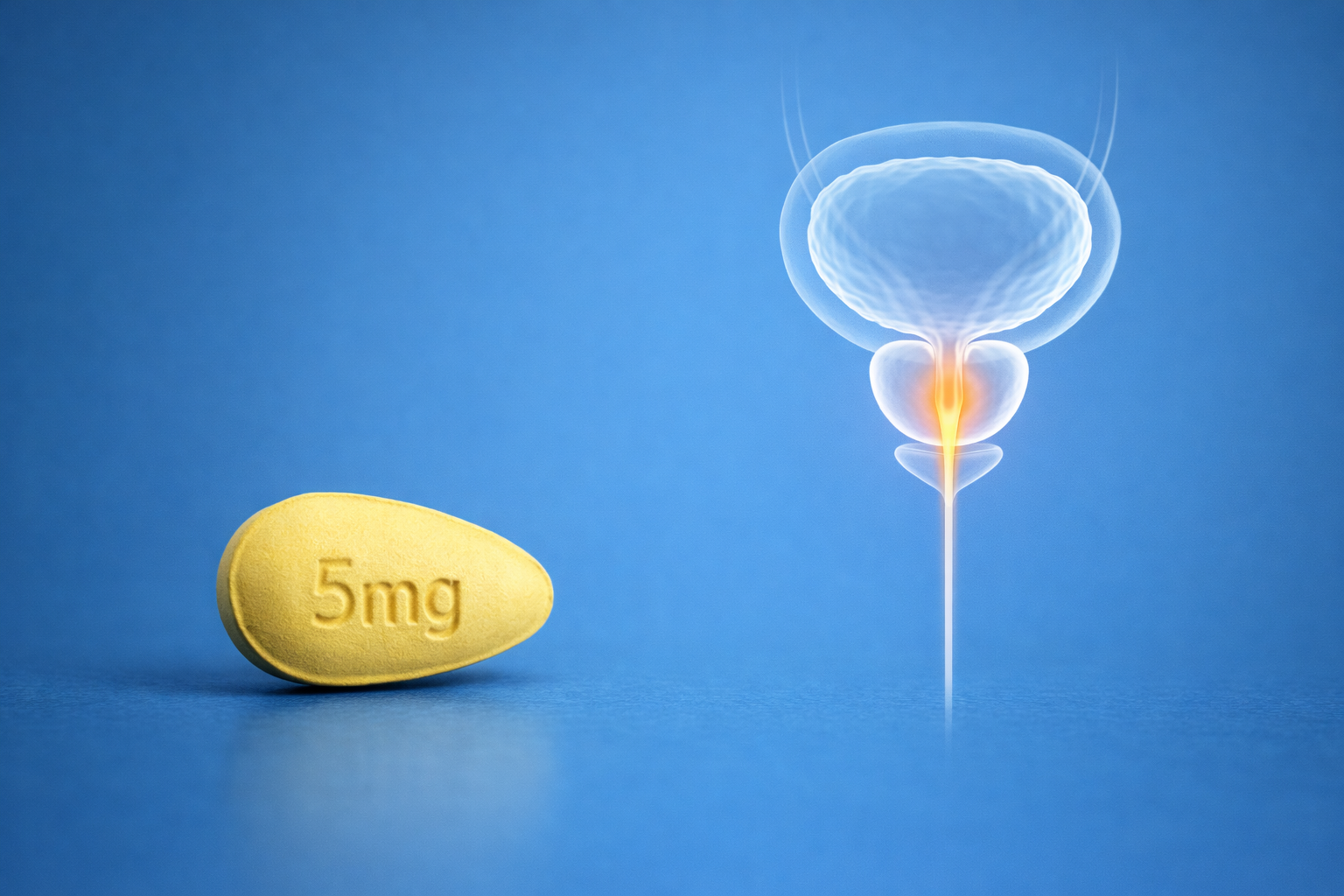
| Standard Dosage | 5 mg once daily | 10 mg or 20 mg, as needed before sex |
| Dosing Schedule | Daily, at approximately the same time | Taken only on days sexual activity is planned |
| Primary Goal | Consistent relaxation of urinary tract muscles | Short-term, potent blood vessel dilation in the penis |
| Onset of Action | Symptom relief builds over weeks | Works within 30-60 minutes |
Important: The low 5 mg daily dose for BPH is not typically sufficient for on-demand ED treatment. Conversely, using the higher on-demand doses (10/20mg) intermittently is not an effective strategy for managing daily BPH symptoms.
Side Effects, Safety, and Drug Interactions
Tadalafil is generally well-tolerated, but awareness of side effects is key.
- Common Side Effects: Include headache, indigestion, back pain, muscle aches, flushing, and nasal congestion. These are often mild and transient.
- Serious Risks (Rare): Priapism (a prolonged, painful erection), sudden hearing or vision loss, and cardiovascular events. It is contraindicated for men taking nitrates (e.g., nitroglycerin for chest pain) or guanylate cyclase stimulators (e.g., riociguat) due to the risk of a dangerous drop in blood pressure.
- Alpha-Blocker Combination: Tadalafil is sometimes prescribed in combination with an alpha-blocker (like tamsulosin) for enhanced symptom relief. This must only be done under strict physician supervision, as the combination can increase the risk of low blood pressure and fainting, especially when starting therapy.
Understanding how different BPH drugs work and combine is crucial. For a detailed comparison, read: Alpha-Blockers vs. 5-ARIs: What to Expect from BPH Medication.
Is Tadalafil the Right BPH Treatment for You?
Tadalafil may be an excellent choice if:
- You have moderate to severe BPH symptoms affecting your daily life.
- You also experience erectile dysfunction and want to address both issues simply.
- You have not achieved sufficient relief from or cannot tolerate alpha-blockers.
- You prefer a once-daily medication with a consistent effect.
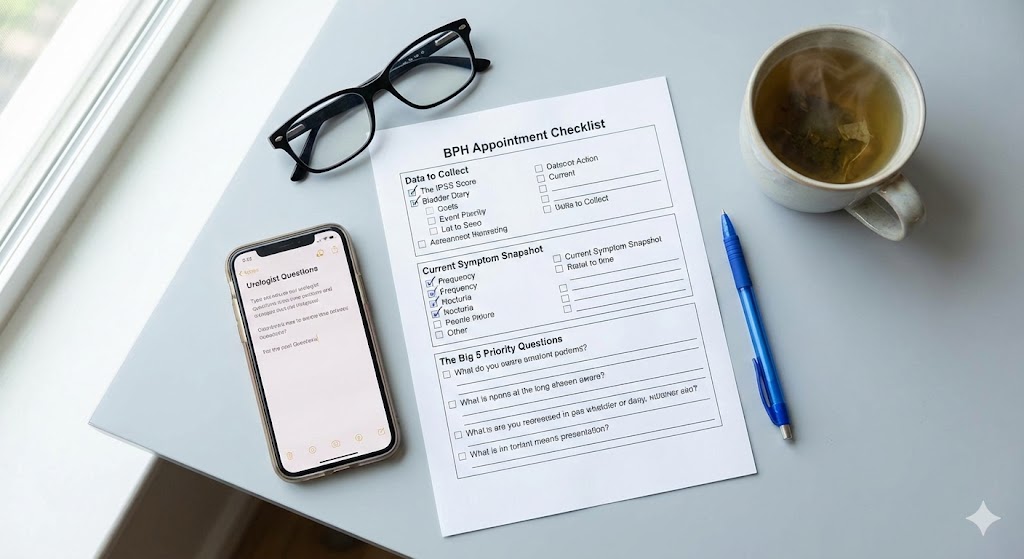
The decision should always be made in partnership with your urologist, who can assess your full medical history, current medications, and specific symptoms. To prepare for that critical conversation, come armed with knowledge: Preparing for Your Urologist Appointment: 10 Key Questions.
The Bottom Line
Tadalafil (Cialis) is a proven, effective medication for relieving the urinary symptoms of BPH. Its unique mechanism offers a valuable alternative or complement to traditional therapies, with the added potential benefit of improving erectile function. By understanding its daily-use regimen, realistic benefits, and safety profile, you can confidently explore whether this dual-purpose treatment is the right key to unlocking better urinary and sexual health.
Still evaluating the spectrum of BPH treatments, from pills to procedures? Our detailed guides can help you understand all your options.
✅ FAQs
Q1: What is the correct Tadalafil dose for BPH?
A: The standard FDA-approved dose of Tadalafil for treating BPH symptoms is 5 mg taken once daily, at about the same time each day. It is not taken “as needed.”
Q2: How long does it take for Tadalafil to work for BPH symptoms?
A: While some men may notice early changes, the full therapeutic effect on urinary symptoms typically builds over 4 to 8 weeks of consistent daily use. This is different from its rapid action for ED.
Q3: Can I take the 20 mg “as-needed” Tadalafil for my BPH?
A: No. The high, intermittent dose for ED does not provide consistent relief for BPH urinary symptoms. The 5 mg daily regimen is specifically designed to maintain constant relaxation of the prostate and bladder muscles.
Q4: Does Tadalafil actually shrink the prostate gland?
A: No. Unlike 5-alpha-reductase inhibitors (e.g., finasteride), Tadalafil does not reduce the physical size of the prostate. It works by relaxing the smooth muscle within and around the gland and bladder to improve urine flow and reduce symptoms.
Q5: What are the most common side effects of daily Tadalafil?
A: The most commonly reported side effects include headache, indigestion, back pain, muscle aches, flushing, stuffy or runny nose, and dizziness. These are often mild and diminish over time.
Q6: Is it safe to take Tadalafil with my heart medications?
A: This is a critical question for your doctor. Tadalafil is absolutely contraindicated with any nitrate medication (e.g., nitroglycerin, isosorbide) for chest pain due to the risk of a life-threatening drop in blood pressure. Its safety with other heart medications must be carefully evaluated by your physician.
Q7: Can Tadalafil be combined with Flomax (tamsulosin)?
A: Yes, but with caution. This combination can be prescribed for men who need added symptom relief. However, it can increase the risk of low blood pressure and dizziness, especially with the first dose or a dose increase. It requires close medical supervision.
Q8: Will my insurance cover Tadalafil for BPH?
A: Most insurance plans, including Medicare, cover Tadalafil for its FDA-approved indications, which include BPH. Coverage details (co-pay, prior authorization) vary by plan. Your doctor’s office can often help verify benefits.
Q9: If I stop taking Tadalafil, will my BPH symptoms return?
A: Yes. Since Tadalafil treats symptoms but does not alter the underlying prostate enlargement, symptoms are likely to return to their previous level if the medication is discontinued.
Q10: How does Tadalafil compare to surgery for BPH?
A: Medications like Tadalafil manage symptoms but are not a cure. Procedures like UroLift, Rezūm, or TURP physically remove or reshape obstructive tissue, offering the potential for more complete and durable symptom relief. They are considered when medications fail or are not desired. Compare these options in our guide: UroLift for BPH: Pros, Cons, and What to Expect.
Navigating BPH Medication Options?
Tadalafil is one of several pharmaceutical paths. Get a clear, comprehensive comparison of how all major BPH drug classes work, their side effects, and how to choose.
Compare All BPH Medications →Considering a BPH Procedure?
When medications aren’t enough, minimally invasive surgeries like UroLift or Rezūm can offer lasting relief. Explore how modern procedures work, recover, and compare.
Explore BPH Surgeries & Procedures →✅ Related Articles
BPH Medications & Combinations:
- What to Expect from BPH Medication: Alpha-Blockers vs. 5-ARIs Side Effects: Understand the two other main drug classes for BPH and how they compare/combine with Tadalafil.
- BPH and Sexual Health: Managing Erectile Dysfunction & Ejaculation Issues: Dive deeper into the common overlap between BPH, its treatments, and sexual function.
Minimally Invasive & Surgical Options:
- UroLift for BPH: Pros, Cons, and What to Expect (vs. TURP): Explore a leading office-based procedure for when medications are insufficient.
- Rezūm Water Vapor Therapy: Procedure Details, Efficacy, and Patient Reviews: Learn about another minimally invasive treatment that shrinks prostate tissue with steam.
Preparing for Treatment:
- Preparing for Your Urologist Appointment: 10 Key Questions to Ask: Get the most out of your consultation to discuss Tadalafil and other treatments.
Concerned About BPH and Sexual Health?
The link between an enlarged prostate, medications, and sexual function is complex. Get clear facts on managing ED, ejaculation changes, and maintaining intimacy after a BPH diagnosis.
Read About BPH & Sexual Health →