






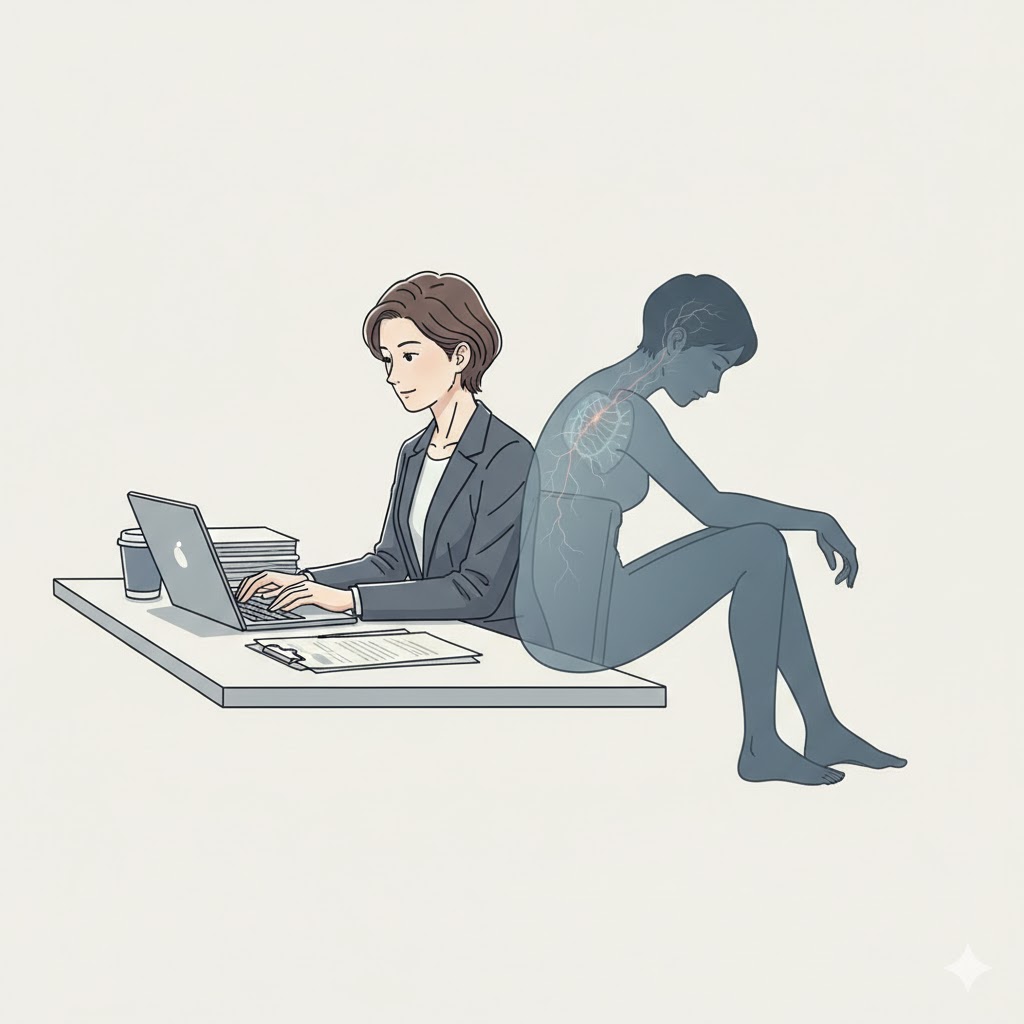
High-functioning depression is often invisible to others. A person may maintain a job, relationships, and daily responsibilities — yet internally struggle with persistent sadness, emotional exhaustion, and a sense of emptiness.
Because productivity remains intact, symptoms are frequently dismissed or misunderstood.
This guide explains:
- What high-functioning depression actually is
- How it differs from Major Depressive Disorder
- Subtle emotional and behavioral warning signs
- Biological and stress-related drivers
- When high-functioning depression becomes dangerous
- Evidence-based recovery strategies
If you’re new to this topic, begin at the 👉 Depression: Causes, Symptoms & Treatment Guide
What Is High-Functioning Depression?
High-functioning depression is not an official diagnostic label in the DSM-5. It typically refers to individuals who meet criteria for:
- Persistent Depressive Disorder (Dysthymia)
- Or milder forms of Major Depressive Disorder
…but continue to perform daily tasks at work or home. Outward stability does not equal internal well-being.
👉 Full classification overview: Types of Depression Explained
Core Signs of High-Functioning Depression
1️⃣ Chronic Low Mood (That Feels “Normal”)
Instead of intense episodes, symptoms are often steady and low-grade:
- Persistent dissatisfaction
- Emotional numbness
- Subtle hopelessness
Many individuals describe it as “just my personality.”
2️⃣ High Achievement Paired With Inner Emptiness
- Externally: Productive, responsible, and reliable.
- Internally: Feeling unfulfilled, experiencing a loss of joy, and constant self-criticism.
This disconnect creates profound emotional exhaustion.
3️⃣ Irritability & Emotional Flatness
Rather than visible sadness, symptoms may appear as a short temper, low frustration tolerance, or emotional detachment.
4️⃣ Fatigue That Sleep Doesn’t Fix
Chronic tiredness is common. Even after adequate sleep, individuals report brain fog, low motivation, and heavy or slowed movement.
👉 Related: Sleep & Mental Health Connection
5️⃣ Overcompensation Through Busyness
Some individuals cope by overworking, avoiding downtime, and constant goal pursuit. Busyness masks emotional discomfort.
6️⃣ Persistent Self-Criticism
Internal dialogue often includes: “I should be doing better,” “Other people have it worse,” or “I have nothing to complain about.” This pattern reinforces depressive cognition.
Biological Drivers Behind High-Functioning Depression
High-functioning depression still involves biological changes:
- Neurotransmitter Changes: Reduced dopamine signaling (decreased pleasure) and altered serotonin sensitivity (mood instability). 👉 Brain Chemistry & Mood Regulation
- Chronic Stress & Cortisol: Long-term stress exposure can blunt emotional reward pathways while maintaining outward functionality. 👉 Stress & Burnout Recovery Guide
- Inflammation & Mood: Low-grade inflammation may impair neuroplasticity, reduce motivation, and increase fatigue.
Why High-Functioning Depression Is Often Missed
- The person minimizes their own symptoms.
- Friends and family assume success equals happiness.
- There are no visible “breakdowns.”
- Social media reinforces comparison and the “perfection” mask.
This can delay diagnosis and treatment for years.
Evidence-Based Recovery Strategies
- Psychotherapy: CBT and interpersonal therapy help reframe persistent negative thought loops.
- Lifestyle Regulation: Focus on structured sleep, consistent exercise (to increase dopamine and BDNF), and reduced alcohol intake.
- Nutritional & Biological Support: Evidence-backed options include Magnesium, Omega-3 fatty acids, and Vitamin D. 👉 Natural Mental Health Support
- Address Perfectionism: Recovery may require reducing excessive standards and reconnecting with intrinsic motivation.
The 4-Step Self-Assessment Check
Ask yourself:
- Do I feel joy regularly?
- Is my productivity masking emotional exhaustion?
- Do I feel “fine” but not fulfilled?
- Have symptoms lasted longer than two months?
If you answered yes to multiple questions, consider a professional evaluation.
Frequently Asked Questions
1. Is high-functioning depression real?
Yes. It often reflects persistent depressive disorder or mild major depression.
2. Can you be successful and depressed?
Absolutely. External achievement does not eliminate internal distress.
3. Is this just burnout?
Burnout and depression overlap but are not identical; burnout is typically tied specifically to situational exhaustion.
4. Does medication help high-functioning depression?
It may in moderate cases. Professional evaluation is essential.
5. Can exercise reverse it?
Exercise improves symptoms but may not fully resolve persistent depression alone.
6. Is it genetic?
Genetics may increase vulnerability.
7. Does sleep matter?
Yes, significantly. Poor sleep architecture can lock depressive patterns in place.
8. Can it turn into major depression?
Yes, untreated cases may escalate into a major depressive episode.
9. Should I seek therapy if I’m still functioning?
Yes. Early intervention prevents progression and improves quality of life.
10. Is high-functioning depression curable?
It is highly manageable with structured support.
Continue Exploring Depression (The Bigger Picture)
High-functioning depression is often overlooked because people appear “fine” on the outside. Explore the main depression guide, understand how depression subtypes differ, and learn evidence-based support strategies.
Depression: Causes, Symptoms & Treatment Guide Types of Depression Explained Natural Mental Health Support Mental Health Hub