






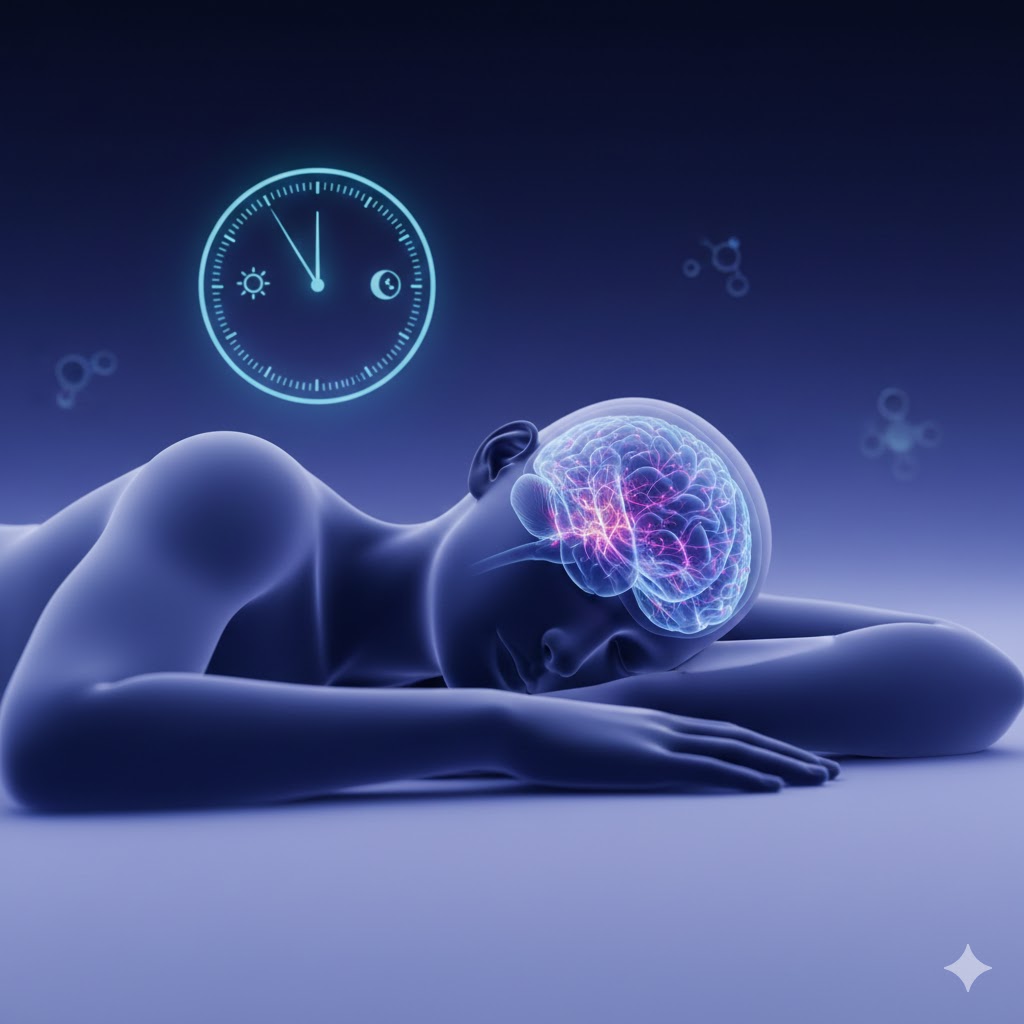
Sleep is not passive rest. It is one of the most powerful biological regulators of mood, stress resilience, brain chemistry, and emotional stability.
Chronic sleep disruption does not just cause fatigue — it alters neurotransmitter balance, increases cortisol, amplifies anxiety, and raises the risk of depression.
This comprehensive guide explains:
- How sleep regulates brain chemistry
- Why poor sleep worsens anxiety and depression
- The role of cortisol and circadian rhythm
- Insomnia and mental health disorders
- Sleep deprivation and emotional reactivity
- Evidence-based strategies to restore healthy sleep
If you’re new to this category, start at the 👉 Mental Health Hub
Why Sleep Is Critical for Mental Health
Sleep regulates:
- Serotonin receptor sensitivity
- Dopamine signaling
- Cortisol rhythms
- Emotional memory processing
- Neuroplasticity
Without sufficient sleep, emotional regulation weakens.
The Neuroscience of Sleep & Mood
1. Serotonin & Sleep
Serotonin helps regulate sleep cycles and mood stability. Sleep deprivation reduces serotonin sensitivity, which may contribute to depressive symptoms.
👉 Related: Depression Guide
2. Dopamine Reset Cycles
Sleep restores dopamine receptor sensitivity. Chronic sleep loss may contribute to:
- Low motivation
- Brain fog
- Irritability
👉 Related: Brain Chemistry & Mood Regulation
3. Amygdala Reactivity & Anxiety
Sleep deprivation increases amygdala activity by up to 60%. This makes emotional reactions stronger and stress harder to regulate.
👉 Related: Anxiety Disorders Explained
🧠 REM Sleep & Emotional Regulation
REM sleep allows the brain to process emotional experiences in a lower-stress state. Sleep deprivation reduces REM quality, which may:
- Increase emotional volatility
- Amplify stress reactivity
- Worsen anxiety
Consistent sleep supports emotional recalibration by restoring prefrontal regulation over limbic activity.
Circadian Rhythm & Cortisol
The circadian rhythm governs cortisol release, melatonin production, body temperature, and energy cycles.
Healthy rhythm:
- High cortisol in morning
- Gradual decline throughout day
- Low cortisol at night
Chronic stress can invert this pattern, causing difficulty falling asleep or nighttime alertness.
👉 See: Stress & Burnout Recovery Guide
Insomnia & Mental Health
Insomnia is both a symptom of mental illness and a risk factor for developing one. Chronic insomnia increases the risk of:
- Major Depressive Disorder
- Generalized Anxiety Disorder
- Panic attacks
👉 Explore: Insomnia & Mental Health
Sleep Deprivation & Emotional Regulation
Even one night of poor sleep may cause increased irritability, reduced impulse control, and heightened stress sensitivity. Long-term deprivation may:
- Impair memory
- Reduce neuroplasticity
- Increase inflammation
Sleep, Inflammation & Mood
Sleep deprivation increases inflammatory cytokines. Inflammation may disrupt serotonin metabolism, impair dopamine signaling, and worsen fatigue. Anti-inflammatory sleep habits improve resilience.
Metabolism and Common Disruptors
Blood Sugar & Nighttime Waking
Blood sugar instability may cause 2–4 AM waking, a racing heart at night, and anxiety spikes. Stabilizing evening nutrition may improve sleep continuity.
Common Sleep Disruptors
- Blue light exposure and caffeine after midday
- Alcohol and chronic stress
- Irregular sleep schedules
- Excessive late-night stimulation
Evidence-Based Sleep Recovery Strategies
1. Fix Wake Time First
Consistency anchors the circadian rhythm. No sleeping in.
2. Morning Light Exposure
Sunlight within 30 minutes of waking stabilizes the cortisol rhythm.
3. Reduce Evening Stimulation
Limit screens, dim lights, and avoid heavy meals.
4. Regulate Stress Before Bed
Practice slow breathing, gentle stretching, or journaling.
👉 Breathing Techniques That Calm Anxiety Fast
5. Nutritional & Natural Support
Certain nutrients may support sleep quality: Magnesium, L-Theanine, Omega-3s, and adaptogens (when stress-driven).
👉 Natural Mental Health Support
The 4-Stage Sleep Reset Framework
- Stage 1: Stabilize Wake Time — Anchor your rhythm.
- Stage 3: Control Light Exposure — Bright morning, dim evening.
- Stage 3: Reduce Stress Inputs — Lower cortisol before bed.
- Stage 4: Layer Targeted Support — Consider magnesium or calming strategies.
🫁 Sleep Apnea & Depression Risk
Obstructive sleep apnea disrupts oxygen delivery during sleep. Untreated apnea is associated with:
- Increased depressive symptoms
- Fatigue and irritability
- Cognitive decline
Individuals with chronic fatigue, brain fog, loud snoring, or persistent mood symptoms should consider medical sleep evaluation. Treating apnea can significantly improve both energy and emotional stability.
Frequently Asked Questions
1. Can poor sleep cause depression?
Yes, it increases the risk significantly.
2. Why is anxiety worse at night?
Reduced distraction and elevated cortisol may amplify symptoms.
3. Does melatonin fix insomnia?
It may help regulate circadian rhythm but does not address root causes.
4. Can sleep reset brain chemistry?
It supports neurotransmitter regulation.
5. Is 6 hours enough sleep?
Most adults require 7–9 hours.
6. Can magnesium improve sleep?
It may support relaxation and GABA function.
7. Does blue light affect melatonin?
Yes, it suppresses melatonin production.
8. Why do I wake at 3 AM?
Often related to stress (cortisol spikes) or blood sugar instability.
9. Can exercise improve sleep?
Yes, especially when done earlier in the day.
10. Is insomnia curable?
Often treatable with structured behavioral strategies.
Strengthen Your Mental Health Foundation
Sleep influences anxiety, depression, stress hormones, and brain chemistry. Continue exploring how these systems work together to support emotional resilience.
Return to Mental Health Hub Explore Anxiety Guide Explore Depression Guide Natural Support Strategies